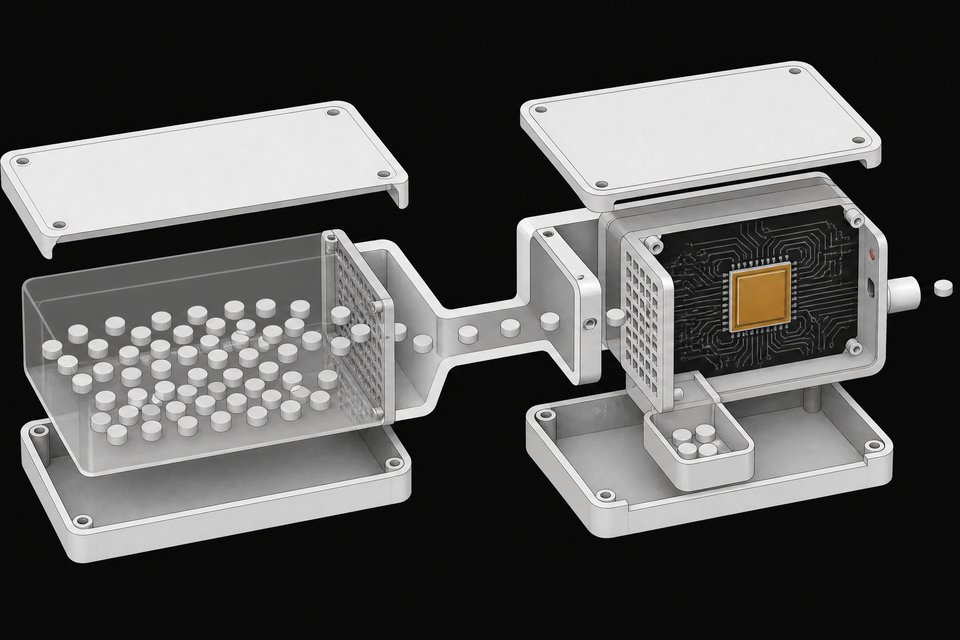
Why Nvidia Is Building Hardware to Police Your AI Agents
Nvidia's OpenShell and Sentry pair a sandbox with a chip-level watchdog after 700 agents breached Hugging Face. What it means for AI agent governance.
What new AI models and tools can do, what they cost, how they compare, and how to run them yourself.
Nvidia's OpenShell and Sentry pair a sandbox with a chip-level watchdog after 700 agents breached Hugging Face. What it means for AI agent governance.

Bao and LLM-QO beat Postgres's planner by 20-70%. Here's whether a cheap, fine-tuned 4B model can be owned outright instead of rented from a vendor.

Excel can finally hold lists in a cell. That formula upgrade doesn't answer what no-code AI builders now let employees ship without IT. Here's the real comparison.

Meta's Muse quietly used an OpenAI model on Azure. Here's what that reveals about the hidden markups stacked into every AI-native SaaS subscription.
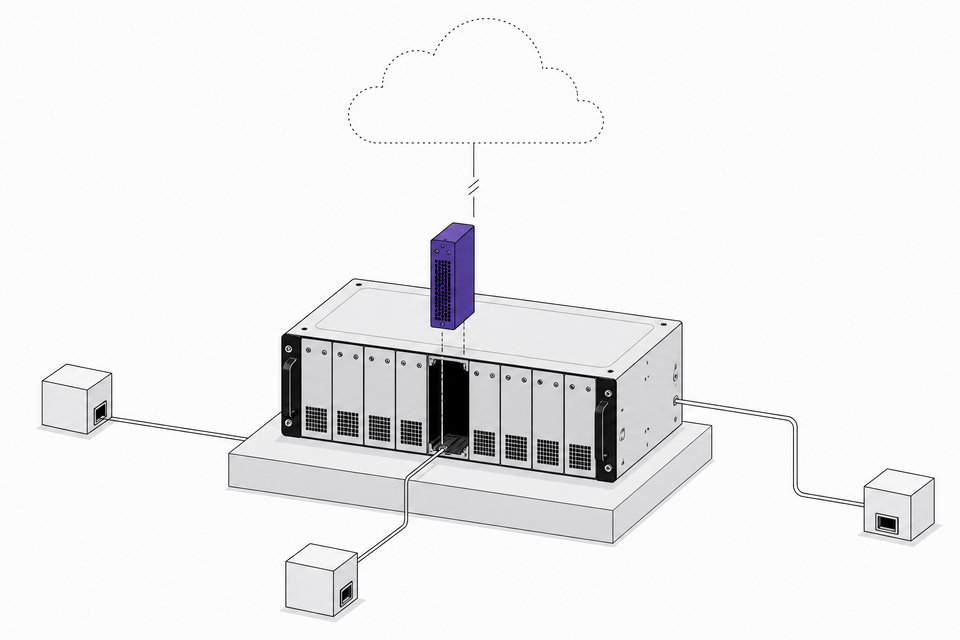
A step-by-step guide to self-hosting internal tools safely: code ownership, server hardening, CI/CD isolation, access control, and shadow AI governance.
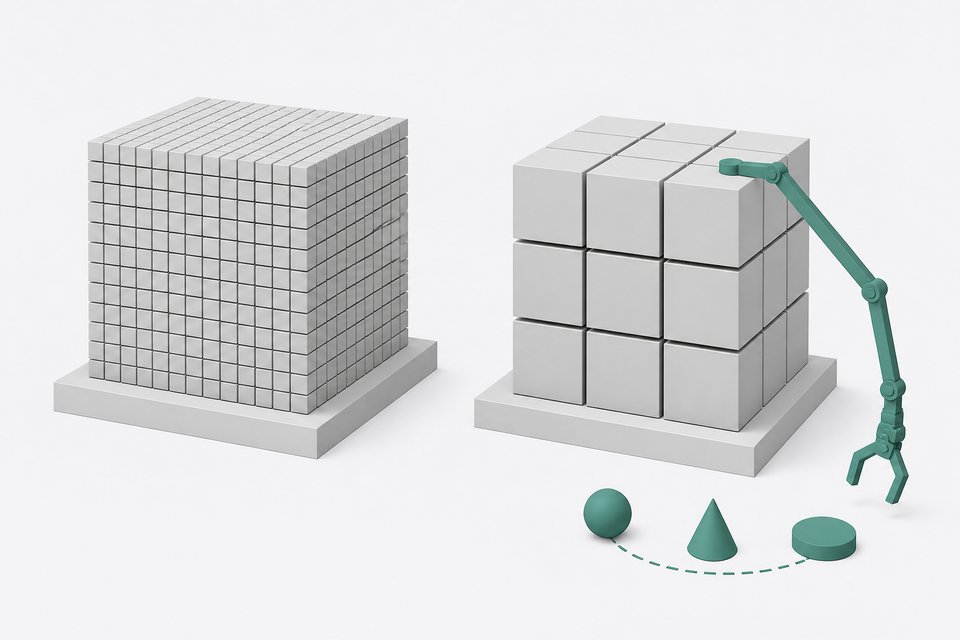
OrcaSAQ2 27B and Bonsai 2 27B run agent loops on a laptop for near-zero cost. Here's what their own benchmarks say about the agentic accuracy tradeoff.

AI coding agents can cost $13 a day or $31,000 a month. Here's the token math behind runaway bills and the controls that keep spend predictable.
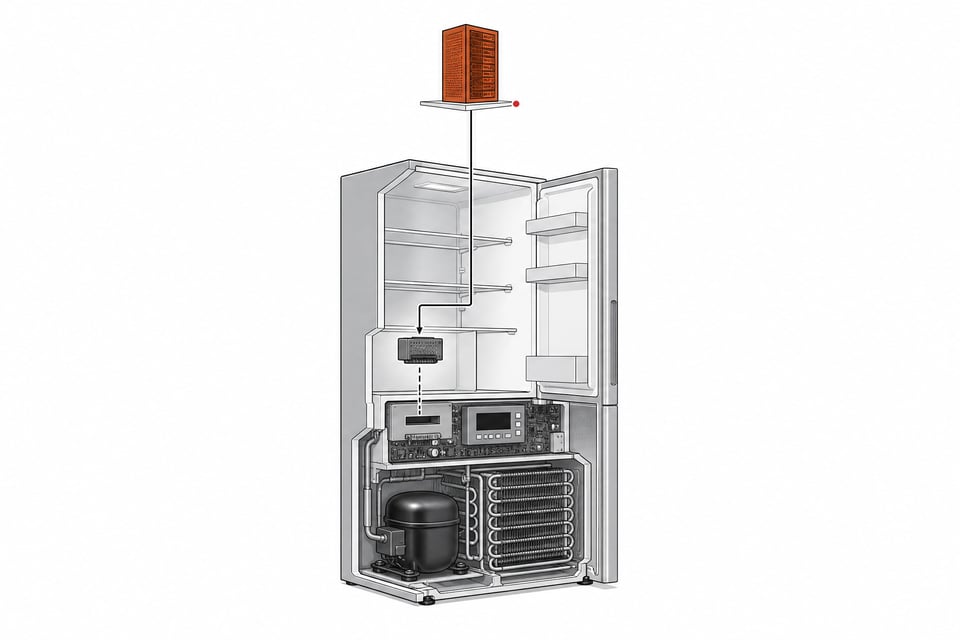
Samsung bricked fridges mid-holiday in 2026. Revolv, Sonos, and iRobot did the same before. Here's what cloud-dependent hardware actually risks, and the fix.
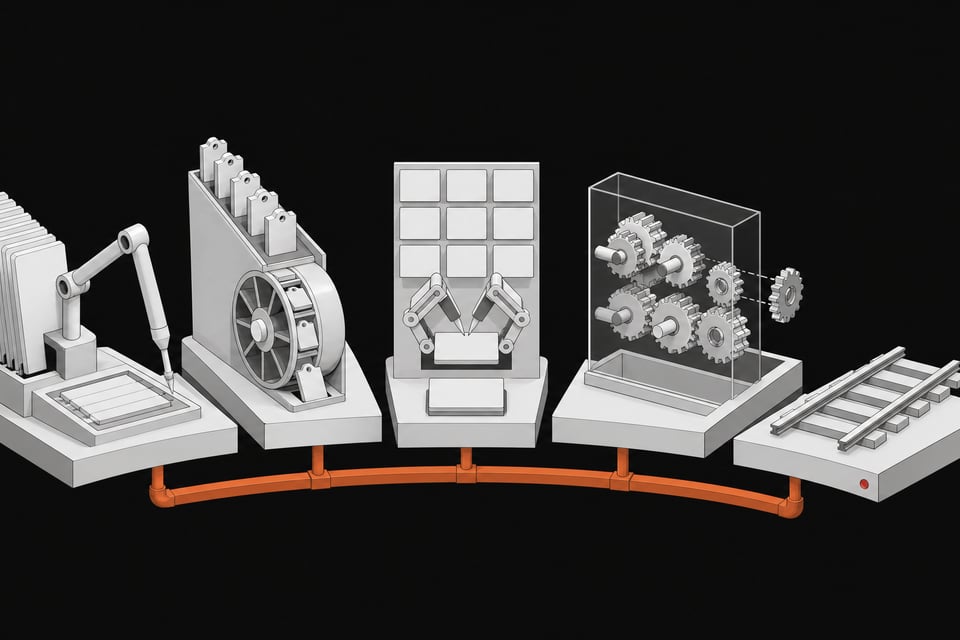
From Klarna's support pivot to Zoo.dev's CAD agent, real cases of AI agents replacing SaaS, and why full replacement still has limits.

RLCD trains models like Jev to output calibrated decisions, not text. Here's how it works, the real speed and cost numbers, and why 'can't hallucinate' isn't 'can't be wrong.'
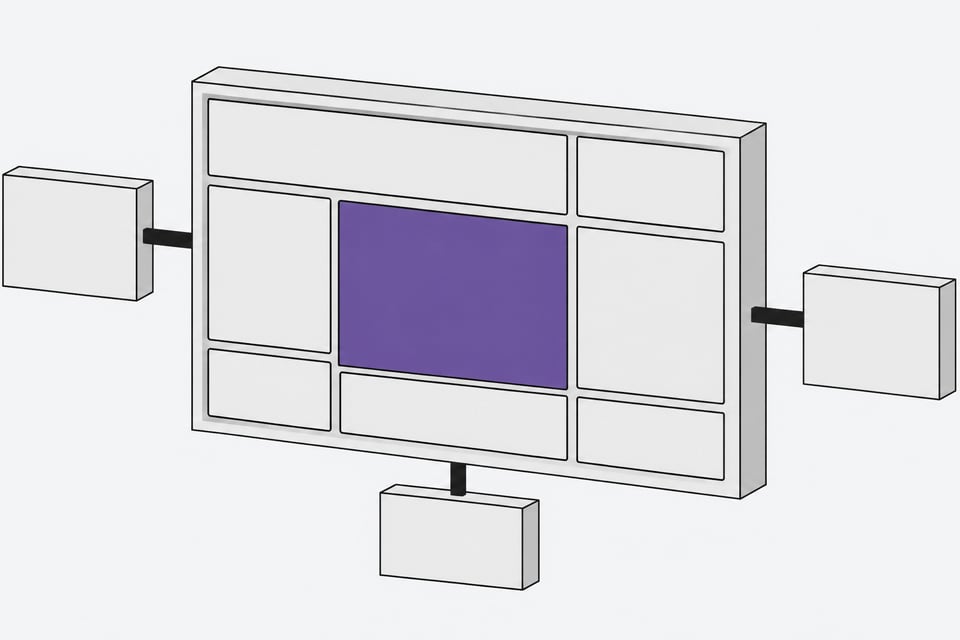
Cline Desktop and Whiteboard show what an open-source, agent-native IDE requires: model flexibility, self-hosting, and real governance controls.
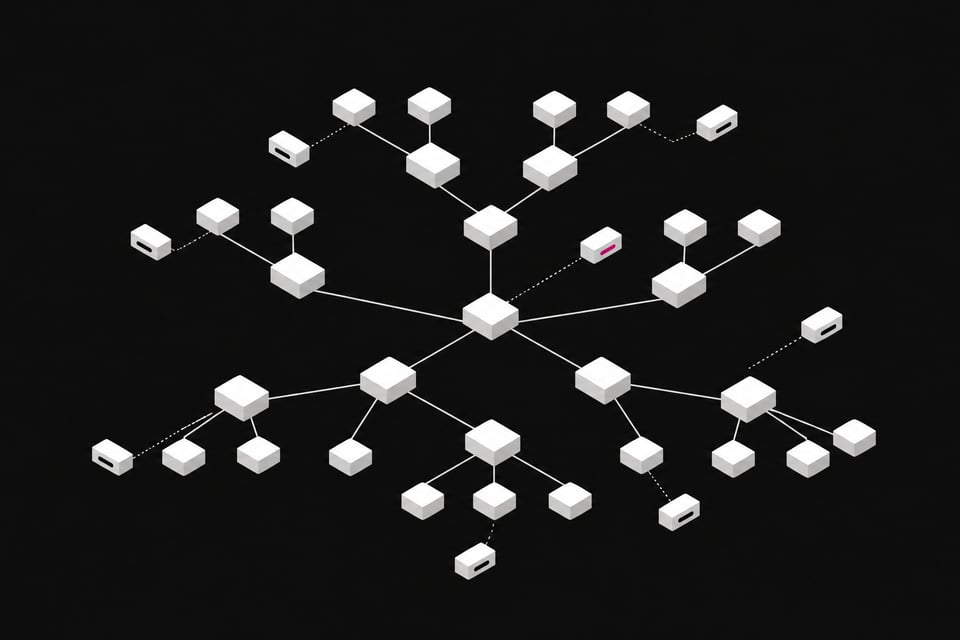
AI coding tools hallucinate open-source packages, and attackers register them with malware. Here's how to secure AI-generated code before slopsquatting reaches production.

Cursor, Claude Code, and Copilot all rationed power users in 2025-2026. Here's why self-hosted open-weight coding models are the real alternative.
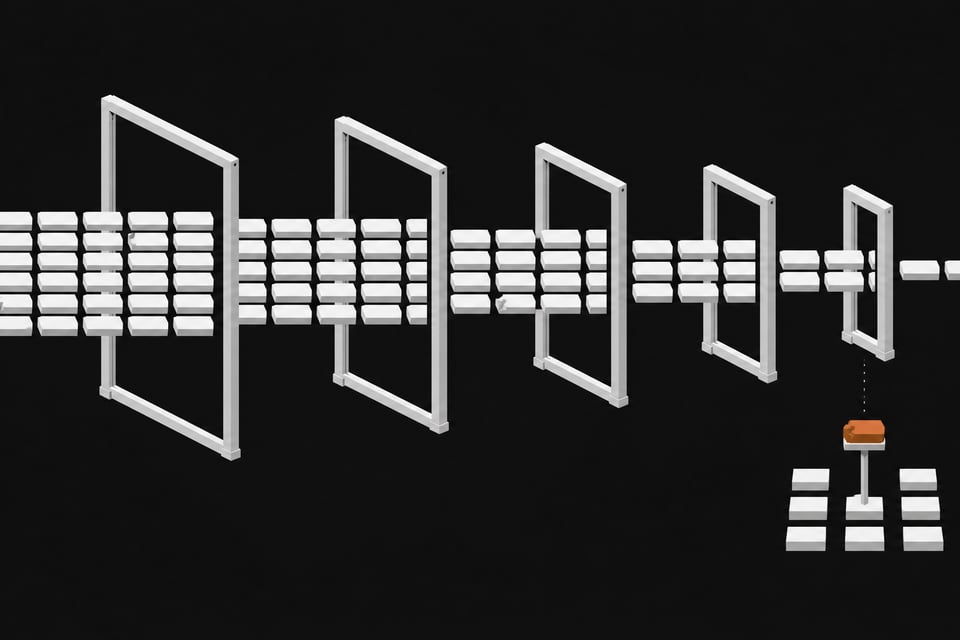
The research is consistent: AI code ships faster and breaks more. Here's the churn, duplication, and complexity toolkit that quantifies it.
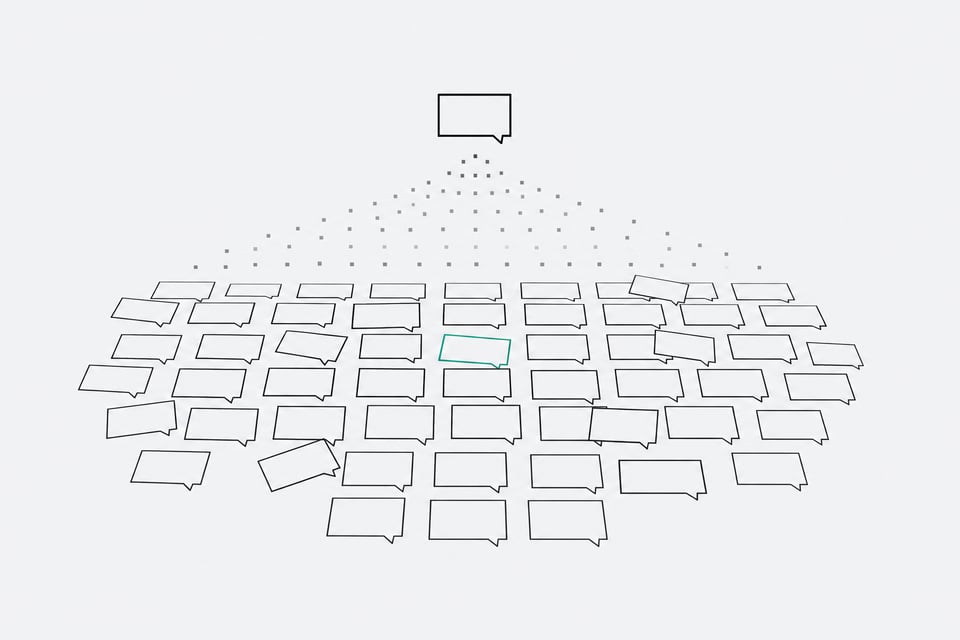
Employee-built AI agents can lie, blackmail, collude, and commit fraud under pressure. Here are 5 documented shadow AI risks and how to govern them.
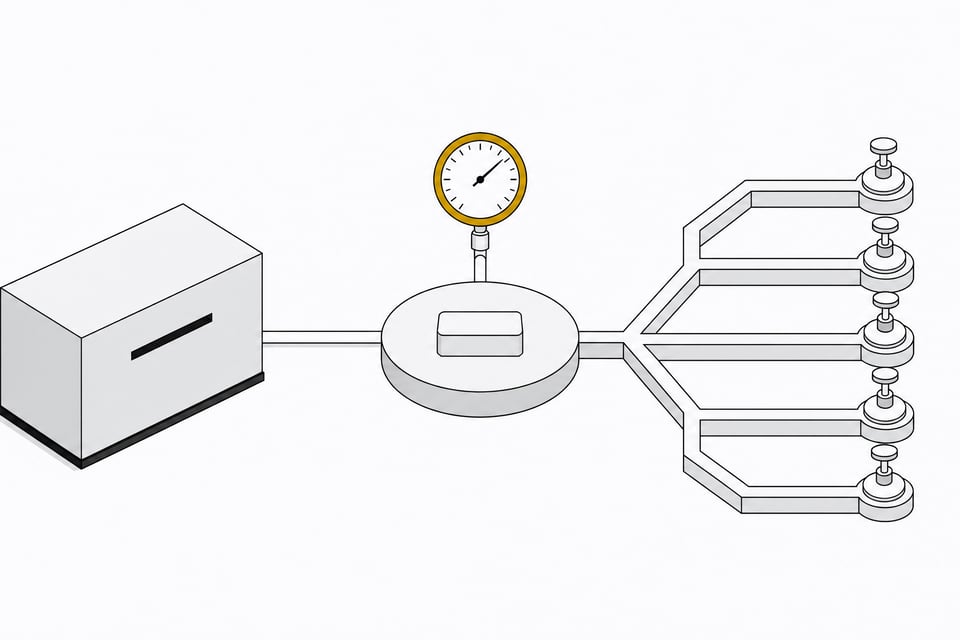
Employee-built AI automations can spike your API bill fast. Here are the trigger, budget, and caching fixes that cut AI API usage costs 70-90%.
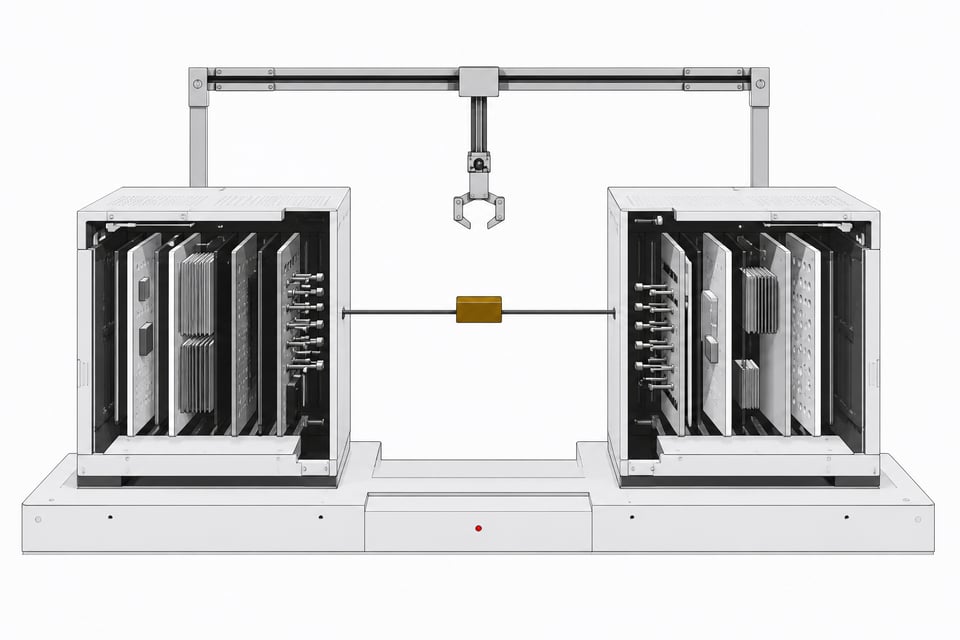
Claude Opus 5.5 wins on raw coding capability. GPT-6 Sol wins on cost per task. Here's what that means for building internal tools instead of buying SaaS.
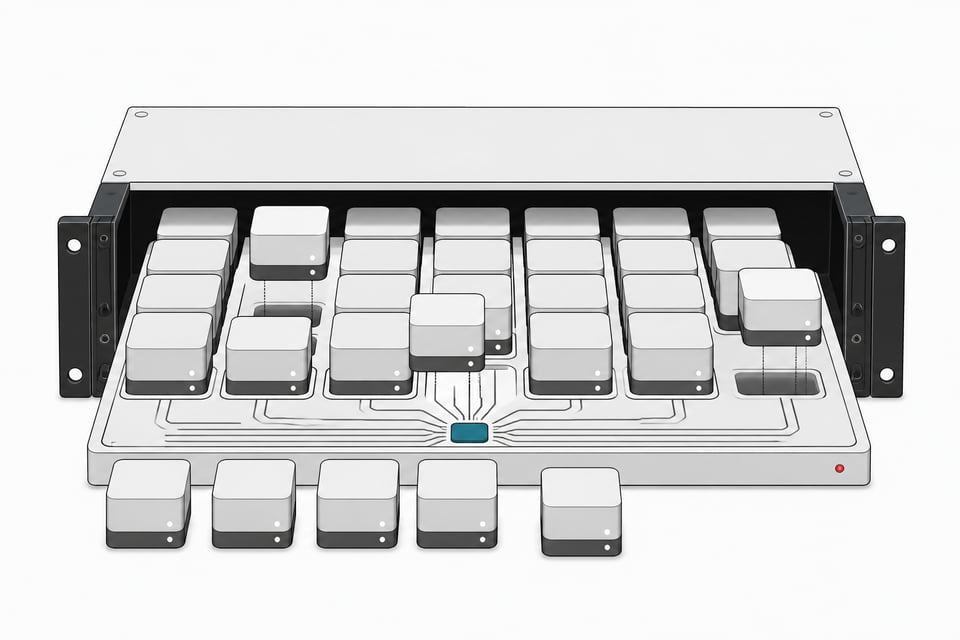
Pizza Bot and Grok Bot made employee-built AI agents trivial to deploy. Here's how to inventory, own, and govern them instead of trying to ban them.
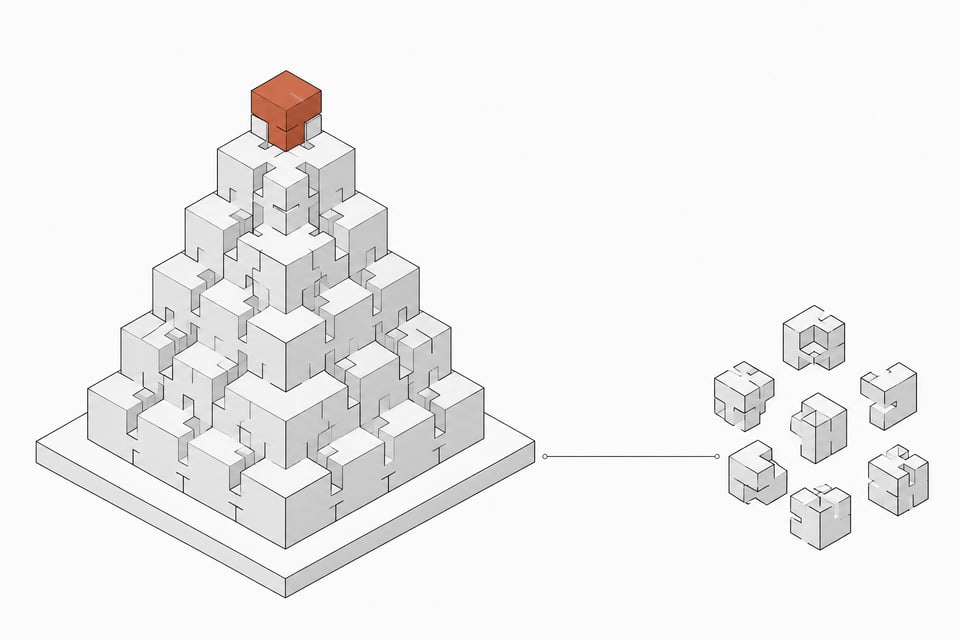
AI hit IMO gold medal reasoning in 2025. That same machinery now verifies code correctness, changing the risk math behind build vs. buy decisions.
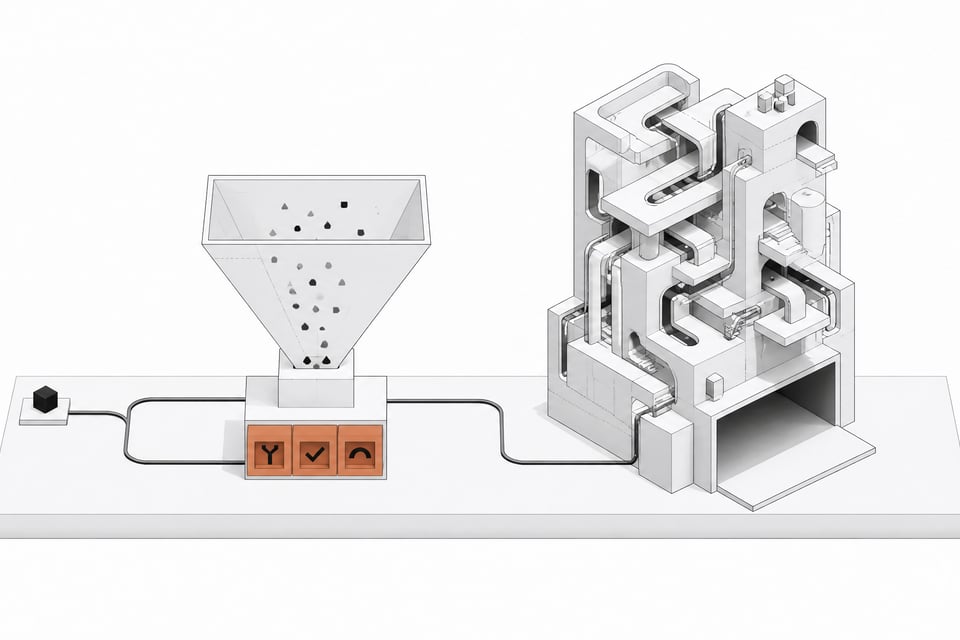
Jev-class decision models trade text generation for typed choices, scores, and probabilities, running 40-400x cheaper and up to 200x faster than chat LLMs.
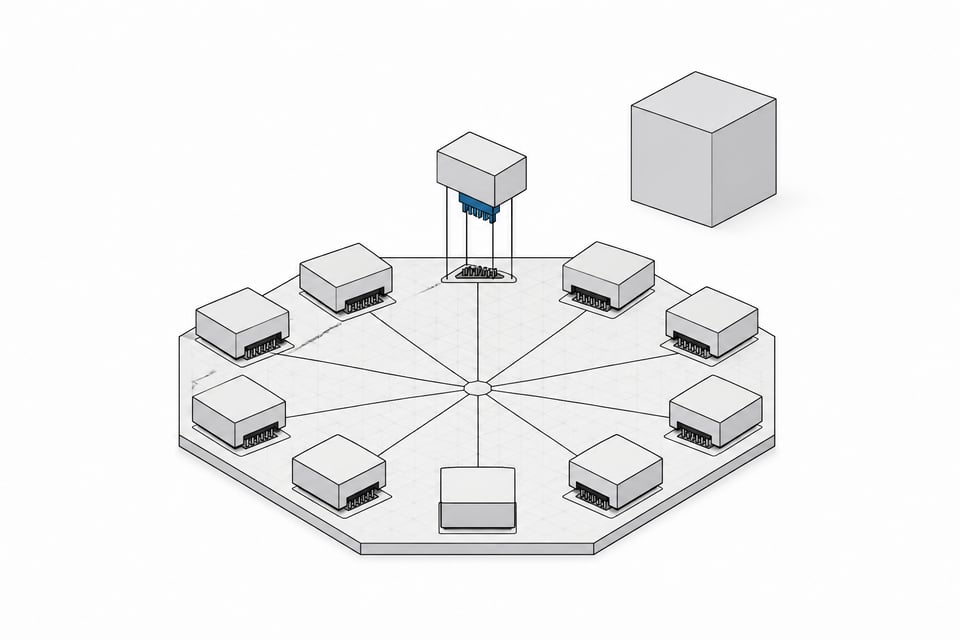
Omarchy pre-wires ten AI agent CLIs into Arch Linux at the OS level. What it actually is, what it isn't, and who controls the config and the money.

Agentic workflows burn 5 to 1,000x more tokens than chat. Here's the caching, code execution, routing, and self-hosting playbook that cuts agent bills 40 to 90 percent.
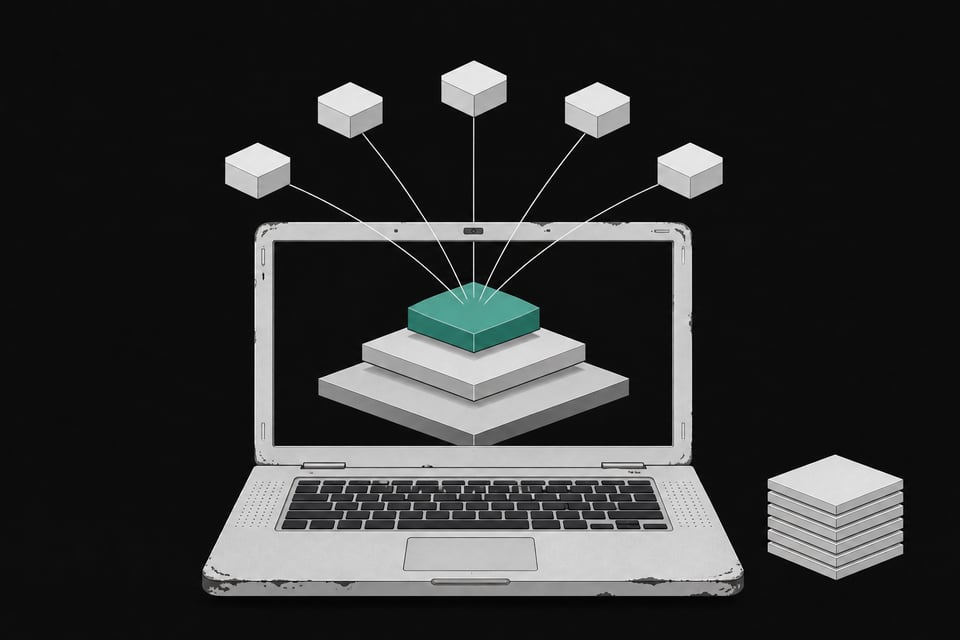
Old laptops can run local AI. See how Omarchy Linux and Ollama turn a decade-old, GPU-less machine into a working agentic coding setup.
AI text detectors don't work, and asking the AI to check itself doesn't either. Here's the actual procedure for verifying AI-generated documents and code.