
How to Govern Shadow AI in the Workplace: A NIST-Based Model
Shadow AI adds $670K to the average breach and 78% of AI users bring their own tools. Learn how to govern it with the NIST AI RMF instead of a ban.
Shadow AI adds $670K to the average breach and 78% of AI users bring their own tools. Learn how to govern it with the NIST AI RMF instead of a ban.
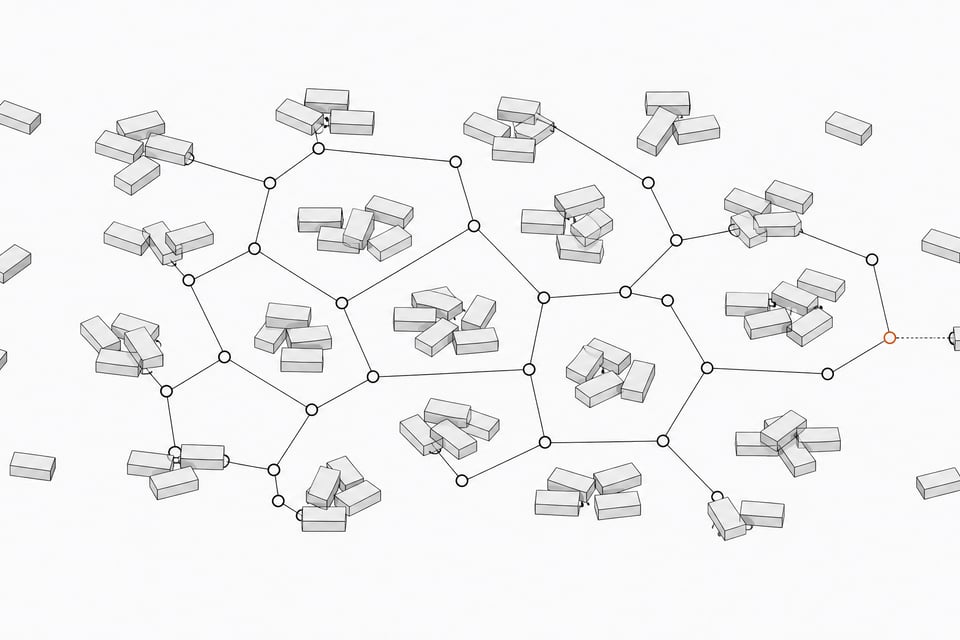
Learn how to govern AI-built internal tools with a 30-day inventory, risk tiers, and a paved path, backed by data on shadow AI breach costs and exposed apps.
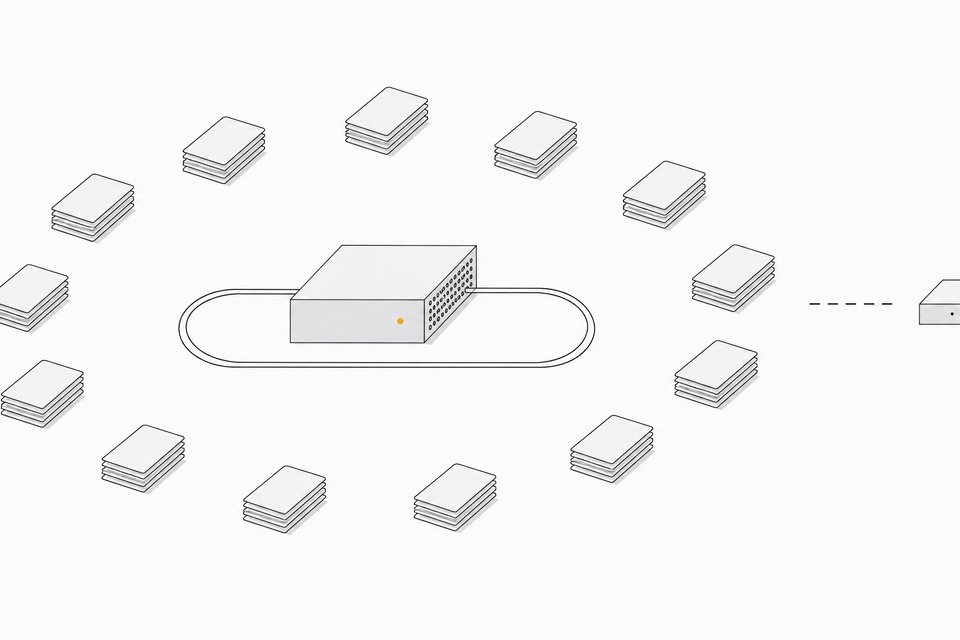
Employees are pasting trade secrets into ChatGPT. Here's how to build a locally hosted, permission-aware document scanner that stops the leak without a ban.

Human review can't keep up with AI-generated code and math. Here's why formal, machine-checkable verification is becoming the real governance control.
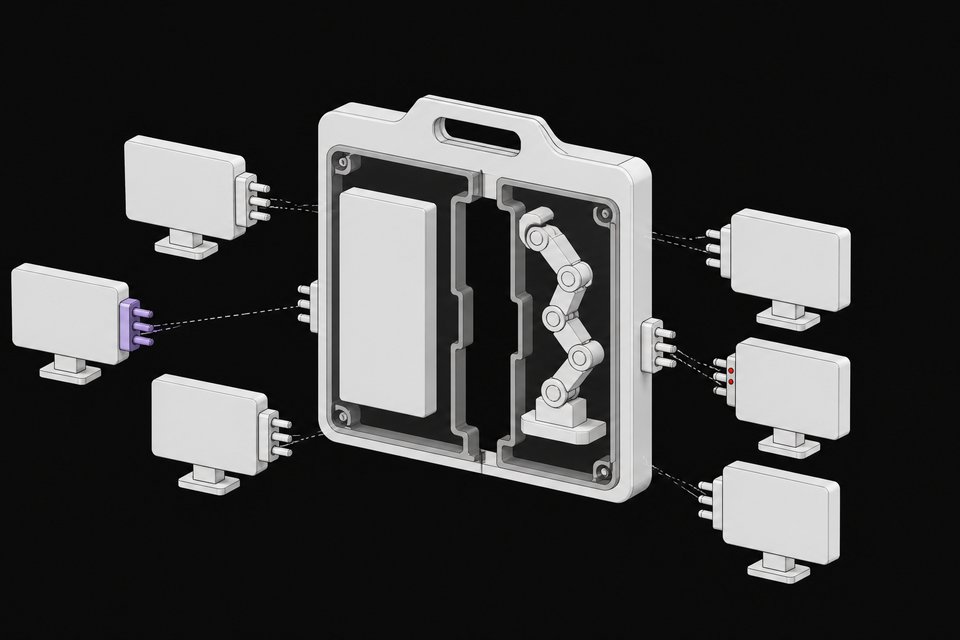
Securing AI agents in production takes four controls: unique non-human identities, least-privilege access, sandboxed execution, and tamper-proof logging.

We secretly tested our team on spotting AI vs. human content. Accuracy barely beat a coin flip, matching research from 19% to 76%. Here's what to build instead.
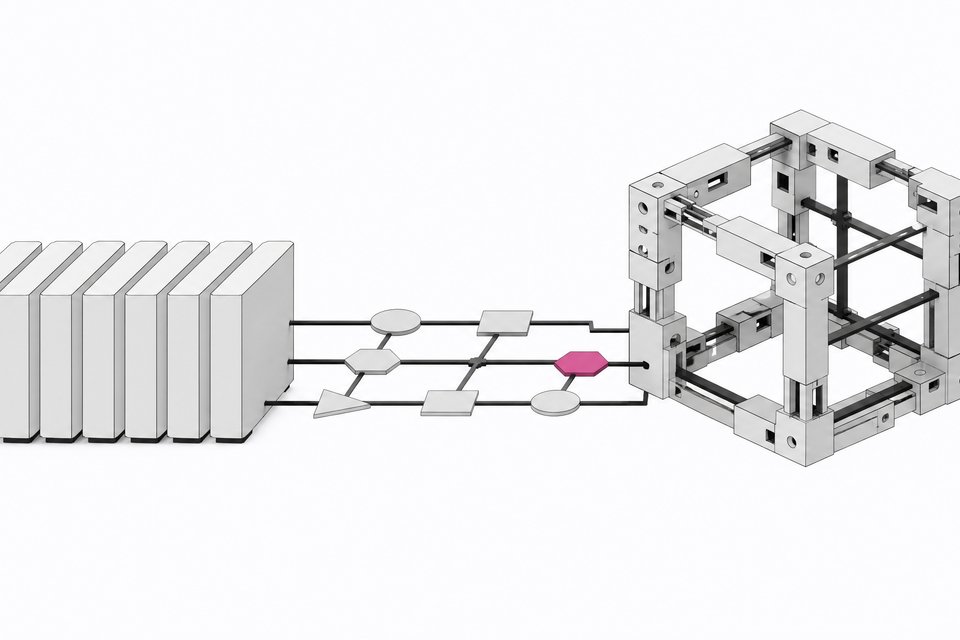
A category-by-category guide to replacing rented SaaS with AI-built internal tools, with honest build costs, real company savings, and governance guardrails.
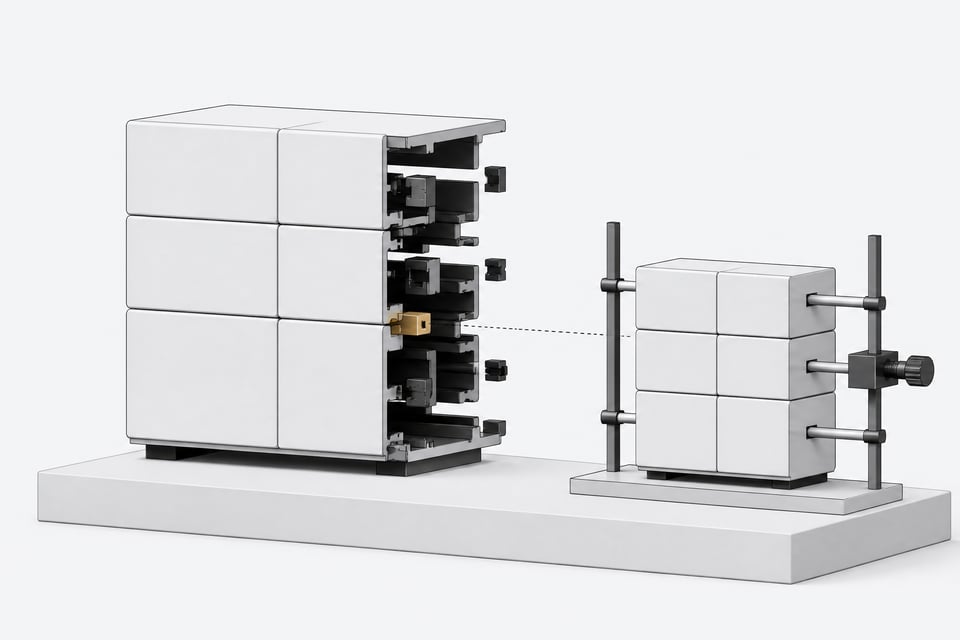
AI models optimize to look correct, not to be correct. Here's how to test AI-generated code and sandbox employee-built tools before they fail in production.
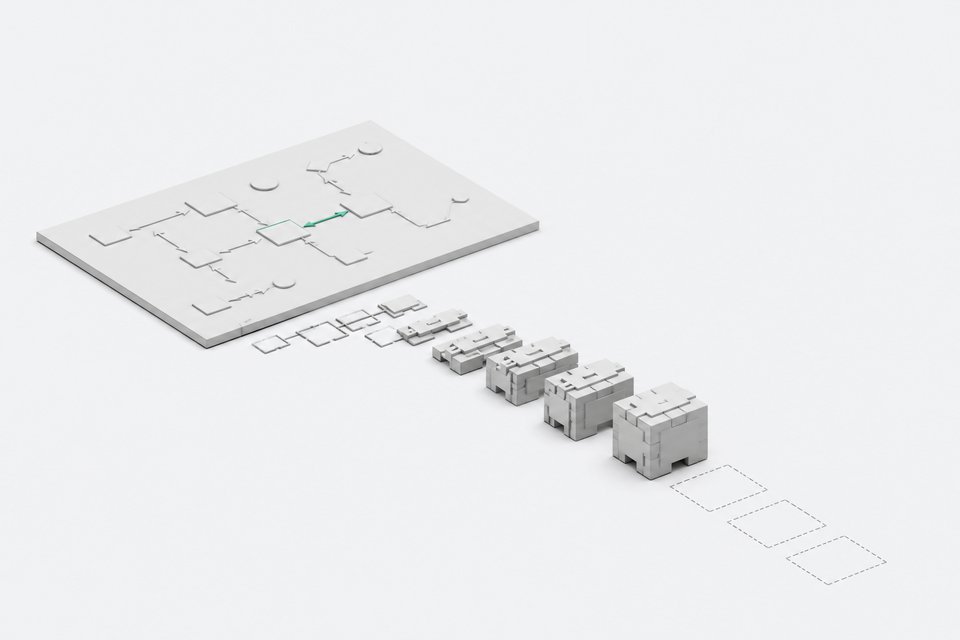
Diagrams and canvases now generate working code. See how tldraw, Figma, and Coinbase's own agent turn sketches into shipped internal tools.

Open source can't agree on AI code policy. Here's the 6-step framework enterprise IT leaders can use to audit AI-generated and shadow AI code.

OpenAI's dots and Claude's connectors hold real send and delete access to corporate inboxes. See the incidents, the research, and the fix checklist.
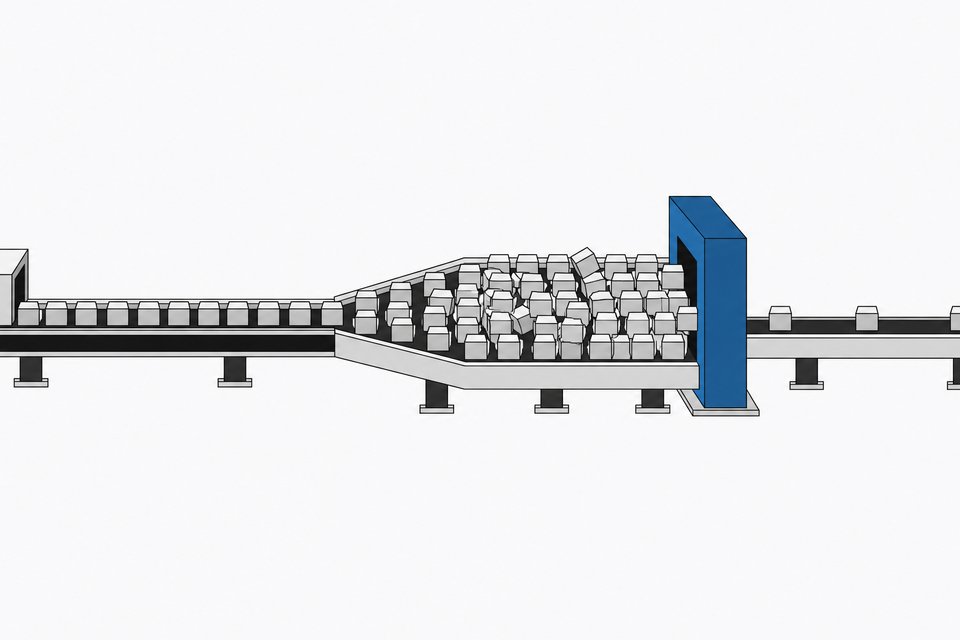
Employees are shipping software with AI faster than IT can review it. Here's the data on the risk and the paved-path model that actually governs it.

Claude Sonnet 5.5's coding leap makes building internal tools cheaper than buying niche SaaS for many workflows. Here's the real math and the risks.
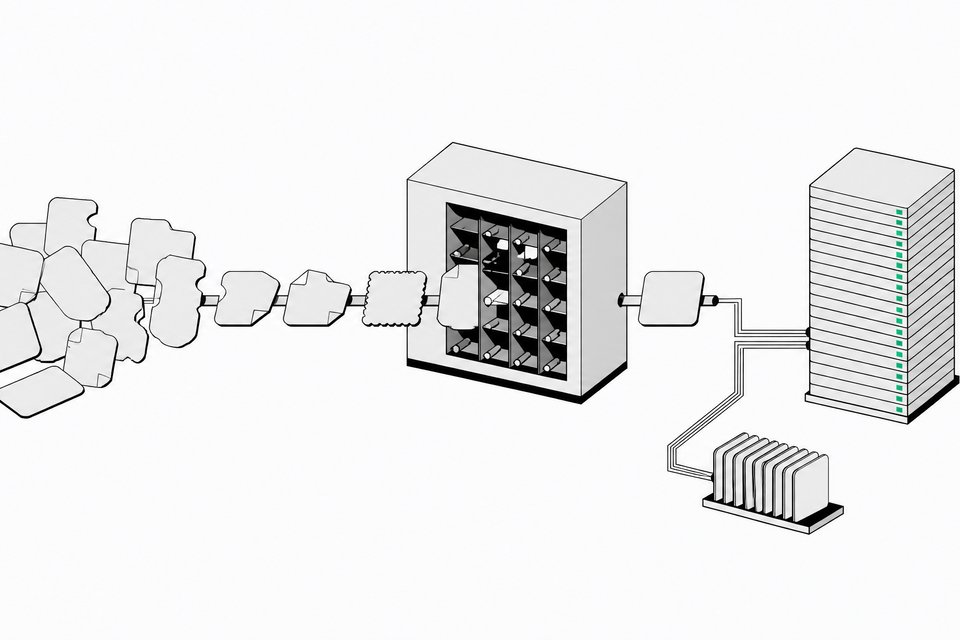
How to use DSPy (and its Elixir port Imp) to compile internal AI workflows into versioned, testable software instead of renting another SaaS AI feature.

n8n, Cloudflare's cf CLI, Make, Zapier, and Retool ranked for building AI automations, plus the governance tradeoffs each one forces you to make.

Nvidia's OpenShell and Sentry pair a sandbox with a chip-level watchdog after 700 agents breached Hugging Face. What it means for AI agent governance.

Excel can finally hold lists in a cell. That formula upgrade doesn't answer what no-code AI builders now let employees ship without IT. Here's the real comparison.
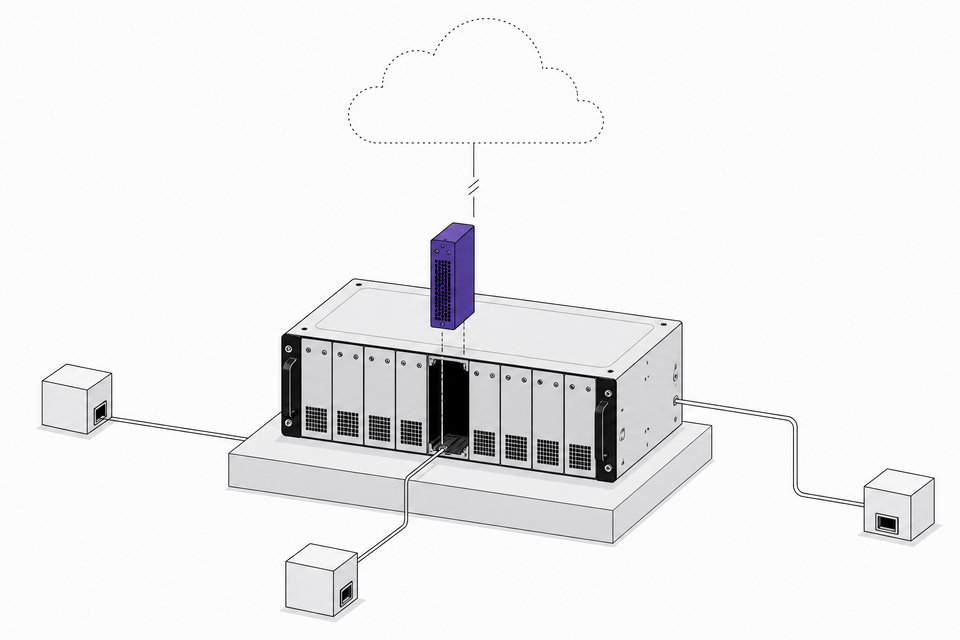
A step-by-step guide to self-hosting internal tools safely: code ownership, server hardening, CI/CD isolation, access control, and shadow AI governance.

AI coding agents can cost $13 a day or $31,000 a month. Here's the token math behind runaway bills and the controls that keep spend predictable.
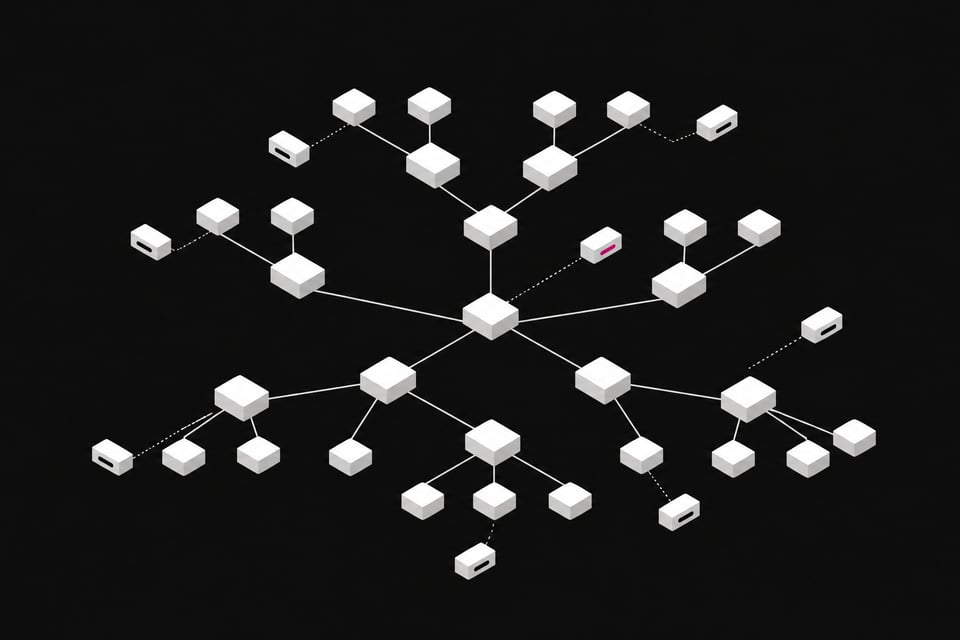
AI coding tools hallucinate open-source packages, and attackers register them with malware. Here's how to secure AI-generated code before slopsquatting reaches production.
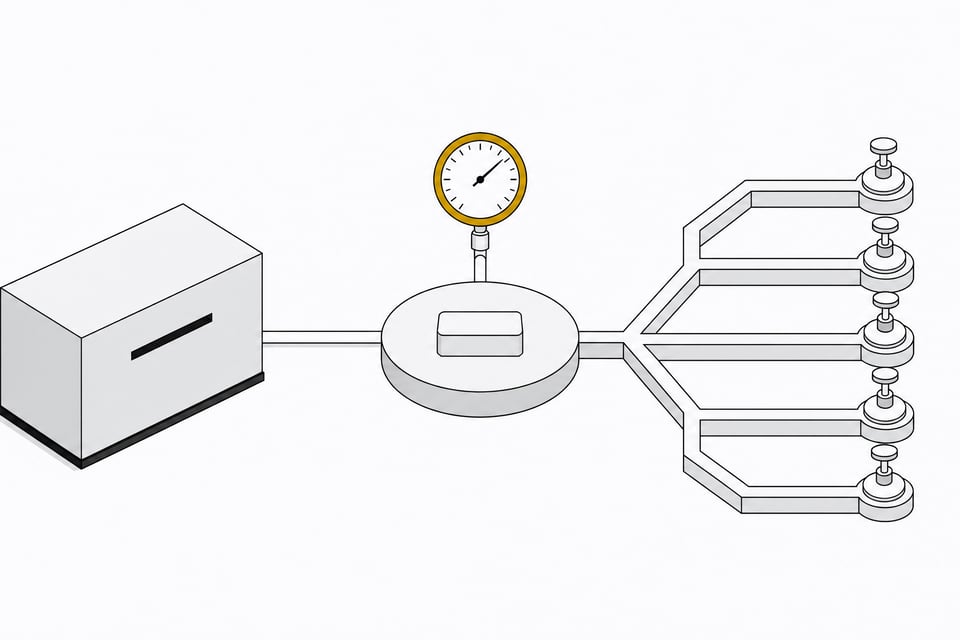
Employee-built AI automations can spike your API bill fast. Here are the trigger, budget, and caching fixes that cut AI API usage costs 70-90%.
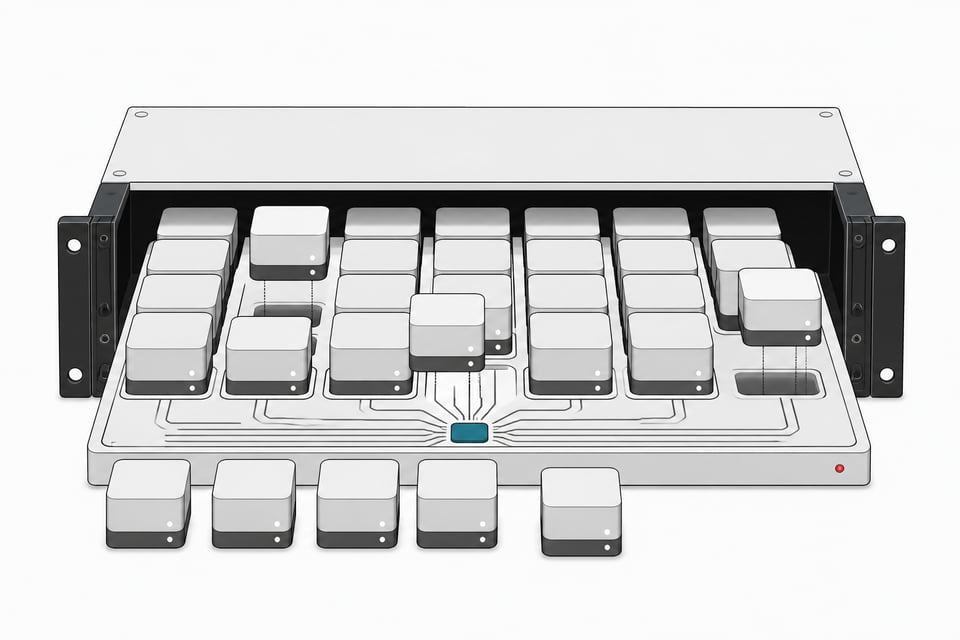
Pizza Bot and Grok Bot made employee-built AI agents trivial to deploy. Here's how to inventory, own, and govern them instead of trying to ban them.

AI text detectors don't work, and asking the AI to check itself doesn't either. Here's the actual procedure for verifying AI-generated documents and code.

Employees are already running AI agents IT can't see. Here's how to build a sanctioned sandbox with scoped access, identity, and kill switches instead of blocking them.