Mercury 3 is a diffusion LLM that hits 1,068 tokens/s. See how it differs from autoregressive models and how it compares with Haiku 5.5 and GPT-6 Luna.
diffusion LLMMercury 3 benchmarksMercury 3 vs Claude Haiku 5.5
Mercury Decide returns an answer and probability in about 0.16 seconds, now with images. How it works, its independent evals, and how to pair it with Mercury 3.
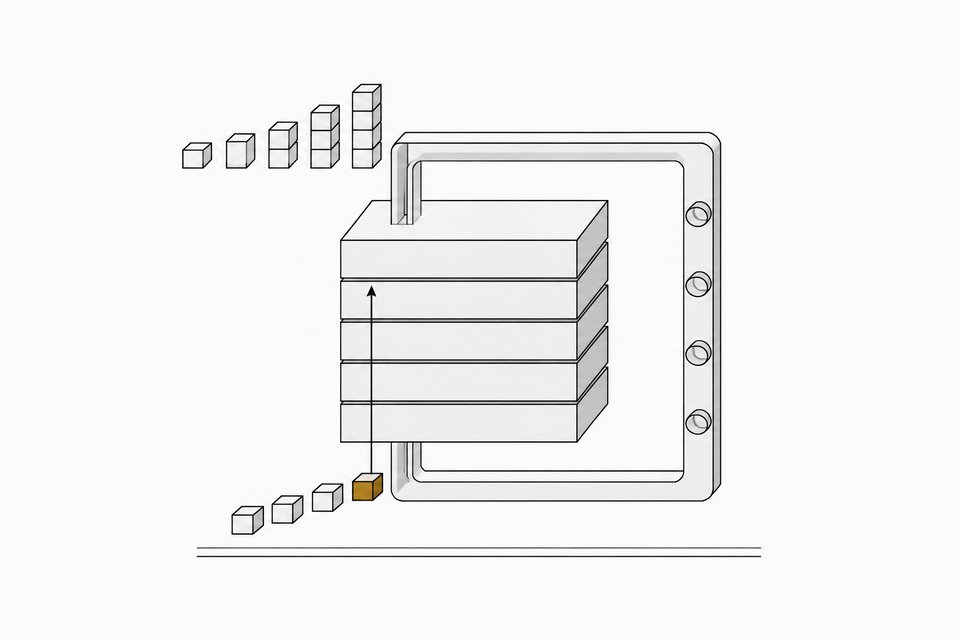
Dory1.0-4B is NVIDIA's looped 4B language model that reuses a shared layer block to scale compute per token. Architecture, loop counts, and benchmarks.
Nemotron Dory 1.0 4Blooped language modellatent recurrent LLM
Compare AI decision models like Jev, OpenAI's Decisions API, and Laya with LLMs: how they work, cost, latency, benchmark results, and when to use each.
AI decision modelsdecision models vs LLMsJev model
Jev made fast, cheap decision models mainstream. CLM makes them self-hostable and fine-tunable. A numbers-first comparison of speed, cost, accuracy, and ownership.
CLM vs JevSystem 1 decision modelsJev decision model
RLCD trains models like Jev to output calibrated decisions, not text. Here's how it works, the real speed and cost numbers, and why 'can't hallucinate' isn't 'can't be wrong.'
Jev-class decision models trade text generation for typed choices, scores, and probabilities, running 40-400x cheaper and up to 200x faster than chat LLMs.
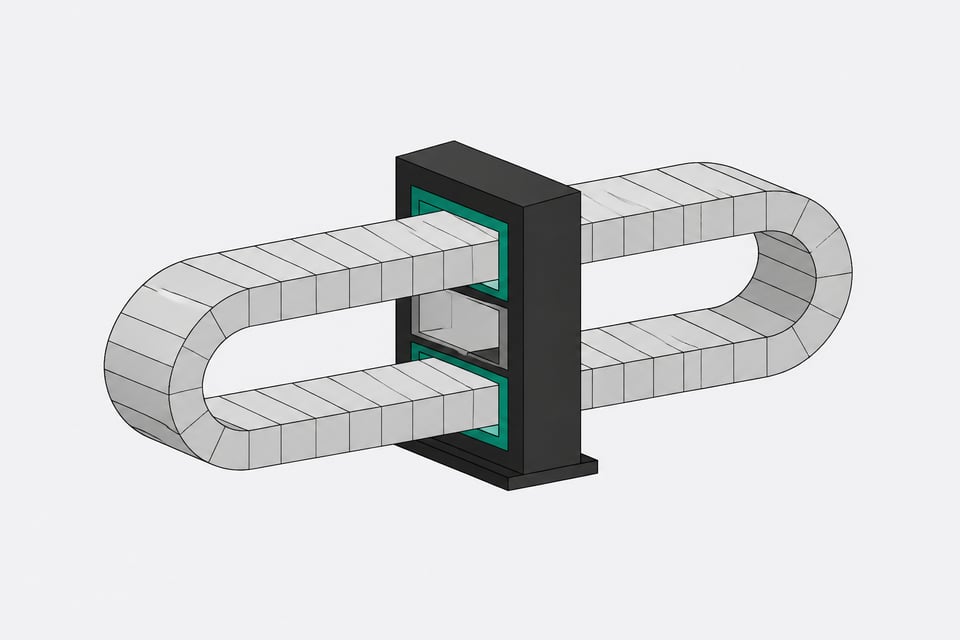
Looped transformers reuse the same layers repeatedly to reason in hidden math, not words. Here's how they work, why OpenAI's Astra uses them, and the safety tradeoff.
AI world modeling means predicting the next state of an environment, not just the next word. Here's what it is, where it came from, and why it matters for coding agents.