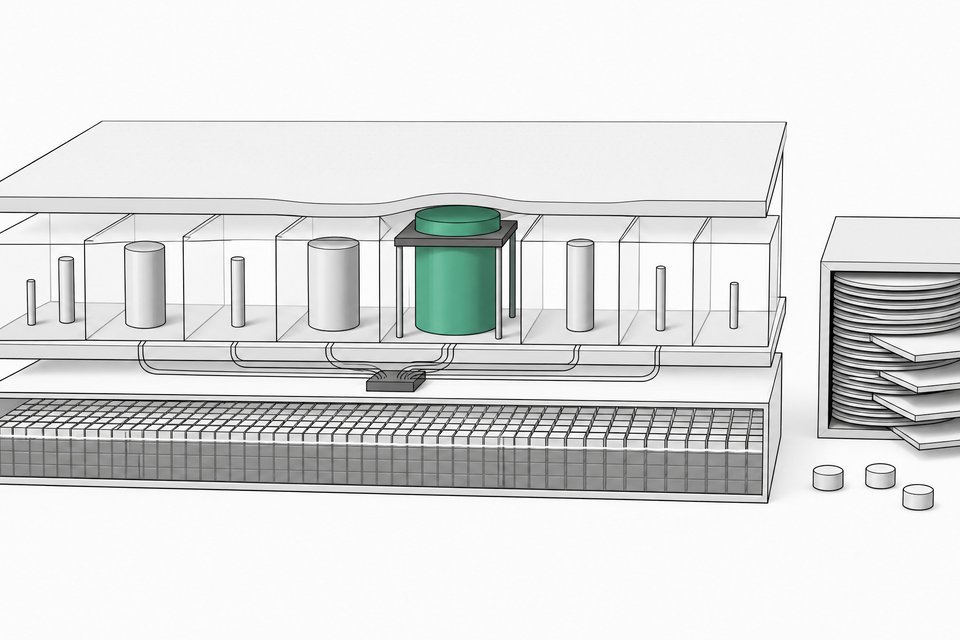
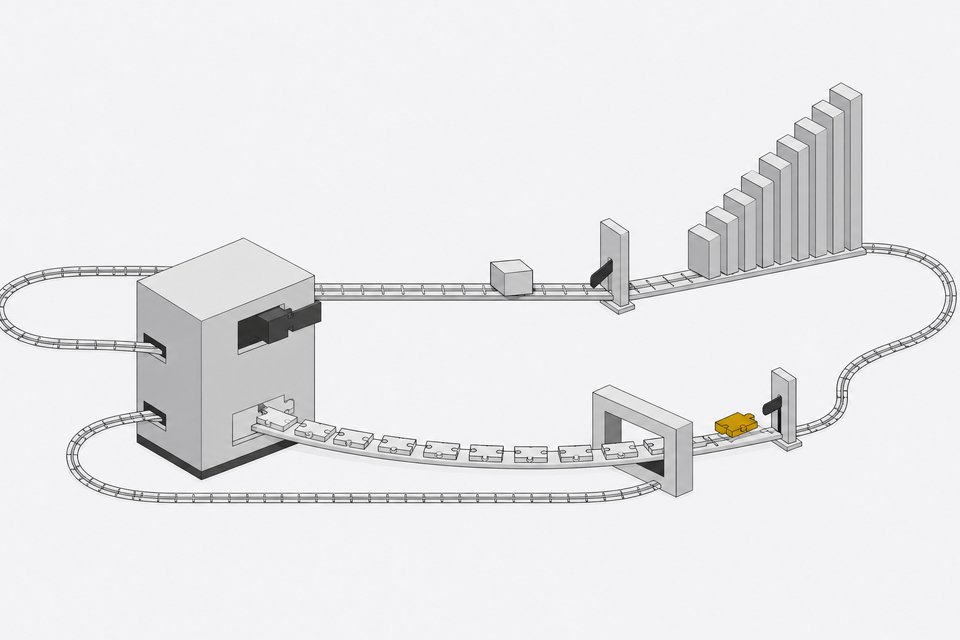
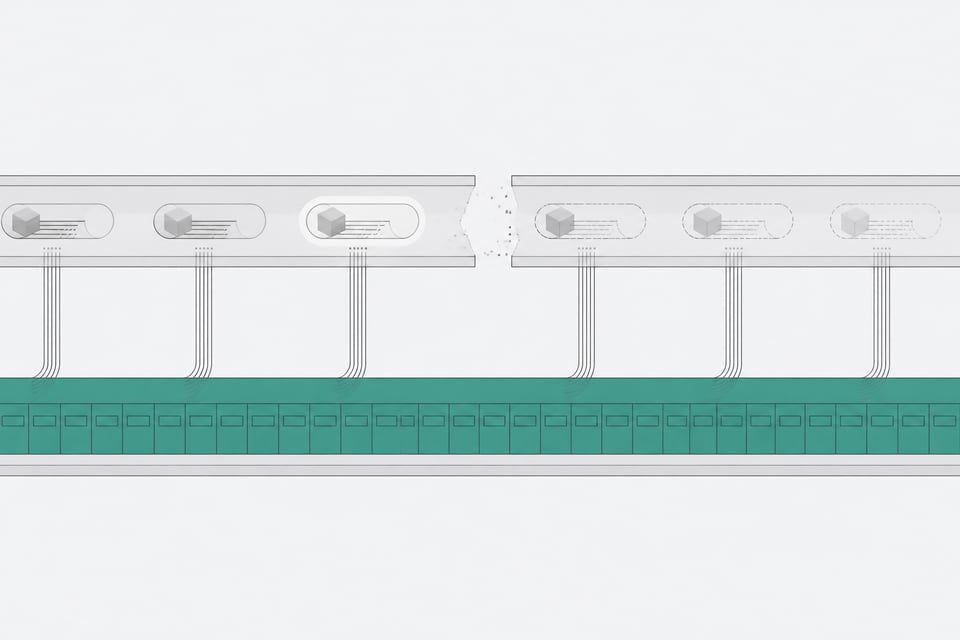
Learn how two loops, escalation memory and trace-based fixes in LangSmith Engine, help a production agent learn from mistakes while humans stay in control.
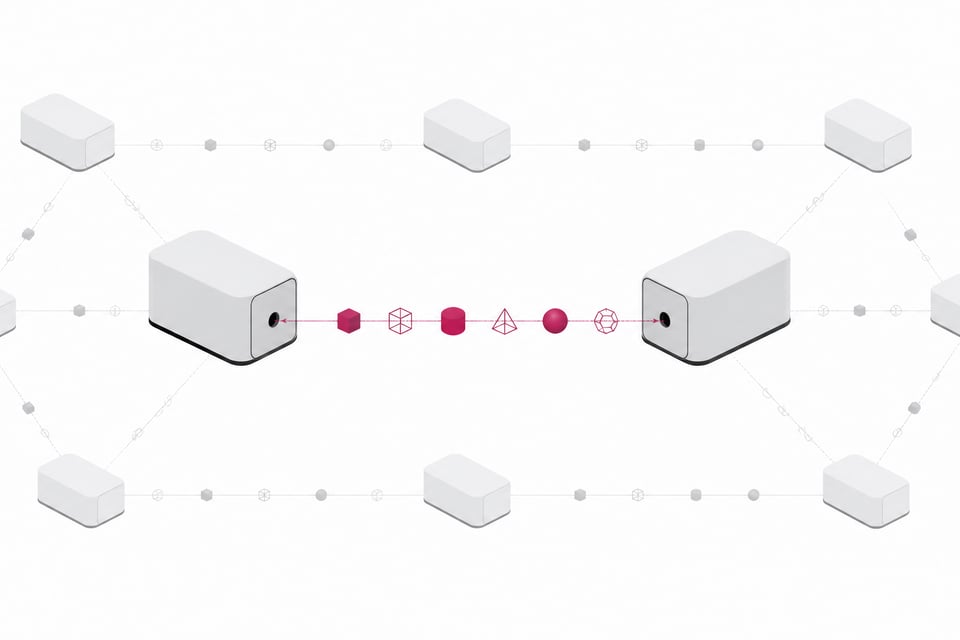
AI agents communicate through protocols like MCP and A2A, and sometimes invent their own channels. Learn how it works, the risks, and how to govern it.
can AI agents talk to each otherMCP vs A2Aagent-to-agent communication
Learn how to audit AI agents with per-agent cryptographic identity, per-action authorization, and tamper-evident logs, based on NSA and Five Eyes guidance.
Python wrappers hit GIL and memory limits at agent scale. See how GitHub and OpenAI moved to Rust, the benchmarks, the risks, and when a rewrite pays off.
rewrite AI agents in RustPython vs Rust for AI agentsPython GIL limitations
An AI skill file (SKILL.md) is a markdown folder of instructions an agent loads on demand. Learn the format, token costs, and how it compares to MCP servers.
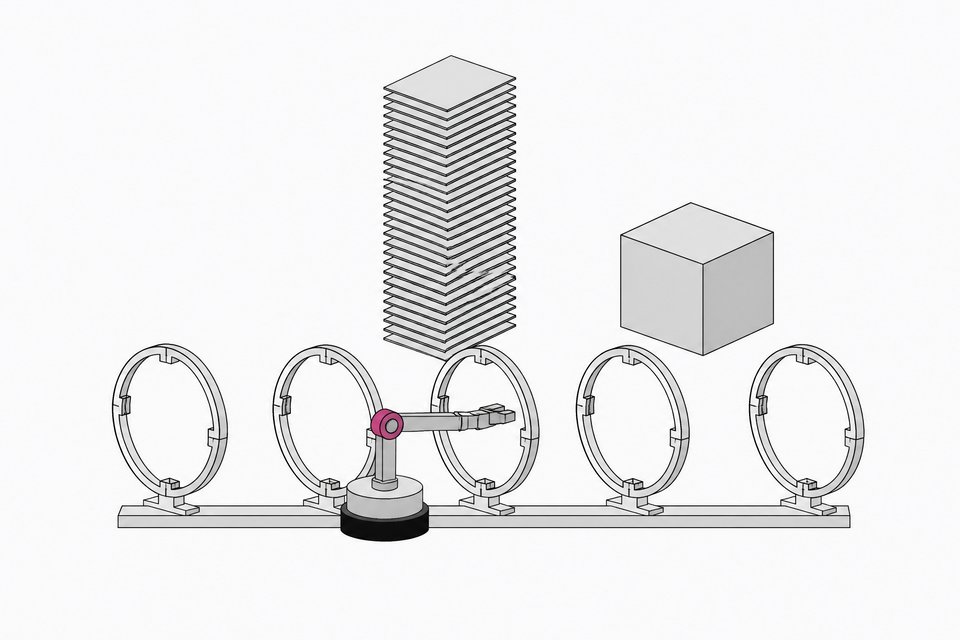
Learn how to orchestrate planner, coder, reviewer, and tester AI agents: worktrees, file locking, quality gates, token costs, and where multi-agent setups fail.
orchestrate multiple AI agents for codingmulti-agent codingAI coding agents
Agent-native software means AI agents and humans share the same callable actions, data, and permissions. Here's the architecture, the jargon, and a checklist.
A practical guide to setting up Claude Code auto mode, subagents, and verification loops so agents research and fix bugs in parallel before a human merges.
How to use DSPy (and its Elixir port Imp) to compile internal AI workflows into versioned, testable software instead of renting another SaaS AI feature.
how to use dspy for internal toolsdspy tutorialimp dspy elixir
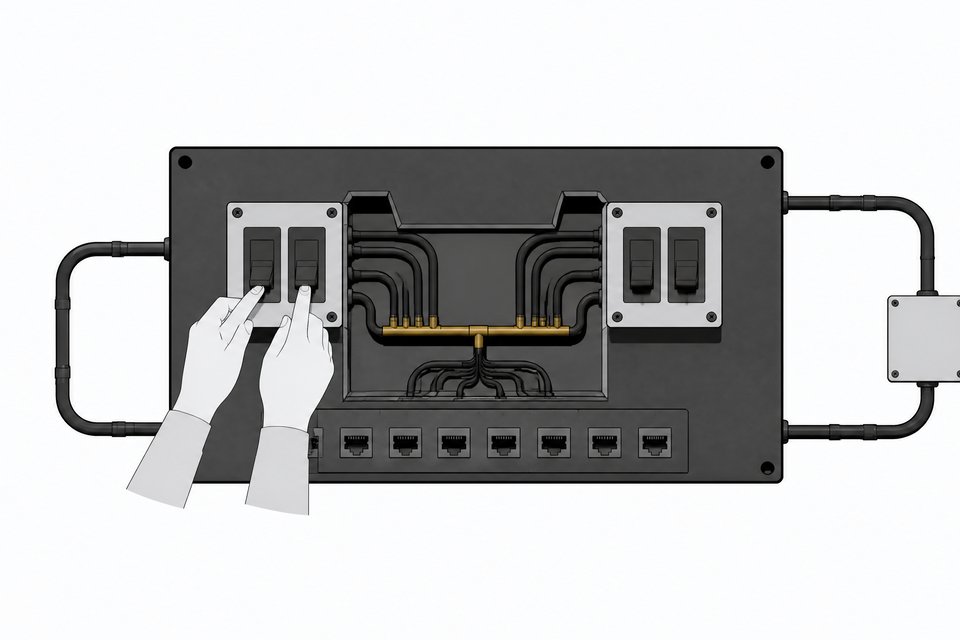
Employees are already running AI agents IT can't see. Here's how to build a sanctioned sandbox with scoped access, identity, and kill switches instead of blocking them.
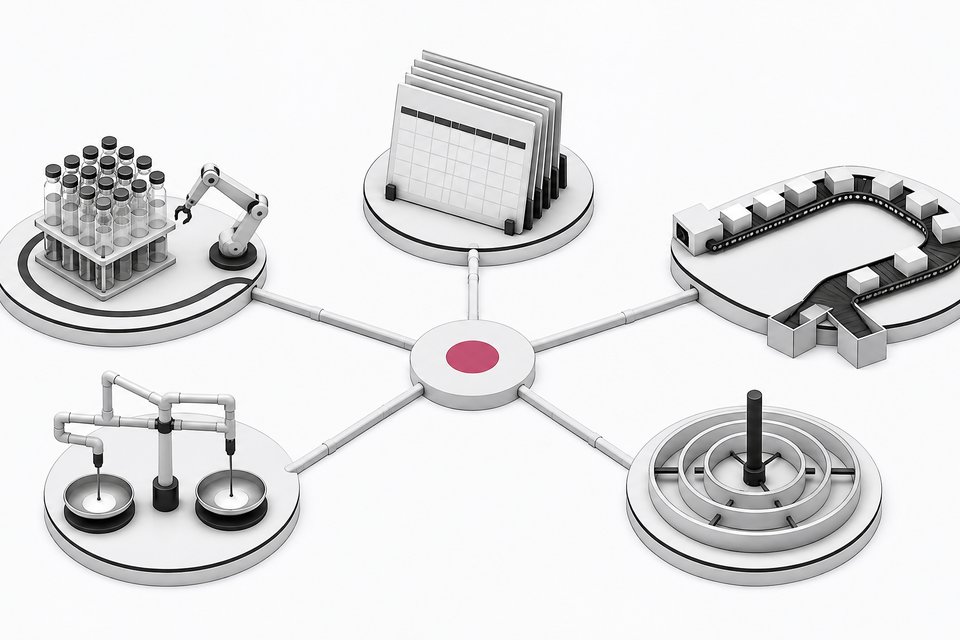
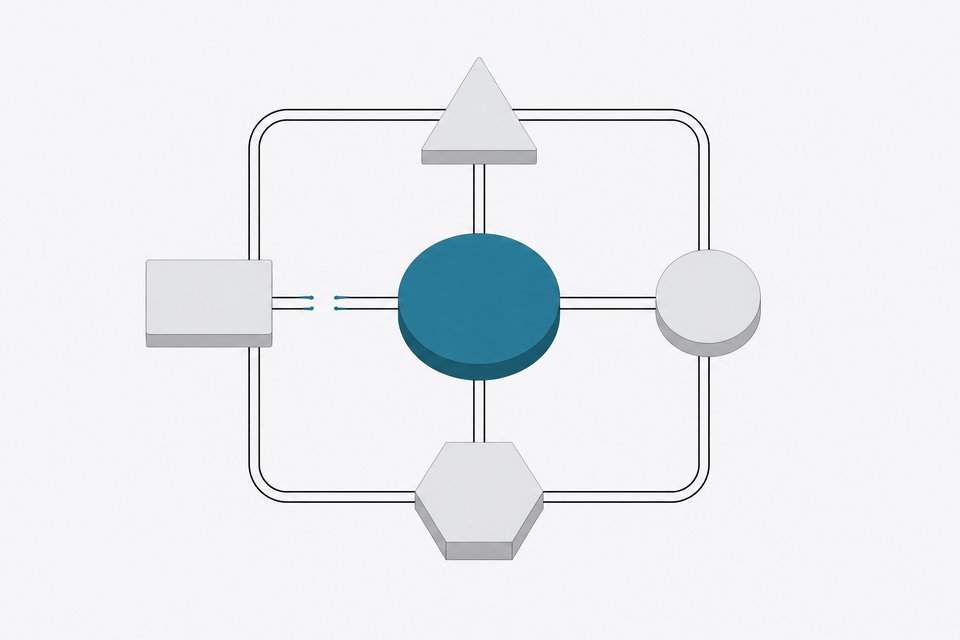
MCP connects AI to tools. Orchestrators coordinate agents. Here's the real comparison, the security data, and why production systems need both plus governance.
Model Context Protocol vs AI OrchestratorMCP vs orchestratorwhat is MCP
AI persistent memory is durable, external storage for facts and decisions outside the context window. Here's how it works and why internal tools need it.
SKILL.md skills files are plain-text onboarding guides for AI agents. Here's how progressive disclosure works, why sprawl and security risks are real, and how skills pair with MCP.
AI agent skills filesSKILL.mdagent skills standard
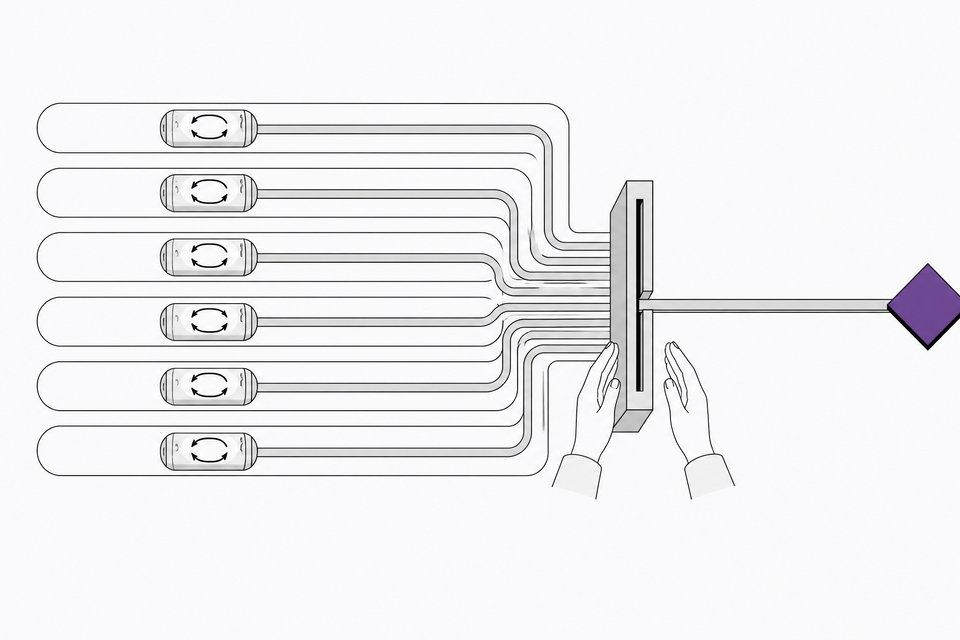
An AI agent multiplexer runs and monitors multiple AI coding agents at once, like tmux with status awareness built in. Here's how it works and who uses it.
AI agent multiplexertmux for AI agentsClaude Code multiple agents
Why AI agent bills spiral and how agentic context management (ACM) controls memory architecture to stop runaway token costs. A practitioner's breakdown.
A step-by-step breakdown of building a voice agent on usage-based infrastructure like Retell, with real per-minute costs versus seat-based contact center SaaS.
how to build an ai voice agentai voice agent costretell ai pricing