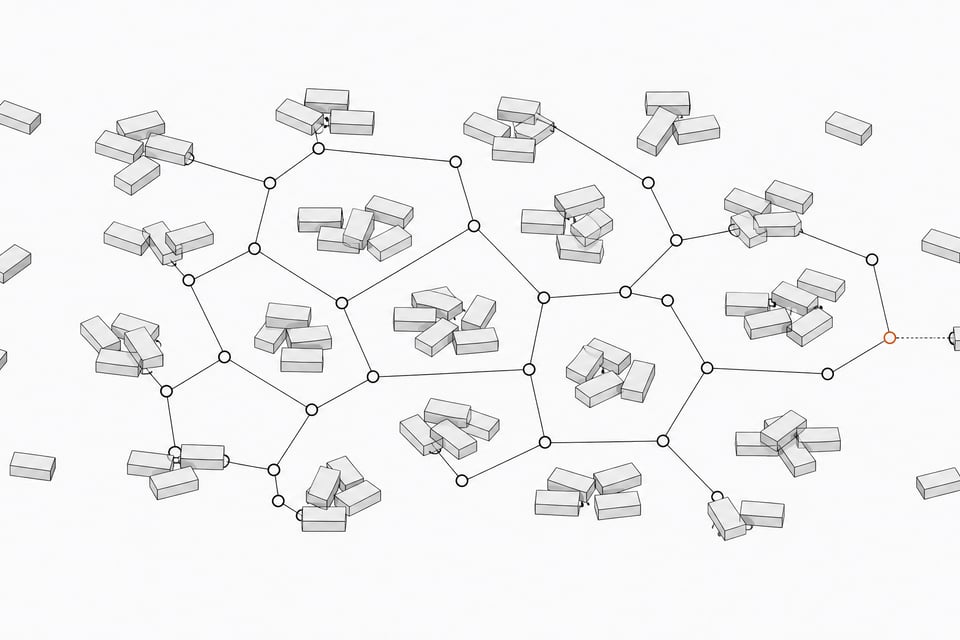
How to Govern AI-Generated Internal Tools Without Slowing Teams
Learn how to govern AI-built internal tools with a 30-day inventory, risk tiers, and a paved path, backed by data on shadow AI breach costs and exposed apps.
How companies adopt AI: policy and compliance, reviewing AI-generated code, enterprise rollouts, and how jobs and teams are changing.
Learn how to govern AI-built internal tools with a 30-day inventory, risk tiers, and a paved path, backed by data on shadow AI breach costs and exposed apps.
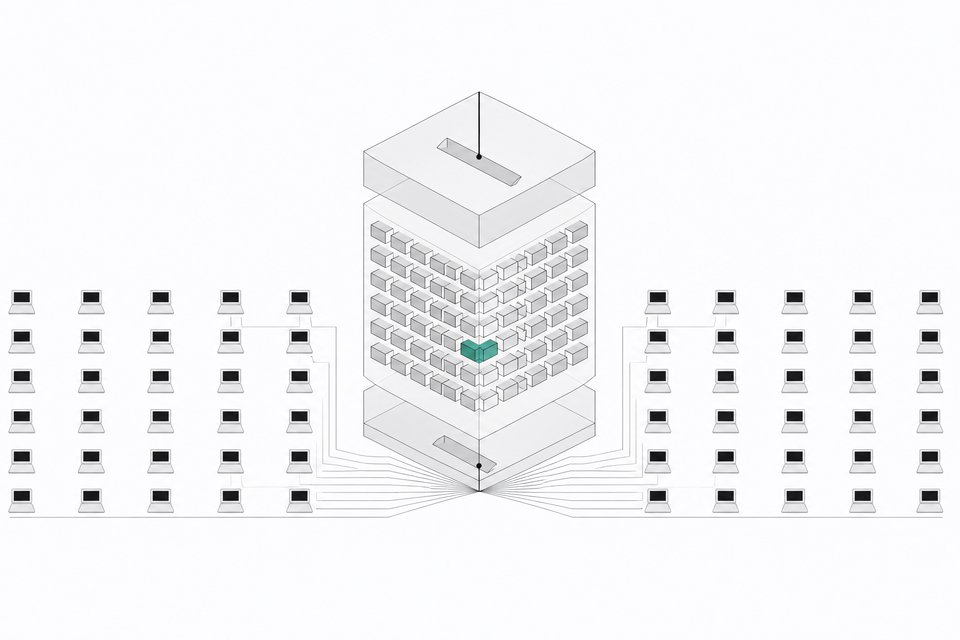
Morgan Stanley AIMS is a GPT-4 assistant searching 100,000+ documents for 16,000 advisors. See how it works, its compliance guardrails, and eval setup.

Kaiser Permanente's ambient AI scribe reached 7,260 physicians and 2.5M encounters. See the NEJM results, the Nabla to Abridge switch, and QA guardrails.

Block AI content in search with Google's udm=14 filter, uBlock Origin blocklists, Slop Evader, and AI-filtering engines like Kagi and DuckDuckGo.

Learn how to evaluate internal AI coding tools using adoption, retention, PR throughput, and developer satisfaction instead of SWE-bench leaderboard scores.

Compare Portkey, Kong, LiteLLM, Cloudflare, and AWS Bedrock on PII redaction, compliance certifications, and data residency to stop shadow AI data leaks.

Which software engineering skills matter when AI writes the code? Learn five: directing agents, verifying output, system design, governance, and ownership.
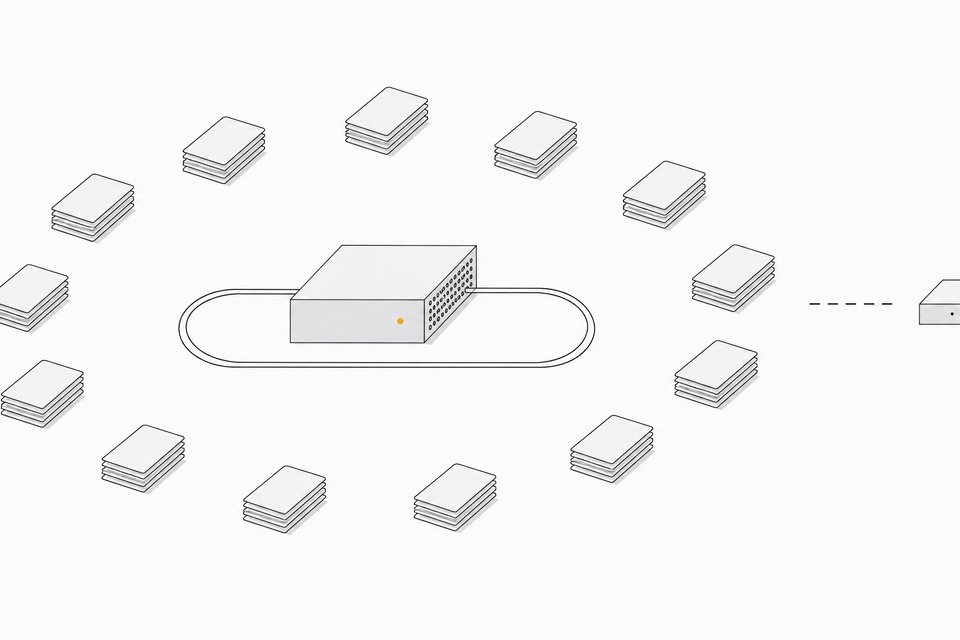
Employees are pasting trade secrets into ChatGPT. Here's how to build a locally hosted, permission-aware document scanner that stops the leak without a ban.

AI coding assistants cut keystrokes and seem to ease RSI for some developers, but burnout keeps rising. Here's what the data actually shows.

We secretly tested our team on spotting AI vs. human content. Accuracy barely beat a coin flip, matching research from 19% to 76%. Here's what to build instead.
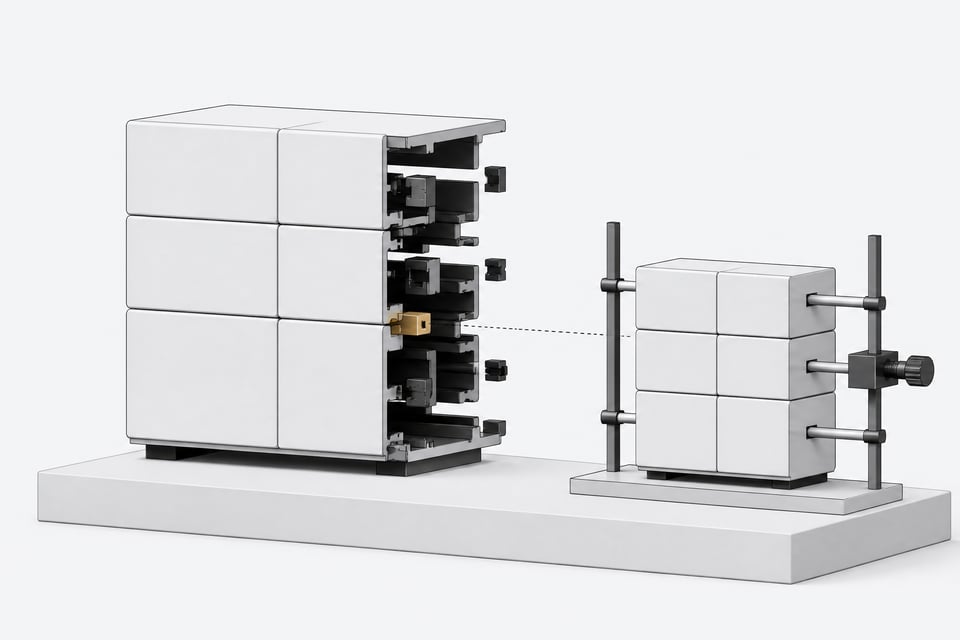
AI models optimize to look correct, not to be correct. Here's how to test AI-generated code and sandbox employee-built tools before they fail in production.

ChatGPT can read a 1040 or W-2, but accuracy is spotty and your data's fate isn't yours to control. Here's what uploading your return really risks.

Open source can't agree on AI code policy. Here's the 6-step framework enterprise IT leaders can use to audit AI-generated and shadow AI code.

AI isn't replacing web developers. It's automating boilerplate. Here's what BLS, Anthropic, and SignalFire data show about the real job shift.

Employees are shipping software with AI faster than IT can review it. Here's the data on the risk and the paved-path model that actually governs it.

AI text detectors don't work, and asking the AI to check itself doesn't either. Here's the actual procedure for verifying AI-generated documents and code.

Employee-built AI automations inherit a frozen model worldview. Here are 5 ways training cutoffs and model drift quietly break shadow-built tools.

Long-running agents like Astra now work unsupervised for days. Here's why IT governance built for software licenses fails, and the framework that replaces it.

AI writes the code and runs incident response, but no one understands the system that broke. Here's the governance gap turning outages into crises.
Chrome killed uBlock Origin's full power for good. Here's why enterprise policy couldn't stop it, and which browsers and tools IT teams can still govern.

Employees built a shadow layer of business logic into ChatGPT's memory and custom instructions. Here's how to govern it before it walks out the door.

Employees are building agent swarms with no registry, identity, or owner. Here's the governance model to manage AI agents in the enterprise without banning them.

Debian, the Linux kernel, and GCC just codified AI code rules. Here's how to turn their disclosure and accountability framework into your company's policy.

A practical workflow for reviewing AI-generated code: acceptance gates, risk-based routing, dependency scanning, and where human review still matters most.