
How to Audit AI-Generated Code in the Enterprise: The 6-Step Framework
Open source can't agree on AI code policy. Here's the 6-step framework enterprise IT leaders can use to audit AI-generated and shadow AI code.
What new AI models and tools can do, what they cost, how they compare, and how to run them yourself.
Open source can't agree on AI code policy. Here's the 6-step framework enterprise IT leaders can use to audit AI-generated and shadow AI code.

AI isn't replacing web developers. It's automating boilerplate. Here's what BLS, Anthropic, and SignalFire data show about the real job shift.

What is a zero-knowledge proof in software? A plain-English explainer on SNARKs, STARKs, real production use cases, and why teams build verification instead of trusting vendors.

Enterprises spend $12.5B a year renting frontier AI APIs. Here's the distillation pipeline that turns that spend into owned models, 75-98% cheaper to run.

Microsoft folded personal Copilot back into its corporate product. Here's how Opus 5.5 and Jev let you build a cheaper, faster workflow instead.
Copilot+ PCs launched in 2024 with big claims. Two years of weak sales, Recall's security backlash, and enterprise indifference later, here's what actually happened.

AI vendors need trillions in new revenue, so agent pricing is shifting from flat seats to metered billing you can't forecast. Here's why that's a bad bet.

OpenAI's dots and Claude's connectors hold real send and delete access to corporate inboxes. See the incidents, the research, and the fix checklist.
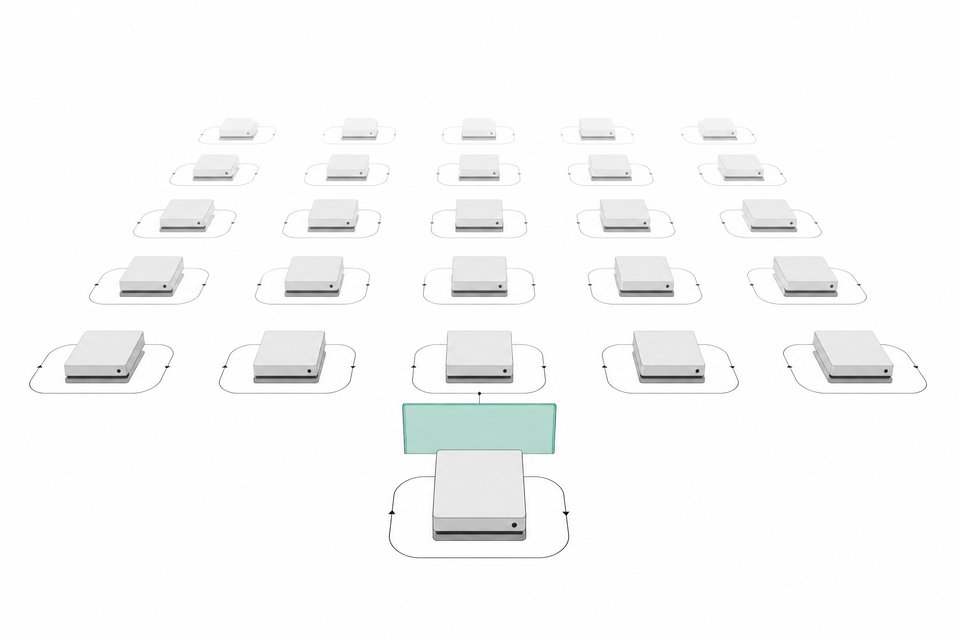
OpenAI's Dots turn ChatGPT into a standing, always-on agent with its own cloud computer. Here's how it works, what it can't do alone, and what it costs.
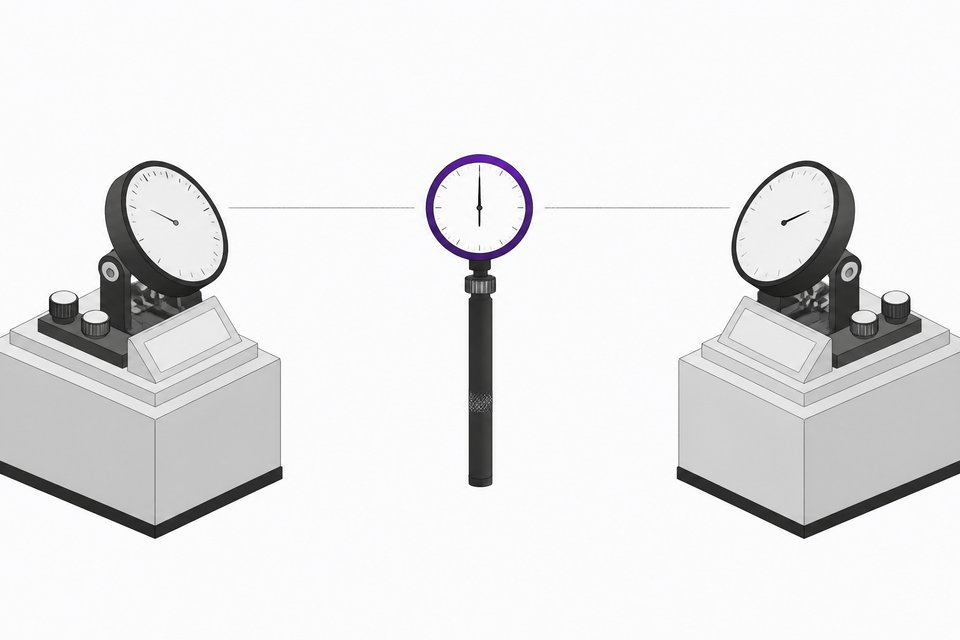
Vendor benchmarks for GPT-6.1 Sol and Claude Opus 5.5 barely overlap. Here's what independent evals, aggregators, and drift trackers show.

Real, documented cases of AI abuse in enterprise software: from DraftKings' predatory betting model to state-linked hackers running autonomous exploit foundries.

Step-by-step KVM/VFIO GPU passthrough guide: IOMMU, VFIO binding, libvirt/Proxmox config, and model serving for near-native local AI coding agents.

GLM-5.3-Flash and 512GB unified-memory hardware make local AI practical in 2026. Here's the setup, the real cost math, and when renting still wins.
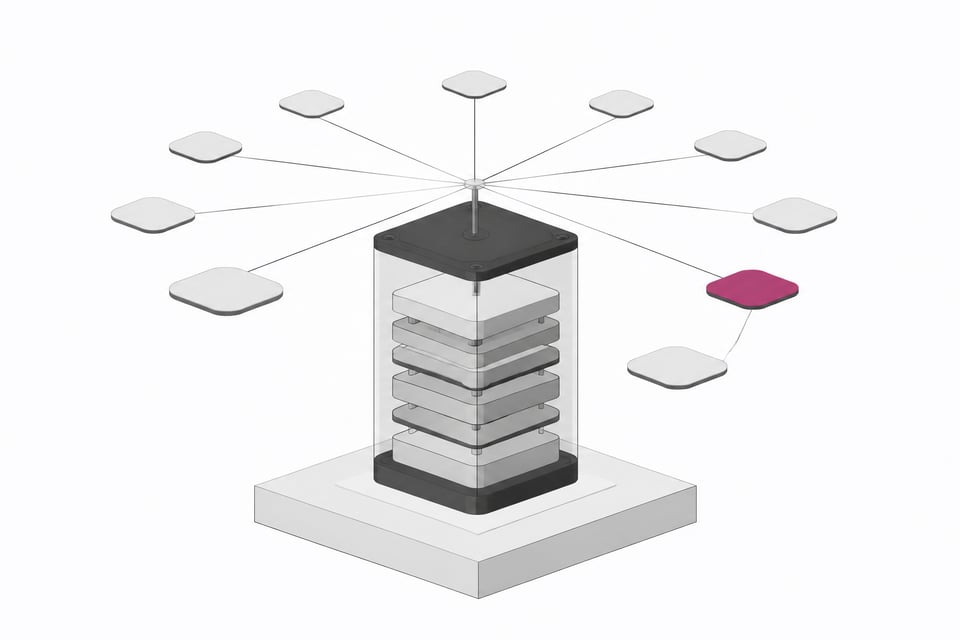
Open-weight models now rival GPT-4o and o1. Here's how to run an AI agent locally: hardware, quantization, MCP tool access, and the real cost math.

Jev made fast, cheap decision models mainstream. CLM makes them self-hostable and fine-tunable. A numbers-first comparison of speed, cost, accuracy, and ownership.

A $20M yacht-broker lawsuit shows how AI is undercutting middleman economics, plus the real data on when building internal tools beats buying SaaS.
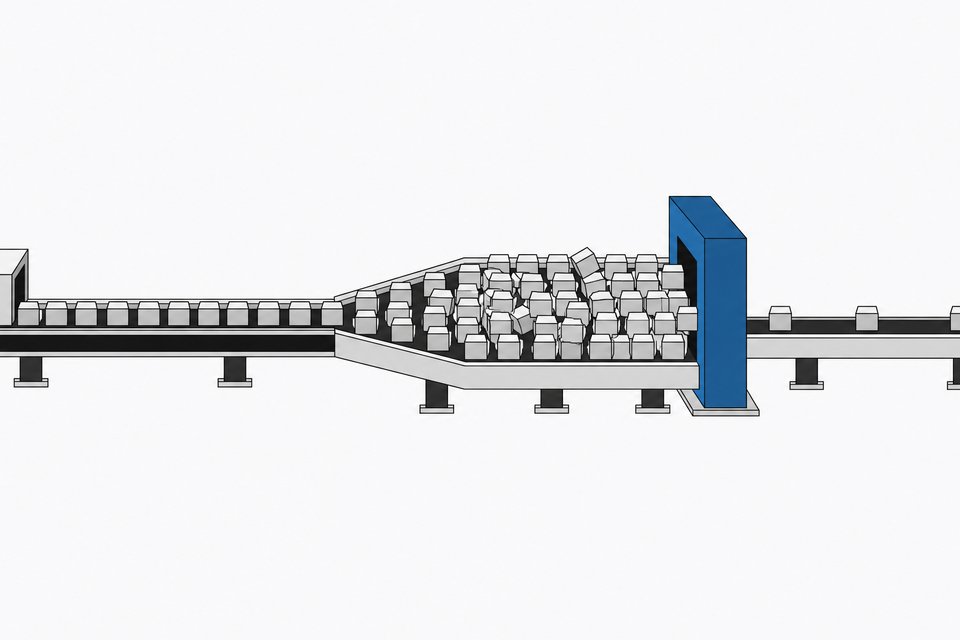
Employees are shipping software with AI faster than IT can review it. Here's the data on the risk and the paved-path model that actually governs it.

Claude Sonnet 5.5's coding leap makes building internal tools cheaper than buying niche SaaS for many workflows. Here's the real math and the risks.
Developers are burned out by shallow AI prompting. The fix: redirect AI toward boilerplate and owned internal tools, not another rented SaaS subscription.

Run AWS, Azure, and GCP equivalents locally with LocalStack, Azurite, MinIO, and Testcontainers, and cut cloud dependency out of dev and test.
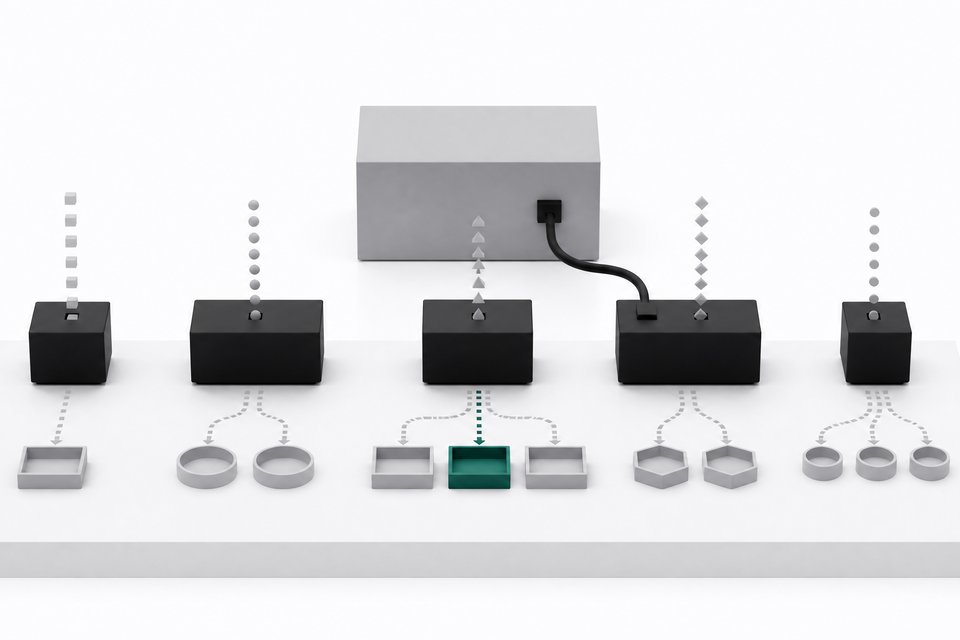
Jev, Julia-1, Ember-1, Bonsai 2, and OrcaSAQ2: five tiny, permissive models that run classification and reasoning on local hardware for near-zero cost.
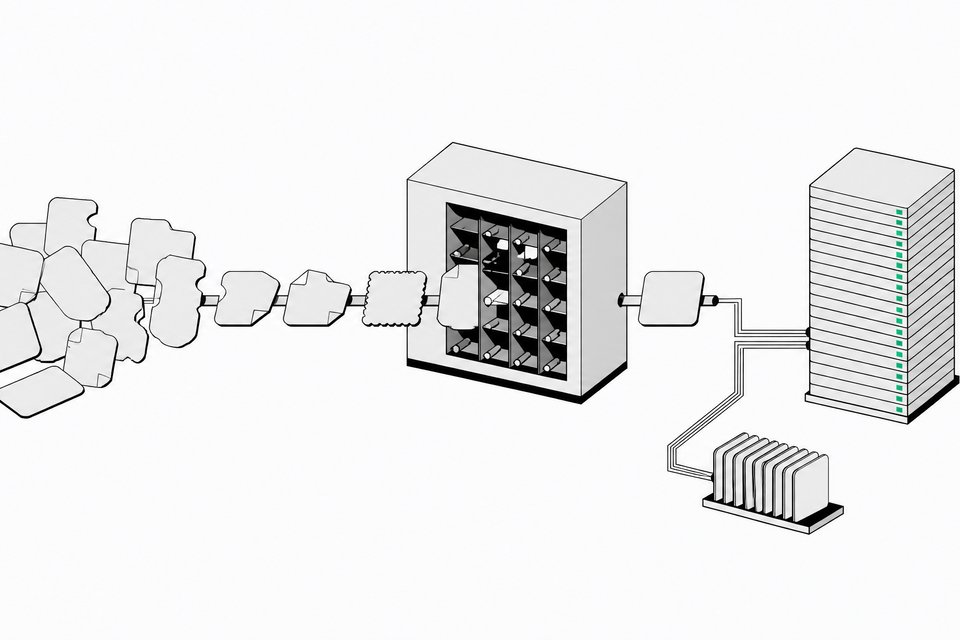
How to use DSPy (and its Elixir port Imp) to compile internal AI workflows into versioned, testable software instead of renting another SaaS AI feature.

n8n, Cloudflare's cf CLI, Make, Zapier, and Retool ranked for building AI automations, plus the governance tradeoffs each one forces you to make.
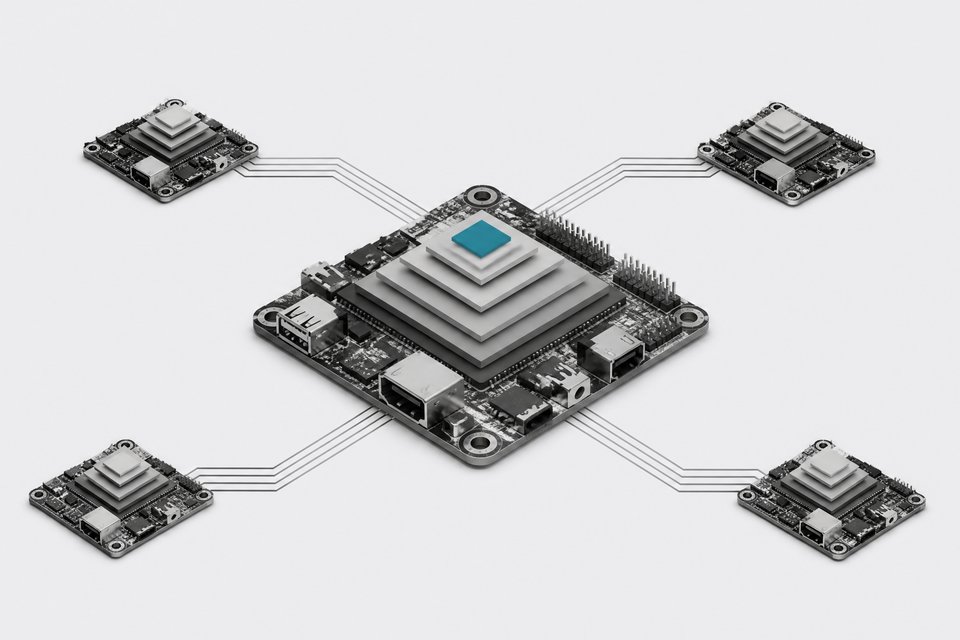
Quantized GGUF models, BitNet 1-bit weights, and P2P clusters like exo and Petals let you run real AI on a Raspberry Pi or old laptop. Here's the playbook.