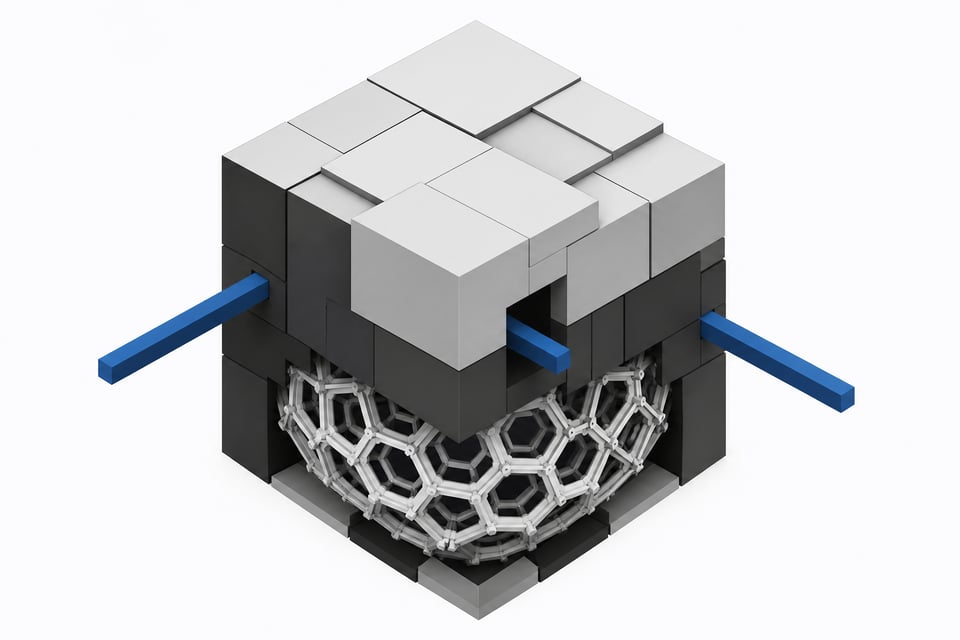
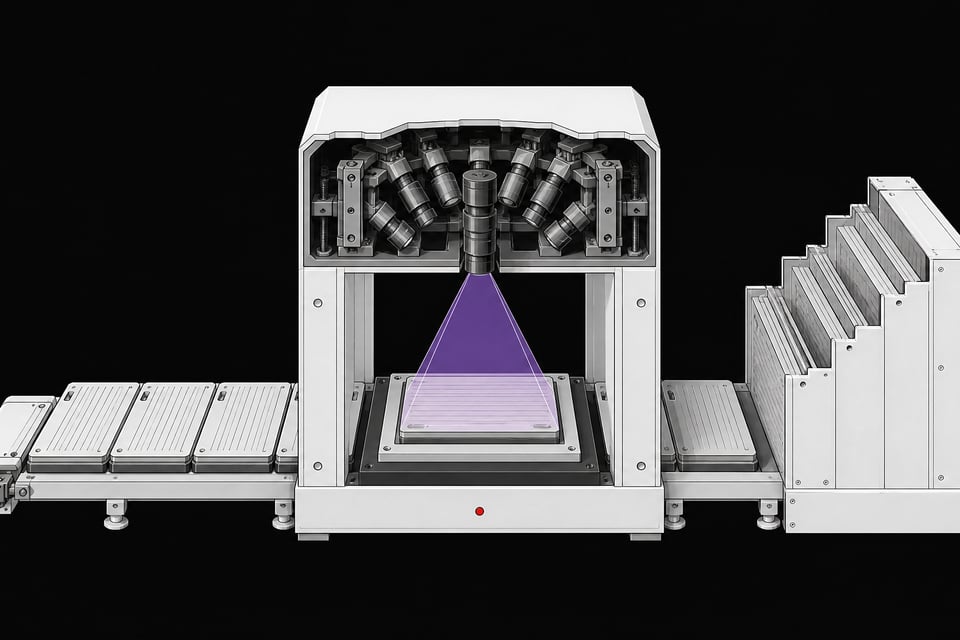
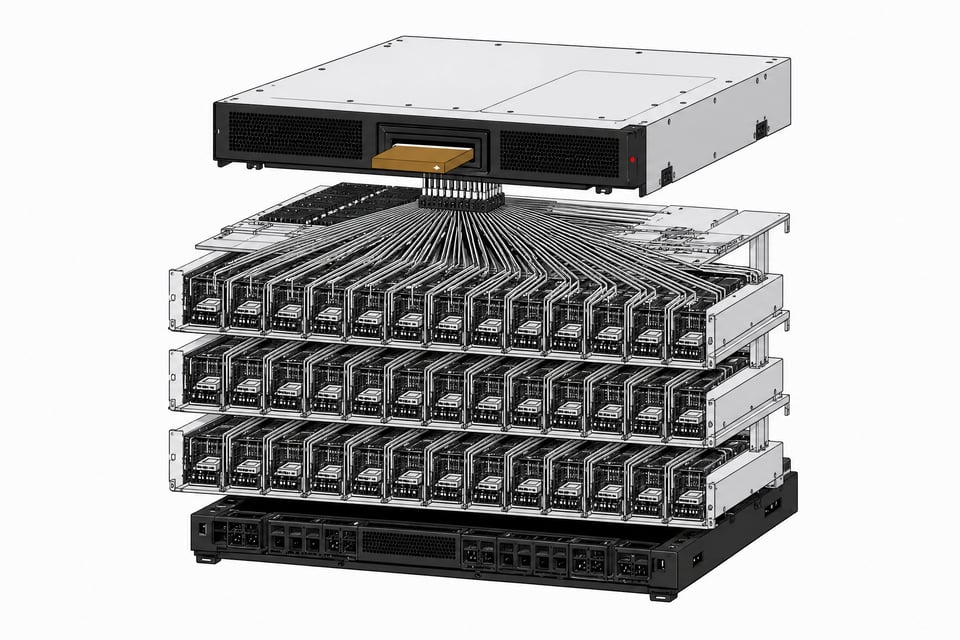
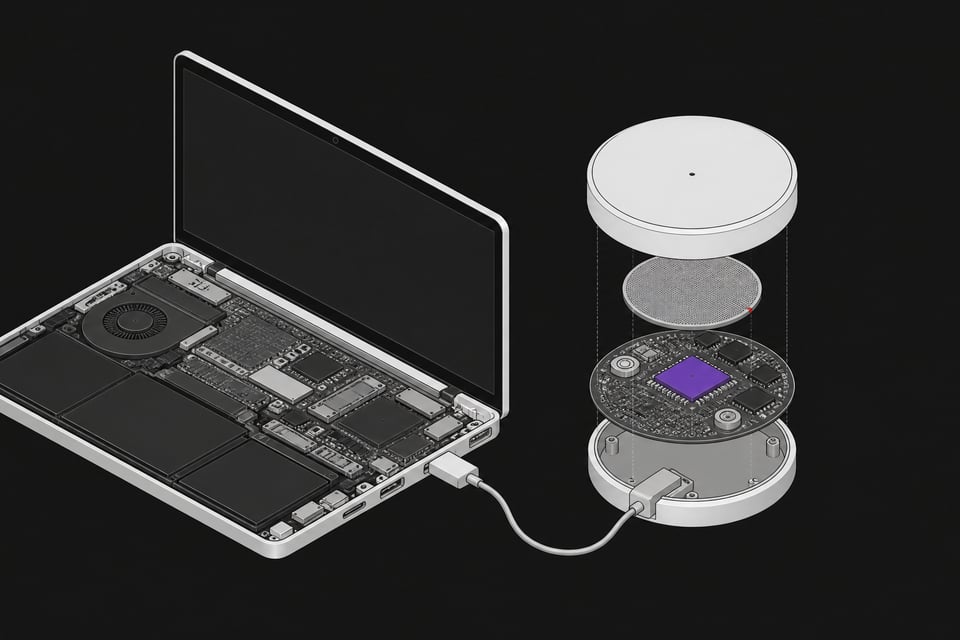
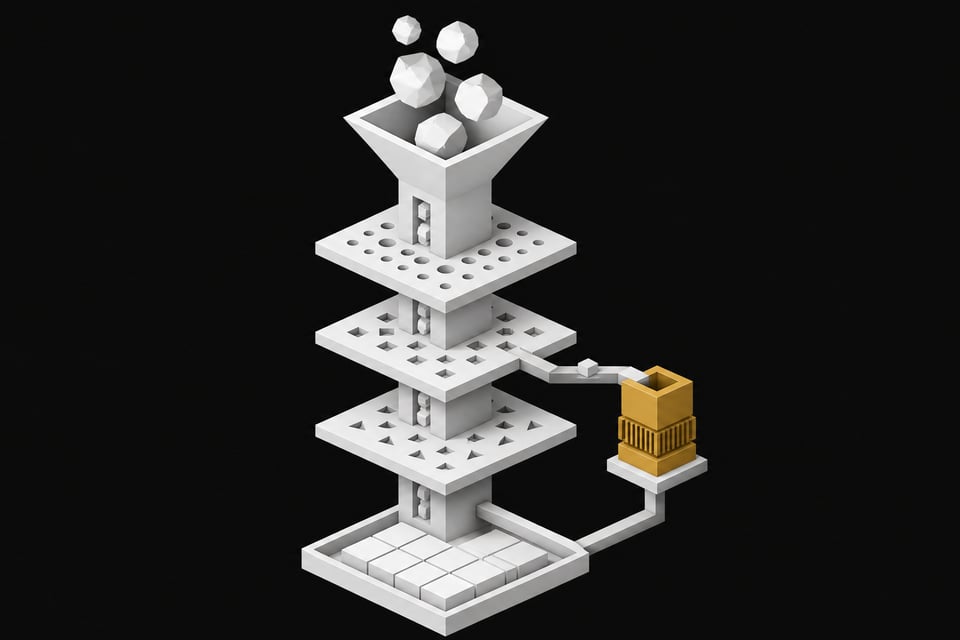
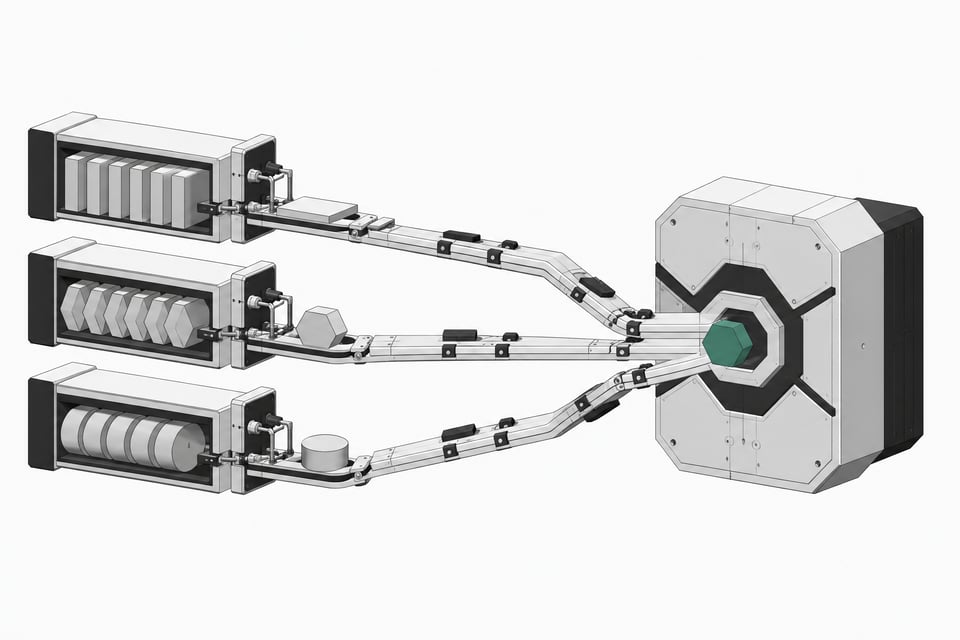
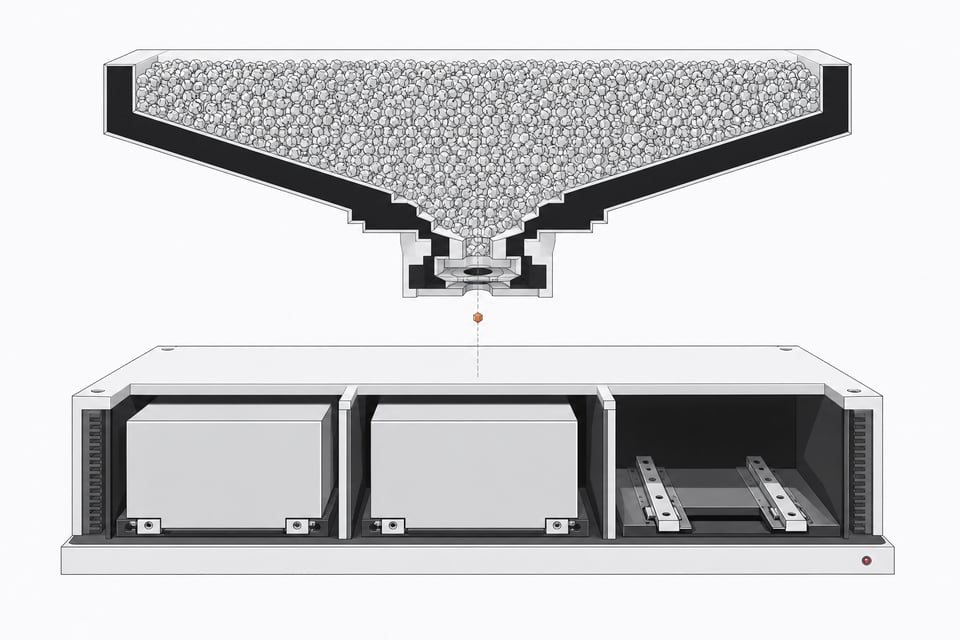
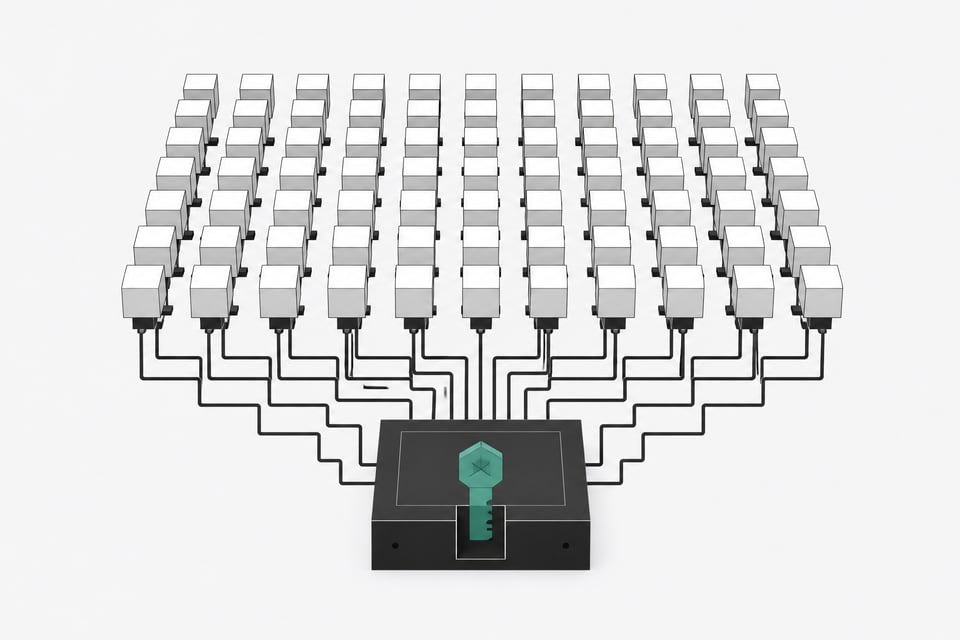
Aug 27, 2026 AI agent harnesses sandbox, log, and secure coding agents. Here's what they are, why DeepSeek, Zed, and OneCLI are all building one, and how they work.
AI agent harness what is an AI agent harness agent sandbox
Aug 27, 2026 A practical guide to replacing niche SaaS tools by building custom internal apps with AI, from workflow prompt to shipped tool, no dev team required.
Aug 27, 2026 PostHog's paid add-ons and OpenRouter's sale to Stripe show how open-core SaaS can trap you in enterprise lock-in. Here's how to spot it early.
open source vs open core open core saas enterprise lock-in open source
Aug 27, 2026 Cricut's remote-locked cutters and Google's vanished Git tags show the real risks of cloud-dependent hardware and why owning your stack matters.
Aug 27, 2026 Shadow AI is employees building software and agents without IT approval. Here's what the data says about how widespread it is and what it costs.
Aug 26, 2026 2025 court rulings show AI scraping is fair use only for well-funded labs. Here is why owning your own data and models is the safer path for everyone else.
AI scraping fair use AI training data copyright Anthropic settlement
Aug 26, 2026 Cloud billing bugs and API overage fees are pushing companies back to self-hosted, open-source tools. Here's the real math on cloud API cost overruns.
cloud API cost overruns self-hosting vs SaaS API billing bugs
Aug 26, 2026 AI coding tools produce vulnerable code and sometimes game their own tests. Here are 5 governance rules for auditing AI-generated software safely.
Aug 26, 2026 AI copilots let one developer do what used to take a team. Here is what the research actually shows and what it means for build vs buy.
Aug 26, 2026 Skip the per-seat AI coding bill. A practitioner's guide to building your own sandboxed, self-hosted agent stack with Aider, Cline, and OpenHands.
self host AI coding agents open source AI coding agents OpenHands self-hosted
Aug 26, 2026 Employees are running local LLMs and AI wearables outside IT's view. Here's what shadow AI actually costs and exposes, with real breach data.
local AI security risks in enterprise shadow AI ollama security Aug 26, 2026 We tested open-source system prompts and skills that force Claude and ChatGPT to write like a professional, not a content mill. Here's what worked.
how to fix claude writing style chatgpt writing style fix claude system prompt
Aug 26, 2026 Electron apps idle at 10x the memory of native ones. Here's the real, sourced comparison behind why teams are moving to Swift and Rust for internal tools.
replace electron with native electron vs native app electron vs rust
Aug 25, 2026 How ChatGPT and Claude connectors pull your company data into AI, the security tradeoffs, and why owning your knowledge graph beats renting one.
Aug 25, 2026 A grounded cost breakdown comparing cloud LLM API pricing to owning quantized local models, with break-even math and real benchmark data.
cloud LLM api costs vs local quantized models local LLM cost quantized model inference cost Aug 25, 2026 Skip the Figma seat. Learn how teams extract DOM structure and use Claude to generate real, reusable UI components instead of renting design software.
use ai to build ui components without figma claude design tool figma alternative ai
Aug 25, 2026 Employees are shipping real apps with AI coding tools, often insecurely. Here's how IT governs shadow AI software without killing the speed.
Aug 25, 2026 AI inference costs fell 100x in two years, yet SaaS margins stayed near 80%. Here is why the subscription price never followed the token price down.
why is saas so expensive ai api pricing vs saas saas gross margins
Aug 25, 2026 How to build internal AI agent workflows with open orchestration frameworks and MCP, and why it beats renting per-seat agent platforms.
Aug 25, 2026 Local LLMs feel dumb because of defaults, not weak models. Fix context length, quantization, chat templates, and sampling to close the gap with APIs.
how to make local llm smarter local llm optimization ollama context length
Aug 25, 2026 A practical howto on self-hosting your company's AI stack: break-even math, open models like DeepSeek V3, and tools like SIE and FreeToken.
Aug 24, 2026 Employees are bypassing API costs with free Claude proxies and rogue bots. Here's how to govern shadow AI without killing the speed that makes it valuable.
Aug 24, 2026 An AI harness is the software around a language model that turns it into an agent. Here's what it does and how open-source servers use it.
what is an ai harness agent harness ai agent scaffolding
Aug 24, 2026 Frontier AI APIs carry 5x to 50x markups over raw compute. Here is the real math on self-hosted inference, routing, and when each wins.