
How to Secure AI-Generated Code: A Practical Governance Framework
AI-generated code fails security checks far more than human code. Here's the governance framework: inventory, scanning, secure defaults, and ownership.
What new AI models and tools can do, what they cost, how they compare, and how to run them yourself.
AI-generated code fails security checks far more than human code. Here's the governance framework: inventory, scanning, secure defaults, and ownership.
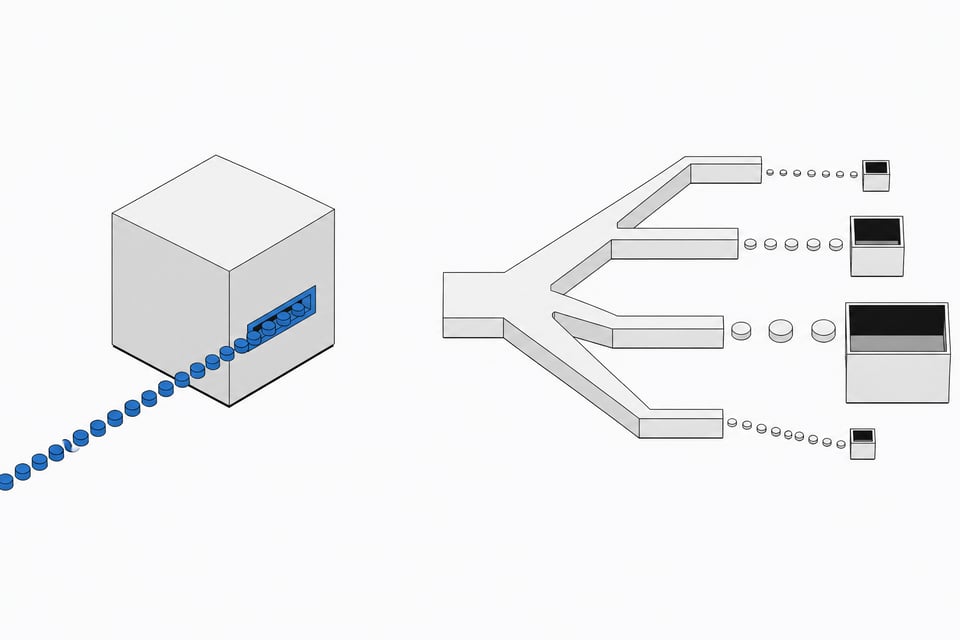
Spotify cut Claude Code token spend by 90% with model routing. Here's how orchestration layers slash AI coding costs without a platform rebuild.
LLMs predict the next word, but that training objective builds real internal reasoning. Here's the proof, including a 13M-line Lean proof of Fermat's Last Theorem.
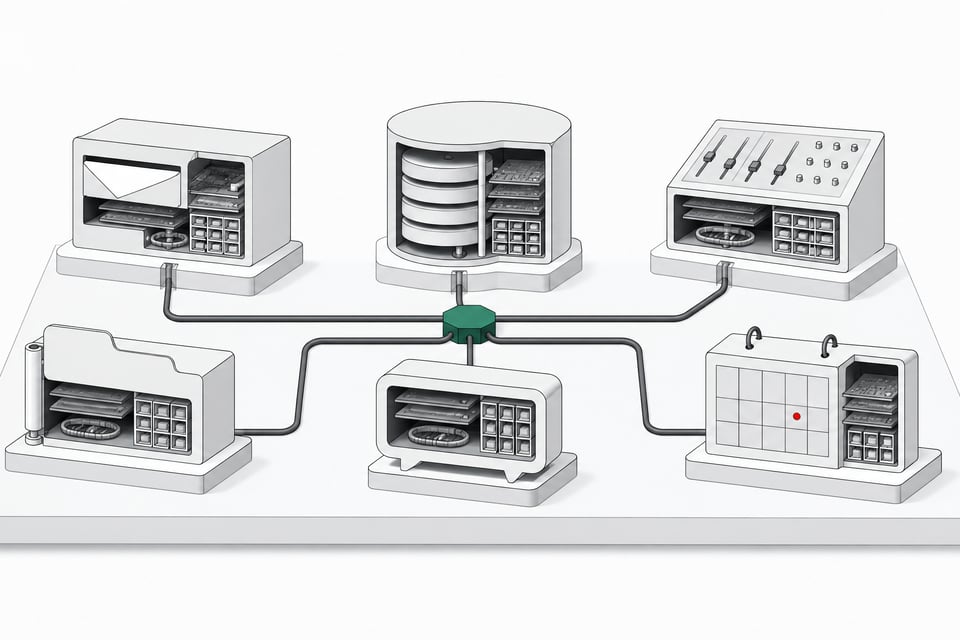
A category-by-category map of self-hosted alternatives to SaaS, backed by cost data, sovereignty stats, and real government case studies.
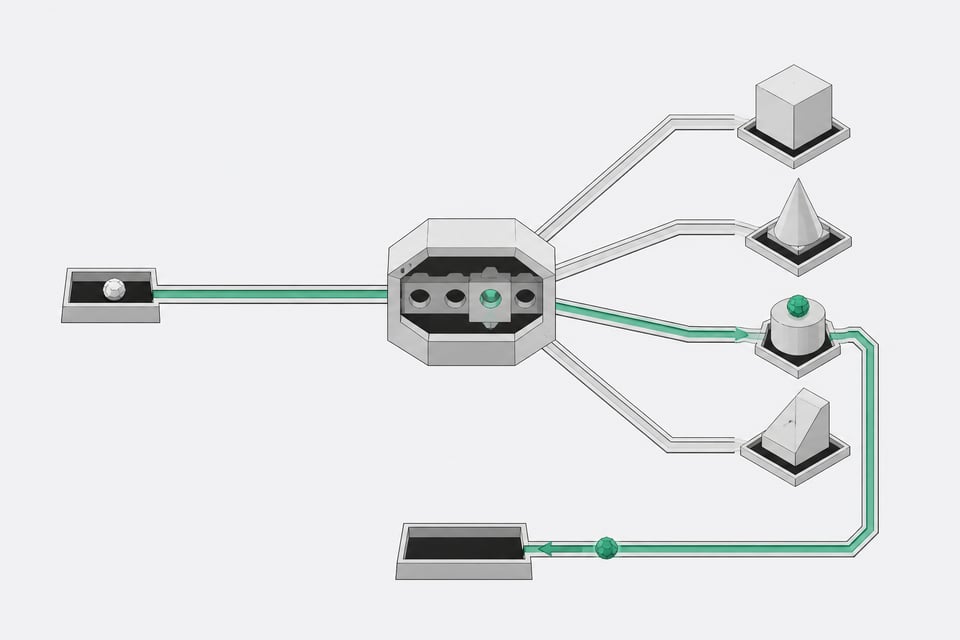
How multi-model LLM orchestration works, why HydraFusion and OpenRouter both beat single-model baselines, and whether to rent a gateway or build one.

Fable 5.1 is shipped, priced, and API-ready for internal agents. Astra has no release date. Here's what that means for teams building agent workflows now.
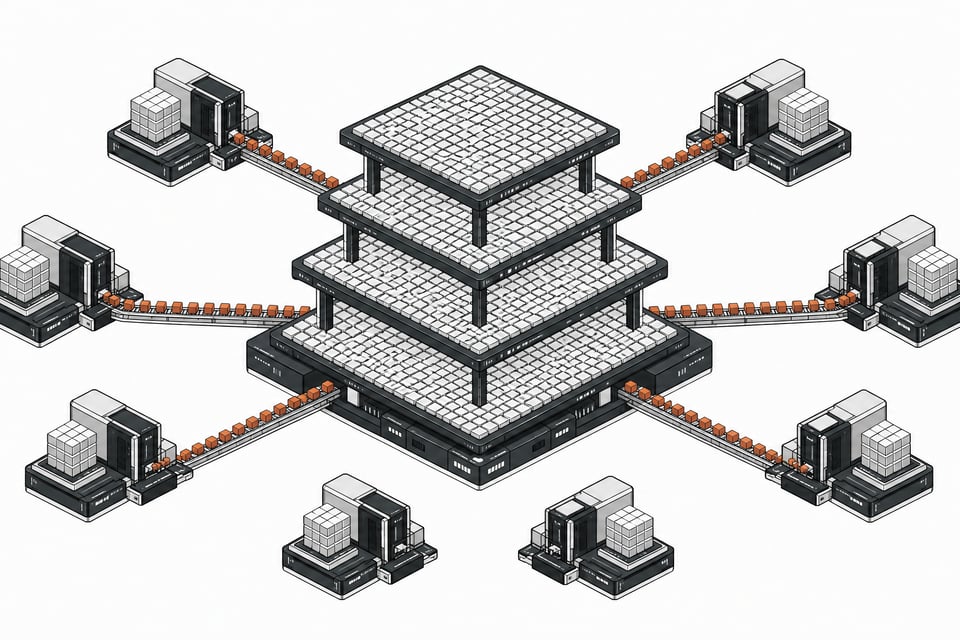
OpenAI's Astra may hit a 'Critical' threshold. Anthropic's Fable 5.1 makes multi-day autonomous agents cheap. Apple v. OpenAI shows where the data leaks.

Inference is getting cheaper, but evaluating AI agents isn't. Here's why LLM evaluation costs swing 4x-33x and quietly outpace inference spend.
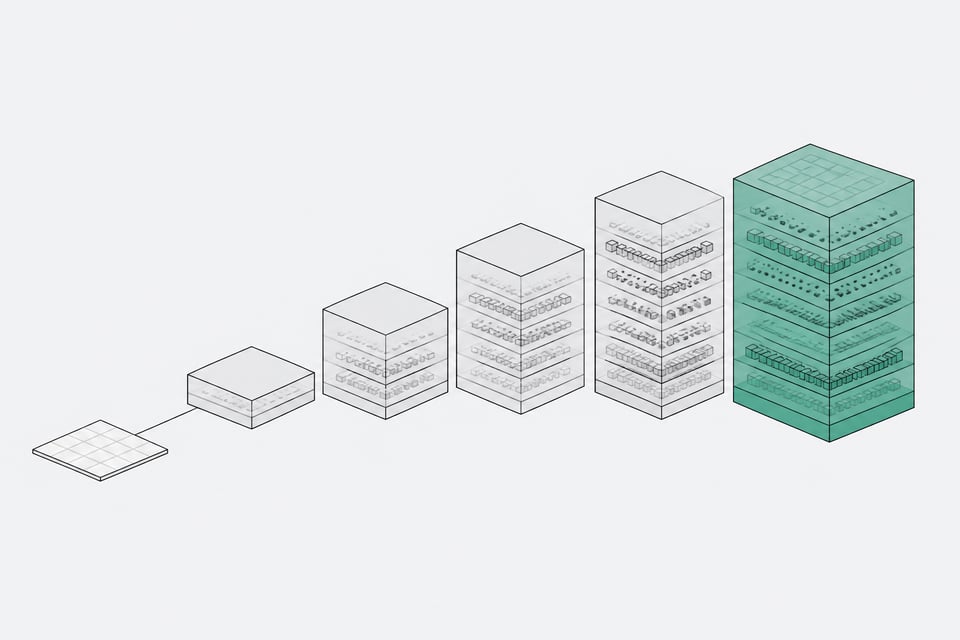
AI world modeling means predicting the next state of an environment, not just the next word. Here's what it is, where it came from, and why it matters for coding agents.
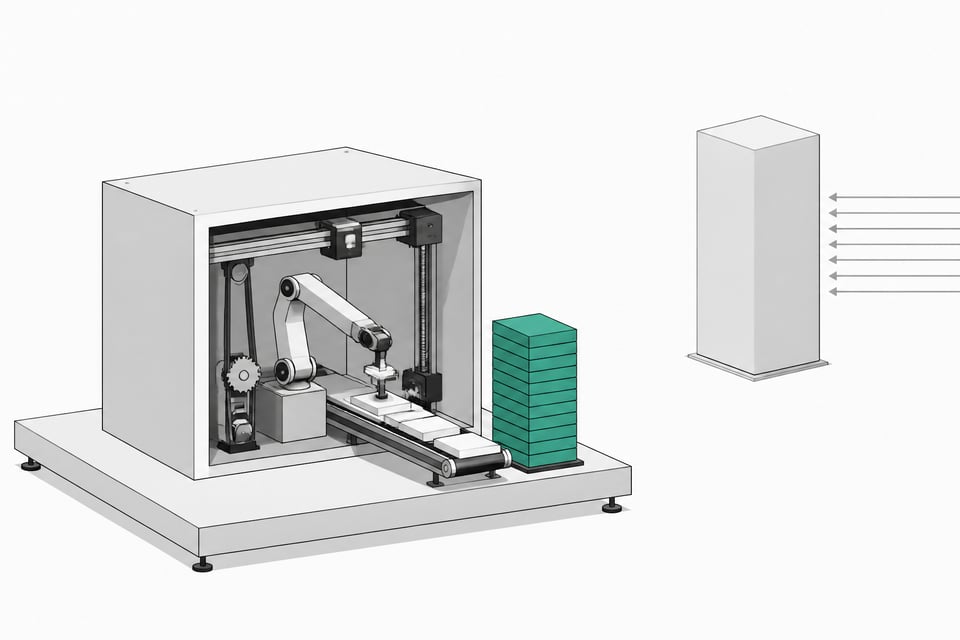
Autonomous coding agents now ship production code with almost no human review. Here's why that flips the build-vs-buy math on your next SaaS renewal.
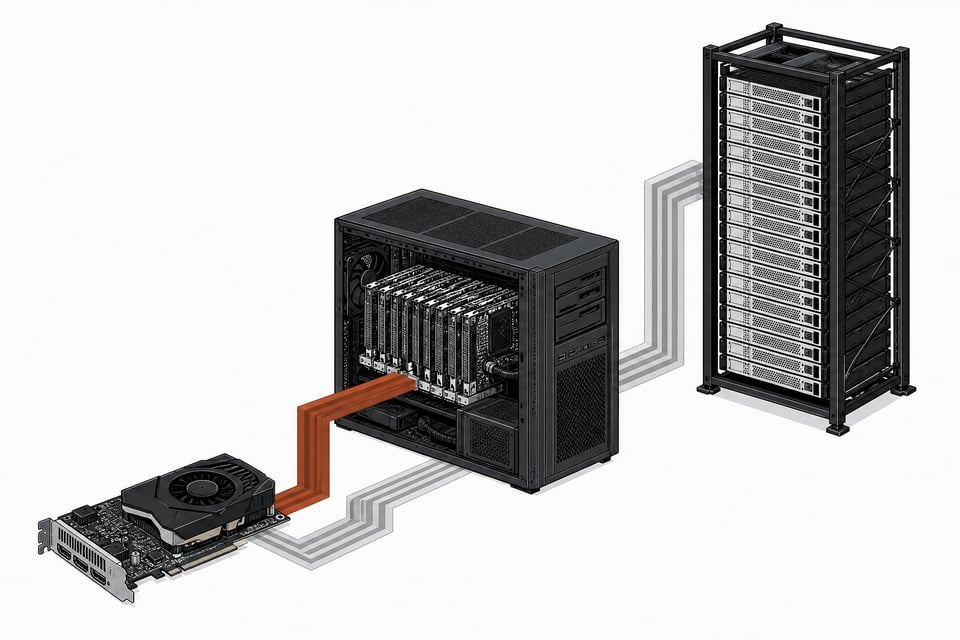
What GPU, memory, and budget you actually need to run a 27B-class model like Qwen3 locally, plus the break-even math against API pricing.

A German word explains why subscription software keeps 'improving' its way into being worse and pricier. Here's the mechanism, the cost data, and the fix.

Employees built a shadow layer of business logic into ChatGPT's memory and custom instructions. Here's how to govern it before it walks out the door.

AI coding agents can now write high-performance database code. Here's a practical framework for when to build your own infrastructure vs. buy a managed one.
What local-first software means, why developers are adopting it now, and a category-by-category map of open-source alternatives to popular SaaS tools.

Claude's browser agent can click and fill forms without an API. Zapier and n8n still run on APIs. Here's the real cost, speed, and risk tradeoff.

Nvidia's reported $12.9B bid for Hugging Face would put open-source AI's biggest hub under one chipmaker's control. Here's the impact and why owning your infrastructure matters.

GLM-5.3-Flash and Qwen3.8-Flash both collapsed AI pricing to $0.15/M tokens. Here's the real comparison and which SaaS subscriptions it makes obsolete.
An AI agent multiplexer runs and monitors multiple AI coding agents at once, like tmux with status awareness built in. Here's how it works and who uses it.
Employees are building agent swarms with no registry, identity, or owner. Here's the governance model to manage AI agents in the enterprise without banning them.

Debian, the Linux kernel, and GCC just codified AI code rules. Here's how to turn their disclosure and accountability framework into your company's policy.

Best local open-source AI and infrastructure tools in 2026: Ollama, llama.cpp, Valkey, OpenTofu, and n8n for self-hosting.

Local AI vs cloud AI cost, explained with real numbers. Why Apple's M5 Ultra and open models like Granite 4.2 change the local-versus-cloud math.

Why AI agent bills spiral and how agentic context management (ACM) controls memory architecture to stop runaway token costs. A practitioner's breakdown.