What Is an AI Agent Multiplexer?
An AI agent multiplexer runs and monitors multiple AI coding agents at once, like tmux with status awareness built in. Here's how it works and who uses it.

What is an AI agent multiplexer?
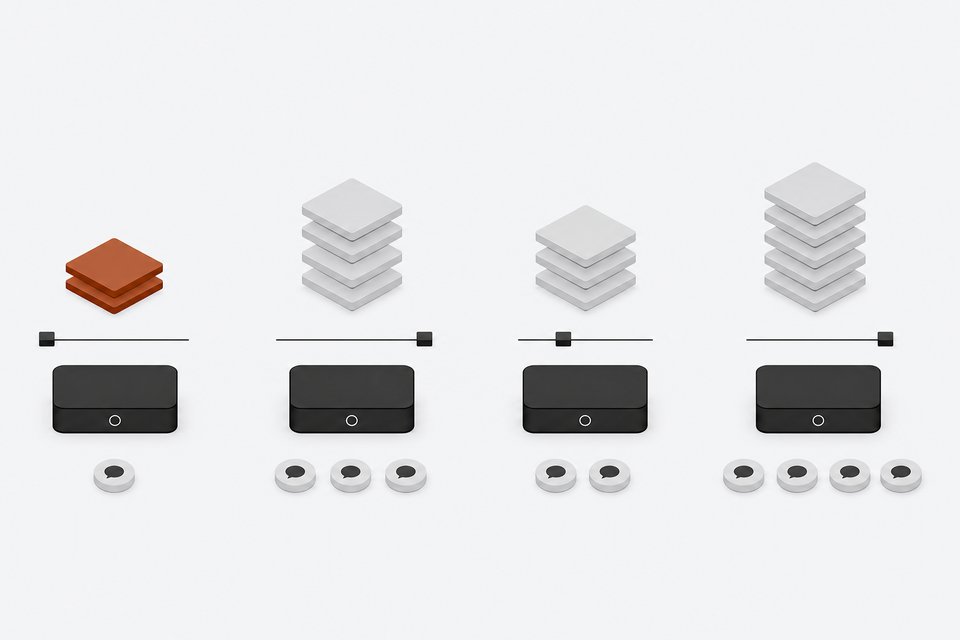
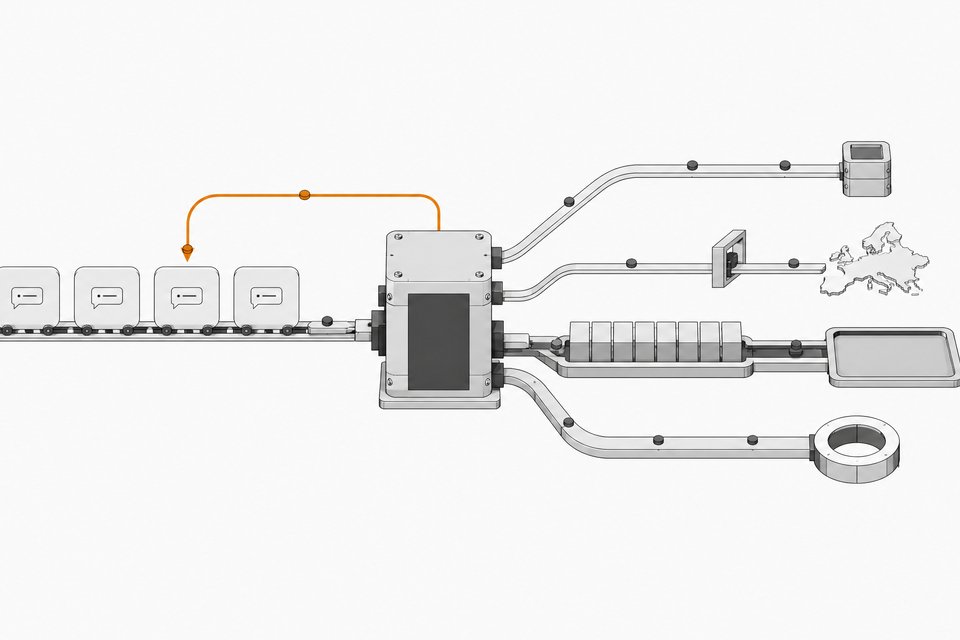
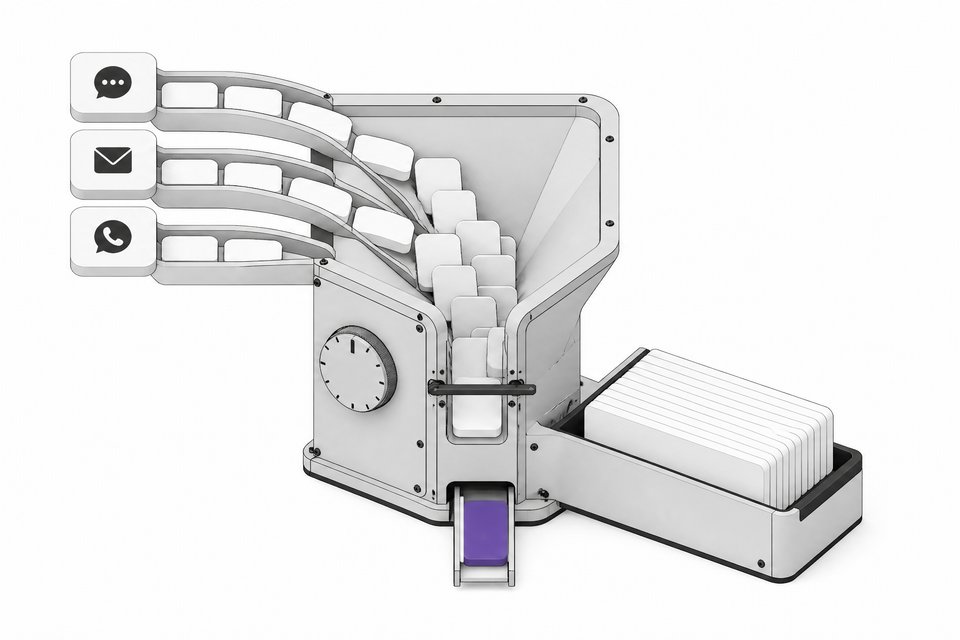
An AI agent multiplexer runs, isolates, and monitors multiple AI coding agents at once from a single control point. It spawns each agent (Claude Code, Codex CLI, Gemini CLI, whatever) in its own session, tracks whether it's idle, working, or stuck, and lets you review results instead of watching a terminal. Think of it as a control tower for a small fleet of coding agents, not a tool for running just one.
TL;DR
- An agent multiplexer isolates and monitors multiple AI coding agents from a single control point.
- Herdr tracks agent status continuously with lifecycle hooks and a screen-manifest of TOML rules for agents that don't support hooks.
- Multiplexers expose programmable APIs and sockets, so an agent can spawn and coordinate other agents.
- Raw tmux runs into memory exhaustion and credential collisions at scale, which purpose-built multiplexers are designed to prevent.
- A dedicated multiplexer adds self-healing, isolation, and remote visibility that plain tmux doesn't give you.
- If you run three or more agents regularly, across different repos or overnight, a dedicated multiplexer earns its keep.
What goes wrong with one agent, one terminal, and one task?
Claude Code, Codex CLI, Aider, and most of their peers were built as single-session tools. You open a terminal, point the agent at a task, and watch it work. Fine for one agent on one problem. It breaks down fast once you want three or four agents working different parts of a codebase at the same time.
The pain shows up in familiar ways: you switch to a tab and the agent finished ten minutes ago, sitting idle on a permission prompt nobody saw. One developer running Herdr before it added status tracking found an agent had sat idle for 86 of a 90-minute session with no notification at all. Multiply that across five or six panes and you're not coding anymore. You're a human polling loop.
Why is 'tmux for AI agents' the right mental model?
Tmux solved a narrower problem twenty years ago: detachable, persistent terminal sessions you could split, name, and reattach to from anywhere. It never knew or cared what was running inside a pane.
Agent multiplexers borrow that substrate and add a layer tmux never had: awareness of what's actually happening inside each pane. Herdr, one of the most prominent tools in the category, is described directly as adding "the one thing tmux never had: awareness of what the agent inside each pane is actually doing." Most terminal-based multiplexers in this space, including amux, are literally built on top of tmux rather than replacing it.
How does an agent multiplexer actually work?
Most of these tools follow the same pattern:
- Each agent gets its own isolated session or pane. That might be a tmux pane, a git worktree, or a full sandboxed workspace, so one agent's file edits don't collide with another's.
- Status is tracked continuously. Herdr does this two ways: lifecycle hooks, where the agent itself reports state changes, and a screen-manifest of TOML rules matched against raw pane output for agents that don't support hooks. Claude Code and Codex are detected via screen-manifest; Pi, OMP, Kimi Code CLI, Hermes, and MastraCode report through hooks. Agent-manager takes a similar approach, running a handful of regexes over the text tmux hands back rather than building a bespoke integration for each vendor.
- A control surface exposes everything. That's a dashboard, a CLI, a REST API, or a socket. Herdr runs a local Unix socket speaking newline-delimited JSON with more than 70 methods, including
pane.send_keysandevents.subscribe. amux exposes a REST API, a web dashboard, and a native iOS app for checking on agents from a phone.
What does a multiplexer add that plain tmux doesn't?
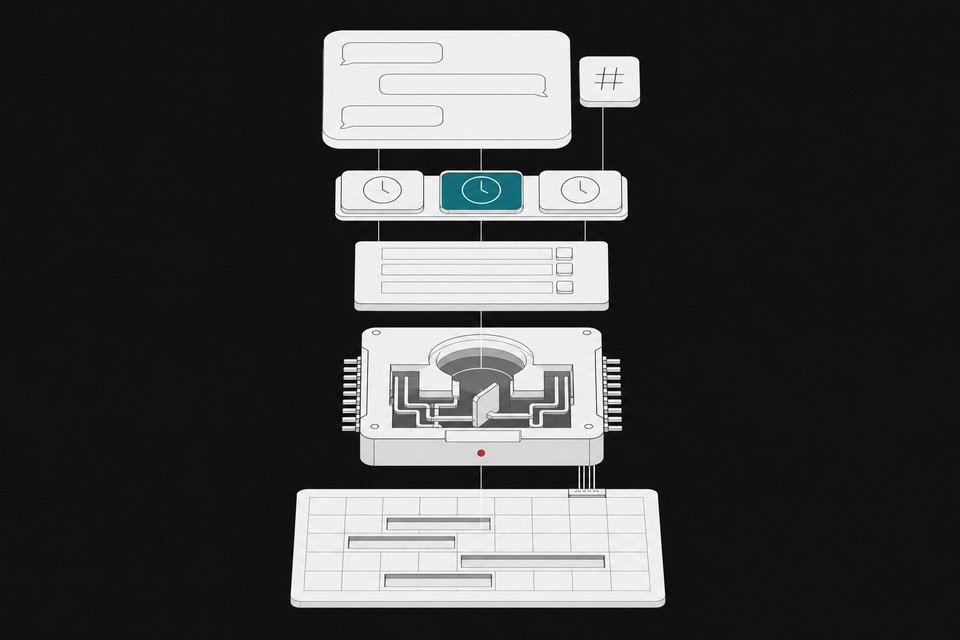
You can wire up raw tmux and a bash loop to run several agents. People do. What a dedicated multiplexer adds is the stuff that only matters once you're running a real fleet:
- Self-healing. amux ships a watchdog that auto-restarts crashed sessions, auto-compacts context overflows, and waits out rate limits instead of just erroring out.
- Isolation by design. Git worktrees or separate workspaces per agent, so parallel agents don't stomp on each other's uncommitted changes.
- Remote visibility. Web dashboards and mobile apps mean you can check fleet status without SSHing back into your machine.
- A programmable control surface. A socket or API that other processes, including agents themselves, can call.
Plain tmux gives you panes. A multiplexer gives you a fleet with a status board.
What does the tool landscape look like?
This category barely existed before 2025. It now spans at least a dozen distinct tools across three tiers.
| Tier | Self-healing | Remote/mobile access | Isolation depth | Footprint | |
|---|---|---|---|---|---|
| Herdrlightweight single-binary control | Lightweight | No | No | Medium | ~10MB binary |
| Agent-managerminimal tmux wrapping | Lightweight | No | No | Low | Go binary on own tmux socket |
| Recommendedamuxrunning a real fleet at scale | Platform | Yes | Yes | High | Watchdog + REST API + dashboard |
| cmuxa premium single-machine desktop feel | Premium desktop | No | No | Medium | Native macOS app |
- Lightweight, single-binary tools that wrap tmux without replacing it. Herdr is a ~10MB Rust binary with zero dependencies that's picked up 16,100 GitHub stars across 70 releases by one count, and 11,000+ by an earlier one; either way, a fast-trending project. Agent-manager, built in Go by developer Yoan Wai, runs ordinary tmux sessions on their own socket, so quitting the manager leaves every agent running untouched.
- Platform-level orchestration. amux adds a self-healing watchdog, cost tracking, a shared kanban board, and a REST API on top of tmux, with users routinely running 20 to 50 concurrent agents on a single laptop. Mux, distributed through Coder's module registry and explicitly labeled a "Coding Agent Multiplexer," is a desktop app for running multiple agents across isolated workspaces and has logged more than 35,000 installs.
- Premium desktop experience, no infrastructure layer. cmux is a native macOS-only Swift app with GPU-accelerated rendering and an embedded browser, but no self-healing or remote API.
Some teams building this kind of internal tooling end up wanting the same control-tower instincts applied beyond just coding agents. Tools like Remy extend that same fleet-operator mindset (spawn, isolate, monitor) to the broader set of AI-built internal apps a team ends up owning.
How does the 'agents spawning agents' unlock work?
The most interesting pattern in this category isn't a human using the dashboard. It's an agent using it.
Because Herdr's socket exposes methods like pane.send_keys and pane.wait_for_output, any process can spawn and coordinate other agent panes, including a coding agent itself. In one demo, a Codex agent read Herdr's own CLI documentation, then used the herdr pane command to spawn two more Codex instances, delegated lookup tasks to them, and waited for their results before answering the original prompt. That's the multiplexer functioning as a tool surface the agent calls directly, sometimes described as "tmux-as-MCP." It turns a session manager into infrastructure other agents can program against, not just a UI a human clicks through.
What are the real failure modes at scale?
A KRAFTON engineer running a personal three-machine fleet of Claude Code agents on raw tmux hit exactly the walls purpose-built multiplexers exist to solve. Tmux's capture-pane degraded once too many panes crowded a single window. Git credentials collided across workspaces that weren't properly isolated. Stacked agent and MCP processes exhausted memory and swap until, in his words, "the sessions just stacked up until the machine couldn't breathe." None of that is a tmux bug. It's what happens when you push a tool built for human terminal sessions into managing an unattended agent fleet without isolation, health checks, or crash recovery built in.
Who actually uses an agent multiplexer?
People who got tired of babysitting. The creator of amux put it plainly on its Hacker News launch: "I run 5-10 Claude Code agents at a time across different repos. Keeping track of which one is waiting for input, which one is working, and which one broke something was chaos. I needed a control tower." That's the pattern across every tool in the space: run a backlog of small tasks overnight, split a feature across several agents working different files, check status from a phone in the morning, and review diffs rather than watch progress bars.
Do you need one? A quick decision guide
- One agent, occasional use. Built-in features in Claude Code or Cursor's background agents are enough. A multiplexer adds overhead you don't need yet.
- Two or three agents, run occasionally. Plain tmux with a naming convention will get you through. Expect some manual polling.
- Three or more agents, run regularly, across different repos or overnight. This is where a dedicated multiplexer earns its keep. Status tracking, crash recovery, and isolation stop being nice-to-haves and start being the difference between a fleet you manage and a fleet that manages you.
The category is young enough that the tools will keep changing shape. But the underlying shift is already real: coding agents turned from something you watch into something you supervise, and the multiplexer is the layer that makes supervision possible instead of exhausting.
Frequently Asked Questions
What is an AI agent multiplexer?
It's a tool that runs multiple AI coding agents in parallel, each in its own isolated session, and gives you one place to check status, spawn new agents, and review finished work instead of watching each terminal yourself.
Is an AI agent multiplexer the same thing as tmux?
No. Most agent multiplexers are built on top of tmux, using it as the underlying session substrate, but they add agent-aware status tracking, crash recovery, and control APIs that plain tmux never had.
How many agents can you realistically run at once?
amux users routinely run 20 to 50 concurrent agents on a single laptop; the real limit tends to be machine memory and provider API rate limits rather than the multiplexer software itself.
Do I need a dedicated multiplexer if I only run one or two agents?
Probably not. Built-in features in tools like Claude Code or Cursor's background agents handle light use fine. Dedicated multiplexers pay off once you're regularly running three or more agents in parallel.
Can an AI agent use a multiplexer on its own, without a human?
Yes. Herdr exposes a socket API that any process, including a running coding agent, can call to spawn and coordinate other agent panes — in one demo a Codex agent used Herdr's own CLI to spin up two more Codex instances and delegate tasks to them.
How we source, write, and correct our articles. Editorial standards