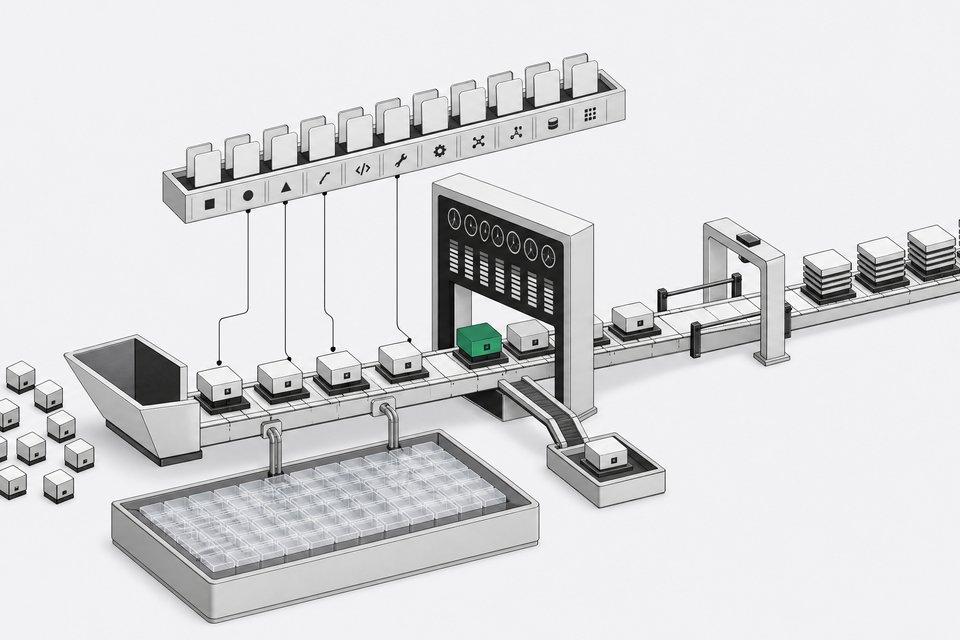
How Do You Scale an AI Software Factory With Port?
How to wrap an autonomous AI software factory in guardrails: agent and skill registries, a context lake, readiness scorecards, and controls, using Port.
AI agents and automated workflows that run without you, including always-on background agents.
Most read by people in Operations and Engineering.
How to wrap an autonomous AI software factory in guardrails: agent and skill registries, a context lake, readiness scorecards, and controls, using Port.
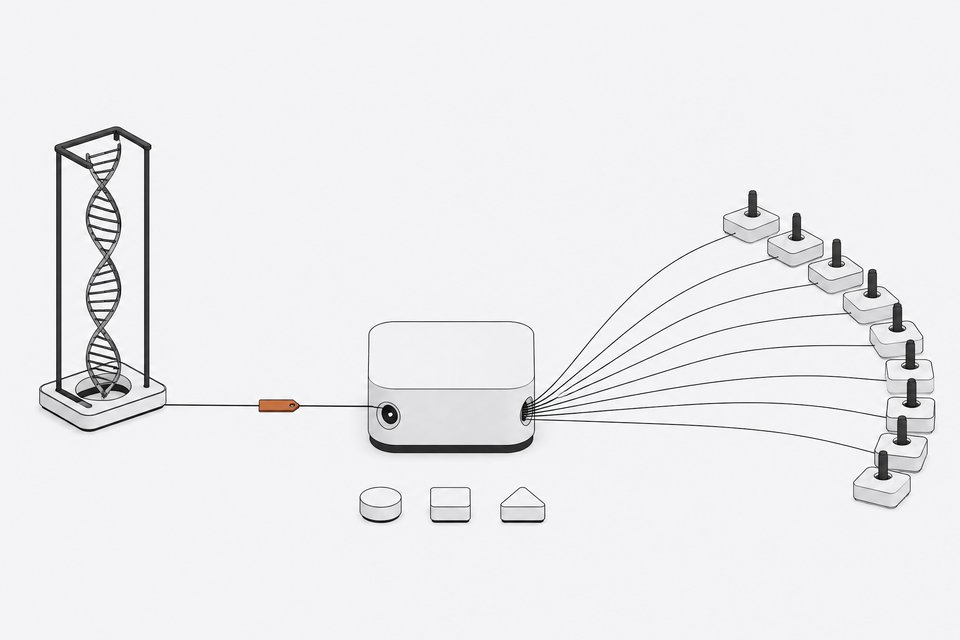
Wrap a vLLM-served Carbon-X as an agent tool: ask_carbon, tool calling, Claude Code and Codex skills, Inspect, and tips for passing DNA by reference.

Prompt rules are not spending limits. Learn how a virtual card with a weekly cap, category and country locks, expiry and webhooks constrains an AI agent.
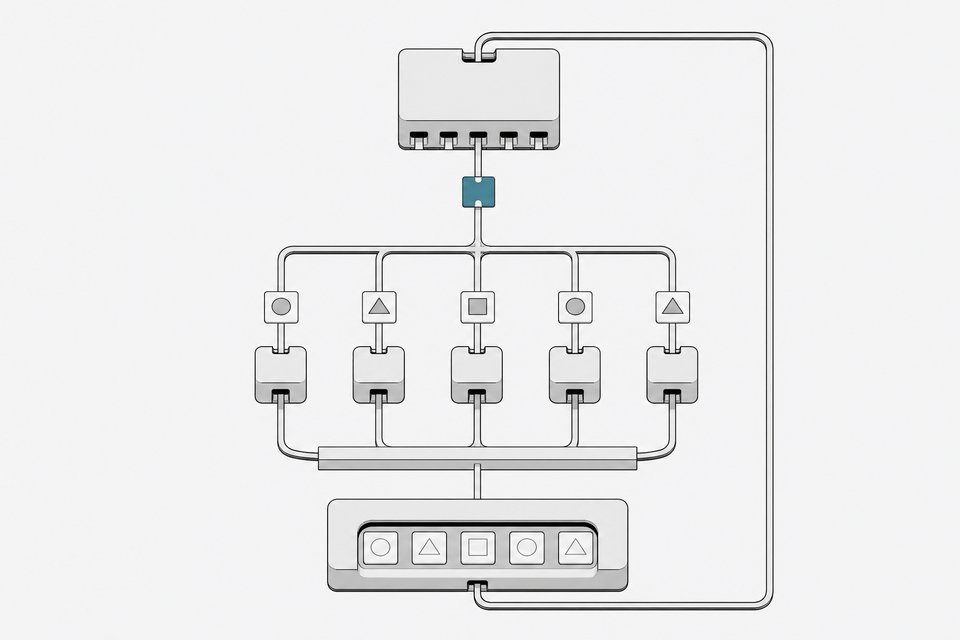
Sage-A1.5 can fan work out to parallel subagents through a spawn_subagent tool and self-review with Verification Mode. Setup, schema and harness notes.
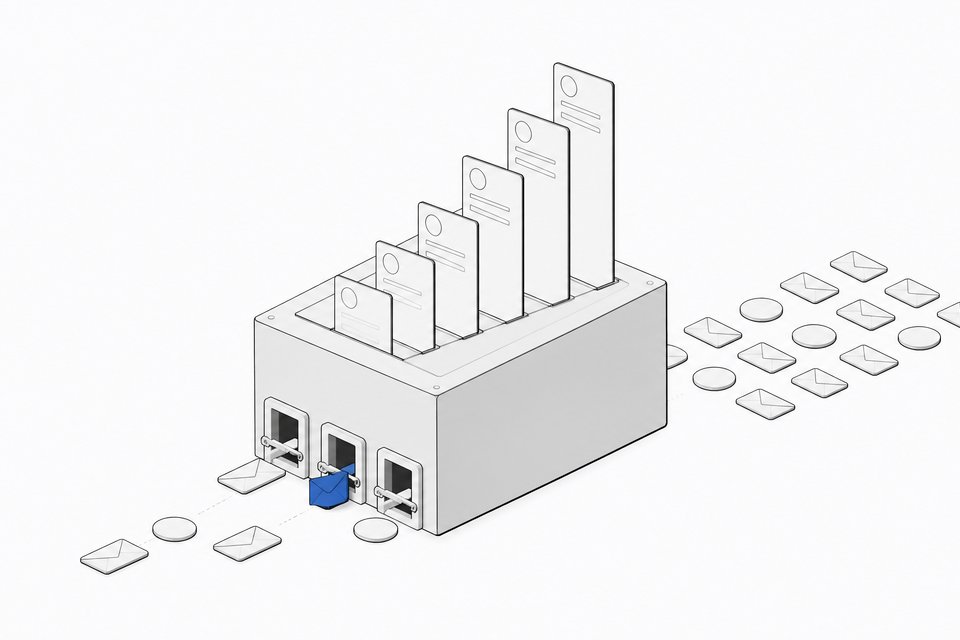
Claude Duet is Anthropic's proactive agent on Opus 5.5. It runs in a cloud computer, sends morning briefs, and asks approval before emails or payments.
Find what Codex, Claude Code and local models leave running on your Mac, read memory pressure and storage, then clean up and cap agent jobs.
AI agents communicate through protocols like MCP and A2A, and sometimes invent their own channels. Learn how it works, the risks, and how to govern it.
Real examples of AI agents running business workflows in labs, support, legal review, coding, and scheduling, plus where SaaS seats still win.
Python wrappers hit GIL and memory limits at agent scale. See how GitHub and OpenAI moved to Rust, the benchmarks, the risks, and when a rewrite pays off.

Learn how to orchestrate planner, coder, reviewer, and tester AI agents: worktrees, file locking, quality gates, token costs, and where multi-agent setups fail.
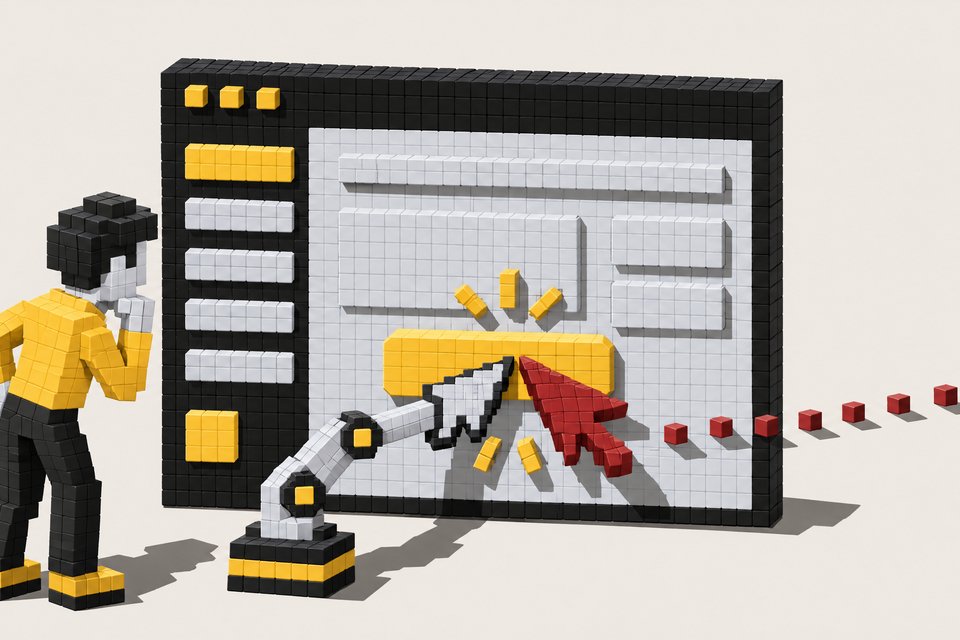
Agent-native software means AI agents and humans share the same callable actions, data, and permissions. Here's the architecture, the jargon, and a checklist.
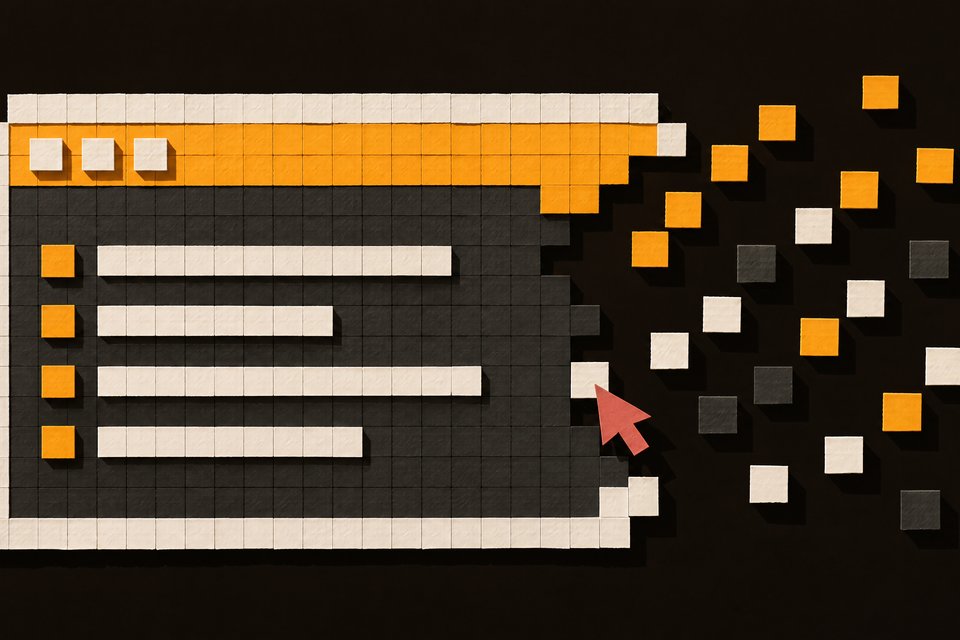
A practical guide to setting up Claude Code auto mode, subagents, and verification loops so agents research and fix bugs in parallel before a human merges.

"ChatGPT dots" means two different OpenAI features: a camera Scan menu for PDFs and a separate always-on agent. Here's how each works and where each falls short.

OpenAI's Dots turn ChatGPT into a standing, always-on agent with its own cloud computer. Here's how it works, what it can't do alone, and what it costs.
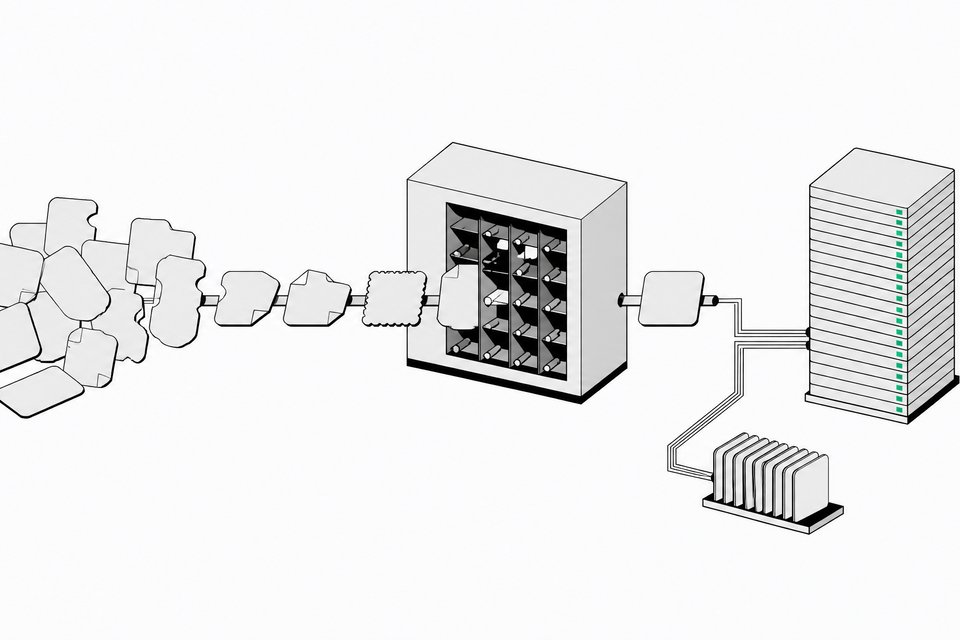
How to use DSPy (and its Elixir port Imp) to compile internal AI workflows into versioned, testable software instead of renting another SaaS AI feature.
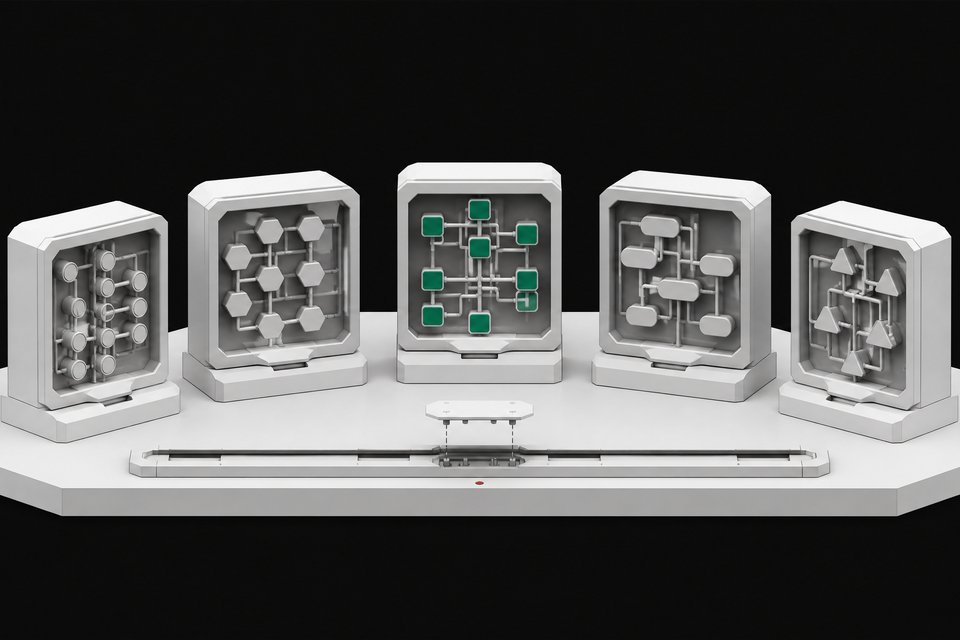
n8n, Cloudflare's cf CLI, Make, Zapier, and Retool ranked for building AI automations, plus the governance tradeoffs each one forces you to make.
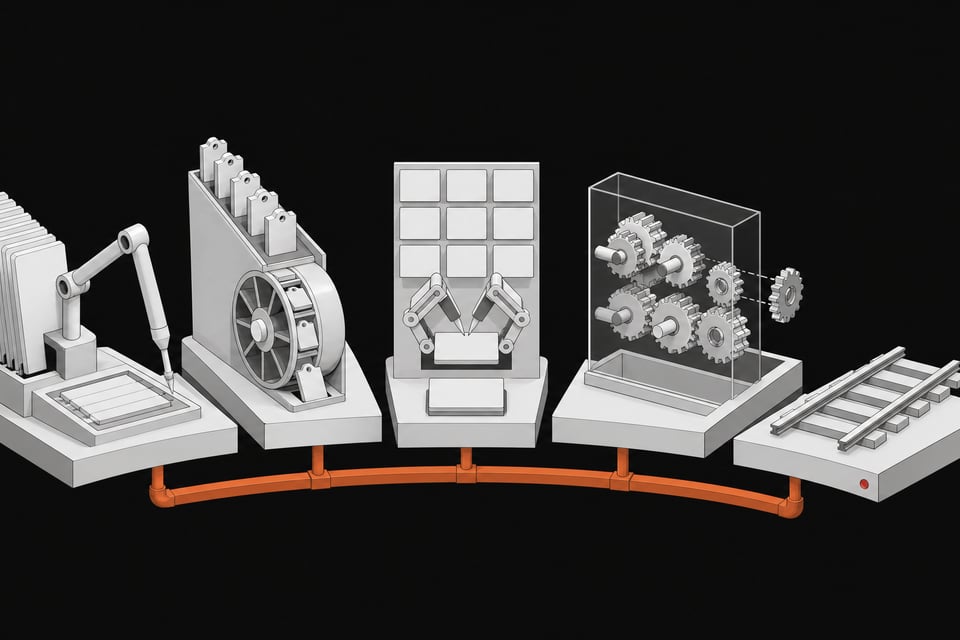
From Klarna's support pivot to Zoo.dev's CAD agent, real cases of AI agents replacing SaaS, and why full replacement still has limits.
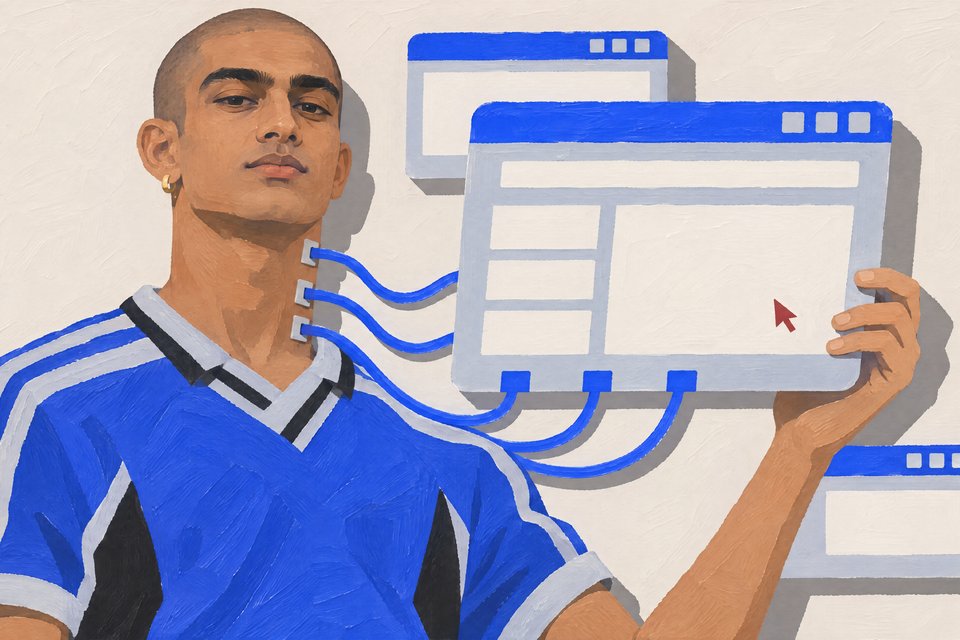
SUSE, Windows, and Ubuntu are baking agentic AI and MCP into the OS itself. Here's what an agentic operating system means for build vs. buy in 2026.
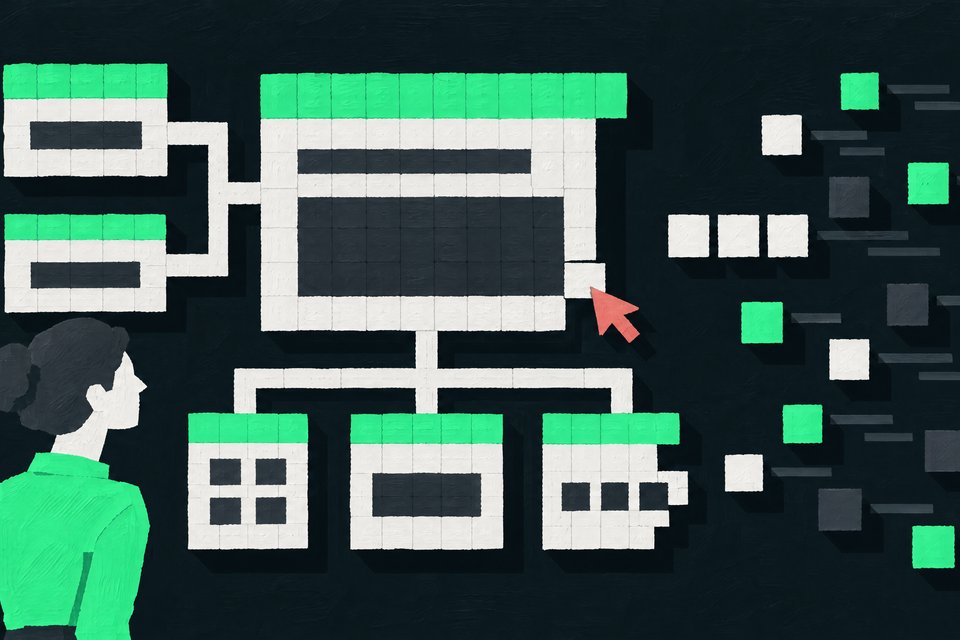
MCP connects AI to tools. Orchestrators coordinate agents. Here's the real comparison, the security data, and why production systems need both plus governance.
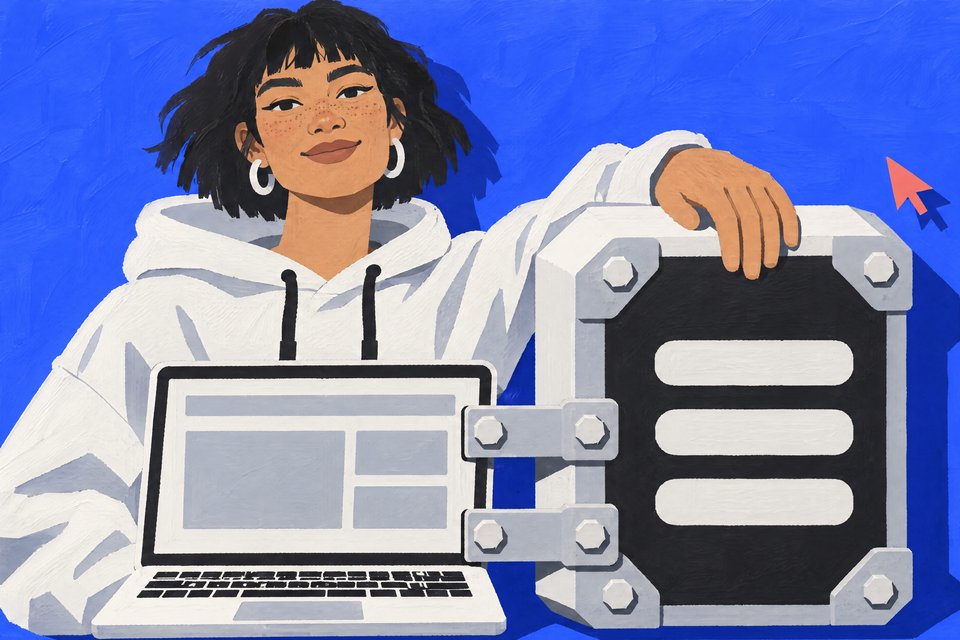
AI persistent memory is durable, external storage for facts and decisions outside the context window. Here's how it works and why internal tools need it.

How multi-model LLM orchestration works, why HydraFusion and OpenRouter both beat single-model baselines, and whether to rent a gateway or build one.
Claude's browser agent can click and fill forms without an API. Zapier and n8n still run on APIs. Here's the real cost, speed, and risk tradeoff.
An AI agent multiplexer runs and monitors multiple AI coding agents at once, like tmux with status awareness built in. Here's how it works and who uses it.
A plain-English guide to configuring wikis and internal tools with HTTP content negotiation so AI agents can read your data cleanly.