
Build vs Buy Software ·
Is It Worth Building Internal Tools With AI? Cost vs. SaaS
Compare the cost of building internal tools with AI coding agents against rising SaaS prices, and learn which tools to build and which to keep buying.
How operations teams use AI, how to do it well, and what it means for your job. Written for people who keep the business running, not people who build models.
Compare the cost of building internal tools with AI coding agents against rising SaaS prices, and learn which tools to build and which to keep buying.

Learn how to orchestrate planner, coder, reviewer, and tester AI agents: worktrees, file locking, quality gates, token costs, and where multi-agent setups fail.

Build a competitor or market tracker with You.com's live web search API instead of paying $15K-$150K a year for Crayon, Klue, or Meltwater.

Compare AI-built task manager costs ($20-50/month) with Asana, Monday, and ClickUp seat pricing, plus when support and compliance make buying better.
Agent-native software means AI agents and humans share the same callable actions, data, and permissions. Here's the architecture, the jargon, and a checklist.

Remy compiles You.com's search, news, extraction, research, and financial intelligence into every app it builds. Here's how the integration works.

A practical guide to setting up Claude Code auto mode, subagents, and verification loops so agents research and fix bugs in parallel before a human merges.

"ChatGPT dots" means two different OpenAI features: a camera Scan menu for PDFs and a separate always-on agent. Here's how each works and where each falls short.
Bitwarden now defaults to commercial-license builds. Here's what changed, why it echoes HashiCorp, Redis, and Elastic, and how to build an owned fallback.

A category-by-category guide to replacing rented SaaS with AI-built internal tools, with honest build costs, real company savings, and governance guardrails.

Microsoft folded personal Copilot back into its corporate product. Here's how Opus 5.5 and Jev let you build a cheaper, faster workflow instead.

OpenAI's Dots turn ChatGPT into a standing, always-on agent with its own cloud computer. Here's how it works, what it can't do alone, and what it costs.

A $20M yacht-broker lawsuit shows how AI is undercutting middleman economics, plus the real data on when building internal tools beats buying SaaS.
Run AWS, Azure, and GCP equivalents locally with LocalStack, Azurite, MinIO, and Testcontainers, and cut cloud dependency out of dev and test.

How to use DSPy (and its Elixir port Imp) to compile internal AI workflows into versioned, testable software instead of renting another SaaS AI feature.
n8n, Cloudflare's cf CLI, Make, Zapier, and Retool ranked for building AI automations, plus the governance tradeoffs each one forces you to make.

Excel can finally hold lists in a cell. That formula upgrade doesn't answer what no-code AI builders now let employees ship without IT. Here's the real comparison.
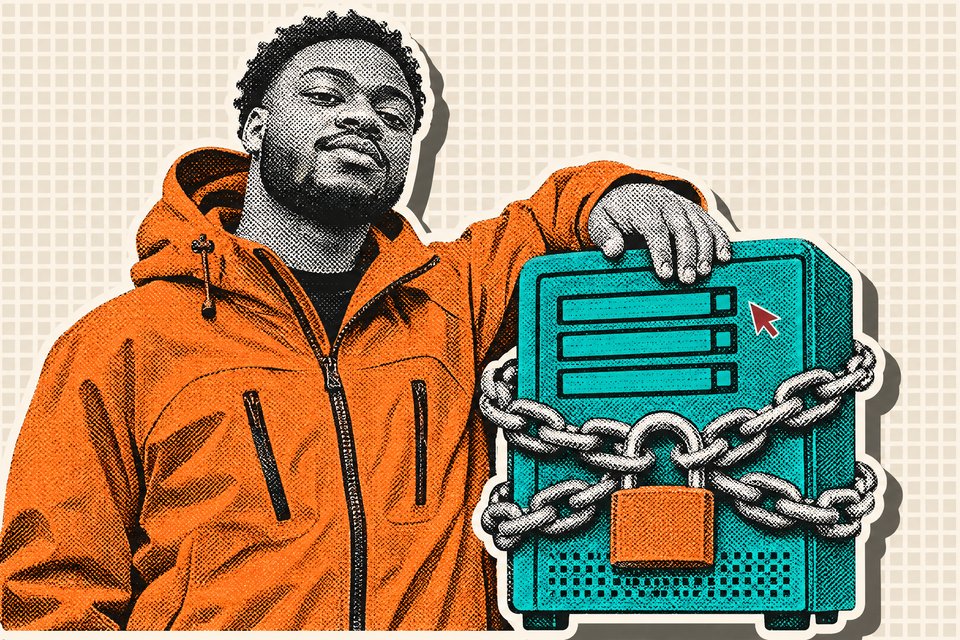
A step-by-step guide to self-hosting internal tools safely: code ownership, server hardening, CI/CD isolation, access control, and shadow AI governance.

From Klarna's support pivot to Zoo.dev's CAD agent, real cases of AI agents replacing SaaS, and why full replacement still has limits.
Cancellation traps, SSO paywalls, fragile SAML, and OAuth breaches: the six documented hidden costs of renting your SaaS stack, and how ownership removes them.

Google throttled its own index, AI Overviews cut referral clicks, and Stack Overflow is drying up. Why owning internal search beats renting SaaS now.
SUSE, Windows, and Ubuntu are baking agentic AI and MCP into the OS itself. Here's what an agentic operating system means for build vs. buy in 2026.

AI inference now costs pennies per task, but the average SaaS seat still runs $9,324 a year. Here's the real cost math on building internal AI workflows vs. renting SaaS.
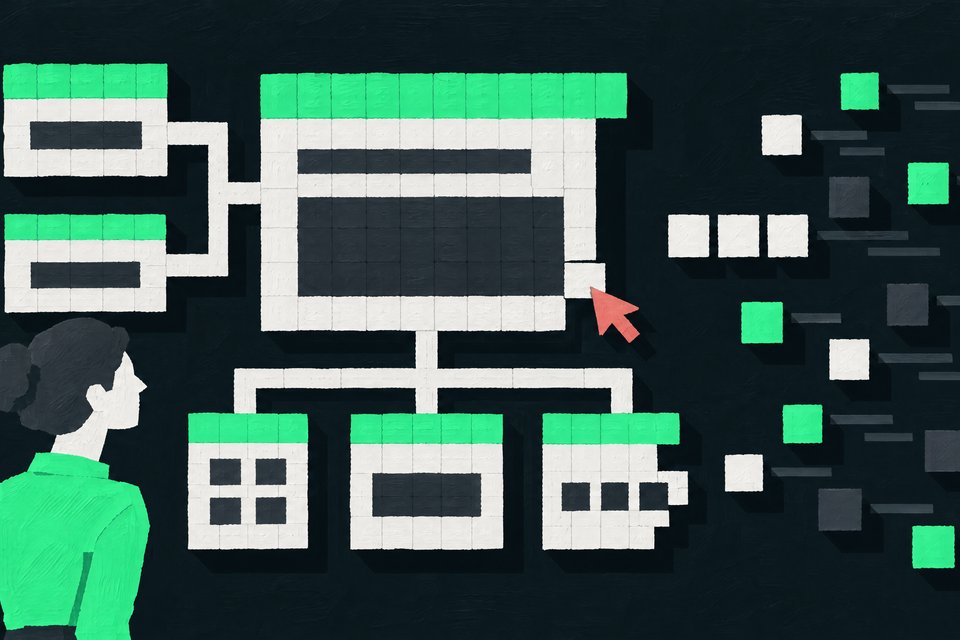
MCP connects AI to tools. Orchestrators coordinate agents. Here's the real comparison, the security data, and why production systems need both plus governance.