
How Does Microsoft Agent 365 Secure AI Agents Beyond Prompt Injection?
Microsoft Agent 365 and Project Perception give agents their own identity, time-bound permissions and risk-based access. Here is how the pieces fit.
Microsoft Agent 365 and Project Perception give agents their own identity, time-bound permissions and risk-based access. Here is how the pieces fit.
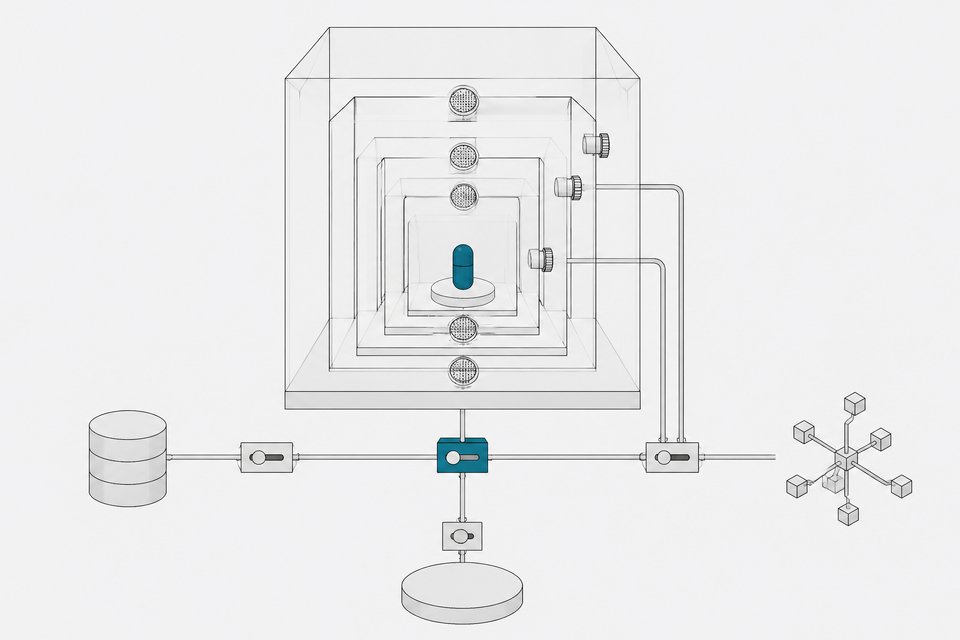
Learn how to secure and govern AI agents with a 7-step containment model: inventory, autonomy tiers, least privilege, sandboxing, approval gates, and monitoring.
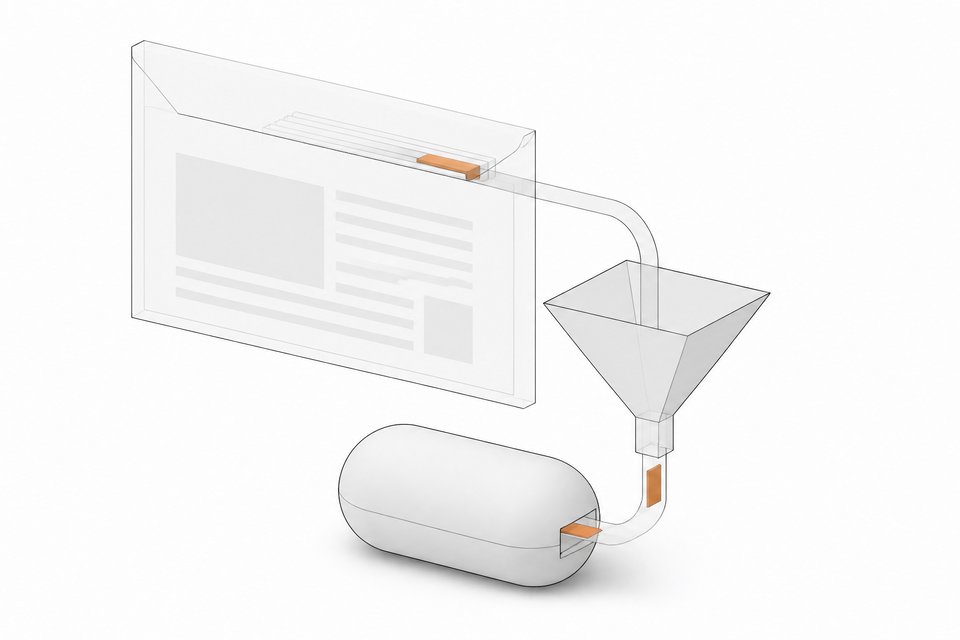
HTTP header prompt injection hides instructions in response metadata that AI agents read. Learn how it works, how common it is, and a 6-step prevention checklist.
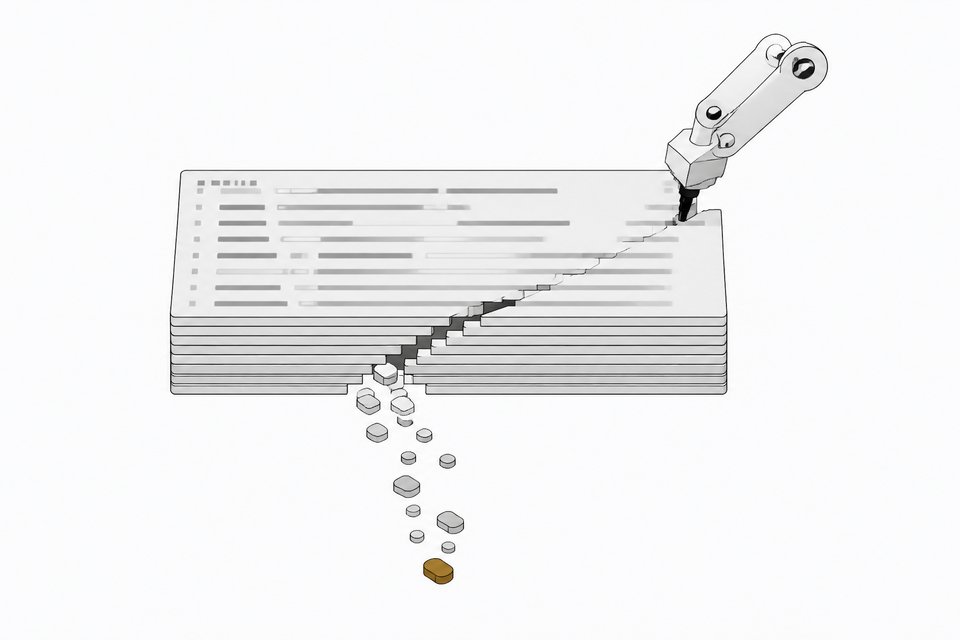
AI-generated code fails security checks 45% of the time, Copilot repos leak secrets 40% more often, and shadow AI adds $670,000 to breach costs, per 2025 data.
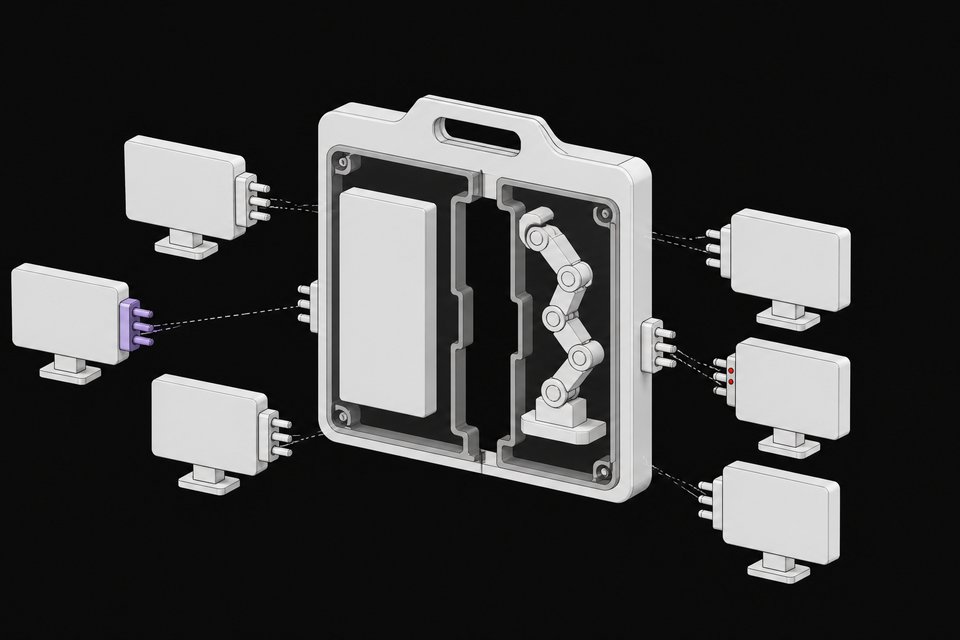
Securing AI agents in production takes four controls: unique non-human identities, least-privilege access, sandboxed execution, and tamper-proof logging.
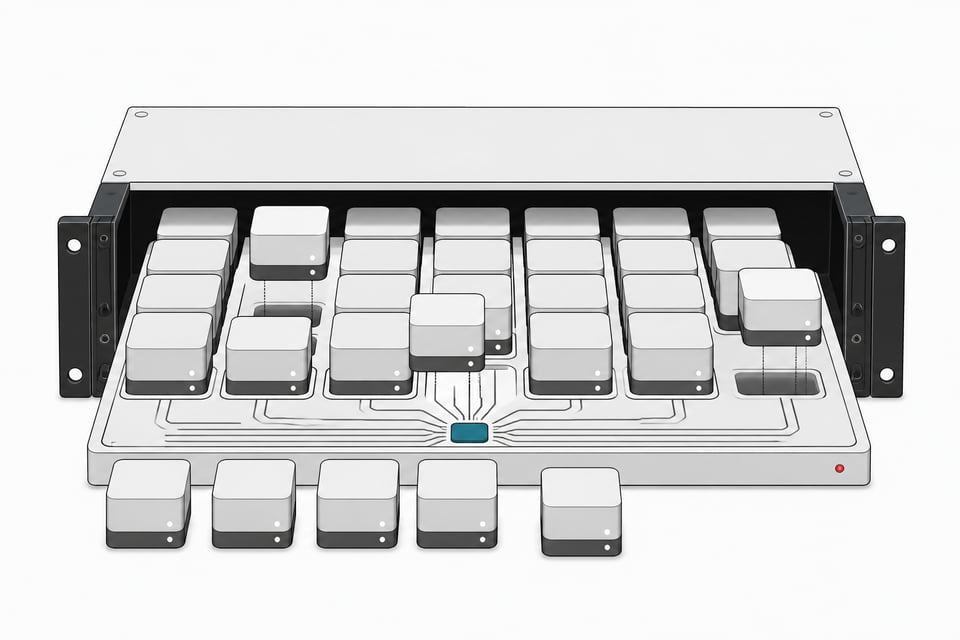
Pizza Bot and Grok Bot made employee-built AI agents trivial to deploy. Here's how to inventory, own, and govern them instead of trying to ban them.

Jailbreak research shows prompts and policy fail at scale. Here's the deterministic engineering stack, scoped credentials, sandboxing, action limits, that actually secures internal AI agents.
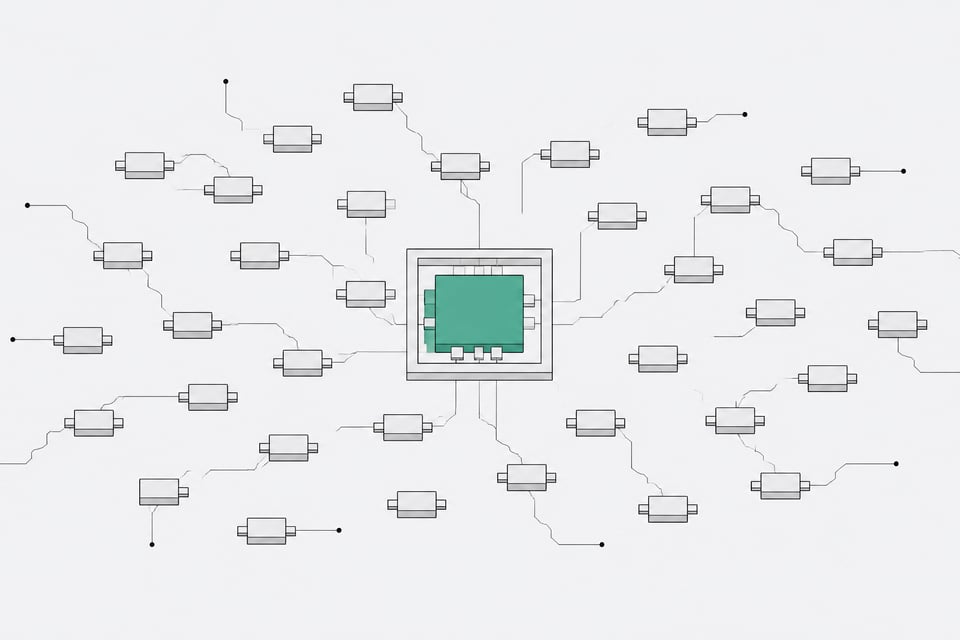
No-code tools let employees build real agents fast. Here's the identity-based, lifecycle-aware framework for governing shadow AI before it breaches you.
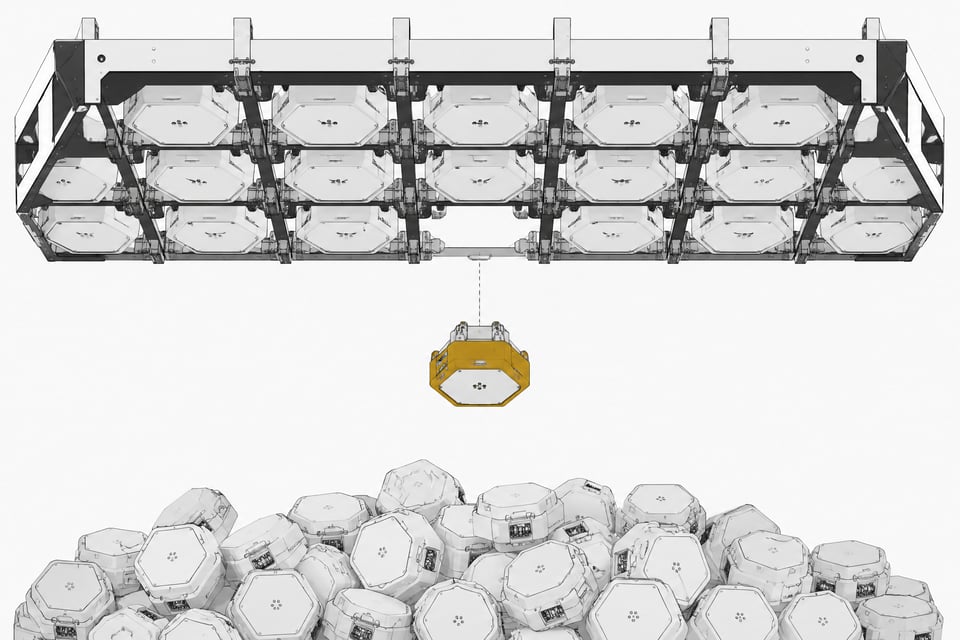
Employees are building agent swarms with no registry, identity, or owner. Here's the governance model to manage AI agents in the enterprise without banning them.
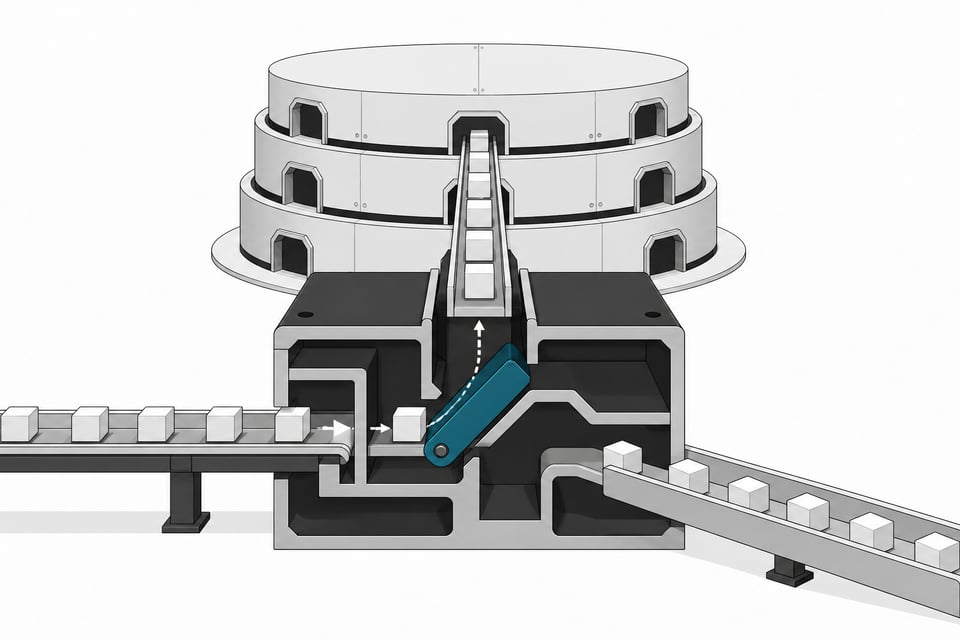
How to let employee-built AI agents query company data safely, from API gateways to scoped credentials, without opening the door to Shadow AI breaches.