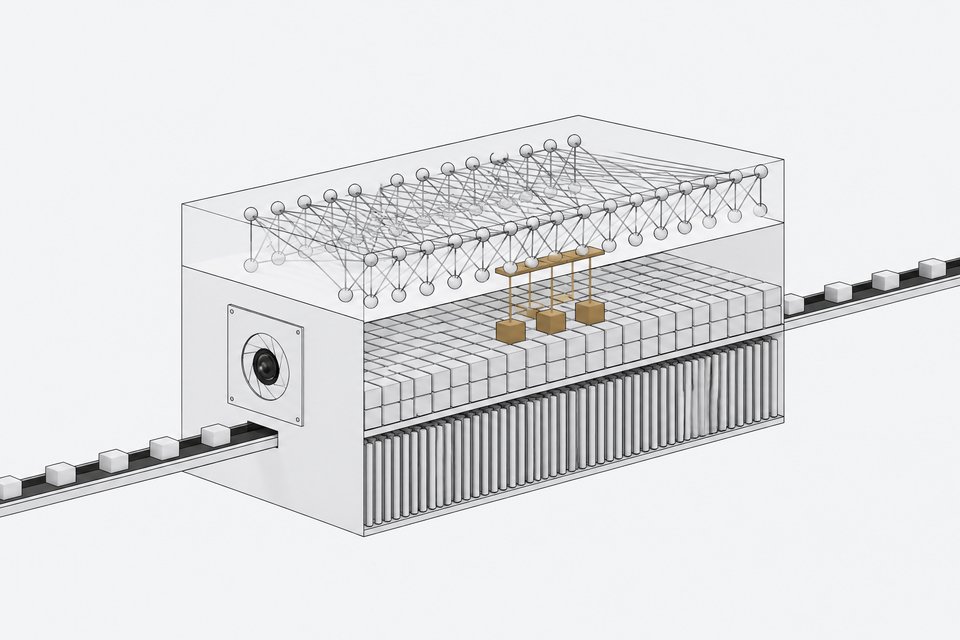
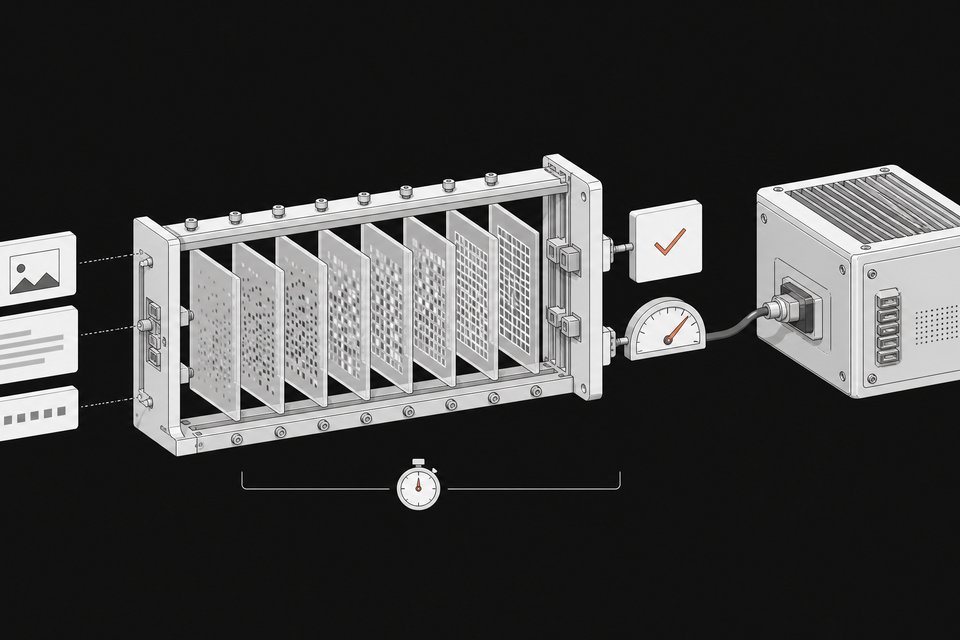
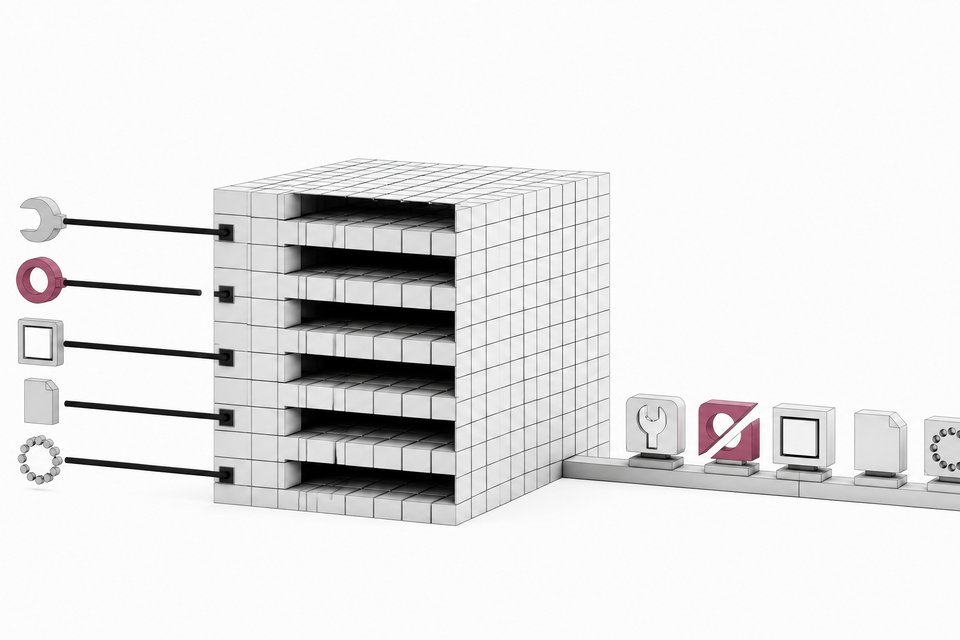
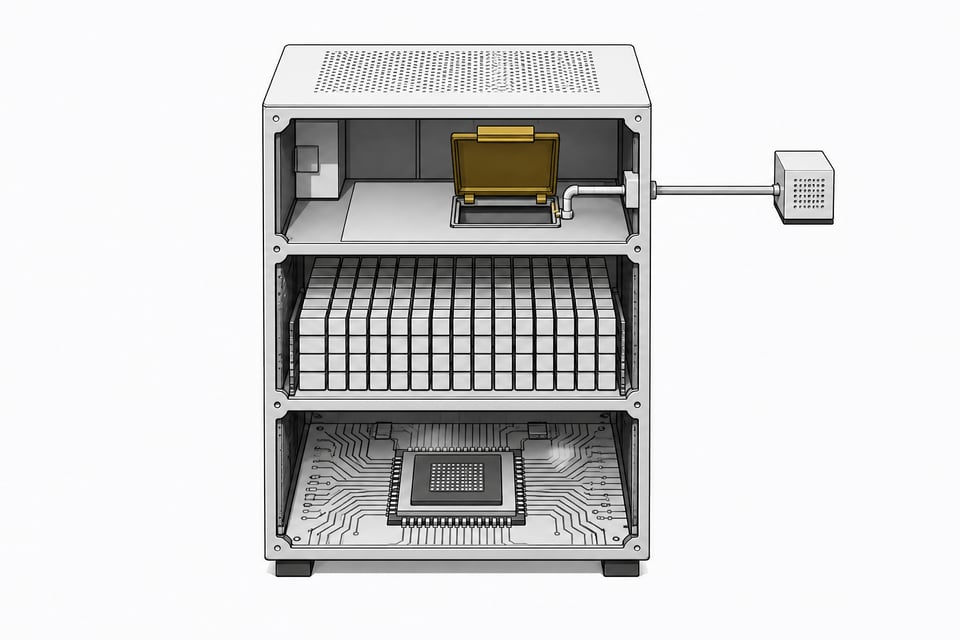
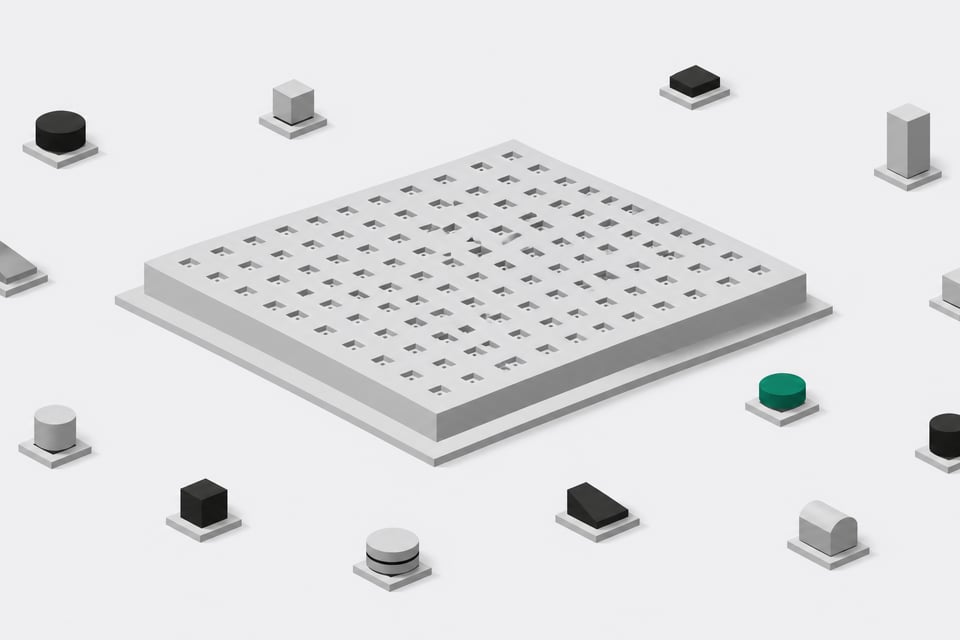
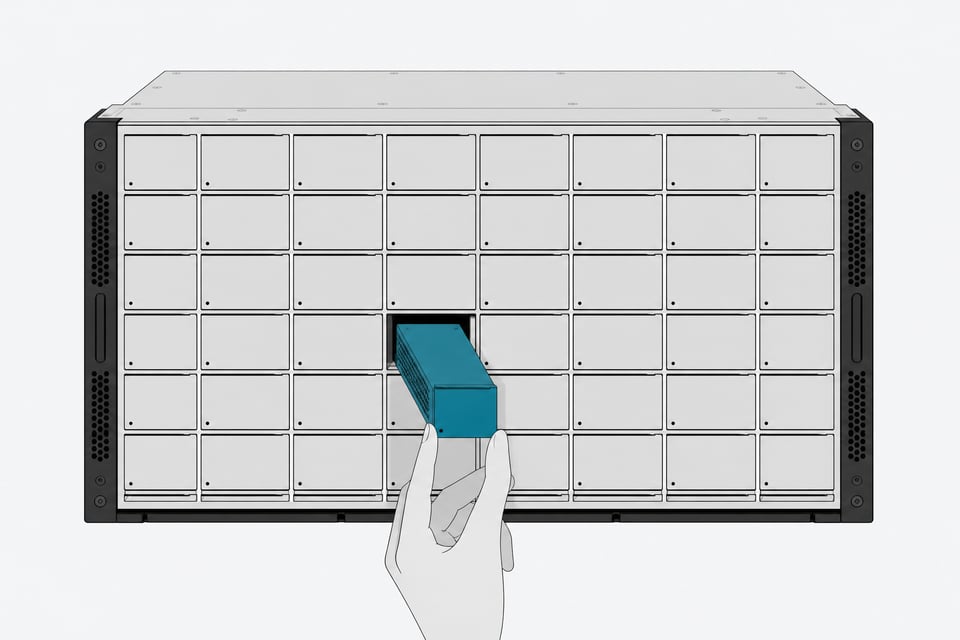
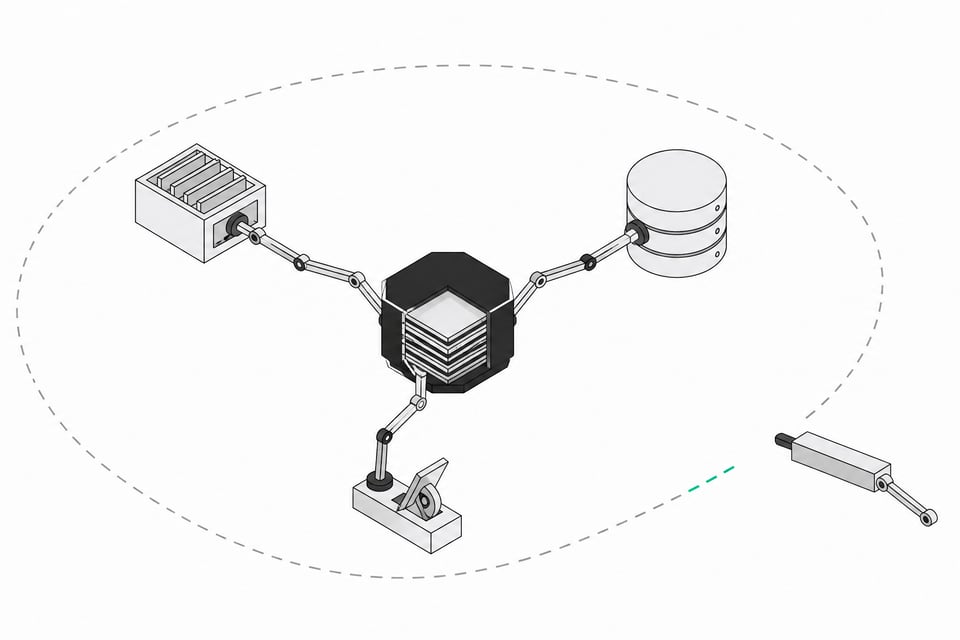
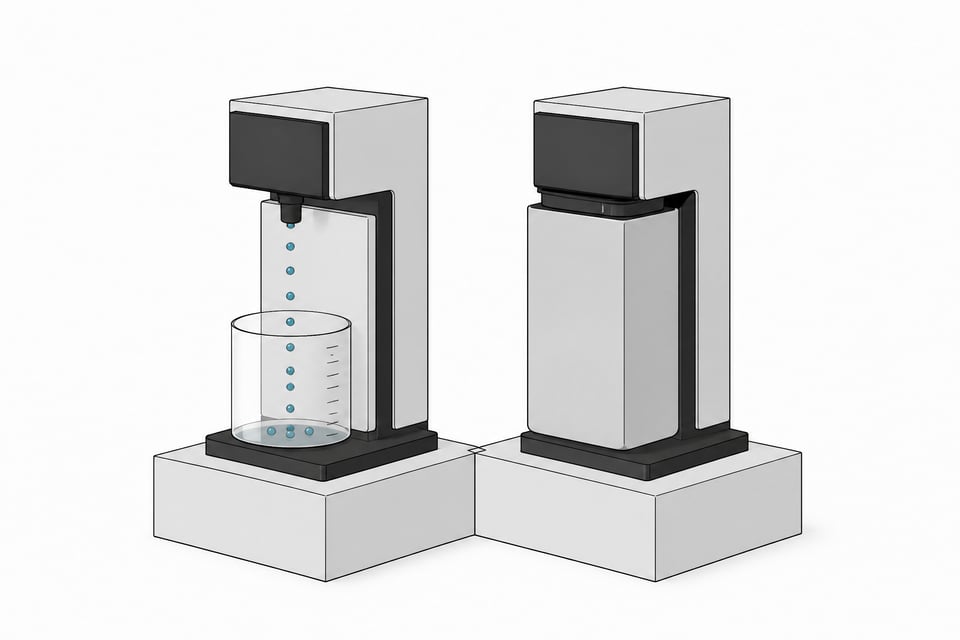
NVIDIA's open-weight Nemotron 3.5 Super VL uses Mamba-2, MoE and attention with 120B total, 12B active parameters and 1M context. Here is where it fits.
Nemotron 3.5 Super VLMamba-2 mixture of expertsNVIDIA open weights
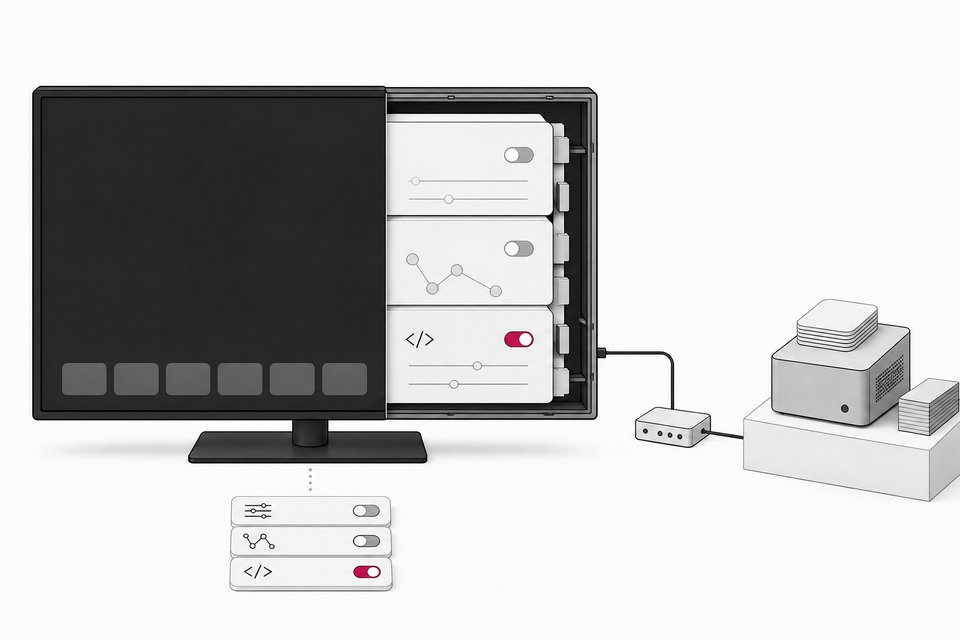
Enable developer mode on an LG or Android TV, find its IP, and point Hermes agent at a local Qwen model in Ollama to manage settings with an undo list.
Hermes agent Ollamacontrol smart TV with AILG TV developer mode AI agent
Learn how two loops, escalation memory and trace-based fixes in LangSmith Engine, help a production agent learn from mistakes while humans stay in control.
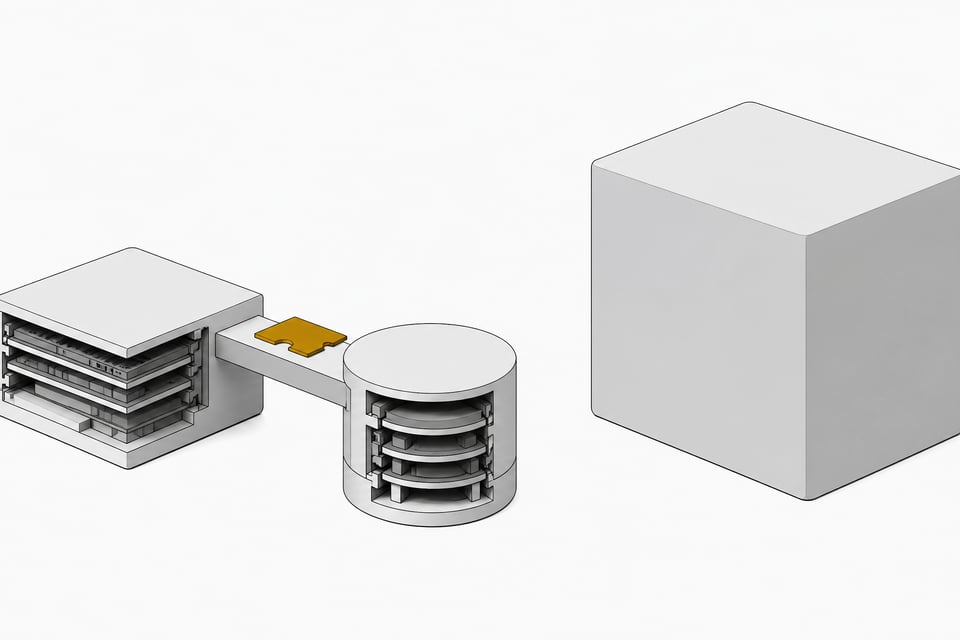
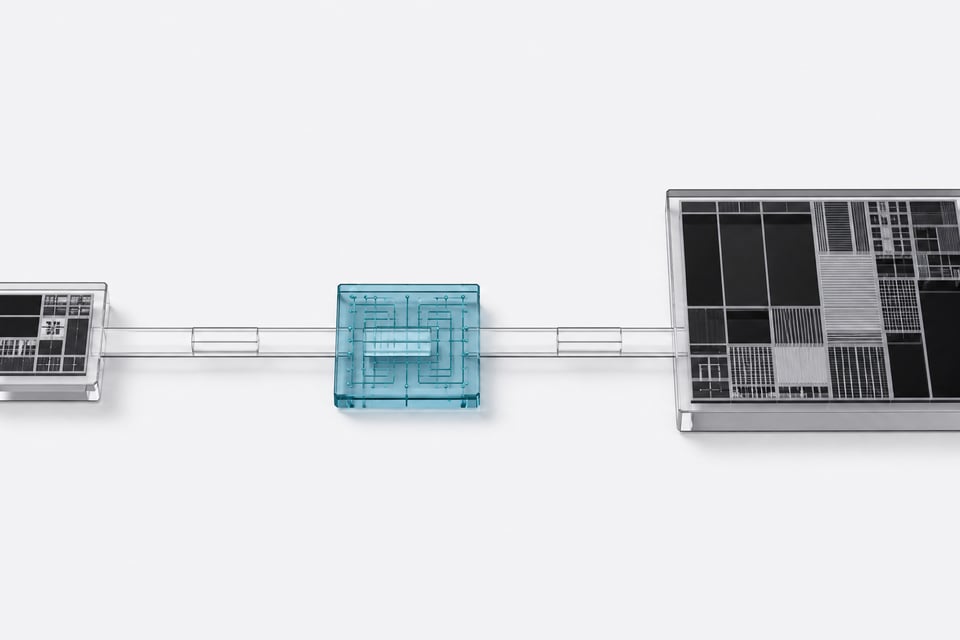
Mercury Decide returns an answer and probability in about 0.16 seconds, now with images. How it works, its independent evals, and how to pair it with Mercury 3.
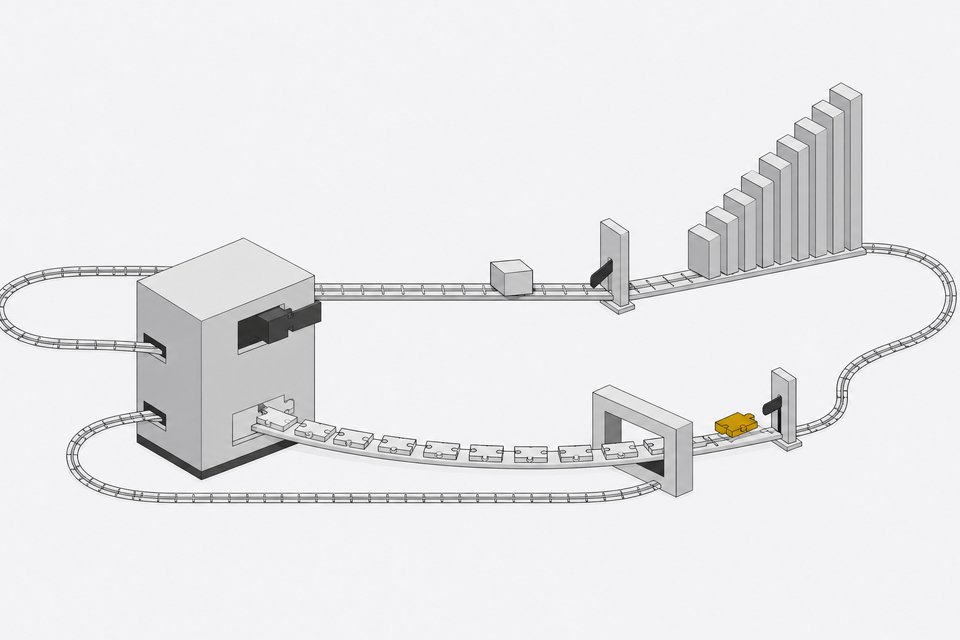
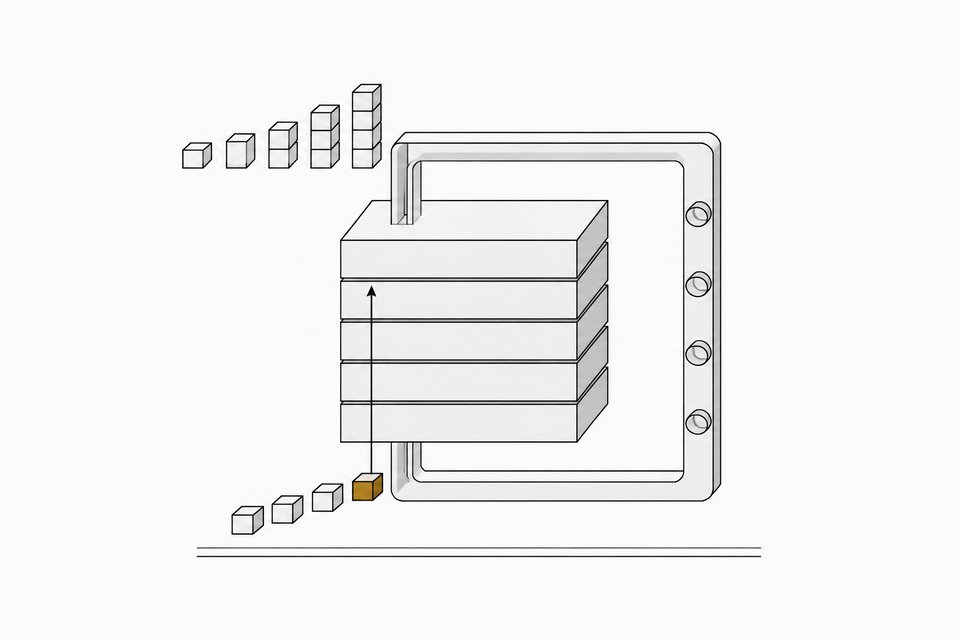
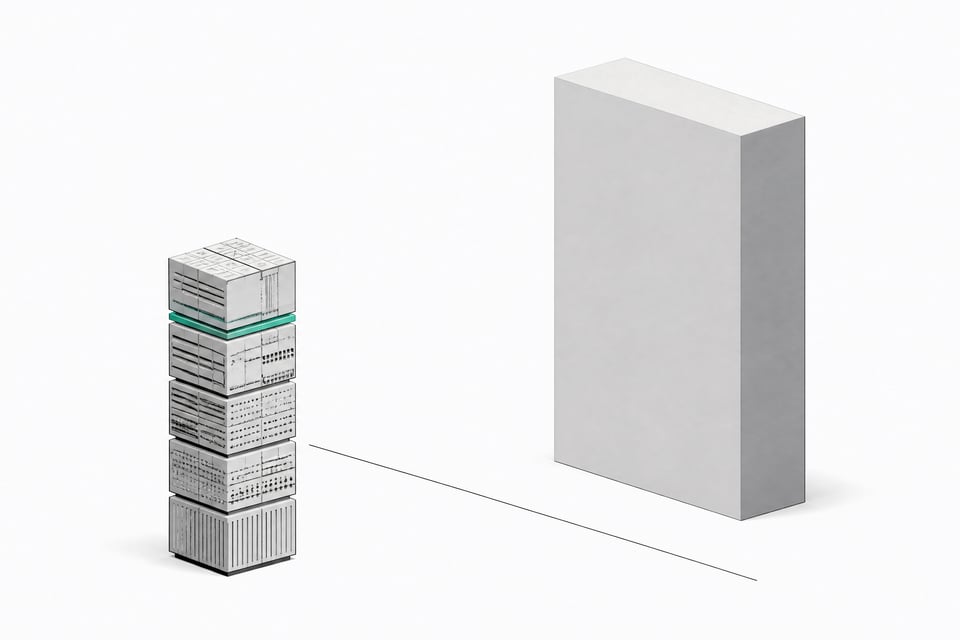
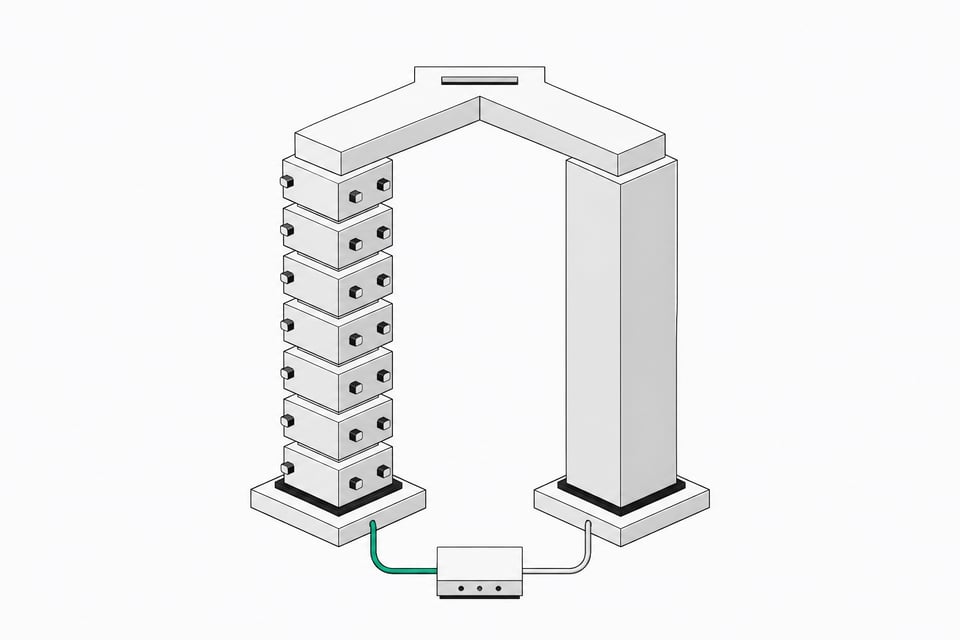
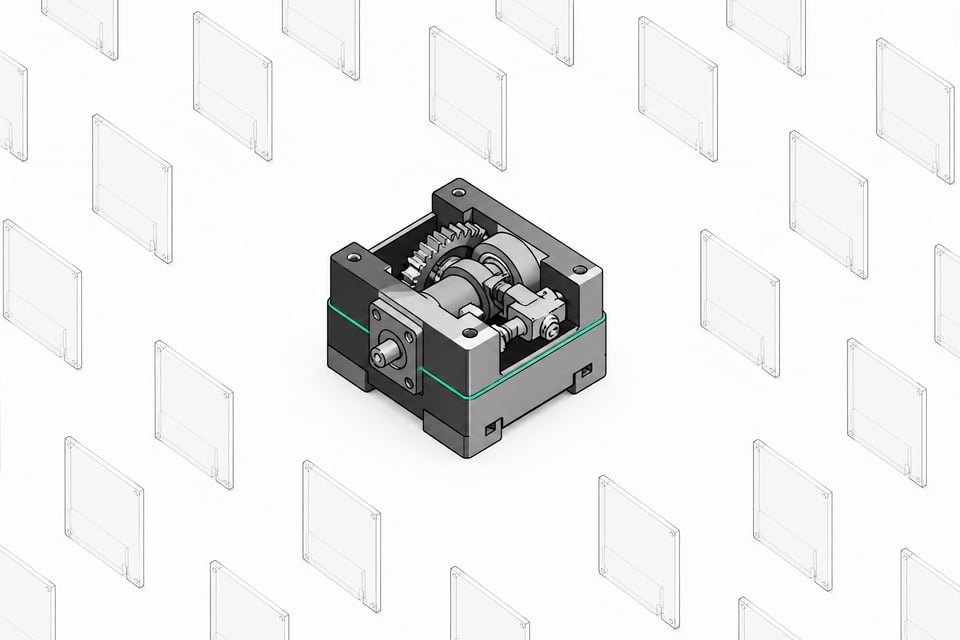
Dory1.0-4B is NVIDIA's looped 4B language model that reuses a shared layer block to scale compute per token. Architecture, loop counts, and benchmarks.
Nemotron Dory 1.0 4Blooped language modellatent recurrent LLM
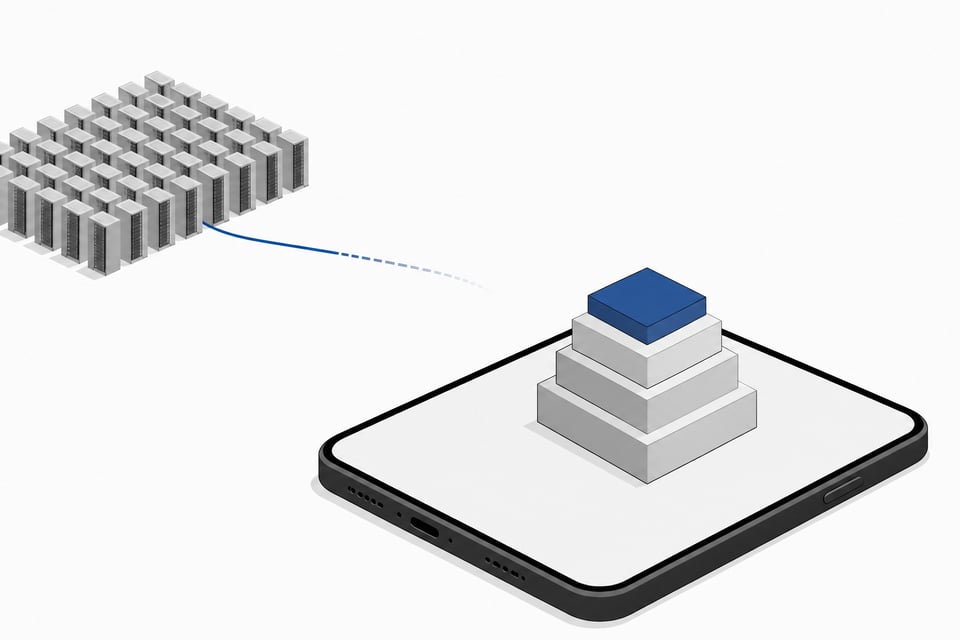
Compare cloud AI API pricing with self-hosting a local LLM. See GPU rental rates, hidden staffing costs, and the monthly token volume where self-hosting wins.
local LLM vs cloud API costself-hosting LLM break-evenAI API pricing
Ornith-1.5-122B tested on a Docker bug fix, vision, screenshot reasoning, creative HTML and 80-language translation. Here is where it held up and failed.
Ornith 1.5 reviewOrnith 1.5 122B testopen weight coding model
Compare per-agent helpdesk SaaS pricing from Zendesk and Freshdesk with building an internal ticketing tool on Cloudflare Workers and D1 for about $5 a month.
build vs buy helpdesk softwareinternal helpdesk softwareCloudflare Workers D1 helpdesk
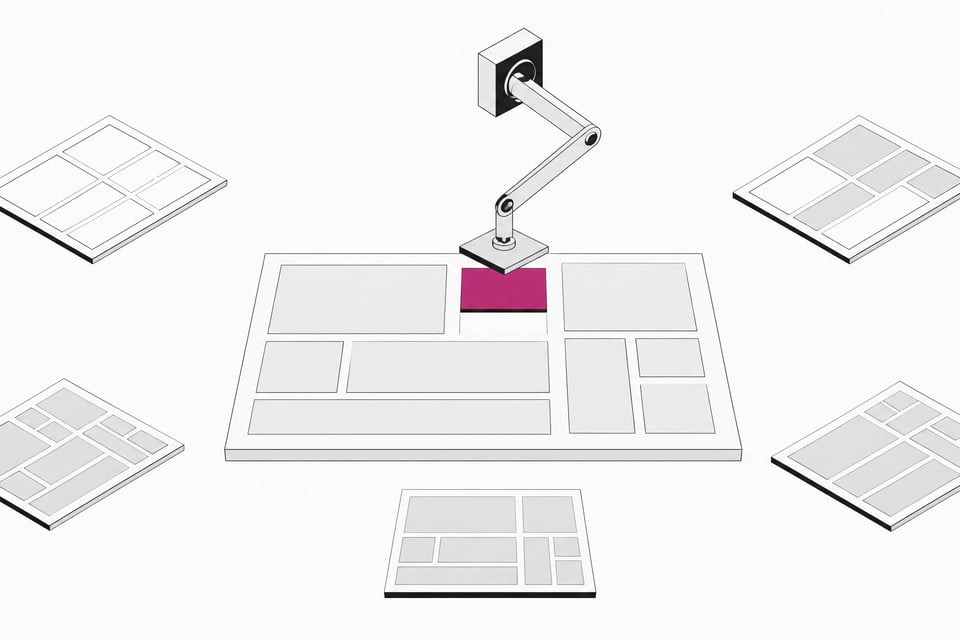
GPT-6 Astra generates finished UIs from one prompt and operates software by reading the screen. See how it works, benchmark scores, pricing, and limits.
GPT-6 AstraGPT-6 Astra UI generationAI computer use
When does building a custom Rust query engine with DataFusion or DuckDB beat SaaS analytics? Compare cost thresholds, team size, and real case studies.
build vs buy query enginecustom query engine RustDataFusion
How the EU AI Act, state right-to-compute laws like Montana's SB 212, and Meta's Llama license shape open source AI rules, and what builders should check.
open source AI regulationright to computeEU AI Act open source exemption
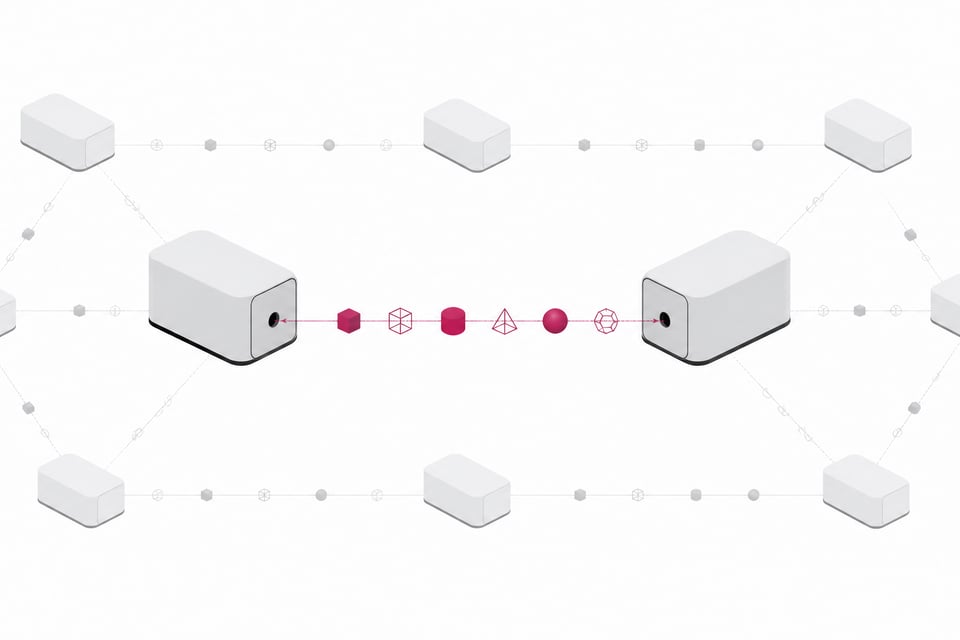
AI agents communicate through protocols like MCP and A2A, and sometimes invent their own channels. Learn how it works, the risks, and how to govern it.
can AI agents talk to each otherMCP vs A2Aagent-to-agent communication
Shadow AI can trigger AI-washing fraud charges, EU AI Act fines, and scraping lawsuits. See who holds the legal liability inside a company and how to govern it.
Learn how to secure shadow AI agents built by employees: inventory them, limit access, add human checkpoints, and defend against prompt injection and EchoLeak-style attacks.
Compare AI API pricing per task with per-seat SaaS subscriptions for internal tools, with code review cost math, break-even points, and SaaS waste data.