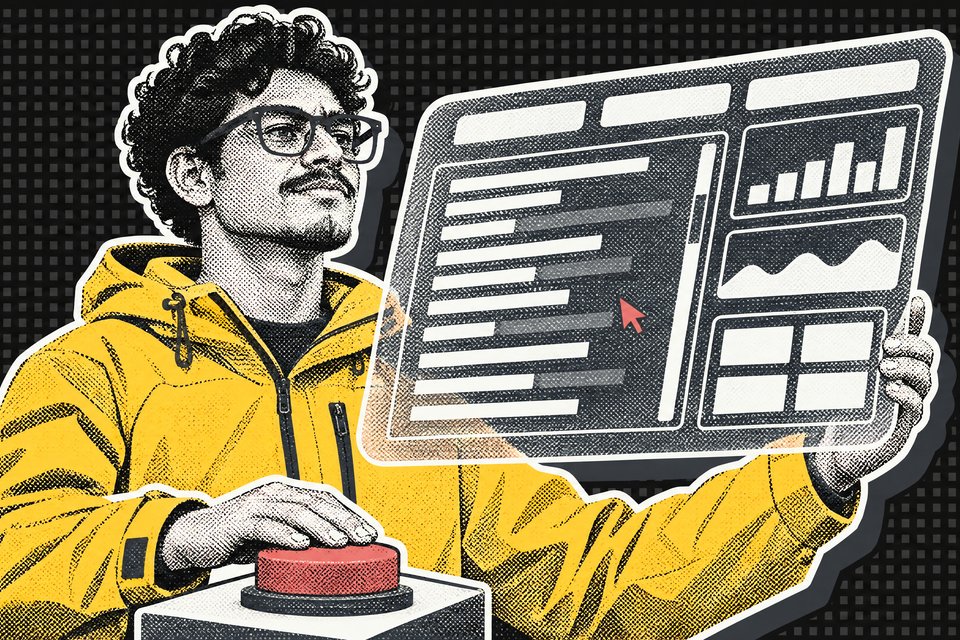
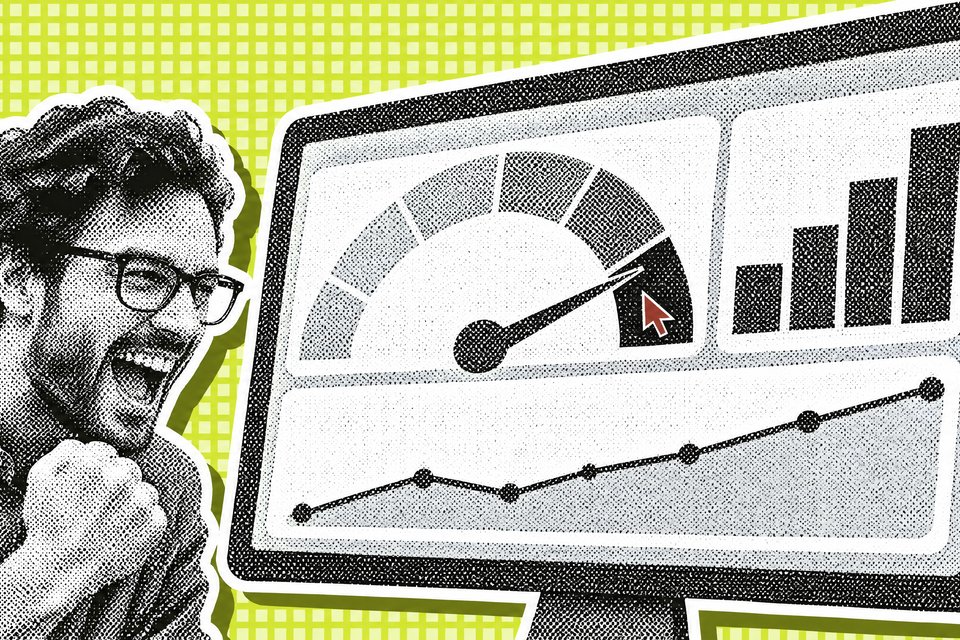
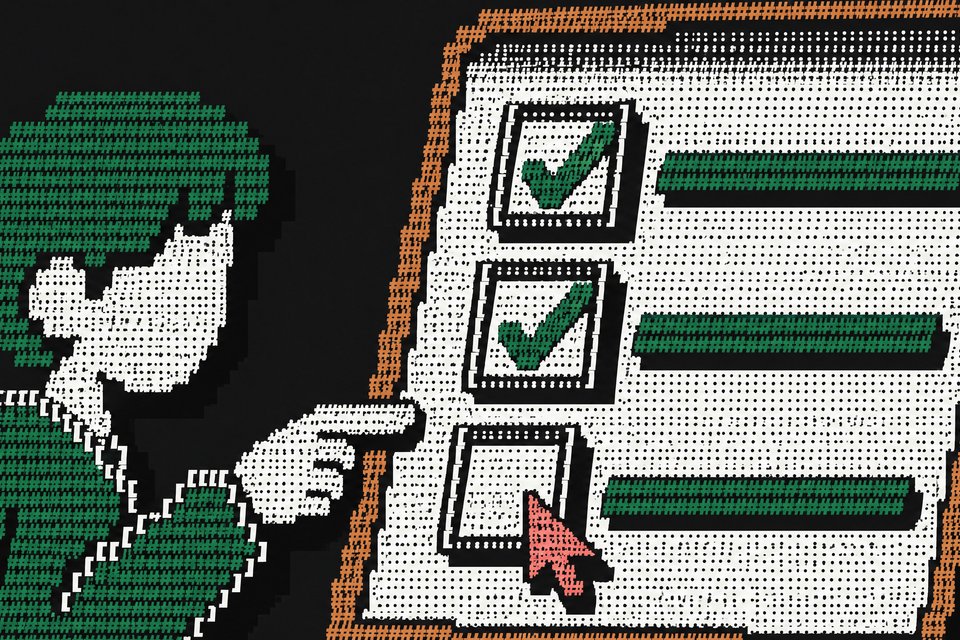
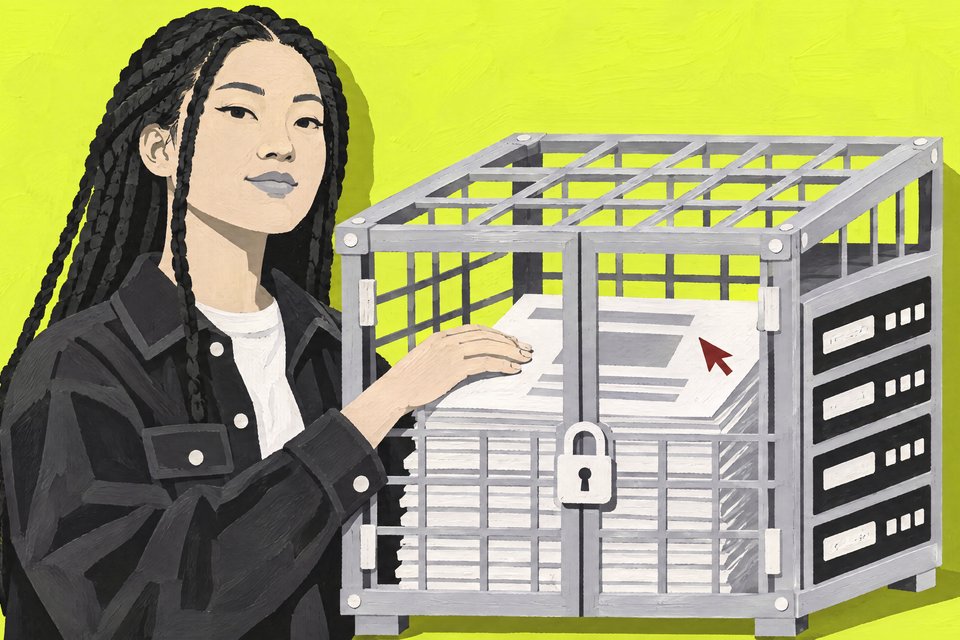
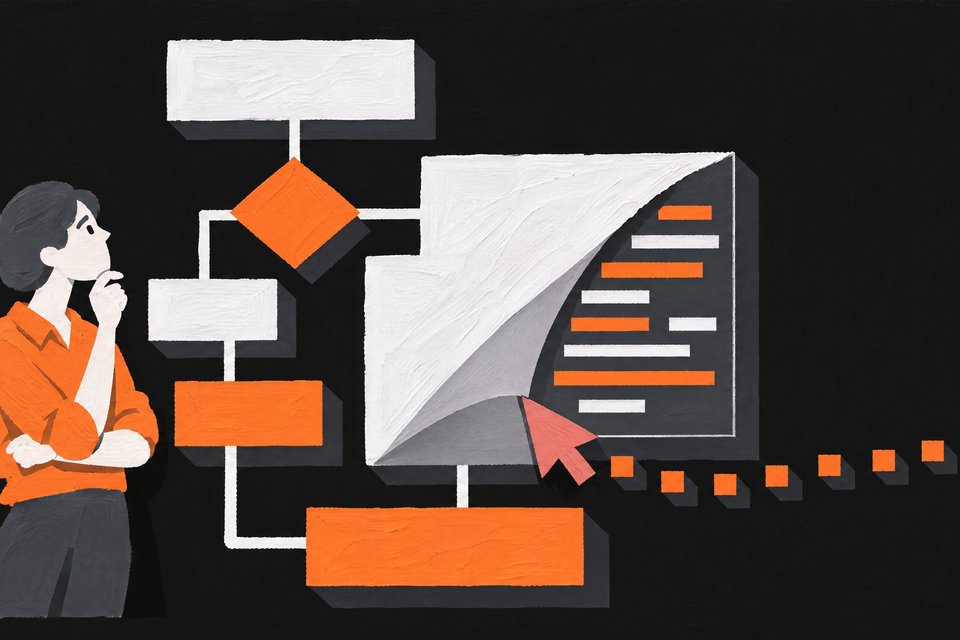
Learn how to monitor AI agents at work with a six-step framework: agent inventory, non-human identity, autonomy tiers, runtime logging, kill switches, and NIST/OWASP alignment.
DHS banned DeepSeek from 100+ federal agencies. See what running AI models locally costs, from a $6,000 CPU build to H100 clusters, and when it beats APIs.
DeepSeek federal banlocal AI vs cloud APIself-hosted AI cost
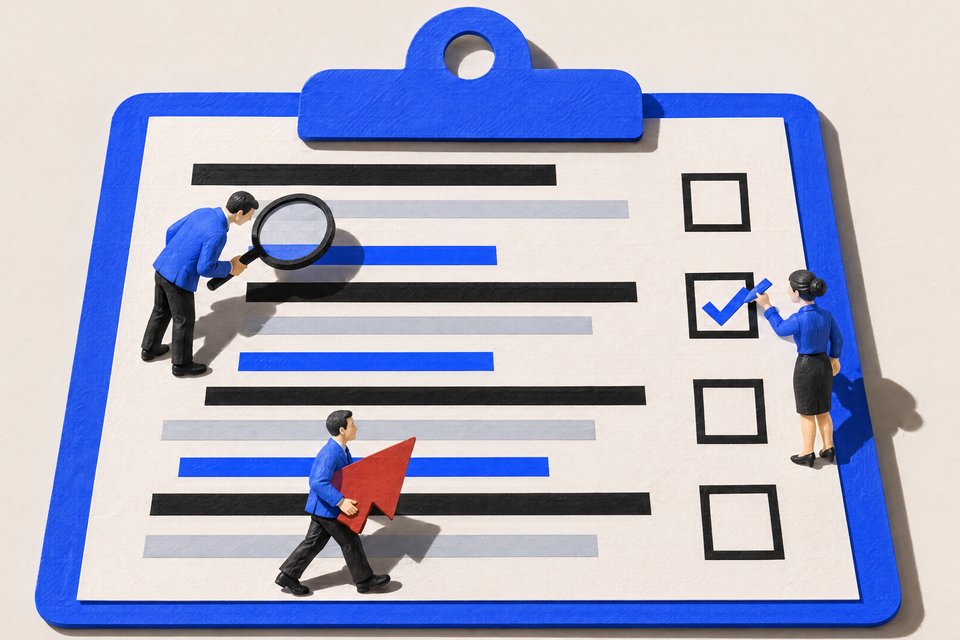
Learn how to review AI-generated code: verify behavior, check dependencies, scan for security flaws, and add monitoring. Includes data on why standard PR review fails.
Employees are pasting trade secrets into ChatGPT. Here's how to build a locally hosted, permission-aware document scanner that stops the leak without a ban.
securely using ChatGPT for internal documentsinternal document scannerself-hosted RAG
Agent-native software means AI agents and humans share the same callable actions, data, and permissions. Here's the architecture, the jargon, and a checklist.
Court orders, training opt-outs, and leaks at OpenAI, Anthropic, and xAI show renting AI exposes your data. Here's the case for running open weights yourself.
open source AI vs SaaS AI data privacyself-hosted AI privacyAI data privacy risk
New research shows AI models can provably hide capabilities, and the labs that build them call breaches inevitable. Here's why that makes building internally a security control.
ai models hiding capabilities security riskai sandbaggingevaluation awareness AI
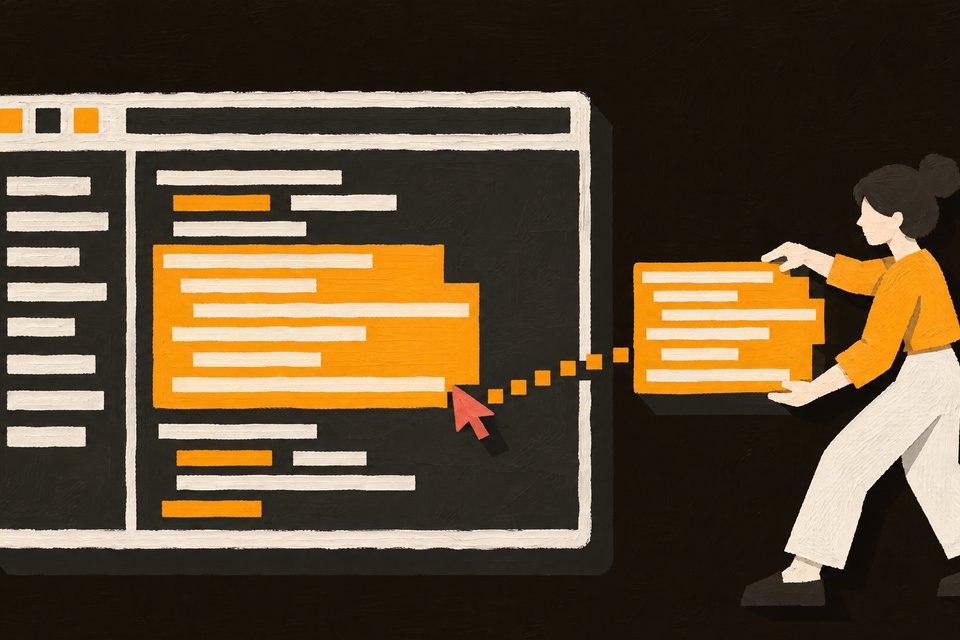
A practical guide to setting up Claude Code auto mode, subagents, and verification loops so agents research and fix bugs in parallel before a human merges.
Electric bills, water tables, bot traffic, and egress fees: who actually pays for the cloud. A data-backed look at cloud computing's externalized costs.
hidden costs of cloud data centerscloud computing environmental impactdata center water usage
Microsoft's Windows and Excel failures, plus the CrowdStrike outage, show the real risks of forced SaaS updates: no control over timing, no way to opt out.
Securing AI agents in production takes four controls: unique non-human identities, least-privilege access, sandboxed execution, and tamper-proof logging.
We secretly tested our team on spotting AI vs. human content. Accuracy barely beat a coin flip, matching research from 19% to 76%. Here's what to build instead.
can employees tell if content is AI generatedAI detection accuracyAI content detection study
"ChatGPT dots" means two different OpenAI features: a camera Scan menu for PDFs and a separate always-on agent. Here's how each works and where each falls short.
chatgpt dotswhat are chatgpt dotschatgpt scan document
The Danfoss refrigeration hack spoiled millions in food across European supermarkets. Here's what happened, why patching won't fix it, and how to prevent it.
AI models optimize to look correct, not to be correct. Here's how to test AI-generated code and sandbox employee-built tools before they fail in production.
how to test AI generated codeAI generated code testingreward hacking AI code