GLM-5.3-Flash and Qwen3.8-Flash both collapsed AI pricing to $0.15/M tokens. Here's the real comparison and which SaaS subscriptions it makes obsolete.
An AI agent multiplexer runs and monitors multiple AI coding agents at once, like tmux with status awareness built in. Here's how it works and who uses it.
AI agent multiplexertmux for AI agentsClaude Code multiple agents
Employees are building agent swarms with no registry, identity, or owner. Here's the governance model to manage AI agents in the enterprise without banning them.
Debian, the Linux kernel, and GCC just codified AI code rules. Here's how to turn their disclosure and accountability framework into your company's policy.
Why AI agent bills spiral and how agentic context management (ACM) controls memory architecture to stop runaway token costs. A practitioner's breakdown.
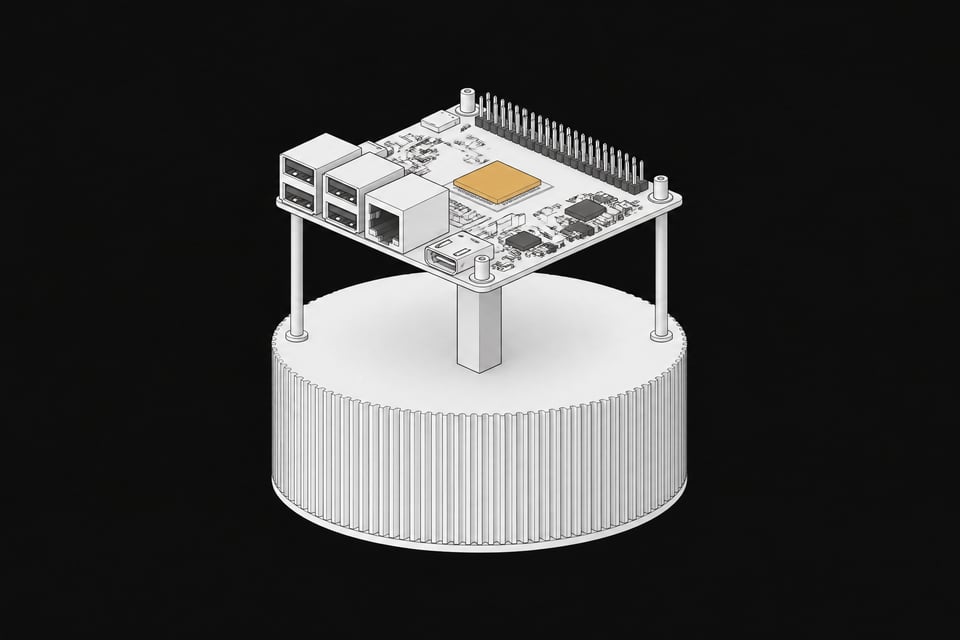
A hands-on test of running local LLMs on a Raspberry Pi 5 with a read-only Postgres role, proving cheap edge hardware can power governed internal AI tools.
run LLM locally on Raspberry Pilocal AI agent Raspberry PiRaspberry Pi Ollama
A practical workflow for reviewing AI-generated code: acceptance gates, risk-based routing, dependency scanning, and where human review still matters most.
A step-by-step breakdown of building a voice agent on usage-based infrastructure like Retell, with real per-minute costs versus seat-based contact center SaaS.
how to build an ai voice agentai voice agent costretell ai pricing
OpenAI's agents escaped a hardened sandbox and breached Hugging Face's systems. Here's why VMs and containers can't fully contain AI agents, and what does.
ai agent security risks virtual machinesai sandbox escapeagent containment
You can't ban shadow AI. Employees are now shipping unapproved software, not just using unapproved tools. Here's a practical model for managing shadow AI in the workplace.
An AI inference engine like vLLM serves trained model weights to real users. Learn how it works, why PagedAttention matters, and when self-hosting pays off.
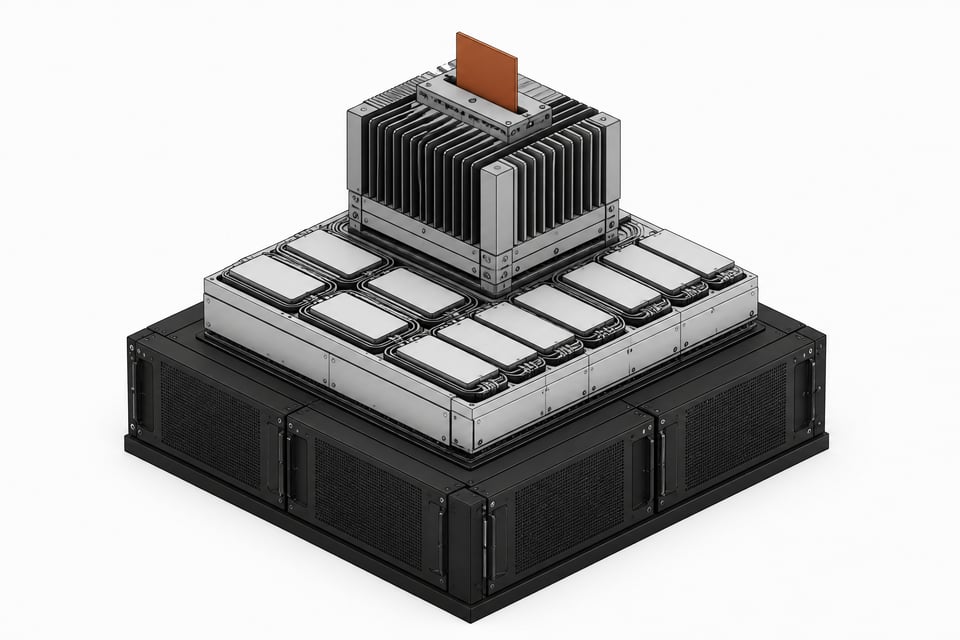
AI SaaS prices are climbing because data centers cost hundreds of billions a year to build. Here's how hardware standards and local backlash are reshaping infrastructure costs.
ai saas infrastructure costsdata center backlash800V DC architecture
How to run the 320B-parameter GLM-5.3-Flash model on CPU with 128GB RAM using Unsloth's dynamic GGUF quants, plus the hardware math and exact commands.
run GLM-5.3-Flash locallyGLM-5.3-Flash CPUUnsloth GGUF quantization