Microsoft's Windows and Excel failures, plus the CrowdStrike outage, show the real risks of forced SaaS updates: no control over timing, no way to opt out.
Bitwarden now defaults to commercial-license builds. Here's what changed, why it echoes HashiCorp, Redis, and Elastic, and how to build an owned fallback.
A category-by-category guide to replacing rented SaaS with AI-built internal tools, with honest build costs, real company savings, and governance guardrails.
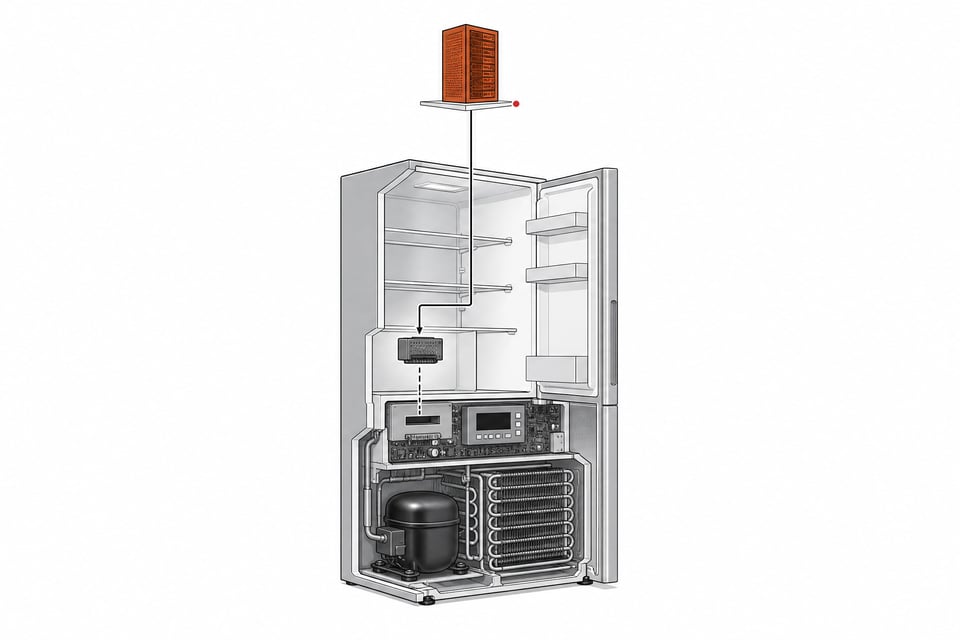
Samsung bricked fridges mid-holiday in 2026. Revolv, Sonos, and iRobot did the same before. Here's what cloud-dependent hardware actually risks, and the fix.
risks of cloud dependent hardwarecloud dependent hardwaresmart device bricking
Cancellation traps, SSO paywalls, fragile SAML, and OAuth breaches: the six documented hidden costs of renting your SaaS stack, and how ownership removes them.
hidden costs of enterprise SaaSSaaS hidden feesSSO tax
AI agents execute whole workflows, not just tasks, breaking per-seat SaaS pricing. Here's the real data on when to build your operations stack instead of renting it.
replace SaaS with AI agentsAI agents vs SaaSbuild vs buy AI agents
AI inference now costs pennies per task, but the average SaaS seat still runs $9,324 a year. Here's the real cost math on building internal AI workflows vs. renting SaaS.
cost to build internal AI workflowSaaS per-seat pricingbuild vs buy AI
RE4, Mario 64, and Ocarina of Time decompilers rebuilt source code by hand. Here's what that reveals about the real benefits of owning software vs SaaS.
owning software vs SaaSbenefits of software ownershipSaaS waste statistics
DVRs, cars, printers, and tractors are turning into subscriptions. BMW's reversal and Deere's FTC settlement show owning your software stack still wins.
Broadcom pulled VMware's migration toolkit after price hikes up to 1,050%. Tottenham Hotspur saved 85% and Computershare moved 24,000 VMs. Here's the data.
From 1993 Amiga assembly to 220 billion lines of COBOL, AI now automates the expensive part of modernization: understanding old code. Here's the proof.
AI legacy code modernizationmodernize COBOL with AIAI code migration
Per-check pricing makes buying identity verification look cheap. The IDScan and IDMerit breaches show what that price leaves out. Here is the real math.
cost of building vs buying identity verificationidentity verification SaaS breachKYC build vs buy