Tauri vs. Tcl/Tk: Which Framework Should You Use for Internal Desktop Tools?
Choosing between Tauri and Tcl/Tk for internal desktop tools? Compare bundle size, security, dev experience, and longevity with real benchmark data.

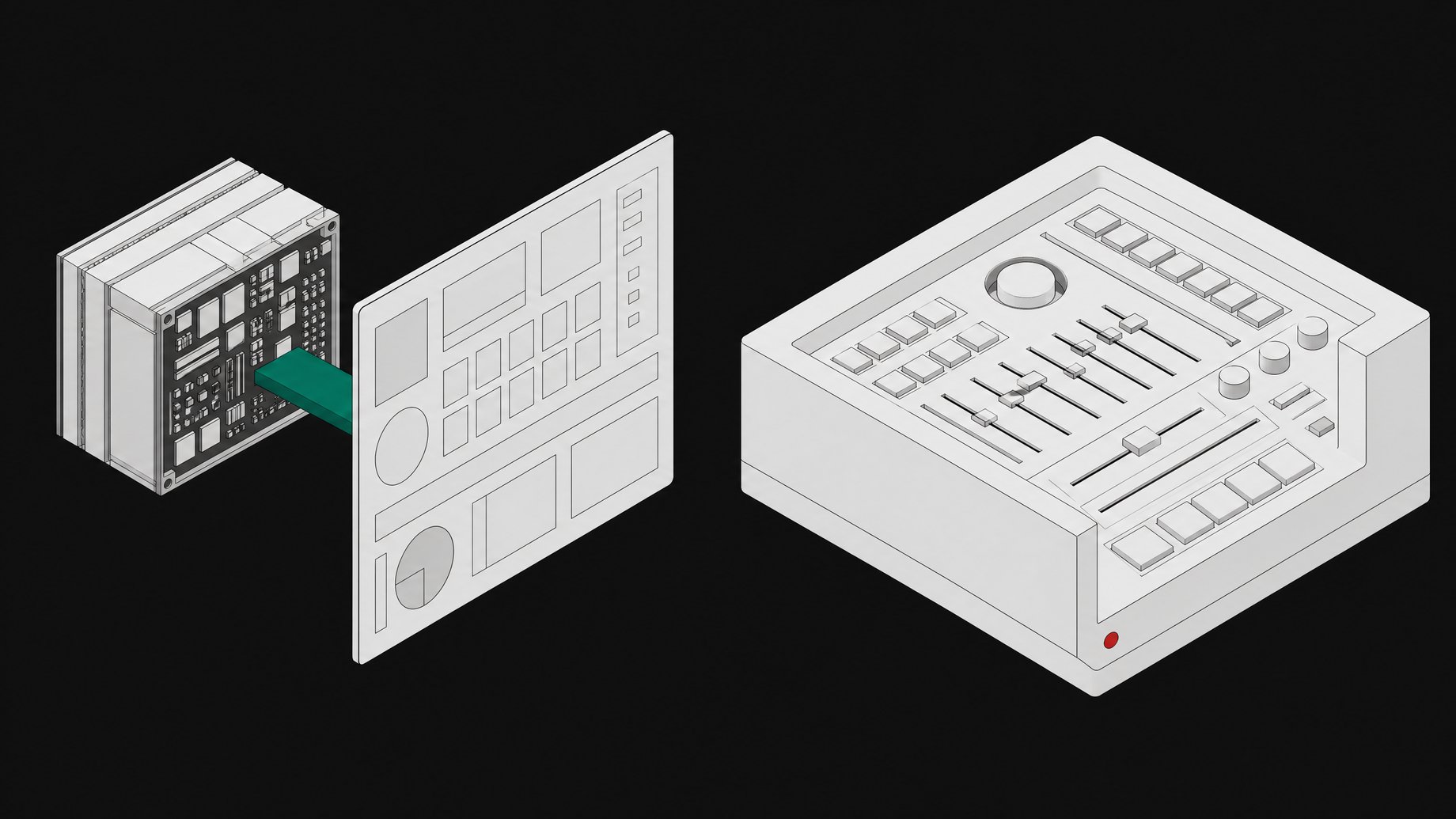
Should you use Tauri or Tcl/Tk for internal desktop tools?
Pick Tauri if you want a small, secure binary built by developers who already know web tech. Pick Tcl/Tk if you want an interpreter that has run unattended for decades and needs almost nothing installed to work. The right answer depends on your team's skills and how long the tool needs to survive, not on which framework is newer.
TL;DR
- Tauri apps use far less memory and disk space than Electron because they reuse the operating system's browser engine instead of bundling their own.
- Tcl/Tk remains a viable choice for internal tools thanks to its zero-dependency footprint of about 100MB.
- Tauri 2.0 can build the same codebase for iOS and Android, so it offers mobile deployment that Tcl/Tk has no equivalent for.
- Tauri's Rust build step is much slower than a JavaScript build, which creates a learning curve for teams that don't already know Rust.
- Tauri's explicit permissions model gives you something concrete to point to in a security review, while Tcl/Tk needs more manual discipline around input handling.
- The decision to own the tool at all matters more than the framework, since building beats renting another SaaS seat for a small internal utility.
Why does this decision matter now?
Organizations now spend an average of $55.7 million a year on SaaS and manage over 300 applications, much of it purchased outside IT's control. Ninety-eight percent of executives admit to bypassing IT for tech purchases, and 48% of SaaS spend comes from business units acting on their own. That's the backdrop for a growing pattern: teams building small internal tools themselves instead of paying for another subscription. Our piece on self-hosted alternatives to enterprise SaaS covers the economics of that shift. This one covers what comes after you decide to build: which desktop framework you actually reach for.
Most people frame this as "Rust vs. Python" or "modern vs. legacy." Wrong frame. The real choice is between two philosophies: a compiled binary that borrows your operating system's browser engine, and an interpreter that has run unattended on factory floors and chip design workstations since before most of your engineers were born.
What is Tauri and why does it exist?
Tauri compiles your app to a native Rust binary and renders the UI with the OS's own WebView: WebView2 on Windows, WKWebView on macOS, WebKitGTK on Linux. Instead of bundling a full copy of Chromium and Node.js the way Electron does, it reuses what's already on the machine. The payoff shows up in binary size and memory: a Tauri app with six windows open used about 172MB of RAM against Electron's 409MB for the same app, with an 8.6MiB bundle versus Electron's 244MiB. A separate comparison of a real production app found similar gaps: a 2.5MB Tauri installer against an 85MB Electron installer, and roughly 80MB of idle RAM on Windows versus 120MB for Electron.
Tauri also ships with a permissions and capabilities system that scopes exactly what each window and command can touch, replacing an older allowlist model, and the project has gone through external security audits. That's a meaningfully different security posture from Electron's default of full Node.js API access.
What is Tcl/Tk and why did it never go away?
John Ousterhout wrote Tk in 1991 as a GUI extension for the Tcl scripting language, and it won the ACM Software System Award in 1997. It's still standard equipment: it ships inside Python as tkinter, and has bindings for Perl, Ruby, Go, Haskell, R, and more. Far from abandoned, Tcl/Tk 9.0 landed in September 2024, 27 years after the 8.0 release, adding 64-bit values, full Unicode, zip-file-as-filesystem packaging, and native desktop notifications.
What's more interesting is where it actually runs. Git's bundled git gui and gitk are Tcl/Tk apps. Cisco IOS uses Tcl for its Embedded Event Manager scripting. Nearly every major chip design tool from Xilinx, Cadence, and Siemens leans on Tcl, and engineers at Intel, NVIDIA, and AMD use Tcl/Tk to build the internal GUIs that control simulation farms and hardware testers. None of that is legacy cruft nobody wanted to replace. It's mission-critical tooling that stayed in Tcl/Tk because it works and nobody has a good reason to rewrite it.
How do Tauri and Tcl/Tk compare on bundle size and memory?
The numbers above (Tauri's 8.6MiB bundle and 172MB RAM footprint versus Electron's 244MiB and 409MB) show what "lightweight, webview-based" buys you in the modern category. Tcl/Tk plays a different game entirely. A full installation with the common packages people actually use runs about 100MB, and it can be packaged into a single-file distributable via starkits or zipkits that needs no separate runtime install on the target machine. Startup is effectively instant because there's no compile step and no browser engine to spin up. If your target machines are old, locked-down, or air-gapped, that 100MB, zero-dependency footprint is hard to beat, even against Tauri's leaner numbers.
Which is faster to build with, Tauri or Tcl/Tk?
Tauri's Rust build step is dramatically slower than a JavaScript build: one benchmark measured roughly 80 seconds for a Tauri build against 16 seconds for the equivalent Electron build. If your team already writes Rust and modern frontend code, that's a one-time tax per release cycle, not per feature. If your team doesn't know Rust, the learning curve is real.
Tcl's syntax is unusual by design: everything is a string, and code and data share the same representation. That makes simple scripts fast to write and fast to run, but experienced Tcl shops still warn newcomers to expect an idiosyncratic learning curve. Community threads on using tkinter consistently land on the same conclusion: it's well suited to small internal company tools, like data or file processing utilities distributed to a handful of coworkers, not customer-facing software. For this use case, that's a feature, not a limitation. You're not shipping a polished consumer product. You're replacing a spreadsheet macro or a $40-a-seat SaaS tool with something your team owns outright.
How do they compare on security and long-term maintenance?
This matters most for anyone thinking about governance, not just engineering convenience. Tauri's capabilities model lets you scope precisely what a window or command can access, and the project has published audit results addressing real vulnerability classes like ZipSlip path traversal. That's a governable, inspectable security model, which matters if this tool touches internal databases or credentials. Our piece on securing database access for internal AI agents covers the same instinct applied to a different layer of the stack.
Tcl's core design, everything as a string with code and data sharing the same representation, means malformed input can end up executed as a command if you're not careful. That risk is well understood in the Tcl community, and it's part of why even legacy Tcl shops like Cisco have pushed newer development toward more structured languages like Python. Tcl also has no centralized package manager comparable to npm or cargo, so dependency management is manual. Neither issue disqualifies an internal tool with a small, known set of inputs. Both deserve a real answer before you ship anything that touches sensitive data, which is exactly the kind of question we cover in our coverage of shadow AI tooling and the governance gap it creates.
How do they differ on cross-platform consistency and mobile reach?
Because Tauri uses the native webview per platform, your UI can render slightly differently across Windows, macOS, and Linux, since WebKit on macOS and Linux has its own quirks compared to Chromium. Tk, by contrast, uses native platform widgets and theming, so a Tk app tends to look and feel like a first-class citizen on whatever OS it's running on, at the cost of looking dated by modern web-UI standards.
The one place Tauri pulls decisively ahead is mobile. Tauri 2.0, stable since 2024, lets you build the same codebase to iOS and Android alongside desktop, writing native code in Swift or Kotlin and exposing it to the same frontend. Tcl/Tk has no equivalent story. If your internal tool needs to run on a warehouse tablet as well as a desktop, that alone can settle the decision.
Which one should you actually pick?
Run through these before you commit:
| Footprint | Build Speed | Mobile Support | Explicit Security Model | Learning Curve for Web Devs | Track Record / Longevity | |
|---|---|---|---|---|---|---|
| RecommendedTauriModern, security-conscious tools that may need mobile reach | Low | Low | Yes | Yes | Low | Medium |
| Tcl/TkUltra-lightweight, decades-durable internal utilities | Low | High | No | No | Medium | High |
- Team skills. If your engineers already write JavaScript or TypeScript and are comfortable picking up Rust, Tauri's build friction is a manageable cost. If your team prefers quick scripting languages and doesn't want a compile toolchain, Tcl/Tk removes that barrier entirely.
- Target OS mix and mobile need. If the tool needs to run on phones or tablets as well as desktops, Tauri is the only one of the two that gets you there.
- Deployment constraints. Locked-down, air-gapped, or ancient hardware favors Tcl/Tk's roughly 100MB, no-runtime footprint. Standard modern machines absorb Tauri's binary comfortably, given its 2.5-8.6MB range depending on the app.
- Longevity requirements. Tcl/Tk has a 30-plus-year track record running unattended in production, including a real major release as recently as 2024. Tauri is newer, but its 2.0 release and ongoing security audits suggest active, well-funded maintenance.
- UI sophistication needed. If the tool needs a modern, branded, visually rich interface, Tauri's web-based UI layer gets you there fast. If it's a utility that a handful of engineers will run daily and never screenshot for a customer, Tk's native widgets are perfectly adequate.
- Security governance. If the tool touches sensitive data or credentials, Tauri's explicit permissions model gives you something concrete to point to in a review. Tcl/Tk requires more manual discipline around input handling given its string-as-code design.
One more thing worth naming plainly: neither choice matters if the tool never gets built because nobody wants to own the infrastructure decision. That's part of why platforms like Remy exist, to take the framework debate off the table for teams that just need internal tools shipped and governed without becoming a second full-time job.
Bottom line
Tauri is the right call for a modern, security-conscious, visually polished internal tool built by a team comfortable in JavaScript or TypeScript that might need to reach a phone screen someday. Tcl/Tk is the right call for an ultra-lightweight, decades-durable utility maintained by a small team who'd rather have something boring and reliable than something impressive. Both beat renting another SaaS seat for a tool three people on your team could build in a week. The framework choice is smaller than it looks. The decision to own the tool at all is the one that actually saves money.
Frequently Asked Questions
Is Tauri or Tcl/Tk better for a small internal tool used by five people?
For a tiny, low-polish utility, Tcl/Tk is often the faster path: no build toolchain, roughly 100MB footprint, and instant startup. If the tool needs a more modern interface or might grow into something client-facing, Tauri's smaller learning curve for web-fluent teams and stronger security model make it the safer long-term bet.
Does Tauri replace Electron for internal tools?
It can. Benchmarks show Tauri apps using roughly 172MB of RAM versus Electron's 409MB for the same app, with dramatically smaller bundle sizes. The trade-off is slower initial build times and some cross-platform rendering inconsistencies from using different native webviews per OS.
Is Tcl/Tk still actively maintained in 2024 and beyond?
Yes. Tcl/Tk 9.0 shipped in September 2024, the first major release in 27 years, adding 64-bit data values, full Unicode support, and zip-file packaging. It's also embedded in Python as tkinter and still runs production tooling at companies like Cisco and major EDA vendors.
Can Tcl/Tk apps run on mobile devices?
Not natively in any meaningful way comparable to modern mobile frameworks. Tauri 2.0, by contrast, supports building the same codebase to iOS and Android alongside desktop, which is a real differentiator if your internal tool needs to reach phones or tablets.
Which framework is more secure for internal tools handling sensitive data?
Tauri has a more auditable security model: a granular permissions and capabilities system plus published external security audits addressing specific vulnerability classes. Tcl/Tk requires more manual input-handling discipline because its everything-is-a-string design can let malformed input execute as code if you're not careful.
How we source, write, and correct our articles. Editorial standards