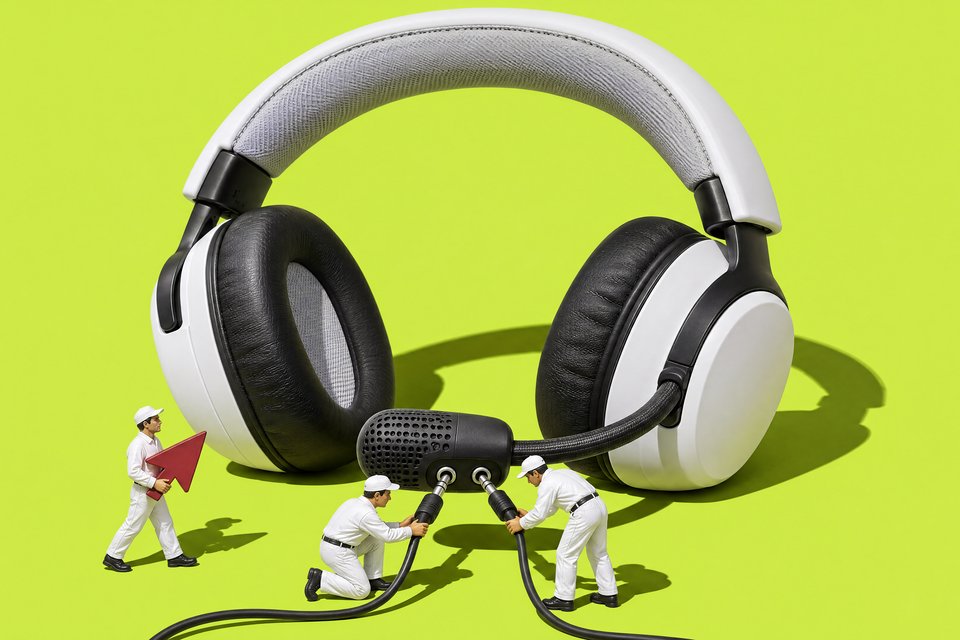
Subvocal's radar-based glasses claim to turn silent mouthing into text at 200+ wpm for $499 pre-order. Here is how they work and what remains unproven.
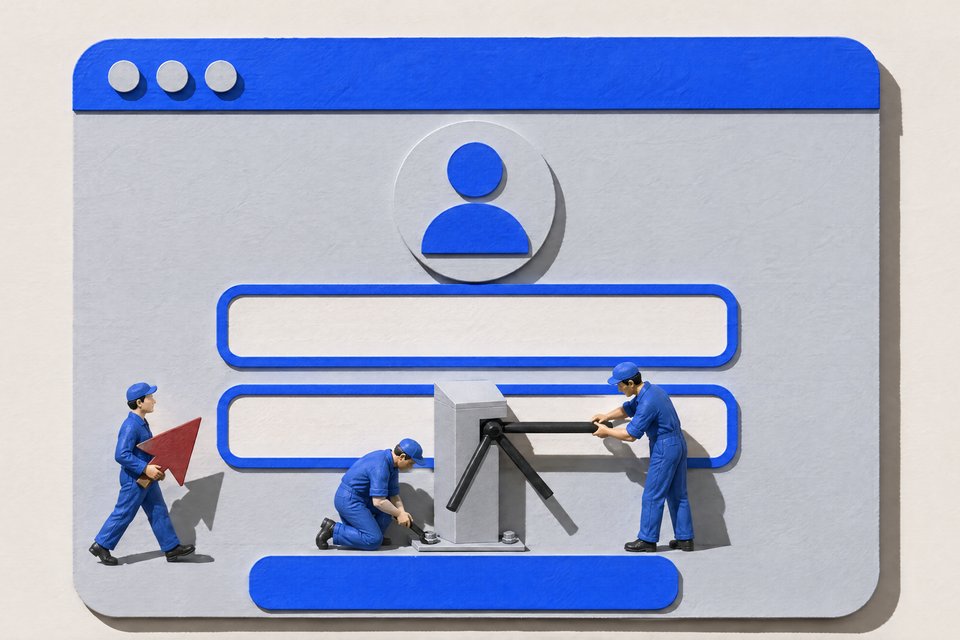
Banks, hotels and schools are deciding how AI agents get in. How signed agents, Visa and Bill, Stripe and Google AP2 shape which sites your agent can use.
AI agents website accessCloudflare signed agentsagent payments protocol
How Liquid AI built LFM3-1.7B-Base: 13 gated short convolutions, 5 sliding-window and 6 global attention layers, and a 22T-token recipe to 256K context.
LFM3 architecturetri-hybrid modelgated short convolution
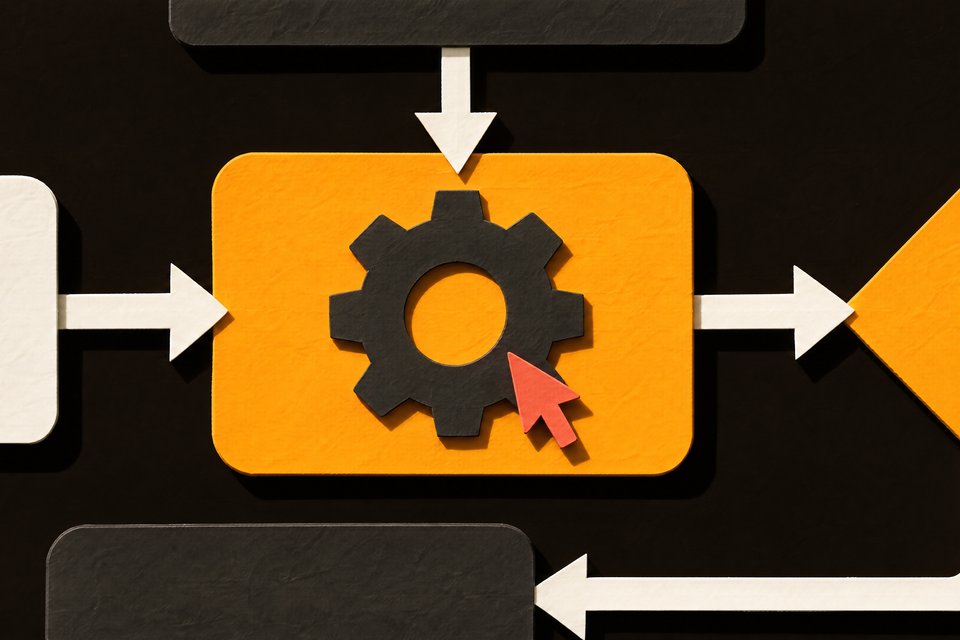
Salesforce, Microsoft, Oracle and OpenAI are opening products to each other. Here is what the agent control plane is and why enterprise vendors want it.
agent control planeSalesforce Microsoft Copilot StudioOracle ChatGPT workspace
Hugo is a furry humanoid robot from Dynamic Creatures with 57 joints and 43 actuators, run by a human remotely today, with customer tests planned for 2027.
Step-by-step: add the open-source Reverse Engineer Anything repo to a ChatGPT project with folder access and remake an installed app like Screen Brush.
Reverse Engineer Anythingclone paid app with AIChatGPT projects folder
Broccoli uses AI voice, text and SMS to run the front office for home-service contractors. Here is what it does and how its YC founders found the idea.
Broccoli AI home servicesAI receptionist for contractorsYC startup $60M ARR
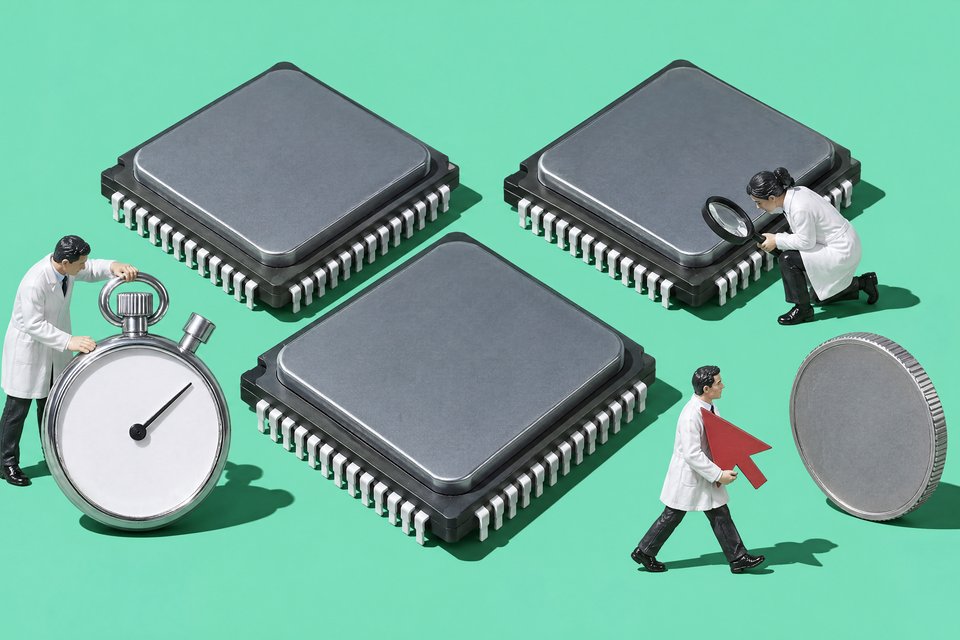
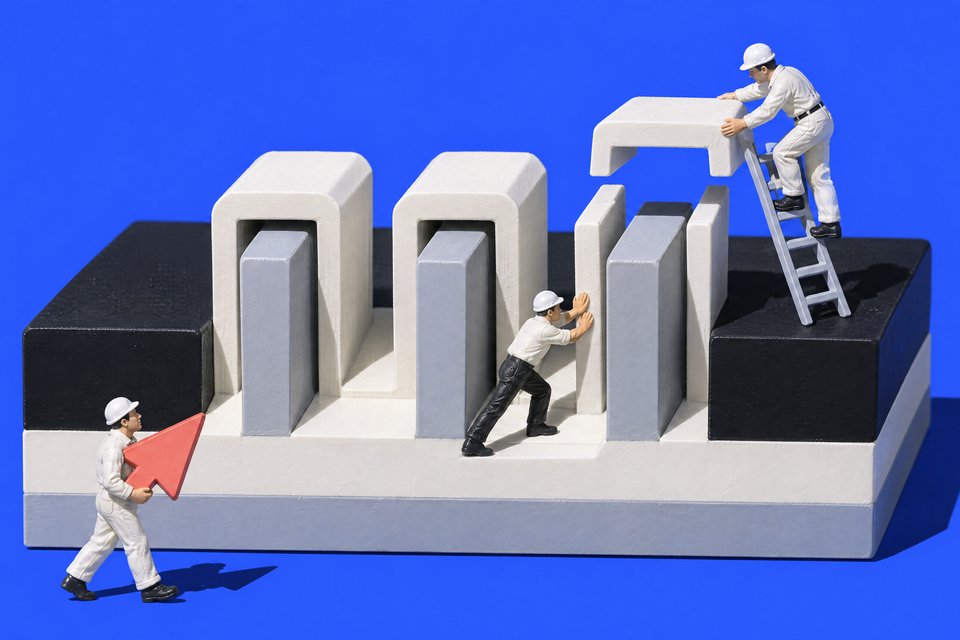
Backside power relaxes front-side pitch, so Intel can print 14A layers in one high-NA pass while TSMC sticks to double-patterned EUV. Plus Intel's PDK lessons.
Stanford's NCM writes text coarse to fine. Independent DGX Spark tests show about 4x speed for one user, slower batching, and a Sudoku result with a caveat.
OpenAI says its model disproved the Exponential Time Hypothesis. Here is what ETH is, how it relates to P vs NP, and what the claim does and doesn't mean.
Exponential Time HypothesisOpenAI ETH disprovedP vs NP AI
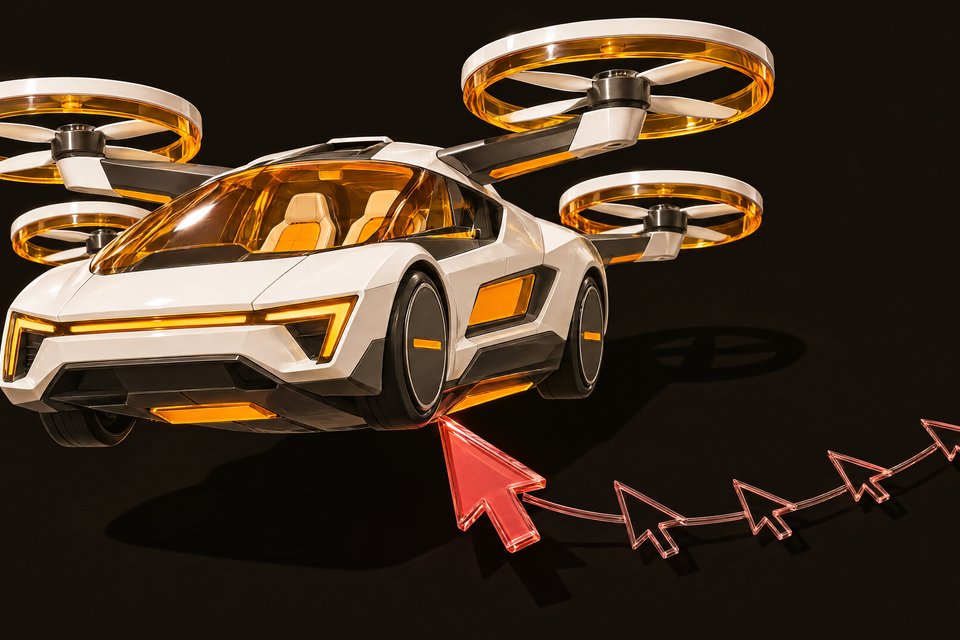
ALEF's flying car starts around $300,000, has 3,600+ pre-orders and targets first deliveries by year-end after its 1,000th test flight. Here is what we know.
ALEF flying car priceALEF flying car pre-orderALEF vs Tesla Roadster
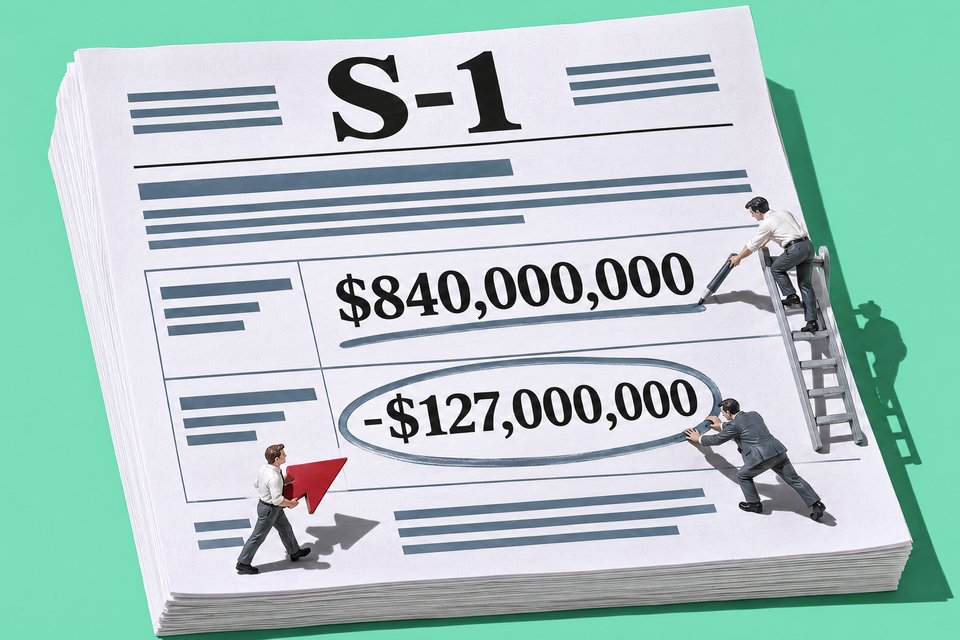
Anthropic's S-1 shows 900% net revenue retention, 11,900 customers above $100K, multi-chip compute across four vendors, and a "closing the loop" thesis.
An Intel executive asks whether chip fabs still need today's clean rooms as fab costs double every four to five years and a high-end EUV scanner nears $400M.
do chip fabs need clean roomsfab cost doublingEUV scanner cost
Harness² lets an agent rewrite its skills, tools, sub-agents and control loop. How propose, probe, compose works and why a smaller model beat a stronger one.