Will Websites Block Your AI Agent? Three Zones of Access
Banks, hotels and schools are deciding how AI agents get in. How signed agents, Visa and Bill, Stripe and Google AP2 shape which sites your agent can use.

Will websites block my AI agent?
Some will, some won't, and a smarter model won't change that. Access is becoming uneven because each business decides for itself whether to admit agents, limit them, or turn them away. Banks are worried about indistinguishable bot traffic. Hotels and restaurants are seeing agents hit booking pages. Meanwhile, identity and payment protocols are building paths for agents that sites can verify and trust.
TL;DR
- Access will be patchy. You should expect an internet where some doors open for agents, some stay shut, and model quality does not decide which.
- Authorization is the core problem. A site has to know whether an agent acts for a real, consenting customer or for an attacker, and agent behavior often looks like human behavior.
- Recognition comes before permission. Cloudflare's signed agent system lets a request carry a verifiable signature, but the site still decides what that visitor may do.
- Payments are moving through partnerships and scoped credentials. Visa and Bill's invoice pilot, Stripe's shared payment tokens, and Google's agent payments protocol (AP2) all try to make agent spending controllable.
- No single standard has won. Expect a patchwork for a while, and expect "we support agents" to mean different things at different sites.
- A three-zone model helps. Sorting sites into partnership, aspiring and no-go zones gives you a practical way to decide what to delegate.
Why are businesses getting stricter with agents?
Two pressures arrive at once. Legitimate users now send agents to read, book, buy and schedule on their behalf. At the same time, AI has made it cheaper to find and exploit weaknesses in websites. Researchers have shown agents can help adapt working exploits across applications quickly, and investigations have documented attackers using agents to coordinate and keep trying.
For a site operator, that means two kinds of software showing up with similar persistence: one doing a customer's errand, one probing for a way in. Old protection through obscurity, where an exploit was simply hard to figure out, has weakened.
Banks in the US have made headlines for saying agents are all over their sites and they don't know how to handle them. The hard part is not that banks are slow. Telling agent-driven computer use from human computer use is difficult from first principles, because the two look extremely alike.
What is the authorization problem for agents?
When you hand a job to an assistant, it works through other people's websites. Every party in that chain needs an answer to a different question.
| Party | What it needs to know |
|---|---|
| Hotel, school, restaurant | Is this an authorized customer's agent? |
| Payment provider | What is this agent allowed to charge? |
| Agent provider | Is the user's account protected from redirection or attack? |
| The user | Did the agent only do what I asked? |
A task completes only if all of these decisions agree. A strong agent can plan a whole trip and still freeze on one hotel's booking page, because that page is closed to agents. How well your agent reasons doesn't matter at that point. The business made the call.
Scale adds a second problem. If many people point agents at the same school calendar or restaurant reservation system, the traffic can look like an attack. Restaurants have already seen this, and a secondary market around agent-driven reservations has grown from it.
How does Cloudflare's signed agent system work?
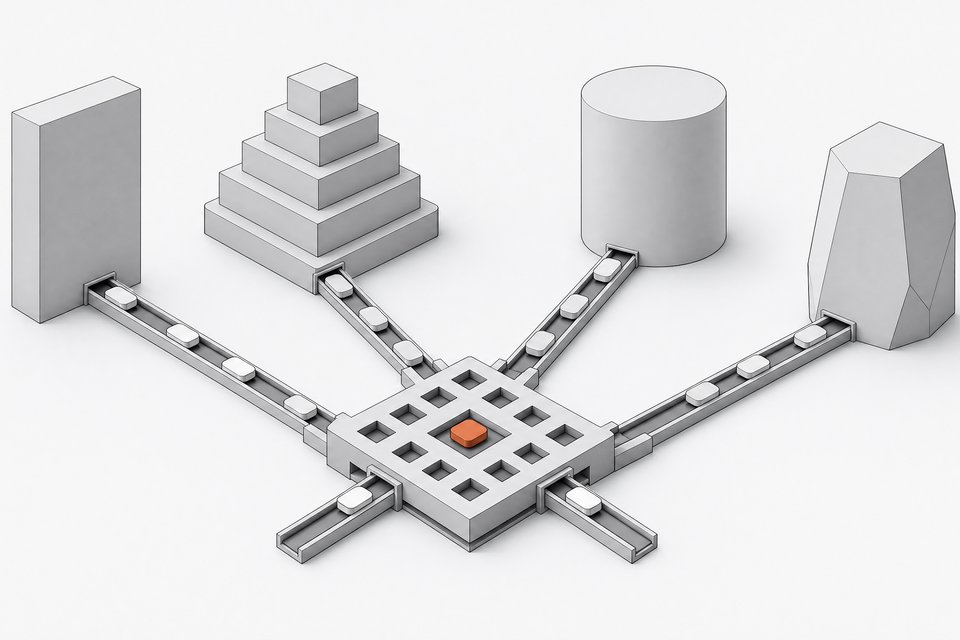
Recognition is the first layer. Under Cloudflare's signed agent approach, the infrastructure sending a request attaches a digital signature. Cloudflare can verify it, and the website can then set rules for agent traffic.
A signature gives the business evidence about where a request came from. It does not decide what the visitor may do. The site still chooses whether a verified agent can read a price, view a reservation, or cancel one. Those permissions are what businesses are starting to set, and simple packages that let non-technical operators configure them are a likely next step.
There is a caution here. Reportedly, when some sites embedded instructions asking agents to identify themselves, Claude in some cases complied and in the process leaked human email addresses. The helpful behavior was the problem. Sites that ask agents to self-identify need to design that request responsibly, or they make a security situation worse.
How are payment protocols changing what agents can do?
Payments are where the stakes are highest, so that is where the most structure is appearing.
- Visa, Bill and Bill Trust. On October 20th, they announced a live invoice payment pilot. A buyer approves a supplier's bill, and Bill's agent completes the payment through the supplier's portal. The agent is registered, payment credentials follow the buyer's instructions, and the receiving system recognizes the agent and grants access. The payment is tied to the invoice with visibility through approval and completion.
- Stripe. Its Link work focuses on consumer payment and wallet authorization. Stripe's shared payment tokens let credentials carry limits: only for a particular seller, only up to an amount, only until an expiration time. Through a Link partnership, one consumer agent (Muse, in the creator's account) can buy at a range of websites.
- Google's agent payments protocol (AP2). It describes how to handle signed records of instructions and of purchases.
These are different attempts at the same guardrails. Whether the market converges on one winner or splits into Google, Stripe and other camps is unclear. Until then, users and businesses patch across systems.
What are the three zones of agent access?
The sources describe an uneven map rather than naming exact boundaries, so treat this as a working framework built from the pattern.
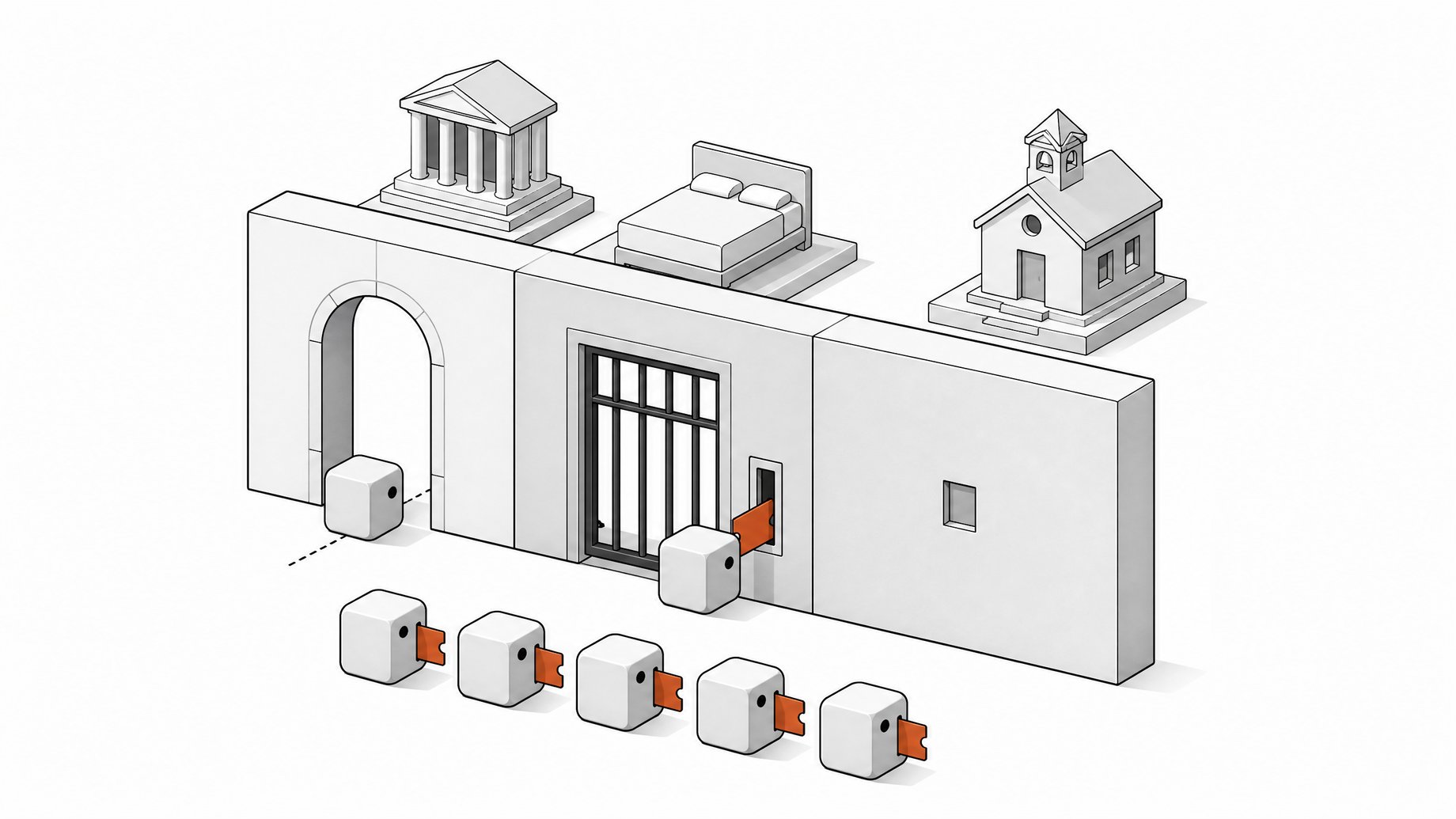
Partnership zone. The site or its payment provider has an agreement with agent providers. Registered agents, controlled credentials and recognized access are in place. The Visa and Bill pilot and Stripe's Link partnerships fit here. Expect the most reliable agent behavior, especially for high-value or high-consideration purchases.
Aspiring zone. Businesses that want agent customers but lack settled rules. Hotels, restaurants, schools and many retailers sit here. One site might recognize the sender but still require proof of a specific instruction. Another might allow research but stop at payment. Another might accept one payment authorization type and reject a different one. Results vary page by page.
No-go zone. Sites where the risk of misidentifying an attacker as a helpful agent is too high, so they restrict automated access. Banks are the clearest current case. Your agent may be locked out here for the foreseeable future, however capable it is.
How should I choose and use an agent given this?
Match the task to the zone. Use agents freely for research and scoping everywhere, since reading is the lowest-risk action. Delegate purchases where a payment partnership exists. Keep a manual fallback for hotels and other aspiring-zone sites, and keep sensitive accounts like banking in your own hands.
Account context also matters. One creator who runs several agents described routing coding work to one, calendar and email coordination to another, travel to a third, and shopping and bookings to a fourth. That is an unusual setup. Most people will pick one assistant, and its ability to get through the sites you care about will matter more than raw model quality. That also changes which businesses get your money: a hotel that blocks agents may lose bookings from people who plan through one.
Businesses face a parallel shift. Saying "we support agents" requires deciding what exactly is being allowed, and the information they publish has to improve too. An agent comparing hotels needs structured answers on location, late arrival and cancellation terms, not just marketing copy.
Frequently Asked Questions
Why can't a smarter agent just get past a blocked site?
The block is a business decision about authorization, not a capability gap. If a site refuses agent traffic, a better model doesn't change the rule. It only changes how convincingly the agent can imitate a person, which is the behavior sites are trying to stop.
Does Cloudflare's signed agent system mean my agent will be trusted?
No. It lets a site verify where a request came from. The site then sets its own rules on what a verified agent can read, book, pay for or cancel.
What do Stripe shared payment tokens and Google AP2 have in common?
Both aim to make agent spending controllable. Stripe's tokens can restrict credentials by seller, amount and expiration. AP2 describes signed records for instructions and purchases. They are separate approaches, and no common schema has been agreed.
Will one standard win?
It's not clear yet. The market could converge on one winner or stay fragmented, with different sites supporting different protocols. Plan for a patchwork in the near term.
How we source, write, and correct our articles. Editorial standards