What Does Anthropic's S-1 Filing Reveal About Its Business?
Anthropic's S-1 shows 900% net revenue retention, 11,900 customers above $100K, multi-chip compute across four vendors, and a "closing the loop" thesis.

What does Anthropic's S-1 filing actually reveal?
Anthropic's S-1 is the registration document for its planned IPO. The sections covered here show a company selling frontier models almost entirely to enterprises, with 11,900+ customers spending $100,000 or more a year, net revenue retention of 900%, and compute spread across AWS Trainium, Google TPUs, Nvidia GPUs and AMD GPUs. The filing also argues that each Claude model helps build the next, which it calls "closing the loop."
TL;DR
- Anthropic reports net revenue retention of 900%, meaning a customer spending $1 one year is spending roughly $9 the next.
- As of September 30, 2026, more than 11,900 customers spend $100,000+ on a trailing 12-month basis, over 1,900 spend $1 million+, and 250 spend $10 million+.
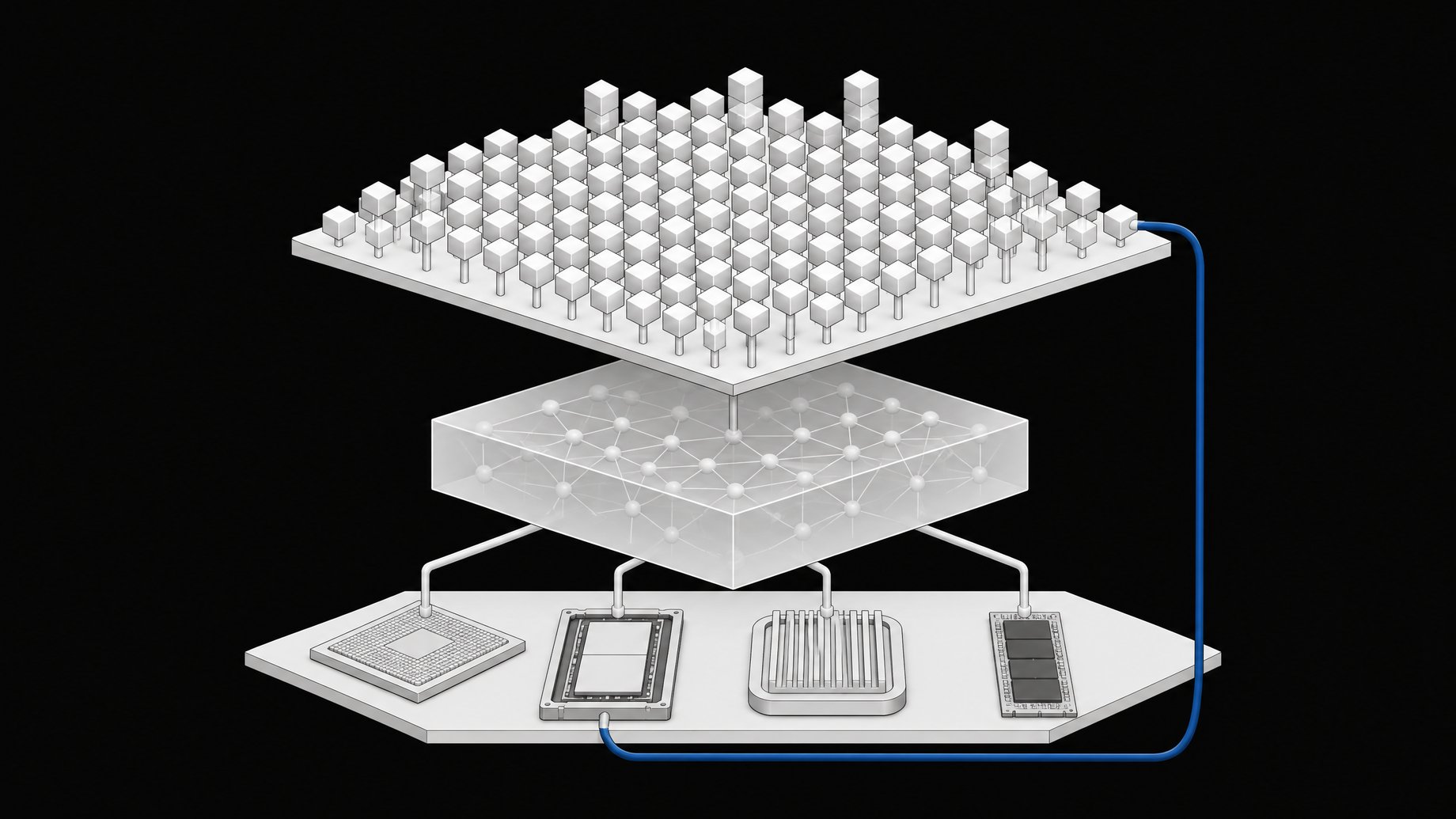
- Anthropic runs compute as a single fungible pool across AWS Trainium, Google TPUs, Nvidia GPUs and AMD GPUs, shifting capacity between serving and training.
- The filing describes a recursive development loop in which each Claude version assists in building the next.
- Anthropic says falling model prices have increased total revenue, a Jevons-style effect where cheaper intelligence gets used more.
- The sections reviewed here do not give enough detail to verify claims about revenue growth rates, total capital raised, revenue per employee or share-class mechanics, so this article does not state them.
How concentrated and how large is Anthropic's customer base?
The filing gives customer counts by spend tier, measured on a trailing 12-month basis as of September 30, 2026:
| Annual spend | Customers |
|---|---|
| $100,000 or more | More than 11,900 |
| $1 million or more | More than 1,900 |
| $10 million or more | 250 |
The shape matters more than any single number. Roughly 250 accounts at eight figures means a meaningful share of revenue likely sits with large enterprises. That is typical for a company that chose to sell intelligence to businesses rather than chase consumer products. The excerpt reviewed here does not break out what share of revenue the top accounts represent, so the true concentration risk is something to check in the full document's risk factors.
What does 900% net revenue retention mean?
Net revenue retention (NRR) measures how much revenue an existing customer cohort generates this year compared with the same cohort a year ago, including expansion, contraction and churn. An NRR of 100% means flat. Many strong SaaS companies sit between 110% and 130%.
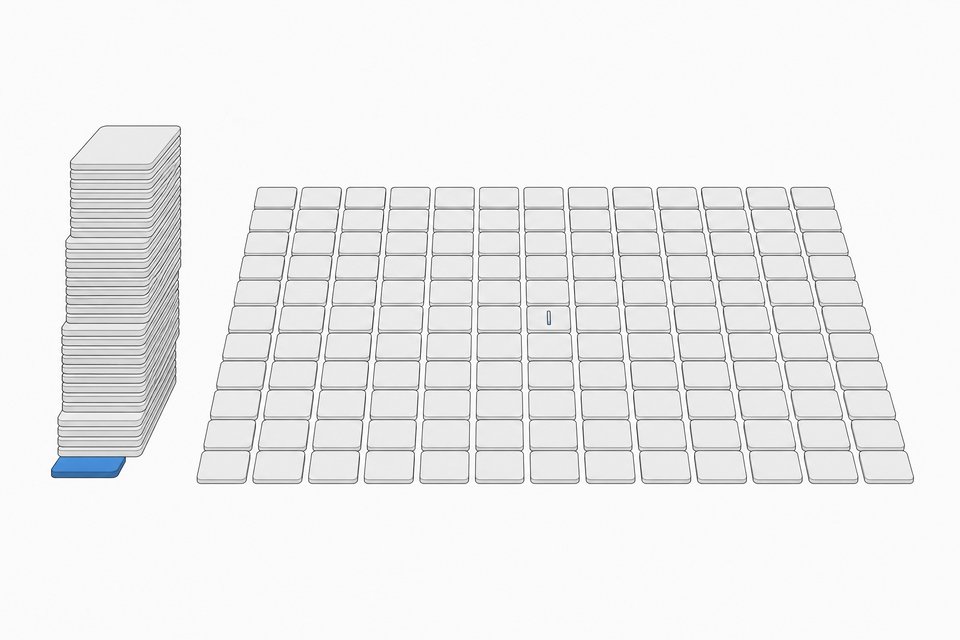
A 900% figure means the cohort spends nine times as much as it did a year earlier. In practice that reflects customers moving from pilots to production, and from chat usage to agentic coding workloads that consume far more tokens. It also means the base is young. A cohort that starts small can multiply quickly, and that rate cannot hold forever as spending reaches the scale of large enterprise budgets.
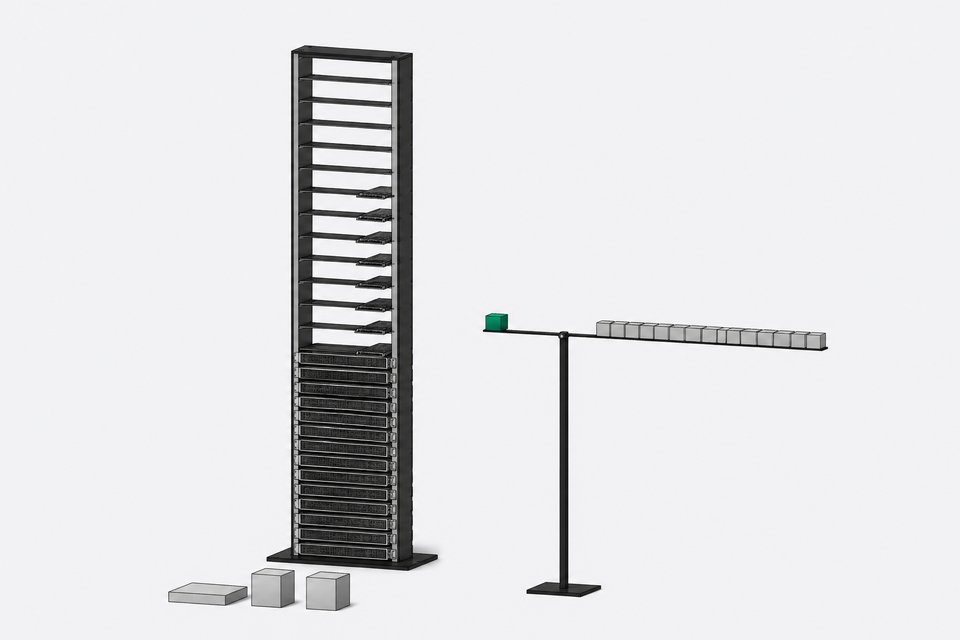
The filing also says that cutting model prices raised overall revenue. That fits the Jevons paradox: when a unit of intelligence gets cheaper, total consumption can rise faster than the price falls.
How does Anthropic handle compute?
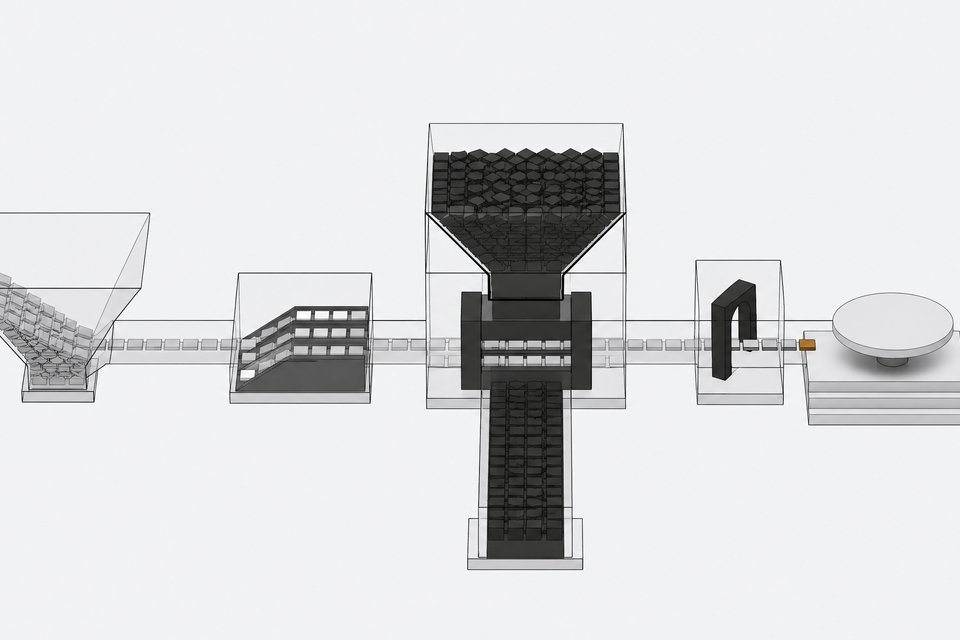
Compute is the biggest cost line for any frontier lab, and the S-1 spends real space on it. Anthropic says it manages compute "as a single fungible pool from multiple strategic partners" and directs capacity between workloads based on where the marginal unit is most productive. Those workloads include serving customers, training new models and research.
The filing names four hardware families:
- AWS Trainium
- Google TPUs
- Nvidia GPUs
- AMD GPUs
Running one model family across four chip architectures is hard engineering. It gives Anthropic negotiating power and supply resilience, since it is not tied to one vendor's allocation. The filing credits its research and a "multi-chip compute architecture" for this flexibility. It also describes a shift from being compute constrained earlier in the year to having deals in place with many providers, along with models and systems that have raised profitability per dollar of compute. The excerpt does not give the underlying dollar figures, so the relationship between revenue growth and compute cost growth is something to read in the financial tables directly.
What is the "closing the loop" argument?
The S-1 describes two self-reinforcing dynamics from adoption: an improvement loop that advances Claude, and an investment loop that funds more frontier research. Customer usage generates revenue and data, revenue buys compute, and compute trains better models.
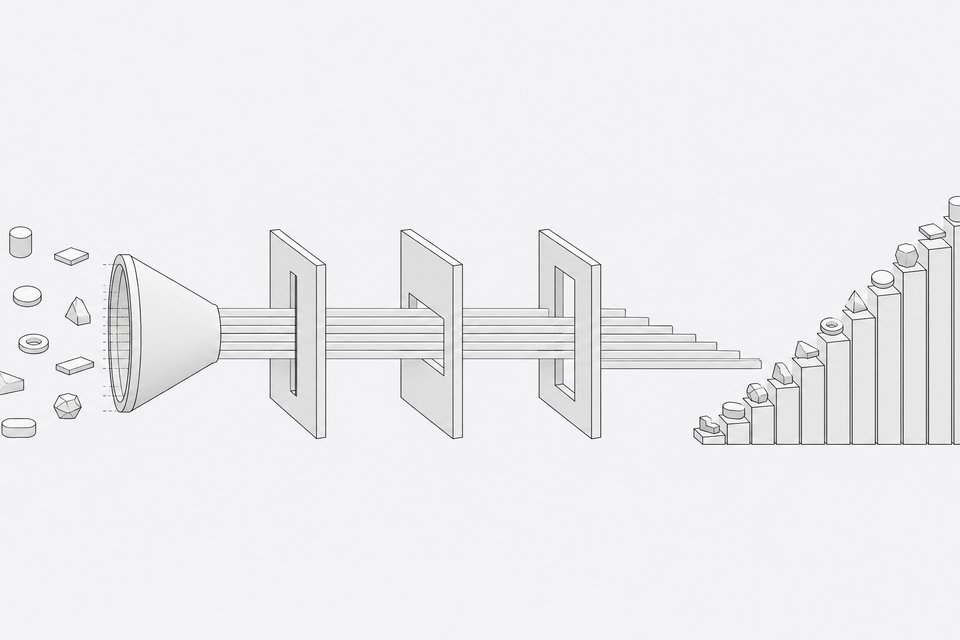
A second loop sits on top. The filing says "each version of a Claude model assists in building the next," compressing development timelines. Anthropic calls this "closing the loop" and names it as one of its most significant structural advantages. This is recursive self-improvement in practice, at least for engineering work. The commentary around the filing noted the tension with public statements from rivals, including OpenAI's Sam Altman, who has said pushing hard on recursive self-improvement is dangerous without speed limits. Anthropic frames it as an advantage to investors while also warning in the same document about misaligned systems and concentration of power.
Why does the filing stress focus and talent?
Anthropic lists its core advantages as mission and focus, talent and culture, and its compute approach. On focus, the pitch is simple: build the best models and sell them to enterprises, without side bets in areas like video generation or consumer hardware. On talent, the filing says the mission helps it attract and retain top researchers. The commentary around the filing pointed to hires such as Andrej Karpathy, John Jumper, Jan Leike and John Schulman, though those names come from the creator's discussion, not from verified filing text. For contrast, video generation is being handled as a separate business elsewhere, as in Kuaishou's Kling AI IPO plan.
What does the S-1 say about risk and the market?
The document leans on a large market claim. It cites an International Data Corporation estimate that AI solutions and services will produce a cumulative global economic impact of $22.5 trillion by 2031, and adds that Anthropic believes the impact could be greater.
It also lists risks. AI deployed at scale could concentrate power and wealth within and between countries, and misaligned systems could cause harm through autonomous actions that users and operators cannot see or understand. For investors, the same text reads as both a product pitch and a risk disclosure.
What about governance, revenue per employee and capital raised?
These were the topics most readers want, and the excerpts reviewed here do not cover them in checkable detail. Some general context is safe. Anthropic is a public benefit corporation, a structure that lets a board weigh a stated public mission alongside shareholder returns. The brief also points to a novel share class (referred to as class N), revenue per employee figures, a large total capital raised figure and a very high revenue growth rate. None of those specifics appear in the source text, so confirm them in the filing itself before quoting them. Look at the governance, description of capital stock, and selected financial data sections.
Is the S-1 worth reading in full?
For anyone building on Claude, yes, for three reasons. The compute section shows how Anthropic thinks about capacity, which affects rate limits and pricing over time. The customer tiers show where spend is concentrated. The risk factors show what the company itself says could go wrong. Treat the commentary on the filing as a guide, and take hard numbers from the document.
Frequently Asked Questions
What is net revenue retention of 900% in Anthropic's S-1?
It means existing customers spent about nine times as much as they did a year earlier. Typical software companies consider anything above 100% healthy, so 900% is extraordinary. It likely reflects a young, fast-expanding base and heavy growth in agentic usage.
How many large customers does Anthropic have?
As of September 30, 2026, the filing reports more than 11,900 customers spending $100,000 or more on a trailing 12-month basis. More than 1,900 spend $1 million or more, and 250 spend $10 million or more.
Which chips does Anthropic use?
The filing names AWS Trainium, Google TPUs, Nvidia GPUs and AMD GPUs. Anthropic treats them as one fungible pool and moves capacity between serving, training and research.
Is Anthropic a public benefit corporation?
Yes, Anthropic is organized as a public benefit corporation. Details of its share classes and board control are in the governance sections of the S-1, which this article does not summarize because the reviewed source material does not cover them.
How we source, write, and correct our articles. Editorial standards