
AI Models & Industry ·
GPT-6 Astra vs. Fable 5.1 for AI Agents: Which Model Wins?
Same list price, different bills. Compare GPT-6 Astra and Claude Fable 5.1 on cost-per-task, cache pricing, and benchmarks for internal AI agents.
How executives use AI, how to do it well, and what it means for your job. Written for people who set the direction, not people who build models.
Same list price, different bills. Compare GPT-6 Astra and Claude Fable 5.1 on cost-per-task, cache pricing, and benchmarks for internal AI agents.

Broadcom pulled VMware's migration toolkit after price hikes up to 1,050%. Tottenham Hotspur saved 85% and Computershare moved 24,000 VMs. Here's the data.

We replaced a $500/mo admin SaaS with a 20-hour GPT-6 Astra agent. Here's what broke, what it cost, and the governance problem building doesn't solve.

Choosing between Tauri and Tcl/Tk for internal desktop tools? Compare bundle size, security, dev experience, and longevity with real benchmark data.

Per-seat SaaS pricing assumed human-paced software. Real-time AI broke that math. Here's how to calculate your own build-vs-buy delta.

Banning shadow AI doesn't work. Here's how to govern employee ChatGPT usage and custom GPTs with a tiered, earned-autonomy trust framework instead.

Chrome killed uBlock Origin's full power for good. Here's why enterprise policy couldn't stop it, and which browsers and tools IT teams can still govern.

Claude Fable 5.1's 4x cheaper cache reads flip build-vs-buy economics for niche internal tools. Here's the framework and the numbers behind it.

Looped transformers reuse the same layers repeatedly to reason in hidden math, not words. Here's how they work, why OpenAI's Astra uses them, and the safety tradeoff.

Recurrent depth loops shared transformer layers instead of stacking new ones. Here's how it powers GPT-6 Astra and why it raises governance concerns.

AI coding agents let teams replace mid-priced SaaS in days, not weeks. Here's the data on who's building, who's buying, and what still needs a vendor.

From 1993 Amiga assembly to 220 billion lines of COBOL, AI now automates the expensive part of modernization: understanding old code. Here's the proof.

Per-check pricing makes buying identity verification look cheap. The IDScan and IDMerit breaches show what that price leaves out. Here is the real math.

ISPs and IoT devices monetize every DNS query by default. Here's how self-hosted and protective DNS filtering block trackers network-wide.
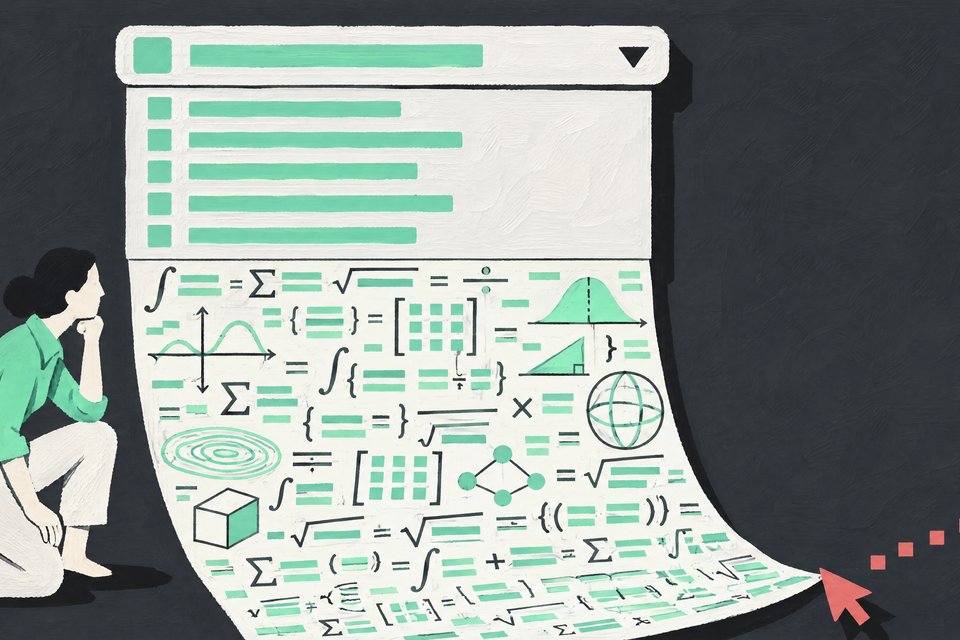
LLMs predict the next word, but that training objective builds real internal reasoning. Here's the proof, including a 13M-line Lean proof of Fermat's Last Theorem.

A category-by-category map of self-hosted alternatives to SaaS, backed by cost data, sovereignty stats, and real government case studies.
Fable 5.1 is shipped, priced, and API-ready for internal agents. Astra has no release date. Here's what that means for teams building agent workflows now.

AI world modeling means predicting the next state of an environment, not just the next word. Here's what it is, where it came from, and why it matters for coding agents.

Autonomous coding agents now ship production code with almost no human review. Here's why that flips the build-vs-buy math on your next SaaS renewal.

A German word explains why subscription software keeps 'improving' its way into being worse and pricier. Here's the mechanism, the cost data, and the fix.

Employees built a shadow layer of business logic into ChatGPT's memory and custom instructions. Here's how to govern it before it walks out the door.
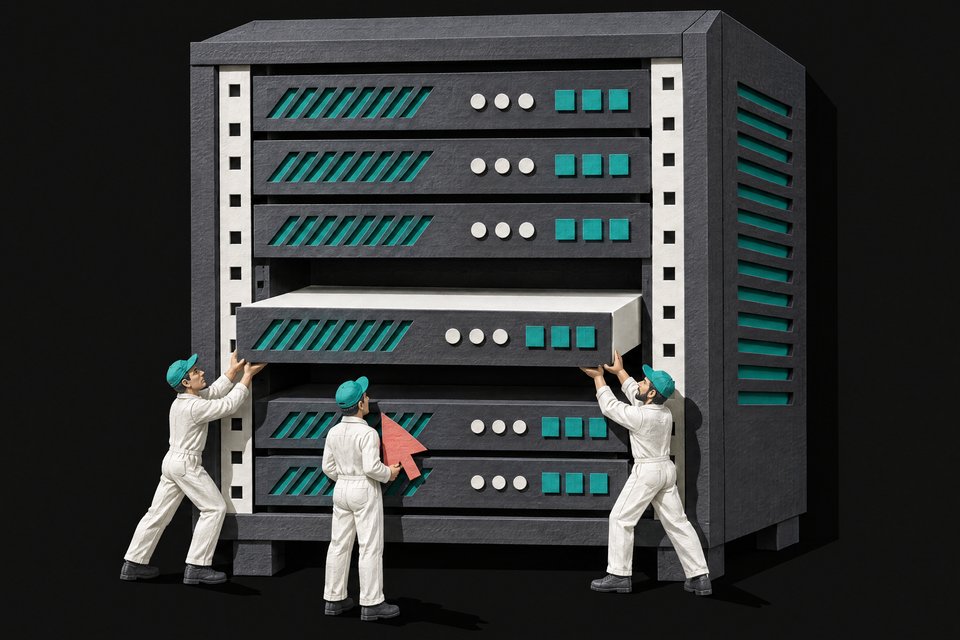
AI coding agents can now write high-performance database code. Here's a practical framework for when to build your own infrastructure vs. buy a managed one.

What local-first software means, why developers are adopting it now, and a category-by-category map of open-source alternatives to popular SaaS tools.
Nvidia's reported $12.9B bid for Hugging Face would put open-source AI's biggest hub under one chipmaker's control. Here's the impact and why owning your infrastructure matters.