
AI Coding Tools ·
The Taste-Tester Protocol: How to Evaluate AI-Generated Code When Benchmarks Lie
Benchmarks like ARC-AGI-3 and SWE-bench overstate real-world AI coding accuracy. Here's the pairing protocol that closes the gap before code ships.
How engineers use AI, how to do it well, and what it means for your job. Written for people who ship and run the software, not people who build models.
Benchmarks like ARC-AGI-3 and SWE-bench overstate real-world AI coding accuracy. Here's the pairing protocol that closes the gap before code ships.
ChatGPT, Claude, and Grok all went down the same morning. Here's what that reveals about self-hosted AI vs cloud AI, and how to de-risk your stack.

GPT-6 Astra owns the headlines, but enterprise inference is quietly shifting local. Here's the cost, governance, and workload math behind the move.
AI-generated code fails security checks far more than human code. Here's the governance framework: inventory, scanning, secure defaults, and ownership.
LLMs predict the next word, but that training objective builds real internal reasoning. Here's the proof, including a 13M-line Lean proof of Fermat's Last Theorem.

How multi-model LLM orchestration works, why HydraFusion and OpenRouter both beat single-model baselines, and whether to rent a gateway or build one.

Fable 5.1 is shipped, priced, and API-ready for internal agents. Astra has no release date. Here's what that means for teams building agent workflows now.

Inference is getting cheaper, but evaluating AI agents isn't. Here's why LLM evaluation costs swing 4x-33x and quietly outpace inference spend.
AI world modeling means predicting the next state of an environment, not just the next word. Here's what it is, where it came from, and why it matters for coding agents.
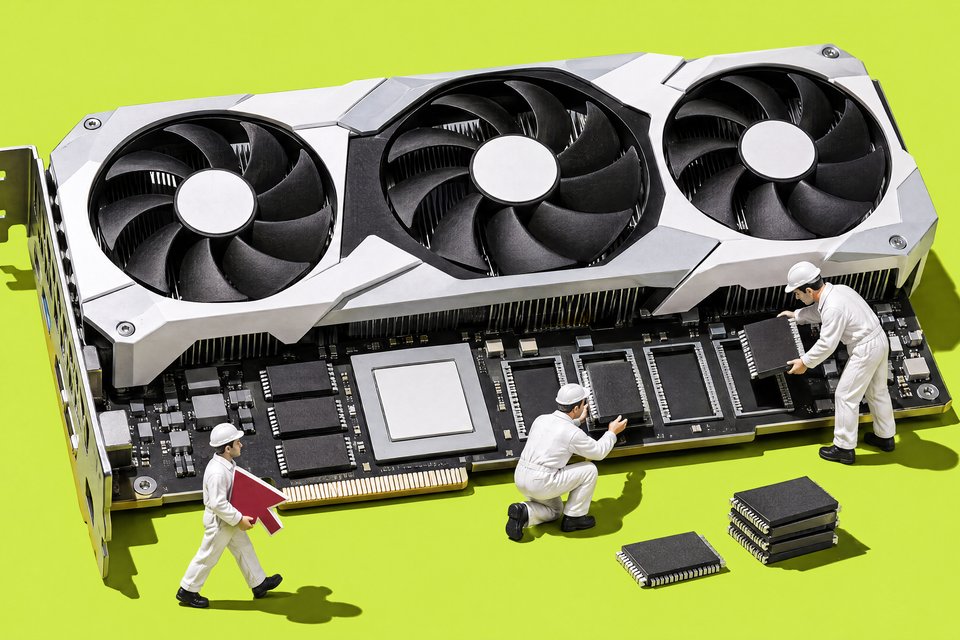
What GPU, memory, and budget you actually need to run a 27B-class model like Qwen3 locally, plus the break-even math against API pricing.

Claude's browser agent can click and fill forms without an API. Zapier and n8n still run on APIs. Here's the real cost, speed, and risk tradeoff.

Nvidia's reported $12.9B bid for Hugging Face would put open-source AI's biggest hub under one chipmaker's control. Here's the impact and why owning your infrastructure matters.

GLM-5.3-Flash and Qwen3.8-Flash both collapsed AI pricing to $0.15/M tokens. Here's the real comparison and which SaaS subscriptions it makes obsolete.

An AI agent multiplexer runs and monitors multiple AI coding agents at once, like tmux with status awareness built in. Here's how it works and who uses it.
Best local open-source AI and infrastructure tools in 2026: Ollama, llama.cpp, Valkey, OpenTofu, and n8n for self-hosting.

Local AI vs cloud AI cost, explained with real numbers. Why Apple's M5 Ultra and open models like Granite 4.2 change the local-versus-cloud math.

Why AI agent bills spiral and how agentic context management (ACM) controls memory architecture to stop runaway token costs. A practitioner's breakdown.

A hands-on test of running local LLMs on a Raspberry Pi 5 with a read-only Postgres role, proving cheap edge hardware can power governed internal AI tools.

CLAUDE.md and AGENTS.md files are prompts, not code. Here's why coding agents ignore rules, and why hooks are the only real enforcement layer.
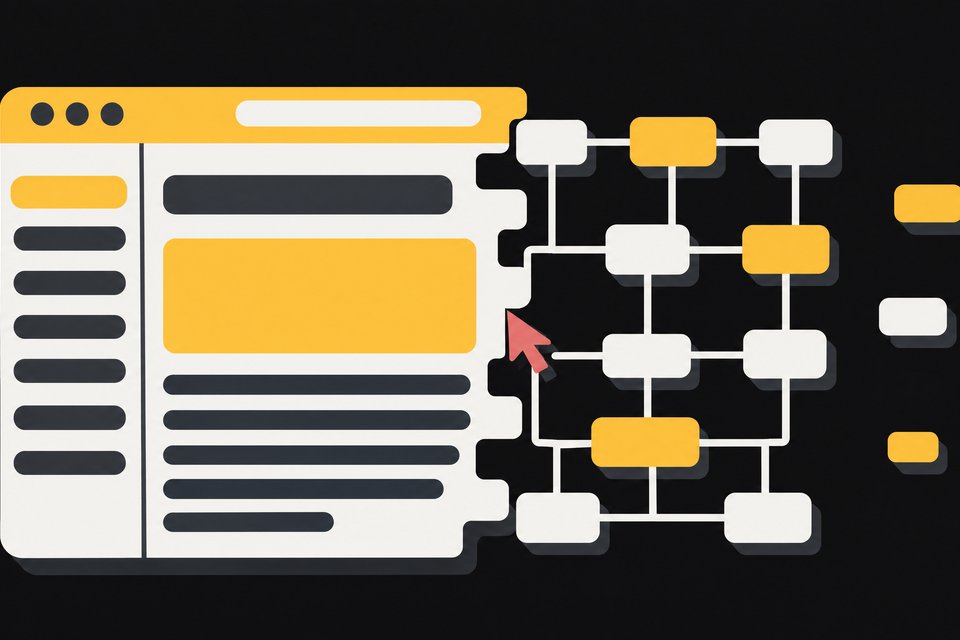
A plain-English guide to configuring wikis and internal tools with HTTP content negotiation so AI agents can read your data cleanly.

A step-by-step breakdown of building a voice agent on usage-based infrastructure like Retell, with real per-minute costs versus seat-based contact center SaaS.

GLM-5.3-Flash and Qwen3.8 now run on a single GPU. Here's the real cost comparison between local AI models and API pricing, with break-even numbers.

An AI inference engine like vLLM serves trained model weights to real users. Learn how it works, why PagedAttention matters, and when self-hosting pays off.

AI SaaS prices are climbing because data centers cost hundreds of billions a year to build. Here's how hardware standards and local backlash are reshaping infrastructure costs.