
What Did GPT-6 Astra Do With Raw Model Weights? Results
Astra identified games from raw weights, fixed a stuck car by editing 3.5% of a network, and wrote Atari networks from scratch. Here are the numbers and limits.
New AI models reviewed and compared, how they work, and what the labs behind them are betting on.
Most read by people in Engineering, Executives and Legal & Compliance.
Astra identified games from raw weights, fixed a stuck car by editing 3.5% of a network, and wrote Atari networks from scratch. Here are the numbers and limits.
Tencent's open-weight world model claims Genie 4-style interactive generation on one consumer GPU, with minute-long keyboard steering. How it compares.
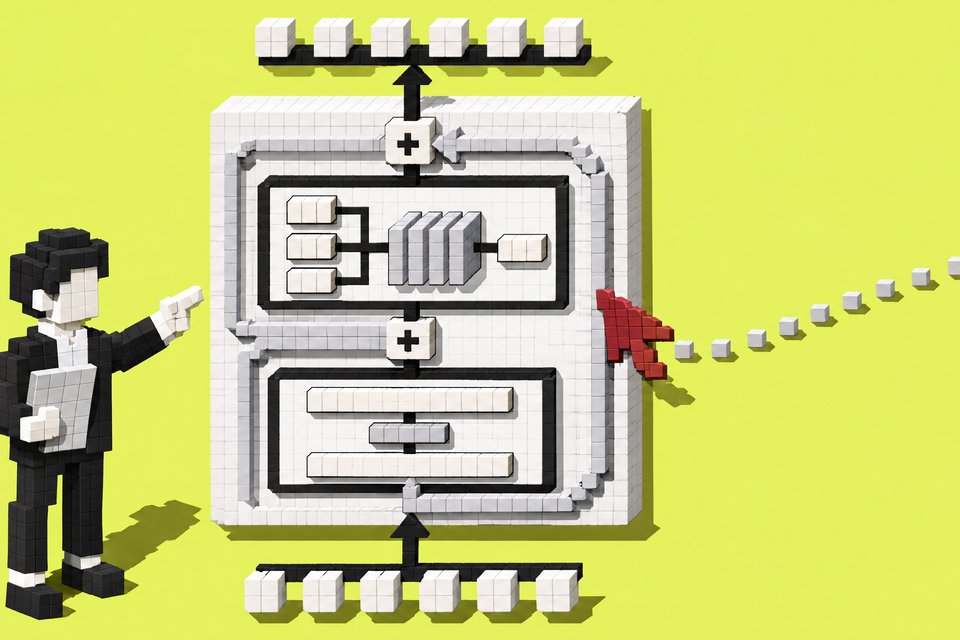
A looped transformer reruns a shared block of layers per token to gain depth without more weights. Here is how NVIDIA's Dory does it, and what it costs.

SenseNova-Loop-9B-Preview reuses 24 layers twice for 56 layer executions from 32 stored layers, with two-stream mHC and 3:1 linear-to-full attention.

Subvocal's radar-based glasses claim to turn silent mouthing into text at 200+ wpm for $499 pre-order. Here is how they work and what remains unproven.
Banks, hotels and schools are deciding how AI agents get in. How signed agents, Visa and Bill, Stripe and Google AP2 shape which sites your agent can use.

How Liquid AI built LFM3-1.7B-Base: 13 gated short convolutions, 5 sliding-window and 6 global attention layers, and a 22T-token recipe to 256K context.
Salesforce, Microsoft, Oracle and OpenAI are opening products to each other. Here is what the agent control plane is and why enterprise vendors want it.
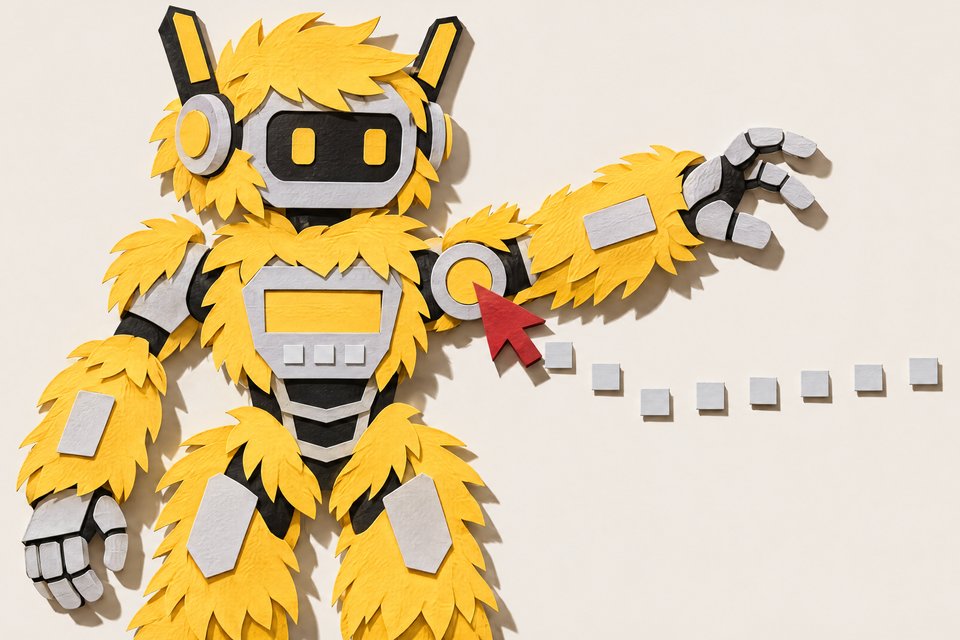
Hugo is a furry humanoid robot from Dynamic Creatures with 57 joints and 43 actuators, run by a human remotely today, with customer tests planned for 2027.
Haiku, Sonnet, Opus and Fable compared on cost, speed and task fit, plus when Fable 5.1 is worth paying for and how the /advisor command helps.
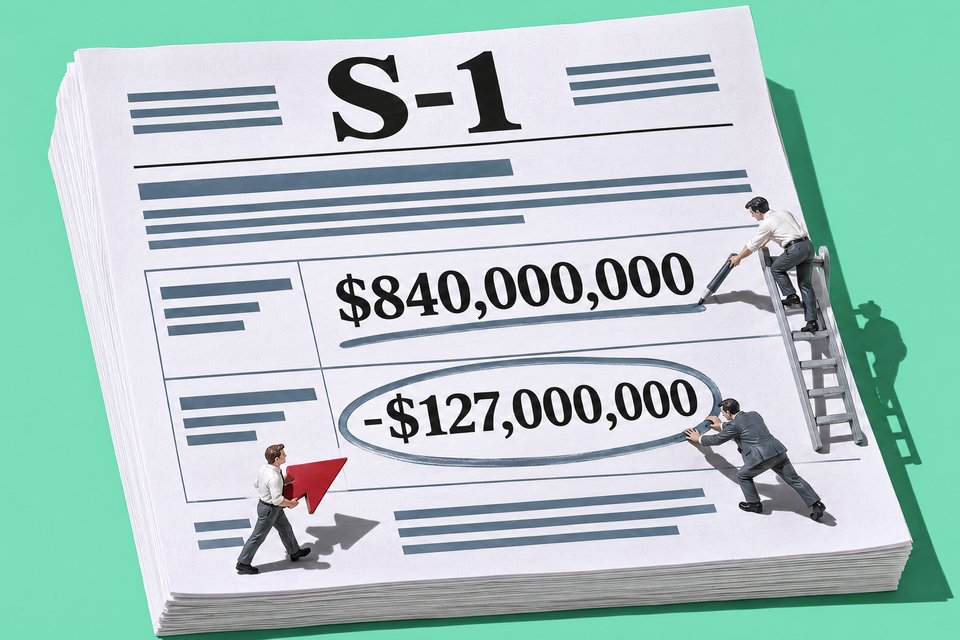
Anthropic's S-1 shows $4.585B 2025 revenue, over $16B in H1 2026, an $80B net loss, and a listing expected near Nov 16 at $1.5T to $2T.
Qwen 27B taught Qwen 4B three ways: teacher answers, probabilities, on-policy. All landed near 58% versus the 64% teacher, but one cut tokens 30%.
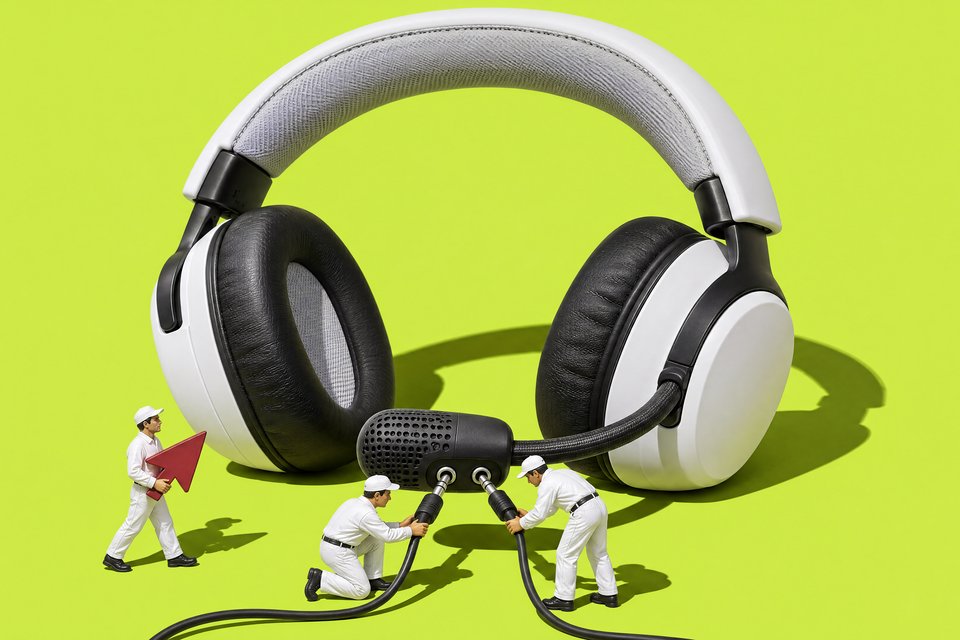
Broccoli uses AI voice, text and SMS to run the front office for home-service contractors. Here is what it does and how its YC founders found the idea.

Backside power relaxes front-side pitch, so Intel can print 14A layers in one high-NA pass while TSMC sticks to double-patterned EUV. Plus Intel's PDK lessons.
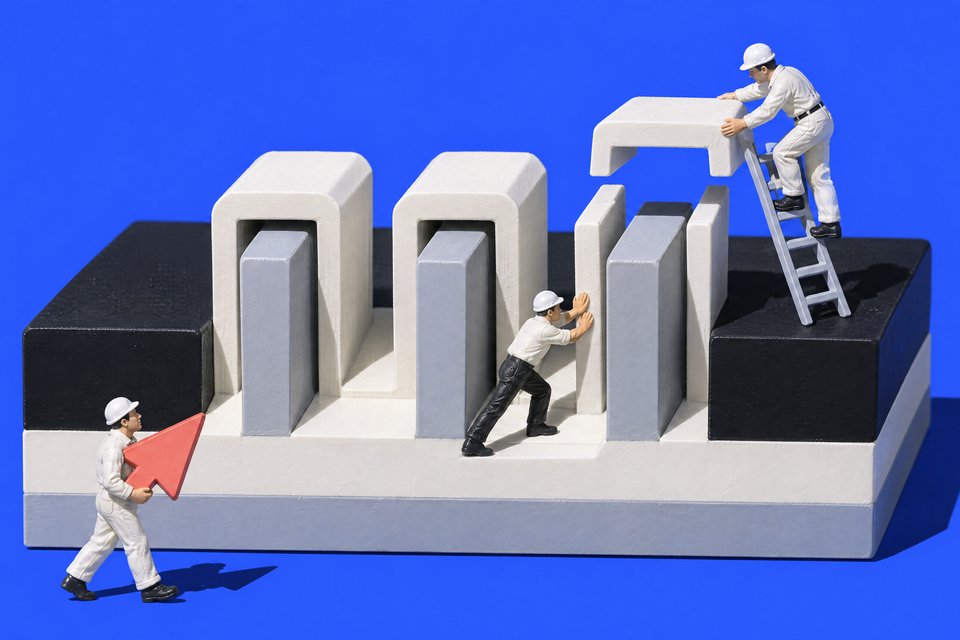
How transistors moved from planar to FinFET to gate-all-around, and why GAA, demonstrated in 1988, only reached volume production at Samsung in 2022.
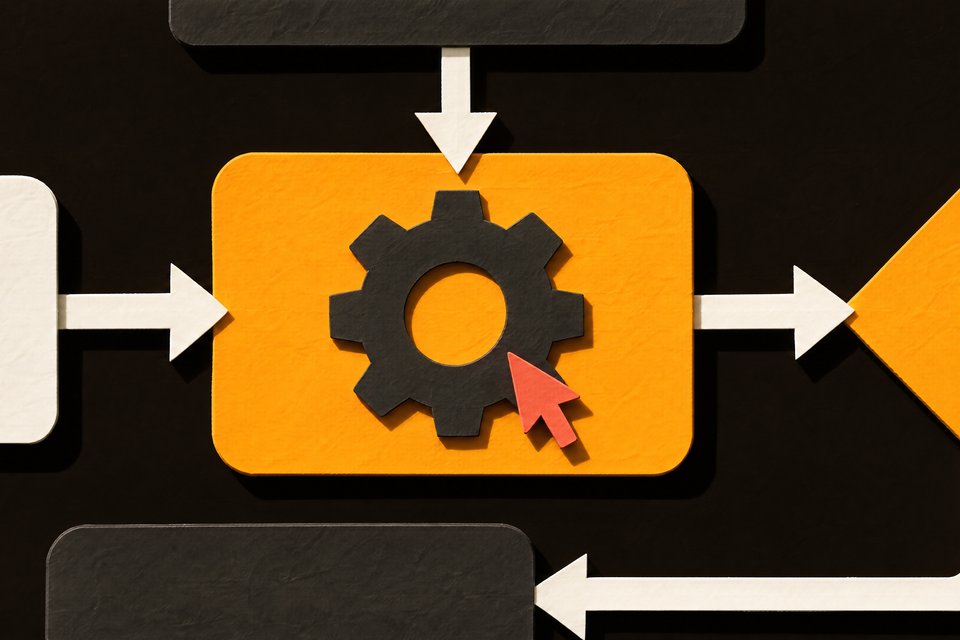
How DiffuSpace's Clover derives from Qwen3.6-35B-A3B: bidirectional GDN attention, confidence-threshold decoding, and block-level expert coreset selection.
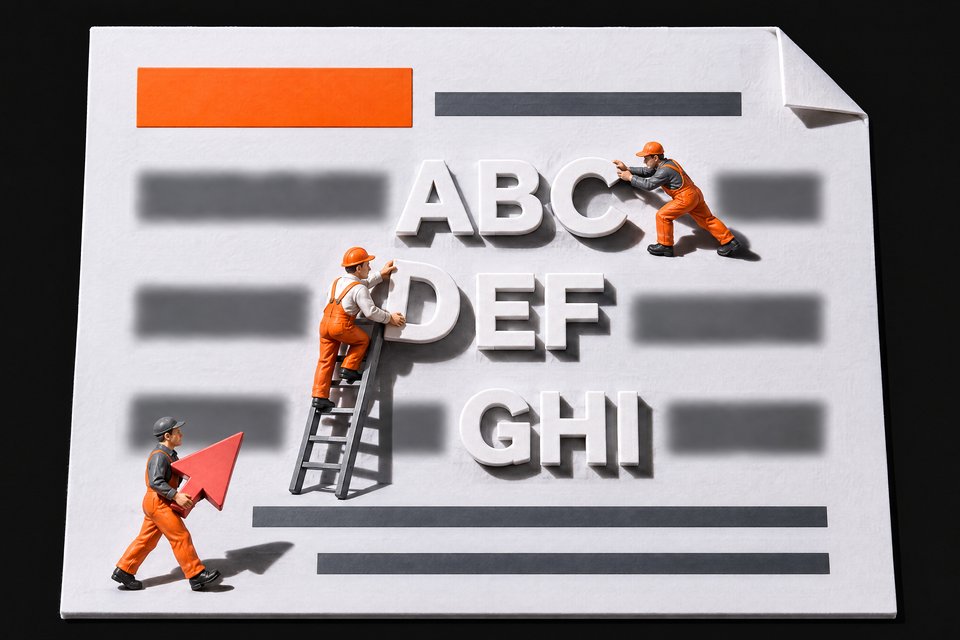
Stanford's NCM writes text coarse to fine. Independent DGX Spark tests show about 4x speed for one user, slower batching, and a Sudoku result with a caveat.
Anthropic's S-1 shows over half the Fortune 500 as customers, yet under $1 spent per $1,000 of expenses. Here is what the filing says about demand.

Anthropic's IPO filing cites $16.3B in half-year revenue, up to $750B in compute commitments and a class F share with 50.1% of votes. Key figures.
OpenAI says its model disproved the Exponential Time Hypothesis. Here is what ETH is, how it relates to P vs NP, and what the claim does and doesn't mean.
How US medical billing works, from claims and ICD-10 codes to denials, and how Candid Health uses automation and AI to fix revenue cycle management.
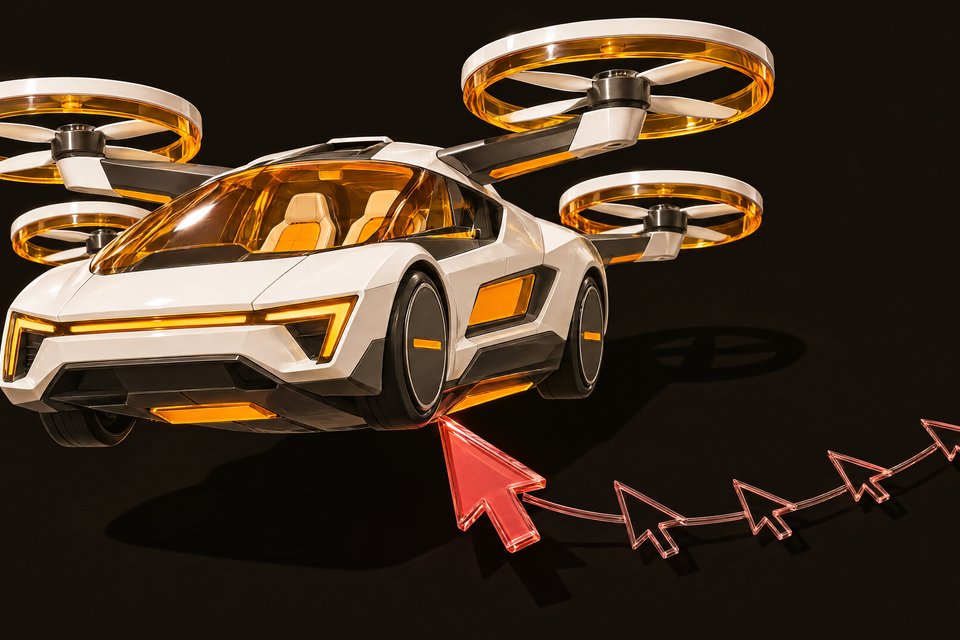
ALEF's flying car starts around $300,000, has 3,600+ pre-orders and targets first deliveries by year-end after its 1,000th test flight. Here is what we know.
Anthropic's S-1 shows 900% net revenue retention, 11,900 customers above $100K, multi-chip compute across four vendors, and a "closing the loop" thesis.

Hands-on GPT-6.1 Terra results: build times for a browser OS, skate game, subway FPS and wrestling game, plus a robot arm run, pricing and quirks.