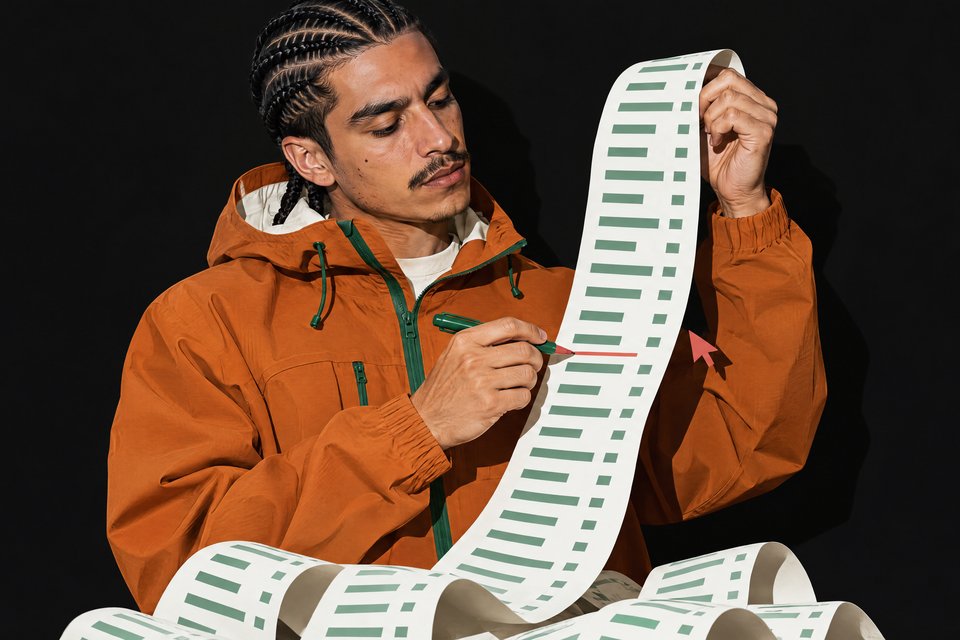
How finance teams use AI, how to do it well, and what it means for your job. Written for people who build the budget and the forecast, not people who build models.
Musk said Grokbot costs too much to serve relative to revenue. Here is what that means for agent usage limits and how to judge whether an agent pays off.
Cline Pass is a flat monthly plan with 2-5x API rate limits on open models like Kimi K3.1 Pro and GLM 5.3. Models, limit windows, and Cline Desktop features.
Cline Pass costs $9.99 a month for open models like Kimi K3.1 Pro, GLM 5.3 and DeepSeek V4.1 Flash, with 5-hour, weekly and monthly caps. What it covers.
OpenBot is a free app, hosted EU servers start at €20/$25 a month, and the PolyForm Noncommercial license limits commercial use. Here is the cost picture.
DeepSeek V4.1 Flash costs 15 cents per million input tokens off-peak. Compare it with Sonnet 5.5 and Opus 5.5 on cached input, peak pricing and agent run costs.
DeepSeek V4.1 Flash pricingDeepSeek vs Sonnet costDeepSeek peak off-peak pricing
Seat, token and outcome pricing for enterprise AI compared, with Cedar, Sierra, forward-deployed engineering and OpenAI's Thrive deal, plus how to measure ROI.
AI pricing per seat vs per tokenoutcome-based AI pricingenterprise AI pricing
Kimi K3.1 Pro costs half of Opus per token on the Kimi API, with open weights promised by November 4. Specs, access limits and what is still unconfirmed.
Kimi K3.1 Pro costs $2 per million input and $10 output tokens. See cached rates, high-speed pricing, a real $32 benchmark bill, and plan limit complaints.
ByteDance's OmniHuman 2.0 turns one image and audio into up to five minutes of 720p video. Price fell from 12 to 7 cents per second, about $21 per full clip.
OmniHuman 2.0 pricingByteDance OmniHumanBytePlus API
Fish Audio Drama 3 API costs about $10 per million characters at launch, then $50 after Nov 12. License limits, fallback billing and free trial explained.
Fish Audio Drama 3 pricingDrama 3 API costFish Audio license
Claude Duet is in research preview for Pro and Max subscribers in the US via waitlist. Here is who qualifies and how it shares your plan's usage limits.
Claude DuetClaude Duet usage limitsClaude Duet waitlist
DeepSeek keeps its KV cache on disk for 3 days (agents) or 7 days (chat), and 96% of input tokens hit cache. Learn to keep prefixes stable and cut API cost.
DeepSeek prompt cachingDeepSeek cache hit pricingKV cache
Panda Code is free and runs on your existing Claude, Codex, Kimi or GLM plans. See how it tracks 5-hour and weekly limits, resumes at reset and trims tokens.
Compare cloud AI API pricing with self-hosting a local LLM. See GPU rental rates, hidden staffing costs, and the monthly token volume where self-hosting wins.
local LLM vs cloud API costself-hosting LLM break-evenAI API pricing
Codex Ultrafast requires the $500 Pro plan and burns allowance at 6-8x the standard rate. See the cost math against Claude Sonnet 5.5, Claude Max and DeepSeek.
Codex Ultrafast costOpenAI Pro 500 planCodex vs Claude pricing