Chrome killed uBlock Origin's full power for good. Here's why enterprise policy couldn't stop it, and which browsers and tools IT teams can still govern.
Looped transformers reuse the same layers repeatedly to reason in hidden math, not words. Here's how they work, why OpenAI's Astra uses them, and the safety tradeoff.
From 1993 Amiga assembly to 220 billion lines of COBOL, AI now automates the expensive part of modernization: understanding old code. Here's the proof.
AI legacy code modernizationmodernize COBOL with AIAI code migration
Per-check pricing makes buying identity verification look cheap. The IDScan and IDMerit breaches show what that price leaves out. Here is the real math.
cost of building vs buying identity verificationidentity verification SaaS breachKYC build vs buy
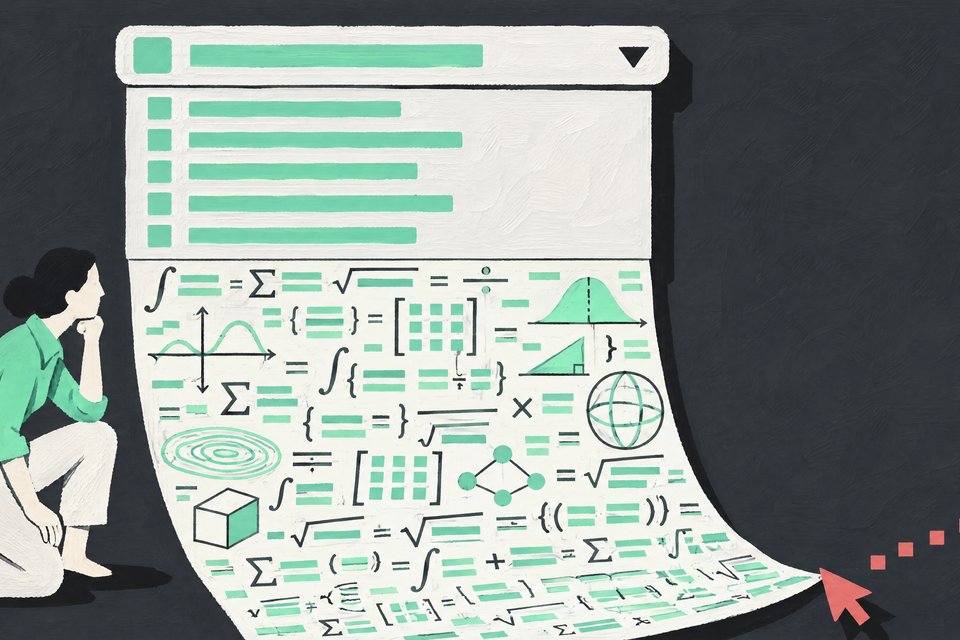
LLMs predict the next word, but that training objective builds real internal reasoning. Here's the proof, including a 13M-line Lean proof of Fermat's Last Theorem.
how do llms actually worknext-token predictorlarge language models explained
Fable 5.1 is shipped, priced, and API-ready for internal agents. Astra has no release date. Here's what that means for teams building agent workflows now.
AI world modeling means predicting the next state of an environment, not just the next word. Here's what it is, where it came from, and why it matters for coding agents.
A German word explains why subscription software keeps 'improving' its way into being worse and pricier. Here's the mechanism, the cost data, and the fix.
why does saas get worse over timeverschlimmbesserungenshittification
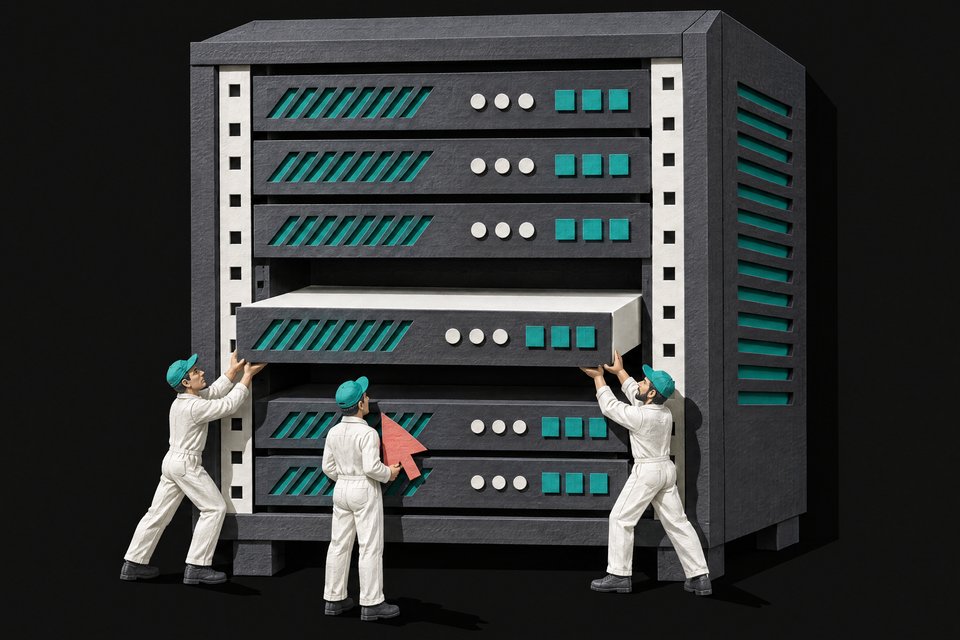
AI coding agents can now write high-performance database code. Here's a practical framework for when to build your own infrastructure vs. buy a managed one.
build vs buy database infrastructureAI coding agents infrastructureRust key-value store AI
Nvidia's reported $12.9B bid for Hugging Face would put open-source AI's biggest hub under one chipmaker's control. Here's the impact and why owning your infrastructure matters.
Nvidia Hugging Face acquisitionopen source AI infrastructureNvidia open source AI
GLM-5.3-Flash and Qwen3.8-Flash both collapsed AI pricing to $0.15/M tokens. Here's the real comparison and which SaaS subscriptions it makes obsolete.
Employees are building agent swarms with no registry, identity, or owner. Here's the governance model to manage AI agents in the enterprise without banning them.
Debian, the Linux kernel, and GCC just codified AI code rules. Here's how to turn their disclosure and accountability framework into your company's policy.
A practical workflow for reviewing AI-generated code: acceptance gates, risk-based routing, dependency scanning, and where human review still matters most.