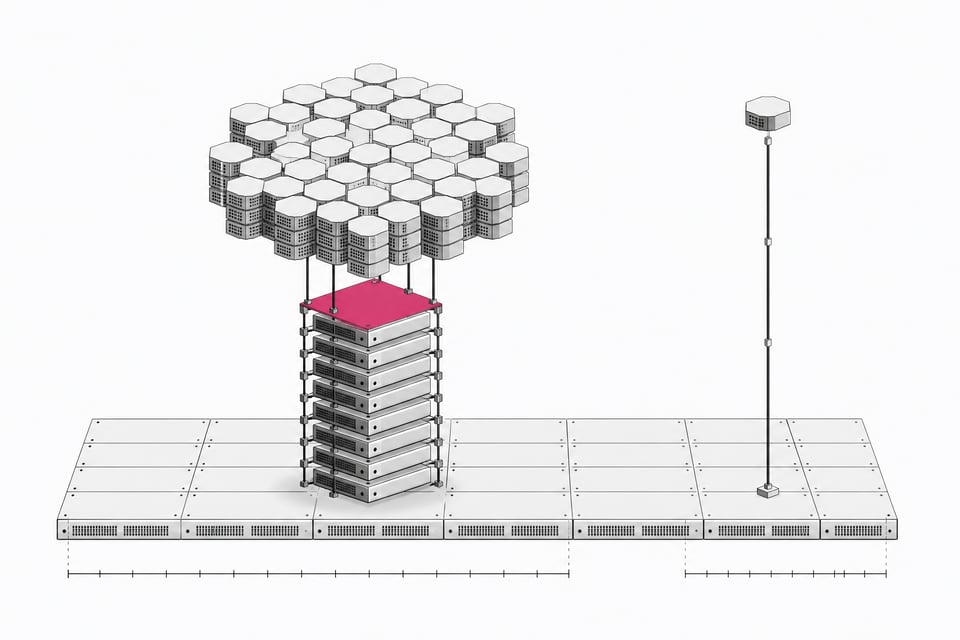
SaaS pricing is rising 4-5x faster than inflation. Here's how AI power costs, regulatory rollbacks, and bot traffic waste get billed straight to your renewal.
why are SaaS costs increasingSaaS pricing 2026AI bundling pricing
No-code tools let employees build real agents fast. Here's the identity-based, lifecycle-aware framework for governing shadow AI before it breaches you.
The best AI coding agents in 2026 don't autocomplete, they ship. A practitioner's guide to Claude Code, Cursor, Devin, and the local tools replacing SaaS.
Long-running agents like Astra now work unsupervised for days. Here's why IT governance built for software licenses fails, and the framework that replaces it.
A self-hosted AI development stack in 2026: Rails 8, Omarchy, and Ollama replace your PaaS, Redis, and API bills. The math, the 37signals case study, and the limits.
self-hosted AI development stackRails 8 Solid Queue Solid CacheOmarchy Linux
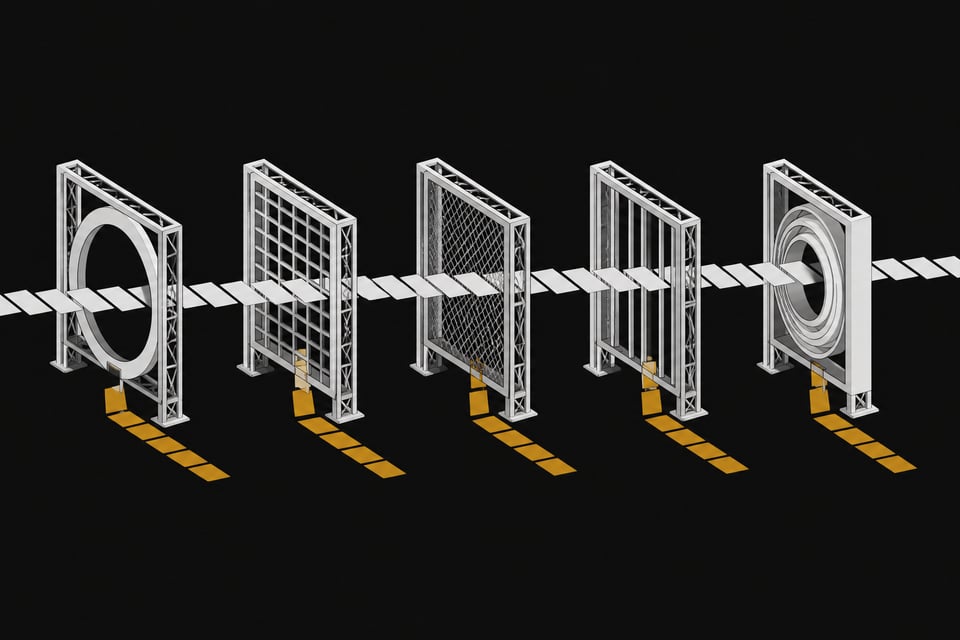
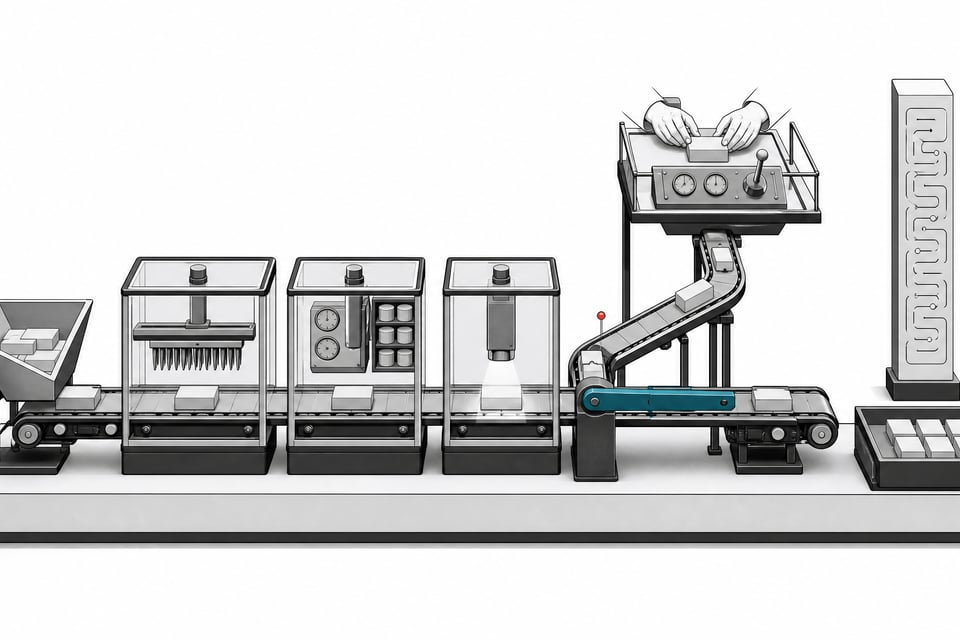
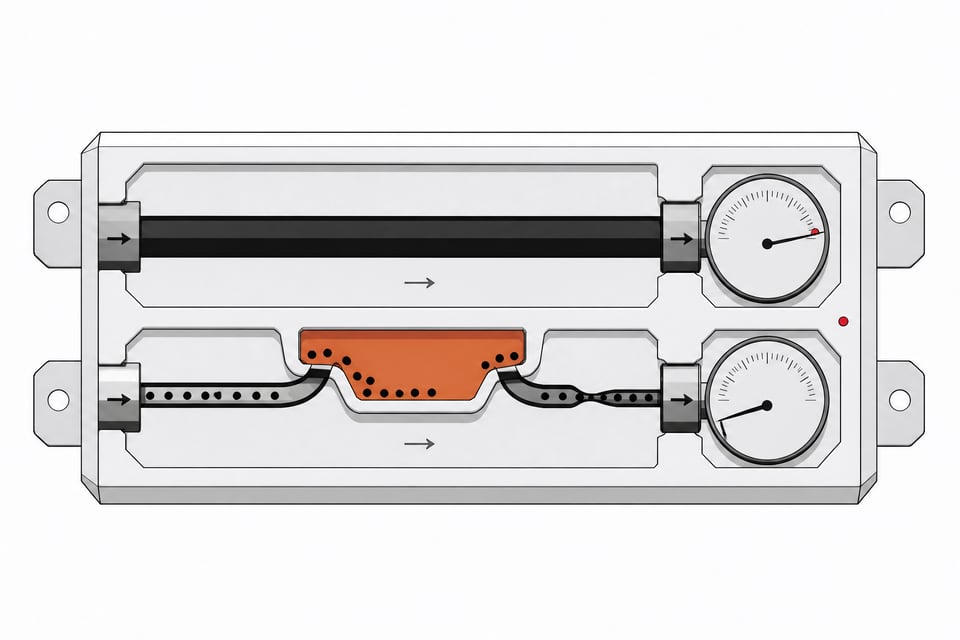
AI content is now roughly half the web. Here's how to build a self-hosted AI slop detector with Binoculars, Fast-DetectGPT, ZipPy, SynthID, and bot filters.
how to detect AI slopAI content detector open sourceBinoculars AI detector
GPT-6 Astra costs 2.5x more than its predecessor and still isn't private by default. Here's the real cost and privacy math against local coding models.
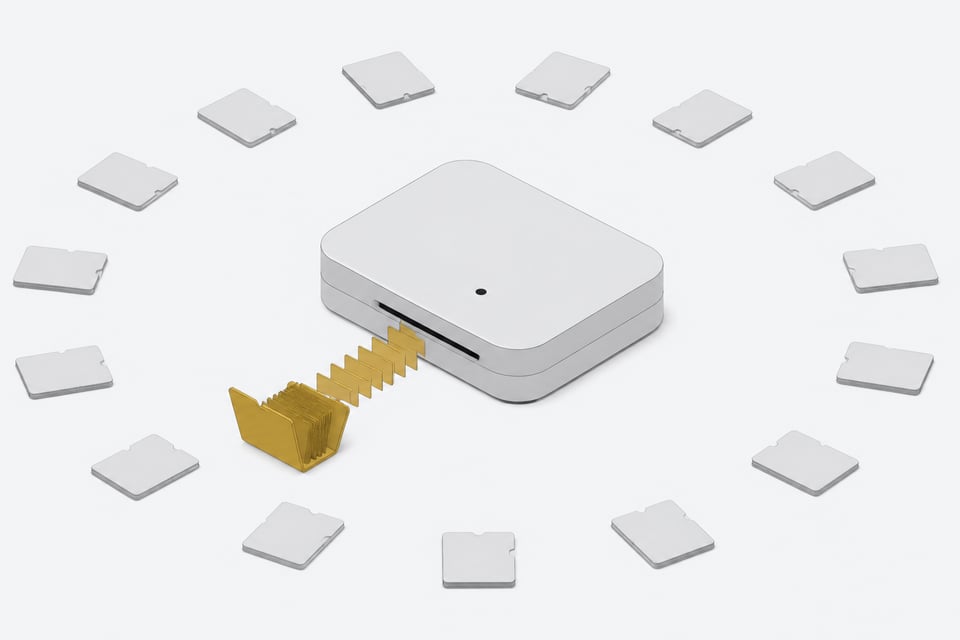
AI persistent memory is durable, external storage for facts and decisions outside the context window. Here's how it works and why internal tools need it.
SKILL.md files carry full agent privileges and most go unreviewed. Here's the step-by-step framework to inventory, scan, and govern them like production code.
how to secure ai agentsAI skills files securitySKILL.md security
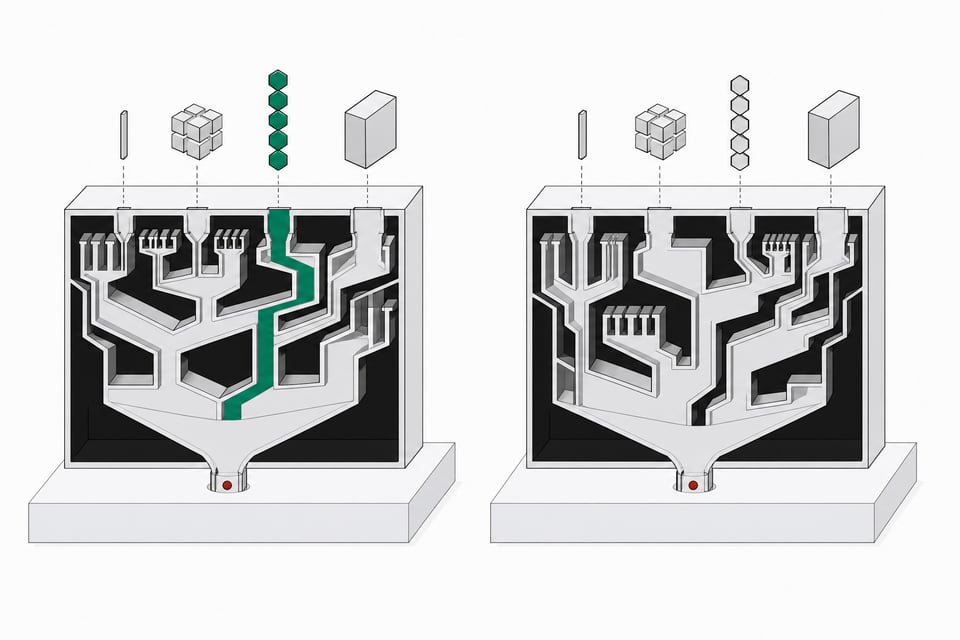
SKILL.md skills files are plain-text onboarding guides for AI agents. Here's how progressive disclosure works, why sprawl and security risks are real, and how skills pair with MCP.
AI agent skills filesSKILL.mdagent skills standard
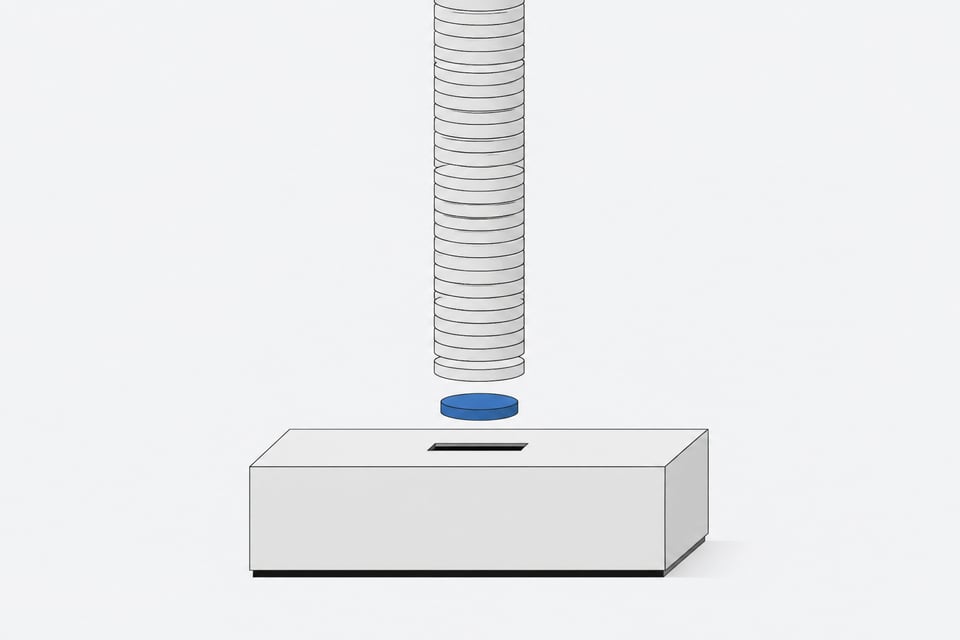
Anthropic cut Claude's cache-read price 75% without touching the sticker rate. Here's how token cache pricing works and why it decides your real AI bill.
API token cache pricingprompt caching costClaude Fable 5.1 pricing
DVRs, cars, printers, and tractors are turning into subscriptions. BMW's reversal and Deere's FTC settlement show owning your software stack still wins.