What Is Genie 4? Google DeepMind's Interactive World Model
Genie 4 from Google DeepMind turns a place and a character into a world you can explore and edit live. See what testers found, its limits, and who gets access.

What is Genie 4?
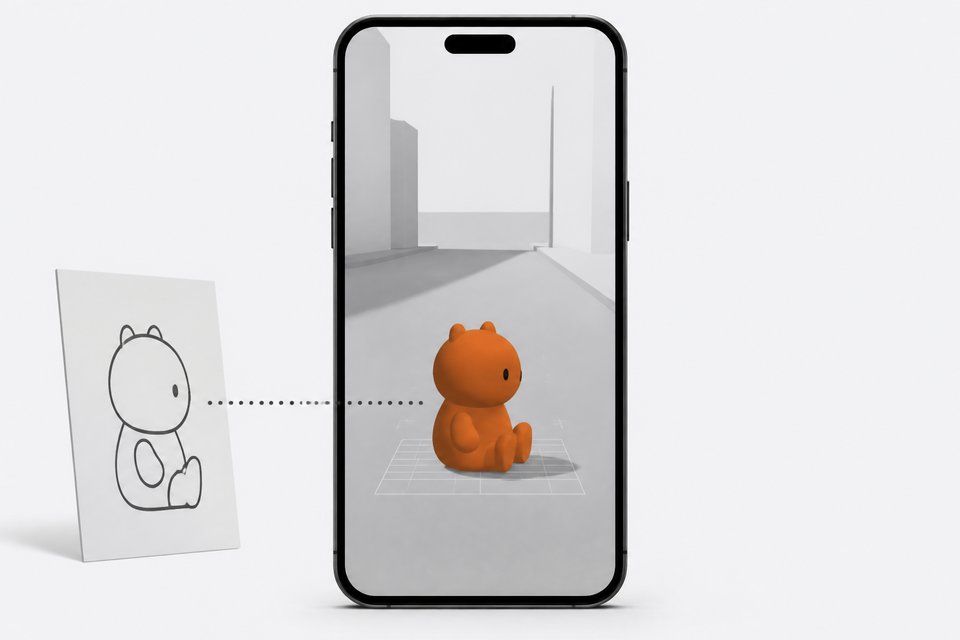
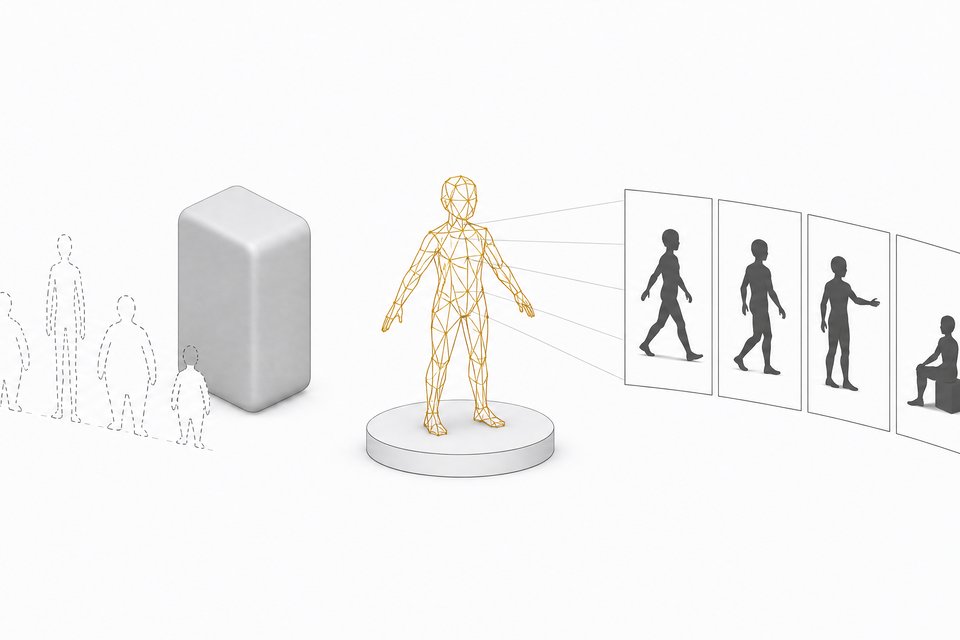
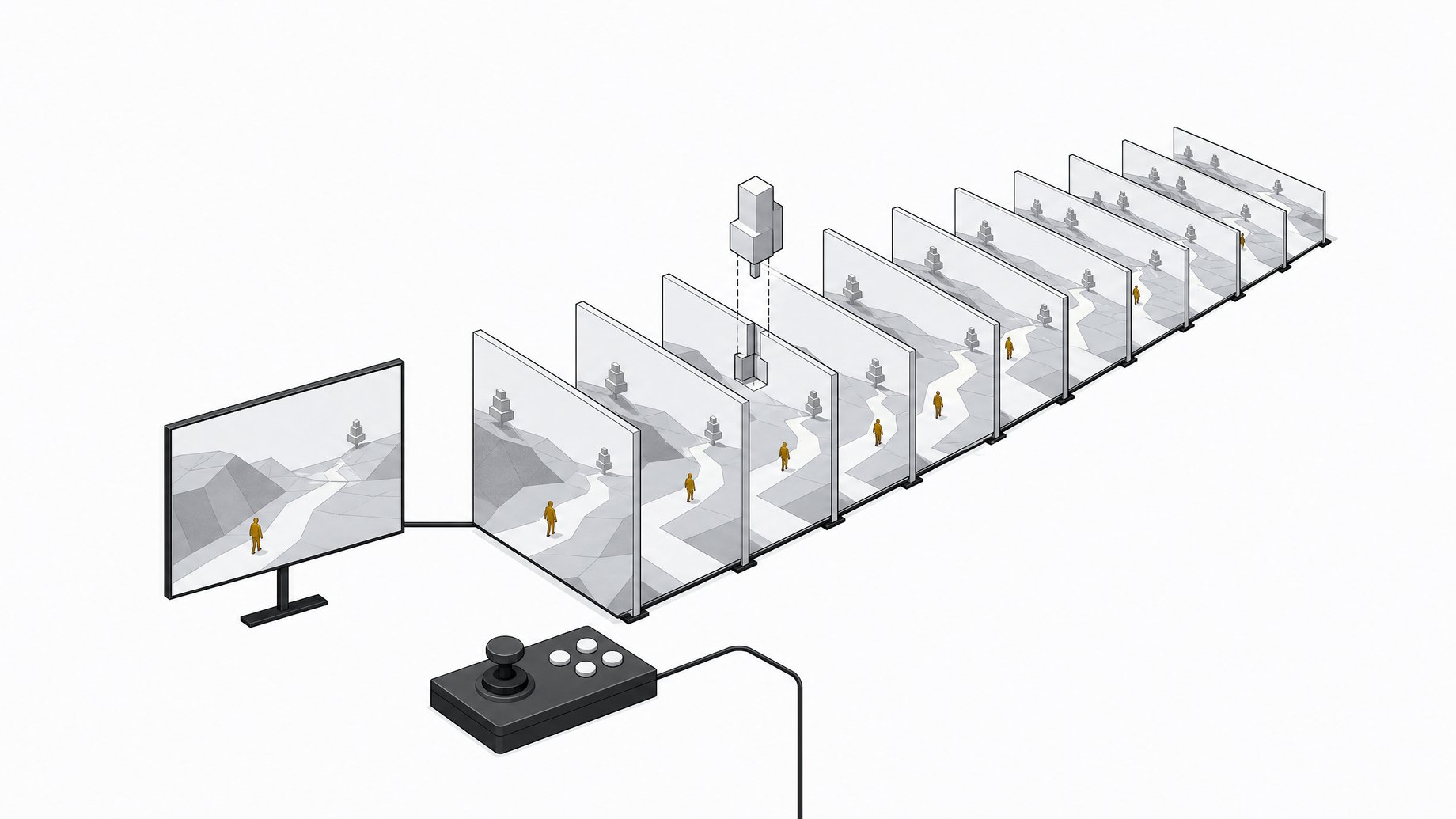
Genie 4 is Google DeepMind's interactive world generator. You type a place and a character, and it builds a world you can move around in and interact with. You can also change that world while you are inside it, for example by asking for a whale or a helicopter to appear. It is currently limited to a small group of testers, with a stated plan to bring it to Google AI Ultra subscribers soon.
TL;DR
- Genie 4 turns a text prompt describing a place and a character into a world you can control and explore, rather than a fixed video clip.
- The standout feature is live world editing: you can type new events or objects mid-session and the world responds.
- Google's own demos show generated sound, including characters that talk to each other.
- Each world currently lasts only 2 minutes, and testers found vehicle and plane controls hard to manage.
- Prompts for recognizable IP appear to be blocked. A tester's "King Kong" request failed, while "giant gorilla" worked.
- Access is limited to a small group of testers for now, with Google AI Ultra subscribers named as the next audience.
How does Genie 4 work from the user's side?
The workflow is simple. You supply two things: a location and a character. The model generates a playable scene around them. You then steer the character through it, much like a very loose game.
One tester typed "a giant gorilla enters the city" and watched the gorilla walk into the street where their character was standing. Another tried "Rainbow Road from Mario Kart" with a monkey on roller skates as the character. The monkey on skates came through clearly. The track did not look much like Rainbow Road to that tester.
The sources do not describe the underlying architecture, training data, or parameter counts, so this article does not speculate on them.
What can you change while inside a Genie 4 world?
This is the feature testers found most striking. Most generative video tools make you write a prompt, wait, and judge the finished clip. Genie 4 lets you keep prompting after the world exists.
Examples from the hands-on session:
- Flying a biplane over San Diego, then asking for a whale to breach. A whale breached.
- Adding a news helicopter to the same scene. It drifted close enough to the biplane to be uncomfortable.
- In a Google demo, typing "gigantic alien tentacles that destroy the world." The tentacles rose up behind a couple riding a scooter.
The tester said they had never been able to generate a world and then tweak it while standing in it. That loop, where prompting becomes a live editing tool, is the core idea here.
Does Genie 4 generate sound?
According to Google's own demos, yes. Characters can talk to each other, and the tentacle demo included audio. The sources only mention this in the context of Google's demos, not the tester's own sessions, so treat the quality as unverified until more people get access. Speech claims from unreleased models are worth the same caution, as with Block's Dessa speech-to-speech model.
What are Genie 4's limits?
Early testing surfaced several clear constraints.
| Limit | What testers saw |
|---|---|
| Session length | Each world lasts 2 minutes |
| Controls | Driving a car and flying a plane were tough |
| Instruction following | The model does not always perform the action you ask for |
| Prompt fidelity | "Rainbow Road" did not look much like Rainbow Road |
| IP filtering | "King Kong" was refused, "giant gorilla" worked |
The 2-minute cap matters most for builders. It makes Genie 4 a prototyping and exploration tool today, not a place to host a full game level or a long simulation.
The IP behavior is an inference. The tester guessed the King Kong refusal was about intellectual property. The Rainbow Road prompt still produced something, so the filtering is not a blanket block on every named franchise. The sources do not explain the exact rules.
A second reviewer's tests point to consistency problems that the short sessions above would not show.
- Scale drift. In a third-person driving scene, a Mustang looked like a Mini Cooper next to another car as the camera moved.
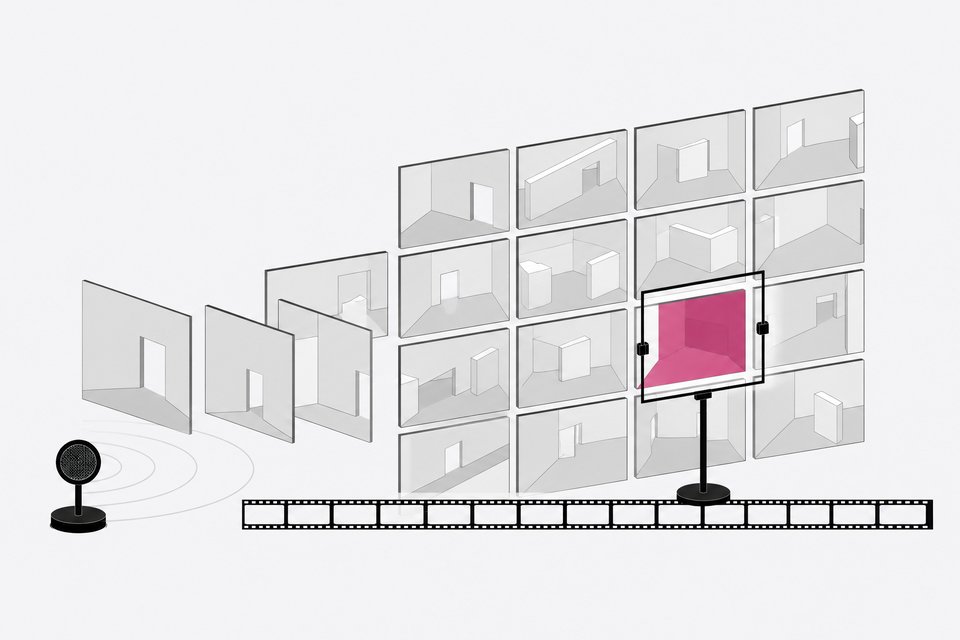
- Object permanence. When the reviewer spun the camera 360 degrees, what had been behind them often turned into something different. Locations came back similar at best.
- Perspective. First-person views held up better than third-person ones, and the scale problems showed up in third-person scenes.
- Detail accuracy. A baseball stadium looked right overall but showed the wrong opposing team's look.
- Thin games. A Doom-style shooter was playable, but enemies did not die and the player took no damage.
The same drift can be useful. The reviewer uploaded an old, clean photo of their studio and walked around it. The model filled in a huge warehouse with extra workstations and plaques that the real space does not have. For experimental filmmaking, that kind of invention can be a feature rather than a flaw.
Why do the shaky controls matter?
Responsiveness is what separates a world model from a video generator. If you press forward and the character does not reliably go forward, the world stops feeling interactive. Testers reported that vehicles in particular were hard to control and that actions did not always land as requested.
That is a normal early-stage gap for this type of system, but it limits what you can judge from short demos. Clean showcase clips tell you what the model can do at its best. The hands-on reports tell you how often it gets there.
When can you try Genie 4?
Right now, only a small group of testers has access. Google says it is coming soon to Google AI Ultra subscribers. No specific release date or pricing for Genie 4 appears in the sources, so anyone searching for an exact launch date will not find one here.
If you are planning around it, treat availability as staged: testers first, then the Ultra tier. Whether it reaches broader audiences later is not stated.
Is Genie 4 worth paying attention to?
For people who build with AI, yes, with realistic expectations. The live editing idea is the interesting part. It points toward interfaces where you describe changes to an environment in plain language and see them applied immediately. Possible uses include rapid concept exploration, quick scene mockups, and testing ideas for games or simulations.
The current constraints are real, though. Two-minute sessions, imprecise controls, and inconsistent adherence to prompts mean it is not a production tool yet. Judge it as a research preview that shows a direction.
Other hands-on demos suggest some uses beyond quick mockups:
- Set scouting. One creator imported an image of a location made in Midjourney, walked the camera around it, and used the result as a reference for shot angles before generating final shots with a conventional video model. This is probably the most practical use for people who already build with AI.
- Real-world places. A baseball stadium and a Times Square New Year's Eve scene were recognizable, and the user could float onto the field.
- Iterating on a small game. A first Doom-style build had no enemies and no shooting. Asking for enemies and a shoot button produced a new version. Jump and shoot then landed on the same key, and another prompt fixed that. The loop is describe, play, describe changes, play again.
- Voice input. A Blade Runner-style interrogation demo had the user answer questions aloud through the microphone, which is not something you would expect from a plain video model.
Frequently Asked Questions
Who can use Genie 4 right now?
Only a small group of testers. Google has said it is coming soon to Google AI Ultra subscribers, but the sources give no exact date.
How long can a Genie 4 world last?
Each world currently lasts 2 minutes. After that the session ends, so it suits short experiments rather than extended play.
Can Genie 4 make worlds based on existing franchises?
Results are mixed. A tester's Rainbow Road prompt generated a scene, though it did not closely resemble the real track. A "King Kong" prompt was refused, while "giant gorilla" worked, which the tester guessed was an IP restriction.
Does Genie 4 support sound?
Google's demos show generated sound, including characters talking to each other. The hands-on tester did not independently confirm audio quality in the sources available, so details remain limited.
What makes Genie 4 different from a text-to-video model?
You control a character inside the world and can keep typing prompts to change it as you explore. A typical text-to-video tool produces a finished clip that you cannot step into or modify mid-playback.
How we source, write, and correct our articles. Editorial standards