Is FLUX 3 Klein Better Than FLUX 2? Hands-On Test Results
Hands-on FLUX 3 Klein results: Arabic and English text, multi-reference edits, a hair color fix, a failed seatbelt edit, and how it compares to FLUX 2.

How good is FLUX 3 Klein compared with FLUX 2?
FLUX 3 Klein is a capable open-weights image model from Black Forest Labs, but one hands-on tester found it not as fast as hoped and no more realistic than FLUX 2 Klein. It follows prompts well, handles short signs in two scripts, and does some edits cleanly. It still bungles hands, struggles with a precise seatbelt fix, and often looks plasticky. The verdict from this round of testing: a modest step, not a leap.
TL;DR
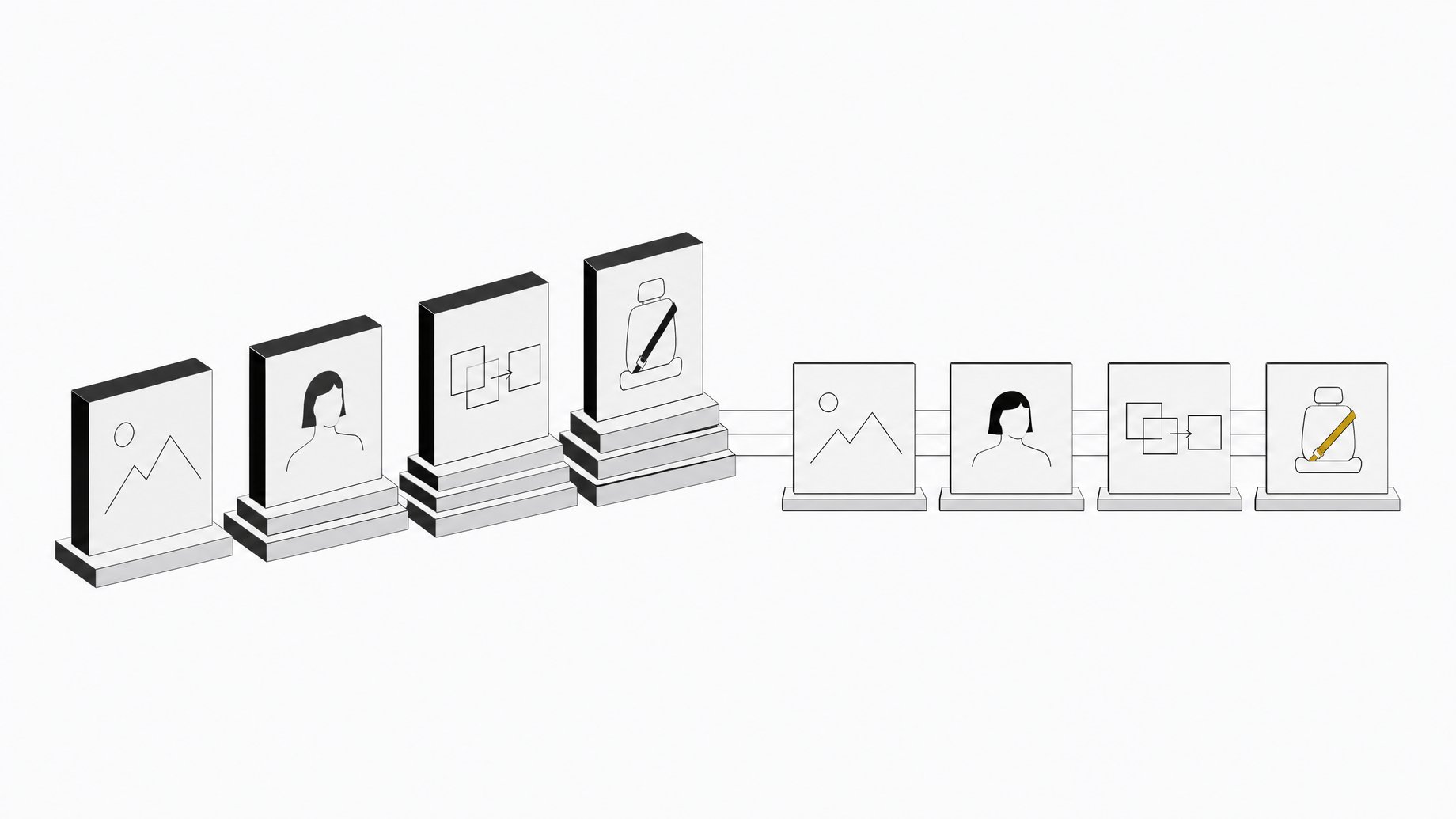
- FLUX 3 Klein combines text-to-image, editing, and multi-reference generation in one model, with up to 10 reference images.
- In a local run, it used just under 27 GB of VRAM at full precision, a bit less than the previous version.
- Speed disappointed. The tester said FLUX 2 Klein was quicker, and FLUX 3 was not as fast as hoped.
- Simple edits worked (hair color, toast with jam and blueberries), while a detailed seatbelt correction failed badly.
- Realism was uneven. Some scenes looked convincing, others looked plasticky, and the tester judged FLUX 2 slightly better on realism.
- The tester's takeaway was that image generation may be plateauing, with no groundbreaking change here.
What is FLUX 3 Klein?
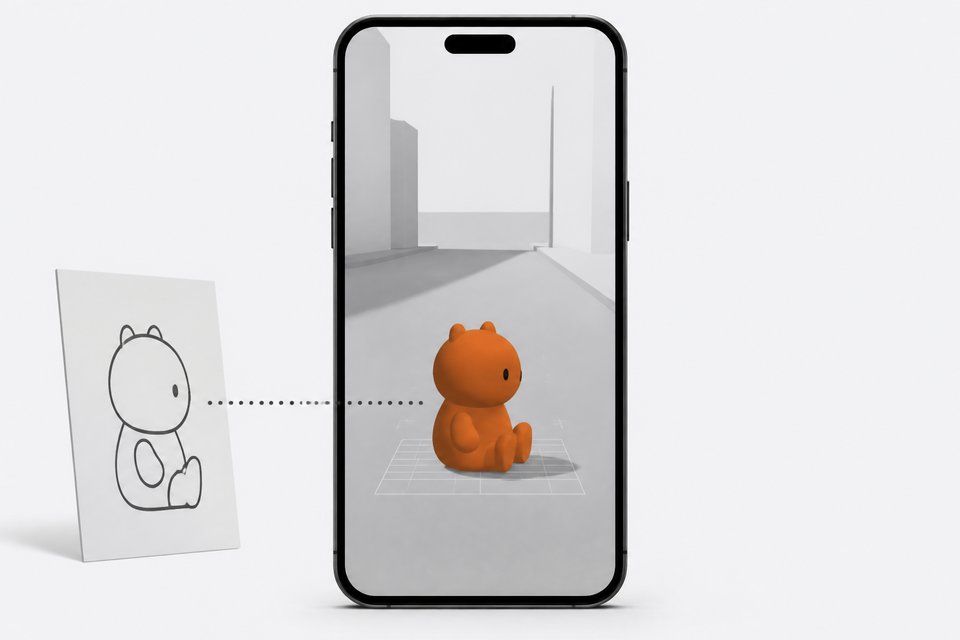
FLUX 3 Klein is a new open-weights model from Black Forest Labs. According to the tester's summary of the release, the image transformer has 5.6 billion parameters. One model covers text-to-image, image editing, and multi-reference generation, accepting up to 10 reference images.
Other details from the same walkthrough:
| Feature | Detail |
|---|---|
| Image transformer size | 5.6 billion parameters |
| Text encoder | Qwen-3 VL 4B |
| Distilled version | 16 steps, no guidance |
| Reference images | Up to 10 |
| Layout control | Bounding boxes can place elements in the prompt |
| Text rendering | Supported, though Black Forest Labs reportedly warned text may not be correct |
| VRAM observed | About 26,418 MB (under 27 GB), full precision |
What does the license allow?
The license permits non-commercial use. It also allows commercial use of outputs for qualifying users with under $5 million in annual revenue. If you plan to ship a product on it, read the license text yourself before building anything, since the tester only summarized it.
How does it handle a detailed prompt?
The first test was a flamenco dancer in a whitewashed Seville courtyard at golden hour, mid-turn, in a crimson ruffled dress with a black lace mantilla and a red carnation, with shallow depth of field.
Prompt adherence was good. The bougainvillea, blue tiles, and terracotta pots matched. The layered ruffles showed the spin, and the mantilla and carnation sat where requested. The warm light and soft background looked right.
The anatomy did not. The raised hand looked awkward, with a thumb that bent oddly. The other hand was half hidden, and the torso looked unnatural. Hands and arms remain a weak spot, and this model did not fix that.
Can it render Arabic and English text?
Partly. The test was a honey shop in Sana'a, Yemen, with signs in Arabic and English. The English word "Honey" came out crisp and correct. The Arabic below it looked okay to the tester, who is not a native Arabic reader and asked Arabic speakers to weigh in. Treat that as unverified.
Tiny labels on jars in the distance were unreadable, which the tester considered reasonable given their size in the frame. The rest of the scene impressed: the brick tower, stained glass, jars, traditional attire, and the sunlight and shadows in the background all matched the prompt. Short, prominent text looks usable. Small text is a gamble, and Black Forest Labs itself reportedly flagged text accuracy as a limitation.
How well does multi-reference generation work?
This was one of the stronger results. The tester fed in several photos plus a very short prompt (which the pipeline upsampled). The output built a wooden lookout, kept the subject's hat, yellow dress, and long hair, and matched the lighting to foggy orange hills. There was some plasticky texture in the foreground.
In a second run, the tester swapped in their own photo and asked for the hat to be removed. The face and other details stayed intact, the autumn trees looked a bit more realistic, and the model added blue jeans that were not in the original. That counts as a mild creative liberty, not a faithful edit, so watch for it if you need exact preservation.
Where does image editing succeed and fail?
Results split by task complexity.
Worked:
- Toast edit. The prompt asked for strawberry jam on the toast and a few blueberries on the plate. The jam and toast texture looked okay and the blueberries fit the scene. The tester still called the result not natural enough to be world-class, and a bit AI-looking.
- Hair color change. The original and edited images compared well. Surrounding details stayed intact, and the hair kept a naturally frizzy texture. The tester rated this very good.
Failed:
- Seatbelt fix. The tester gave a very detailed prompt asking the model to reposition a seatbelt on the shoulder into a legal range on an AI-generated image. The model failed "miserably" and did not make the correction.
The pattern is familiar. Broad, local changes like color and added objects work. Precise geometric or spatial corrections that depend on understanding how an object should sit on a body are much harder.
How realistic are the scenes?
Mixed, and heavily scene dependent.
- Golden Temple (Amritsar). The gold detail, water reflection, marble inlay, and small devotees looked good. The birds were out of scale. The tester called it the best image of the session.
- River market in South Kalimantan. Smog, orange haze, dim sun, masks, stilt houses, and background figures looked convincing and real.
- Bavarian cows returning from the Alps. Too busy, especially the plants, and plasticky. The tester said the realism was not there.
- Lido beach, Mogadishu. Reflections were good, which the tester saw as an improvement, and minarets and footprints added detail. The food on the picnic looked repetitive.
Atmospheric scenes with haze and strong light did best. Dense, detail-heavy compositions pushed the model into an overworked, plastic look.
Is FLUX 3 Klein better than FLUX 2?
On this evidence, not clearly. The tester's points:
- FLUX 2 Klein was faster, and FLUX 3 was not as quick as hoped.
- FLUX 2 seemed slightly better on realism.
- FLUX 3 uses somewhat less VRAM than the previous version.
- Prompt following looked improved.
- Reflections looked better.
This was a prompt-by-prompt impression, not a controlled side-by-side benchmark. There were no matched seeds or scored metrics. If you already run FLUX 2 Klein, the unified editing and multi-reference support and the lower VRAM may be worth a test on your own prompts. A realism upgrade is not guaranteed.
Has AI image generation plateaued?
The tester's closing view was that text-to-image and image-to-image generation looks plateaued, with nothing "earth-shattering" in this release. One review does not settle that. The recurring flaws here (hands, plastic textures, precise edits) are the same ones that have lingered across many model generations, which gives the argument some weight. Gains now seem to come from workflow features, such as multi-reference input and bounding boxes, more than from raw image quality.
Frequently Asked Questions
How much VRAM does FLUX 3 Klein need?
In the tester's local ComfyUI run at full precision, usage was about 26,418 MB, or just under 27 GB. That was reportedly a bit less than the previous version. Other precision settings were not covered in the testing.
Can FLUX 3 Klein edit images and use reference photos?
Yes. One model handles text-to-image, editing, and multi-reference generation with up to 10 reference images. Tests showed good results on hair color, adding food items, and placing a person into a new scene, but a precise seatbelt repositioning failed.
Is FLUX 3 Klein free for commercial use?
It is open weights, with non-commercial use allowed. Commercial use of outputs is allowed for qualifying users under $5 million in annual revenue. Read the full license before relying on that summary.
Does FLUX 3 Klein render text reliably?
Short, prominent text worked in testing, including an English sign and Arabic text that looked acceptable to a non-native reader. Small distant labels were unreadable. Black Forest Labs reportedly cautioned that text may not be correct in this version.
How we source, write, and correct our articles. Editorial standards