AEO vs SEO: Which Matters More for AI Search Visibility?
AEO vs SEO compared: how SEO earns clicks, how AEO earns AI citations, five practical differences, click-data evidence, and a checklist.

Which matters more for AI search visibility, AEO or SEO?
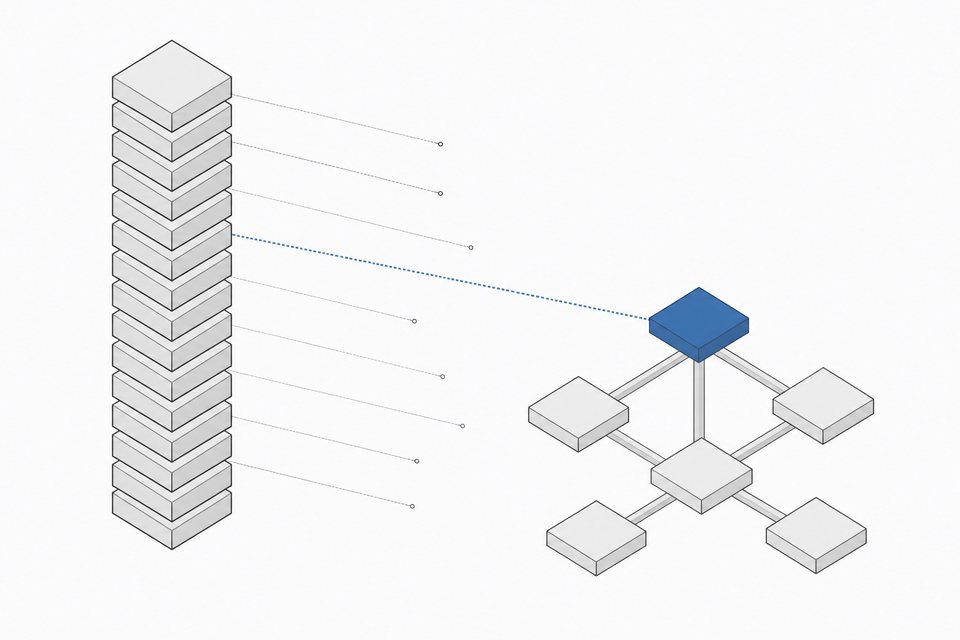
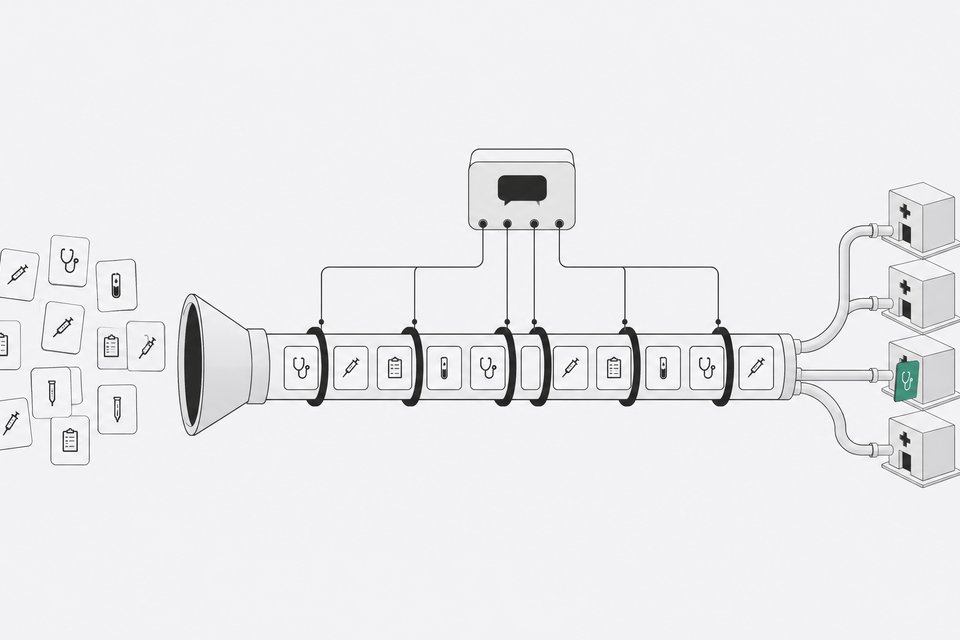
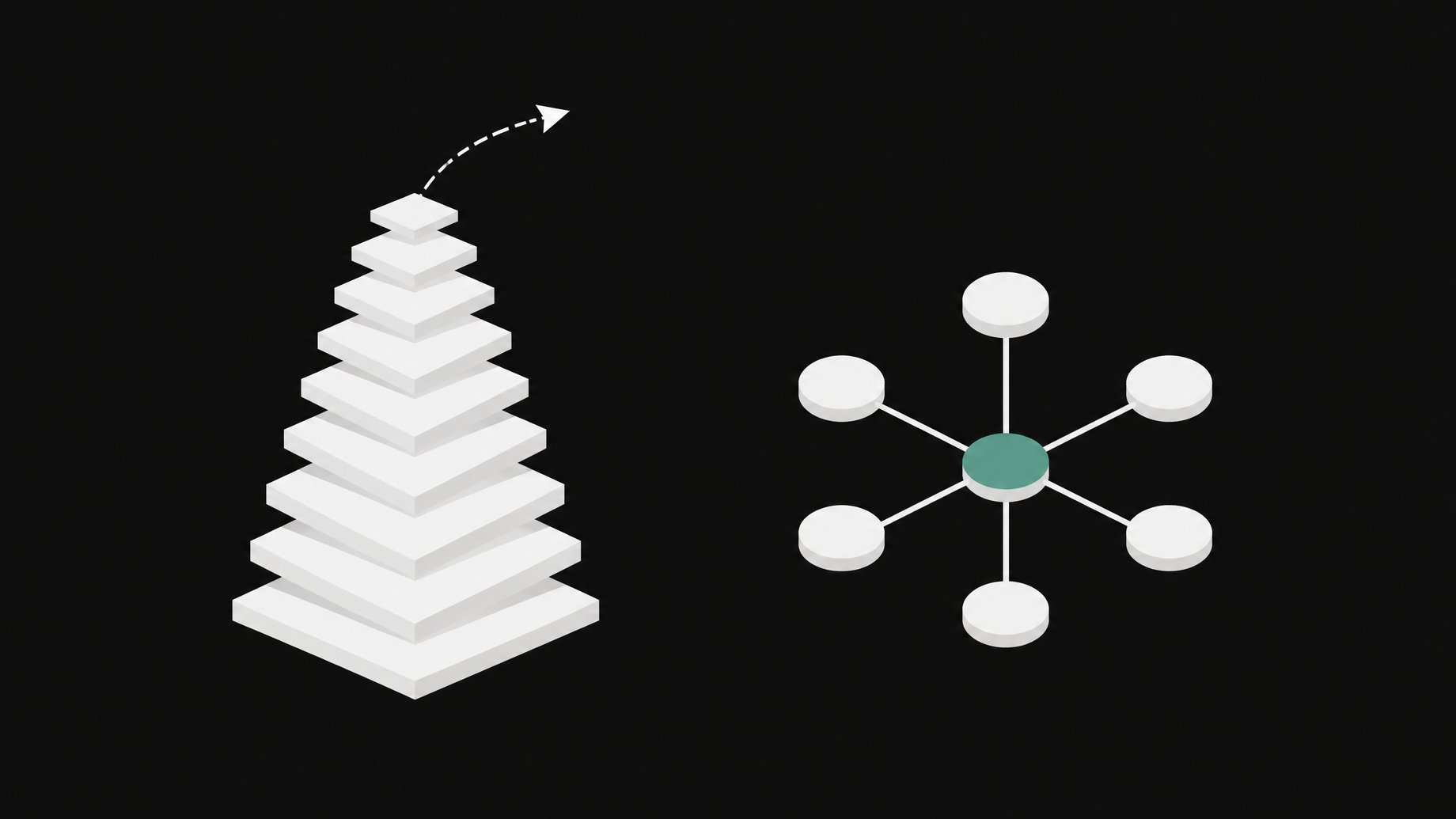
Search engine optimization (SEO) structures a page to rank high enough on a results list to earn a click. Answer engine optimization (AEO) structures a fact so an AI system can extract and cite it directly, often without sending anyone to your site at all. Neither replaces the other, because AEO builds on SEO's foundation. Same internet, different finish line. SEO is still trying to win the click. AEO has given up on the click and is optimizing for the quote.
That split sounds academic until you look at what's happening to the click itself.
TL;DR
- Gartner forecast that traditional search volume will drop 25% by 2026 as generative AI tools absorb queries that used to run through a search box.
- Ahrefs found that Google AI Overviews now correlate with a 58% drop in click-through rate for the top organic result.
- AEO focuses on earning citations inside AI-generated answers instead of driving clicks and traffic.
- The GEO research found that a direct expert quotation can improve citation rates by up to 41%, so adding expert quotes and statistics is one of the most effective levers.
- AEO does not replace SEO; it builds on the technical health and domain authority that SEO already established.
Why is this question suddenly everywhere?
For a decade, "rank number one" was the whole game. That game is breaking down. Gartner forecast in February 2024 that traditional search engine volume will drop 25% by 2026 as generative AI tools absorb queries that used to run through a search box. Gartner VP Alan Antin put it bluntly: generative AI tools are "becoming substitute answer engines, replacing user queries that previously may have been executed in traditional search engines."
The mechanism already shows up in click data. Ahrefs' original study found a Google AI Overview correlated with a 34.5% lower average click-through rate for the number-one organic result. A re-run of the same methodology in December 2025 found that gap had widened to 58%. Pew Research Center's analysis of real browsing data from 900 U.S. adults found people clicked a traditional result in only 8% of visits when an AI Overview appeared, versus 15% when it didn't, and clicked a link inside the AI summary itself in just 1% of visits. Zero-click search, roughly 45% of all Google searches a decade ago, is on track to hit an estimated 68% by 2026.
AEO exists because that 1% number isn't a rounding error. It's the new battlefield.
What does SEO actually optimize for?
Traditional SEO optimizes a page to satisfy a ranking algorithm and a human scanning a results list. Its core levers are familiar to anyone who has run a content team:
- Keyword relevance. Matching the language and intent of a search query closely enough that the algorithm considers the page a strong match.
- Backlinks and domain authority. Earning links from other credible sites as a trust signal.
- Crawlability and technical health. Site speed, mobile usability, clean metadata, and a structure crawlers can parse.
- On-page structure. Headings, internal linking, and topic depth that signal comprehensive coverage.
- Click-through rate. A title and meta description compelling enough to win the click once the page shows up.
The goal underneath all of it is traffic. A page that ranks but nobody clicks is, by SEO's own scorecard, a failure.
What does AEO actually optimize for?
AEO optimizes the same underlying content for a different consumer: an AI system deciding what fact to surface and whom to credit for it. Its levers overlap with SEO's technical foundation but point at a different outcome: extractability and citation, not traffic.
The term isn't new. It surfaced in a Trustpilot white paper, "The Rise of Voice and AEO: How SEO will Evolve," handed out at BrightonSEO in September 2017 by Jason Barnard, years before ChatGPT or AI Overviews existed. It entered mainstream industry conversation through a Trustpilot webinar and Rebecca Sentance's February 2018 Search Engine Watch piece, which framed it around voice search and featured snippets rather than chatbots. That piece quoted Chee Lo's framing, and it stuck: "the underlying difference between AEO and SEO is that AEO is driven by strategy, while SEO is driven by tactics," and "understanding plus credibility equals brand authority. If you don't improve your brand authority, your mid to long-term AEO strategy is doomed to failure."
Seven years later, the mechanics are the same, the stakes are higher, and the engine doing the asking is a large language model instead of Siri.
What are the five practical differences between AEO and SEO?
Strip away the jargon and the two disciplines diverge on five concrete fronts.
- Primary goal. SEO aims for a high rank on a results page. AEO aims for a direct citation inside an AI-generated answer.
- Query pattern. SEO targets transactional and navigational searches ("buy running shoes," "login page"). AEO targets question-led, conversational queries ("what is the best running shoe for flat feet").
- Content structure. SEO rewards long-form pages with topic clusters and internal depth. AEO rewards short, standalone, extractable answer blocks that make sense pulled out of context.
- Technical signals. SEO leans on page speed, backlinks, and metadata. AEO leans on FAQPage and HowTo schema, consistent entity naming, and clearly attributed facts.
- Success metric. SEO is measured in rankings, sessions, and conversions. AEO is measured in citation frequency and visibility inside AI answers, often with zero accompanying traffic.
Can you do AEO without SEO?
None of this means AEO replaces SEO. Semrush, HubSpot, and Optimizely all land on the same conclusion: AEO is an additional layer sitting on top of the same foundation SEO already built. An AI model has no reason to trust or cite a source it can't crawl, parse, or verify as authoritative. Domain authority, backlink profiles, and clean technical structure, SEO's bread and butter, are the prerequisites that let an AI system consider a source citation-worthy in the first place.
Semrush frames the hierarchy cleanly: "Both AEO and GEO roll up under SEO." You don't swap one discipline for the other. You build AEO on an SEO foundation that was already load-bearing.
Worth knowing: Semrush's comparison of AI Mode and ChatGPT citations against Google's organic top ten found that AI systems favor domains with strong backlink authority, but frequently cite a different, deeper subpage than the one ranking first in traditional search. The authority signal carries over. The specific page selected often doesn't.
What does the evidence show about how AI answers are reshaping click behavior?
The numbers above aren't scattered anecdotes. They're a consistent trend line across independent sources. Ahrefs' large-scale study of 300,000 keywords found AI Overviews now correlate with a 58% drop in click-through rate for the top organic result, up from 34.5% in its earlier pass. Pew's browsing-panel data confirms the shift at the human level: an 8% click rate with an AI summary present versus 15% without one. Gartner's 25% volume forecast says the same thing from the demand side: fewer searches are even reaching a traditional results page to begin with.
Stack those together and the picture is unambiguous. The traffic a page used to earn by ranking well is shrinking, independent of how good the SEO is. That's the commercial reason AEO stopped being a niche concept and became a budget line.
What is GEO, and how is it different from AEO?
AEO isn't the only new acronym in the room, and the overlap causes real confusion. The clearest way to separate them: SEO drives discovery and ranking in classic search, AEO targets the real-time retrieval and citation layer (getting existing content pulled into a direct answer right now), and GEO, Generative Engine Optimization, targets the model layer: how a brand is represented in what an AI already "knows" from its training.
GEO comes from a specific place: a 2024 paper by researchers at Princeton, Georgia Tech, and IIT Delhi that coined the term and ran a benchmark across diverse queries. They found that techniques like adding statistics, citing sources, and quoting experts could lift a source's visibility in generative engine responses by up to 40%. A direct expert quotation improved citation rates by up to 41%, and quantified statistics improved them by about 32%. Those are the same techniques AEO practitioners now treat as table stakes, which is why the two terms blur in practice even though they target different layers of the stack.
What is a practical checklist for doing AEO?
Translating the research into action looks like this:
- Lead with a direct answer. Open each section with a short, standalone answer that makes sense with no surrounding context, because that's the chunk an AI system is most likely to lift.
- Add structured markup. Use FAQPage and HowTo schema so machines can parse question-and-answer pairs without guessing at intent.
- Keep entities consistent. Use the same name, spelling, and description for your brand, product, and key terms everywhere. Inconsistent naming confuses the entity resolution AI systems rely on to trust a source.
- Add real data and expert quotes. Original statistics and attributed quotations are the two levers the GEO research found most effective at lifting citation rates.
- Refresh on a schedule. AI retrieval systems favor recent, explicit passages over stale narrative prose, so freshness is a ranking signal in its own right.
If your team already has internal AI agents pulling from your wiki or knowledge base, the same structural discipline applies there too. A guide on serving markdown to AI agents using accept headers covers the mechanics of making internal docs machine-readable, which is the same muscle AEO asks you to build for the public web.
How do you measure AEO success?
If AEO works, your traffic dashboard may show nothing. That's the uncomfortable part. A citation inside an AI Overview or a chatbot answer rarely produces a session in Google Analytics. Teams doing this seriously are shifting their scorecards toward citation frequency across AI engines, share of voice against named competitors inside AI-generated answers, and branded search volume lift as a downstream proxy for AI-driven exposure that never shows up as a click.
| Primary goal | Query pattern targeted | Content structure rewarded | Key technical signals | Dependence on earning a click | Success metric | |
|---|---|---|---|---|---|---|
| SEOClassic search rankings and traffic | Rank high on a results page | Transactional & navigational searches | Long-form pages with topic clusters | Backlinks, page speed, clean metadata | High | Rankings, sessions, conversions |
| AEOReal-time citation inside AI answers | Win a direct citation in an AI-generated answer | Question-led, conversational queries | Short, standalone, extractable answer blocks | FAQPage/HowTo schema, consistent entity naming | Low | Citation frequency, visibility inside AI answers |
| GEOLong-term representation in model outputs | Shape how a brand is represented in what a model already "knows" | Diverse queries across generative engines | Content enriched with statistics, quotes, cited sources | Original statistics, expert quotations, source citations | Low | Visibility lift in generative engine responses |
Some teams build their own lightweight monitoring instead of waiting for an analytics vendor to catch up, running prompts against the major AI engines on a schedule and logging who gets cited. The instinct is to treat visibility tracking as infrastructure you own, not a report you rent from someone else's dashboard.
What is the bottom line?
SEO and AEO aren't rivals fighting over the same budget line. They're two layers of one discipline, aimed at two different outcomes: one earns the click, the other earns the quote. The authority and structure SEO built over two decades is still the entry ticket. AEO is what you do with that ticket once a growing share of queries never reach a results page at all.
The real shift isn't tactical. It's about what you're building toward. A ranking is rented. It can vanish with an algorithm update, and it belongs to whichever platform's results page you're standing on. A fact, cited correctly and attributed to your name, is closer to an asset: something an AI system keeps returning to because it's accurate and well-formed, not because you bid for the slot. Build for that, and the click becomes a bonus instead of the whole business model.
Frequently Asked Questions
Is AEO replacing SEO?
No. Industry consensus from Semrush, HubSpot, and Optimizely treats AEO as an additional layer built on top of SEO's foundation, not a replacement. AI systems still rely on domain authority, backlinks, and crawlable technical structure to decide what to trust and cite, which is SEO's territory. AEO adds the structuring work needed to get that trusted content extracted into a direct answer.
What's the difference between AEO and GEO?
AEO targets the retrieval and citation layer: getting existing content pulled into a real-time AI answer. GEO (Generative Engine Optimization) targets the model layer: how a brand is represented in what an AI model already knows from training. The term GEO comes from a 2024 Princeton/Georgia Tech/IIT Delhi paper that found techniques like adding statistics and expert quotes could boost visibility in generative engine responses by up to 40%.
How do I measure if AEO is working if it doesn't drive traffic?
Track citation frequency across AI engines (how often you're named or quoted in AI answers), share of voice against named competitors in those answers, and branded search volume lift as a downstream signal, since AI-driven exposure often shows up as brand awareness rather than a session in your analytics tool.
Does AI Overview presence actually hurt click-through rates?
Yes, measurably. Ahrefs' study of 300,000 keywords found AI Overview presence correlated with a 34.5% lower click-through rate for the top-ranked organic result in its original pass, and a December 2025 re-run of the same methodology found that gap had widened to 58%. Pew Research separately found users click a traditional result in only 8% of visits when an AI summary is present, versus 15% without one.
What's a concrete first step to start doing AEO?
Rewrite the opening of your key pages so each major section leads with a direct, standalone answer of roughly 40 to 67 words, add FAQPage or HowTo schema markup, and keep your brand and product names spelled identically everywhere. Those three changes target exactly what AI retrieval systems favor: explicit, extractable, consistently labeled passages.
How we source, write, and correct our articles. Editorial standards