
Local AI ·
How Does Nanbeige4.3-33B Score vs Qwen3.8-27B and Gemma4-31B?
Nanbeige4.3-33B leads 17 of 20 benchmarks against Qwen3.8-27B, Gemma4-31B and Muse-Glimmer-30B. See the full table and where it loses.
For people building with AI: new models, local AI, coding tools, pricing and security, explained plainly.
Nanbeige4.3-33B leads 17 of 20 benchmarks against Qwen3.8-27B, Gemma4-31B and Muse-Glimmer-30B. See the full table and where it loses.

Lean REA is an 8KB skill file that replaces the 207-tool REA MCP server. Compare speed, cost, turns and context use using the Sonnet 5.5 benchmark figures.

DeepSeek V4.1 Flash costs 15 cents per million input tokens off-peak. Compare it with Sonnet 5.5 and Opus 5.5 on cached input, peak pricing and agent run costs.

Kimi K3.1 Pro lists at half Opus 5.5's token price, but 13 long agent tasks cost $45.91 vs $83.46. See where caching shrinks the saving.

A 13-task test of Kimi K3.1 Pro against Claude Opus 5.5 in the same Claude Code harness: where Kimi matches Opus, where it cuts corners, and what to check.
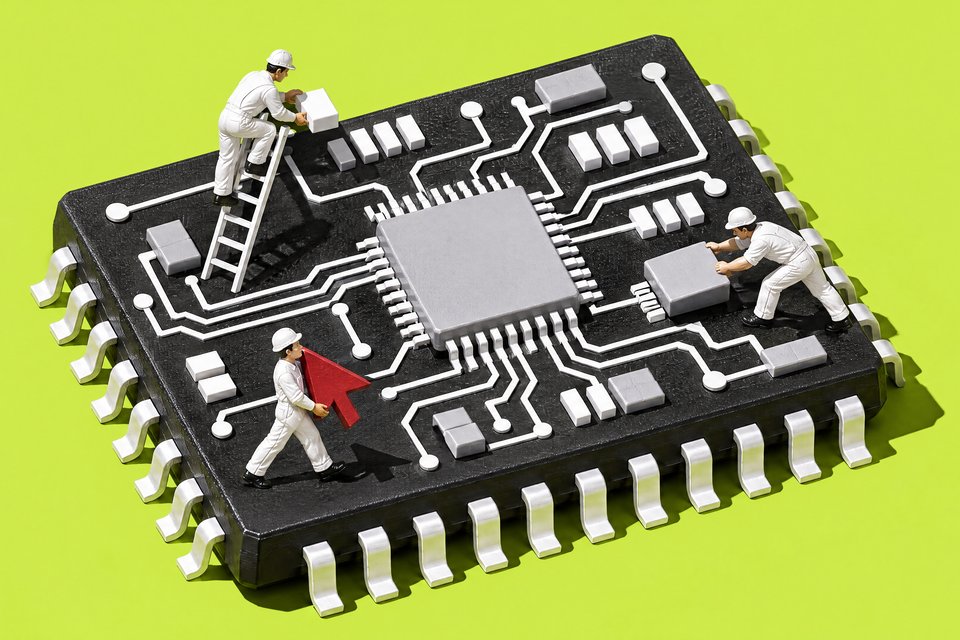
Fixed costs near 80%, yield leverage, and a capex gap of roughly $20B vs $50B explain why three foundries remain and what Intel must do to catch TSMC.

Step-by-step setup for Lean REA reverse engineering with DeepSeek V4.1 Flash in PandaCode, plus costs, limits, and what to check before you run it.

Seat, token and outcome pricing for enterprise AI compared, with Cedar, Sierra, forward-deployed engineering and OpenAI's Thrive deal, plus how to measure ROI.

Hands-on FLUX 3 Klein results: Arabic and English text, multi-reference edits, a hair color fix, a failed seatbelt edit, and how it compares to FLUX 2.
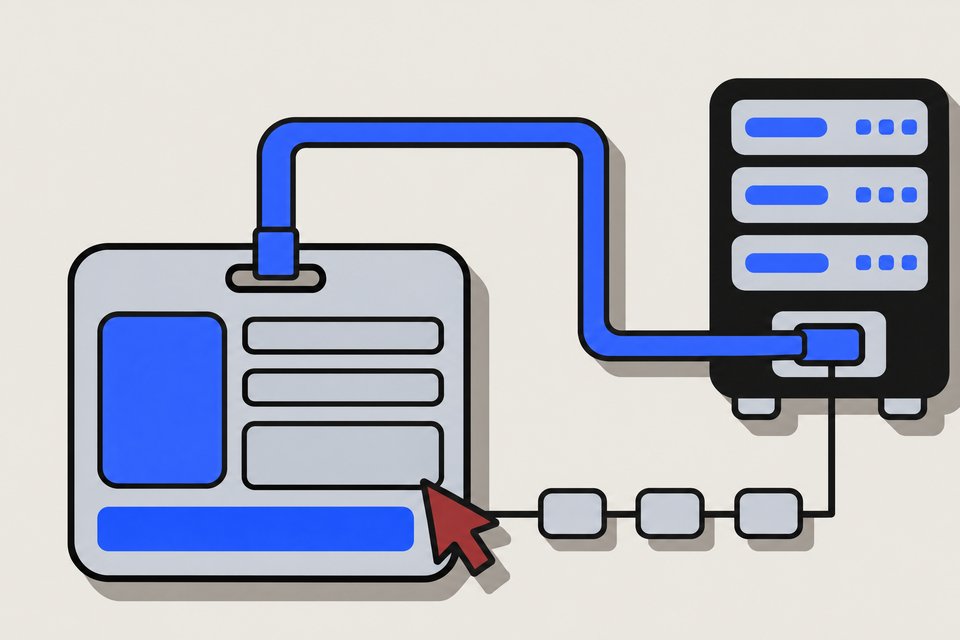
Forward-deployed engineering explained: how OpenAI's deployment company, Anthropic's joint venture and the Thrive stake help firms turn AI into ROI.
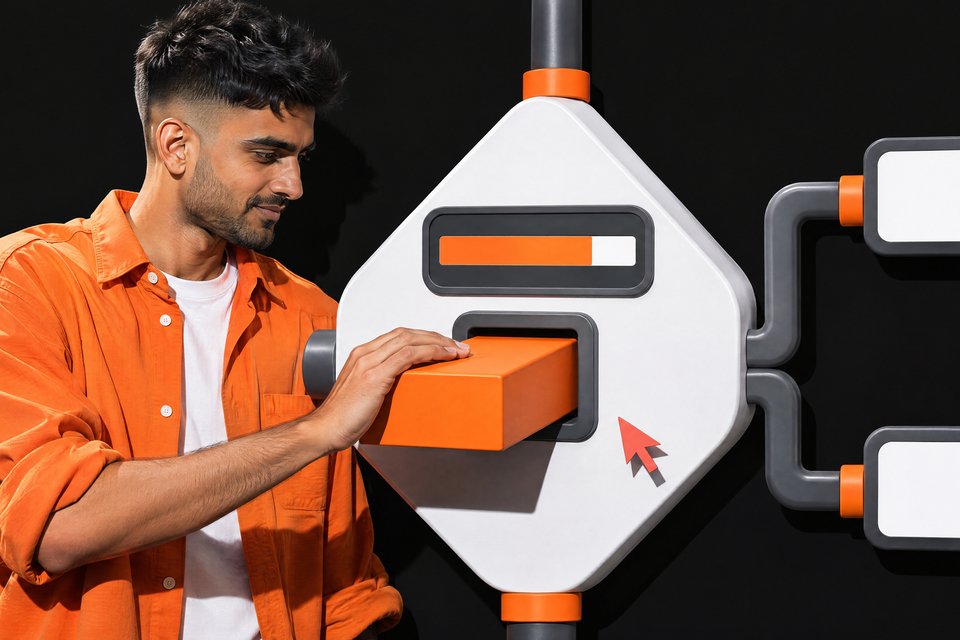
DecisionNode returns typed answers with calibrated confidence instead of chat text. See tests on image boosters, API routing, the CLI, injection and RAG.

Run FLUX 3 Klein locally in ComfyUI: 5.6B transformer, 16-step distilled model, about 26.4GB VRAM at full precision, and the under-$5M commercial license.
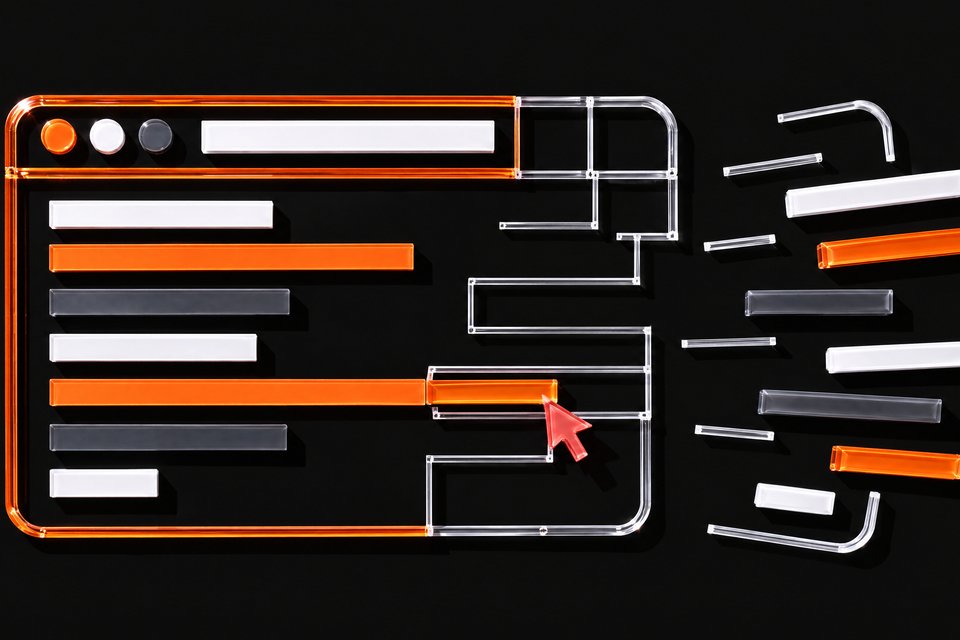
Practical rules for running Kimi K3.1 Pro inside Claude Code: pin the method, force GPU flags, track cost and effort, and verify with external grading scripts.
Run Nanbeige4.3-33B with Transformers, vLLM or SGLang. Covers the 512K context, thinking flags, tool-call format, and recommended sampling settings.

A free GPU unlocker patch speeds up prefill on RTX 3090, 4090 and other Ampere/Ada cards in vLLM. Steps for Proxmox/Linux plus before and after numbers.

Kimi K3.1 Pro costs half of Opus per token on the Kimi API, with open weights promised by November 4. Specs, access limits and what is still unconfirmed.
ChatGPT Dots are always-on agents with their own computer and connected apps. Here are three prompts for price drops, flight delays and email commitments.
Kimi K3.1 Pro costs $2 per million input and $10 output tokens. See cached rates, high-speed pricing, a real $32 benchmark bill, and plan limit complaints.

Kimi K3.1 Pro tested against Opus 5.5 and GPT 6.1 Soul: pricing, open-weight caveats, and hands-on demos from a Rubik's cube to a Fall Guys clone.

OpenAI's $200 plan reportedly drops from 20x to 10x usage about 30 days after Dev Day, with a $500 tier launched and Anthropic testing its limits.

Claude agents can cost thousands a day. Learn how prompt caching, batch APIs and matching Haiku, Sonnet and Opus to tasks cut token spend.

Break-even math on local AI: a $4,000 machine over three years versus ChatGPT or Claude plans, plus what data sovereignty and access are worth.

Compare Meta's Muse, OpenAI's Dot, xAI's Grok Bot and Claude Duet on price, Slack support, setup effort and which always-on AI agent suits you.
Personal AI agents are moving into Slack and messaging. See how Grokbot, Dots, Muse and Claude Duet differ on proactivity, heavy tasks and EU availability.