What Is an Agentic OS? Windows vs Omarchy Compared
An agentic OS lets AI agents act on files, settings, and apps. See how Windows 11 and Omarchy Linux differ on who controls the agent, plus real risks.

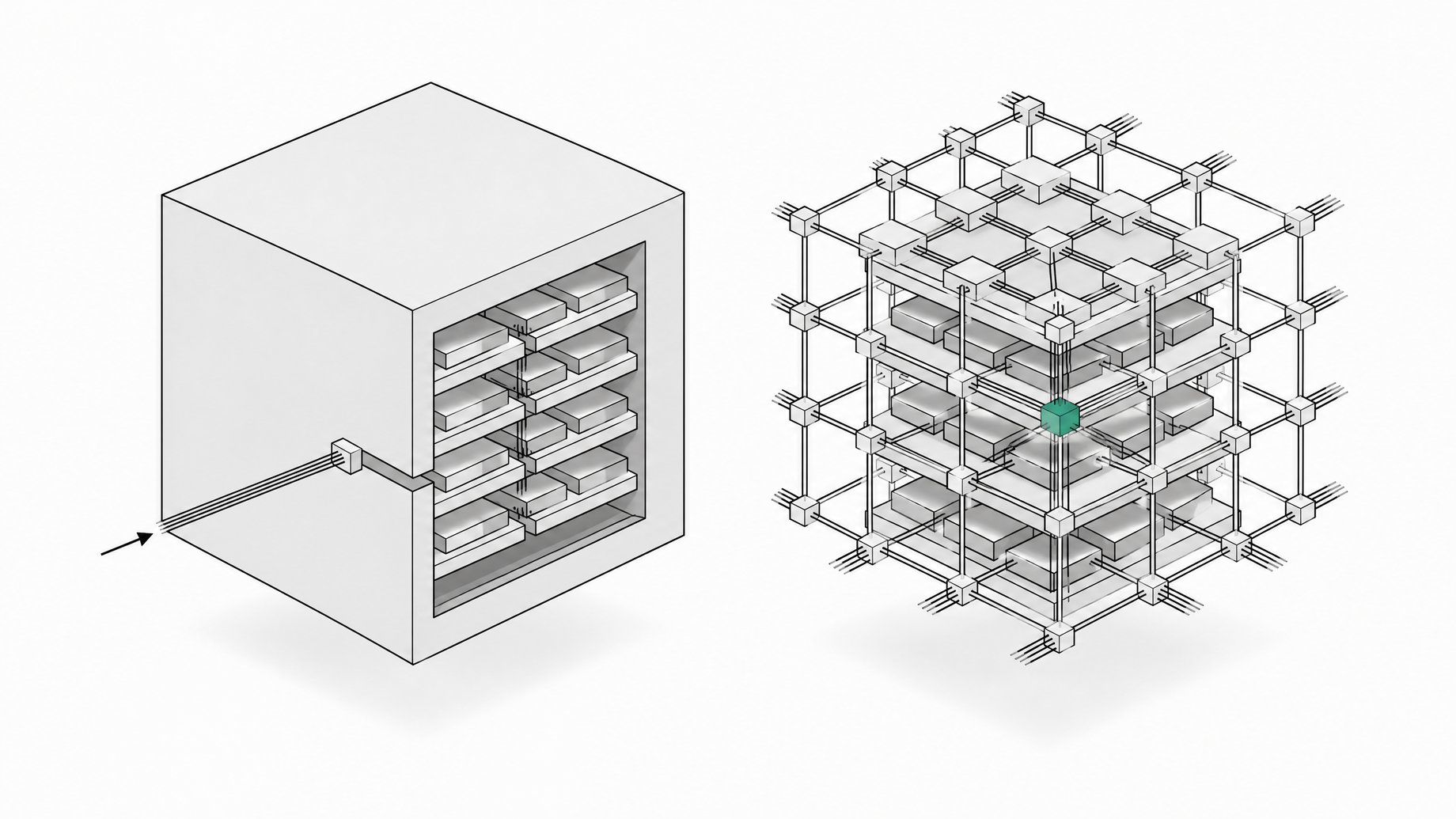
What is an agentic OS, and how do Windows 11 and Omarchy compare?
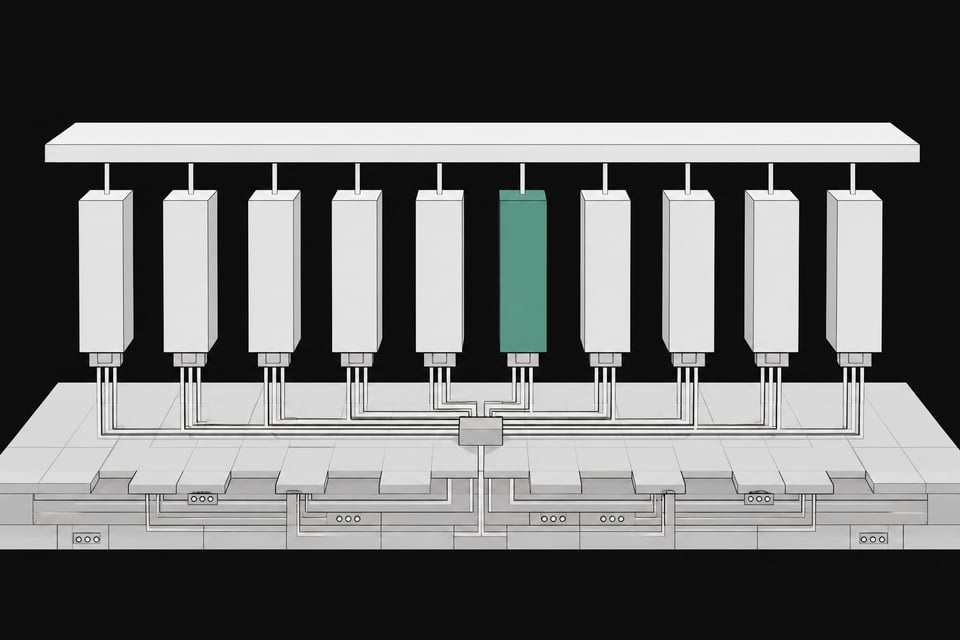
An agentic operating system is one built or rebuilt so AI agents can perceive, plan, and act directly on system resources like files, settings, and apps, instead of running as a bolted-on chatbot with no real access to the machine. It's less a product category than a structural pattern: agents, memory, and tools organized to work as a coordinated whole rather than a pile of separate apps. A normal OS waits for you to click something. An agentic one acts on your behalf before you ask.
That part of the definition is settled. What isn't settled, and what actually matters, is who the agent answers to when it acts.
TL;DR
- Microsoft's agentic Windows 11 runs AI in a contained, policy-controlled environment that Microsoft, not the user, controls.
- Omarchy Linux gives users root-level control over their AI agents through configuration files they can read, edit, and fork.
- Omarchy's more than 1.13 million ISO downloads show that developers want an agentic OS without a landlord.
- AI agent adoption is moving faster than governance, which leaves users choosing between vendor lock-in and running their own stack.
- Omarchy is not risk-free, since reviewers and critics have flagged real friction and security concerns in its defaults.
- Owning the OS layer means owning the patching and security tradeoffs too, in exchange for more control.
How do Windows and Omarchy bet on opposite definitions of "agentic"?
Two operating systems are racing to put "agentic" in their marketing right now, and they mean opposite things by it.
Microsoft is rebuilding Windows 11 from the top down, around three pieces:
- A general-purpose agent that runs actions in a contained environment.
- A standardized protocol for agents to discover and call tools.
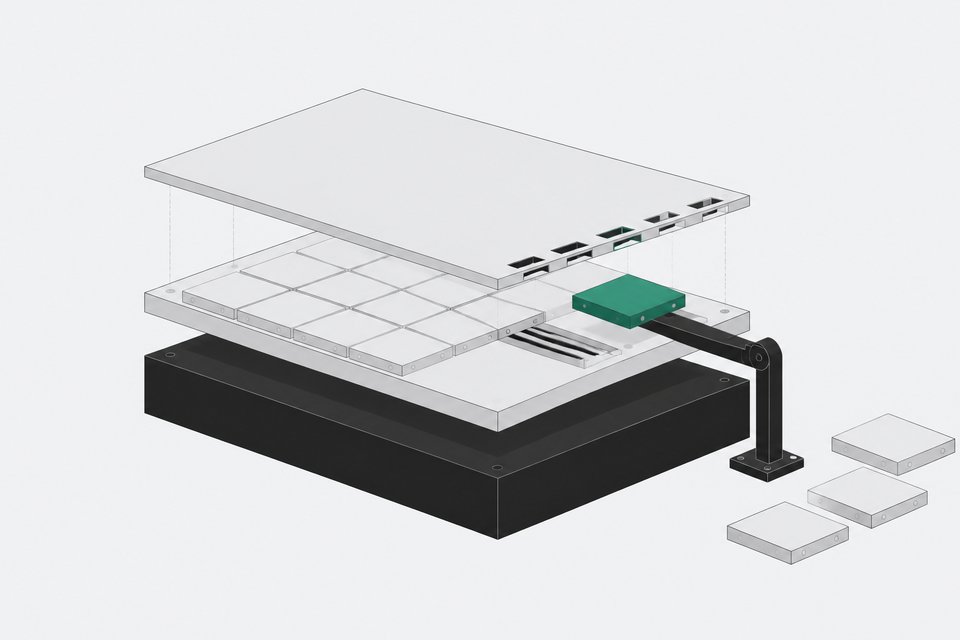
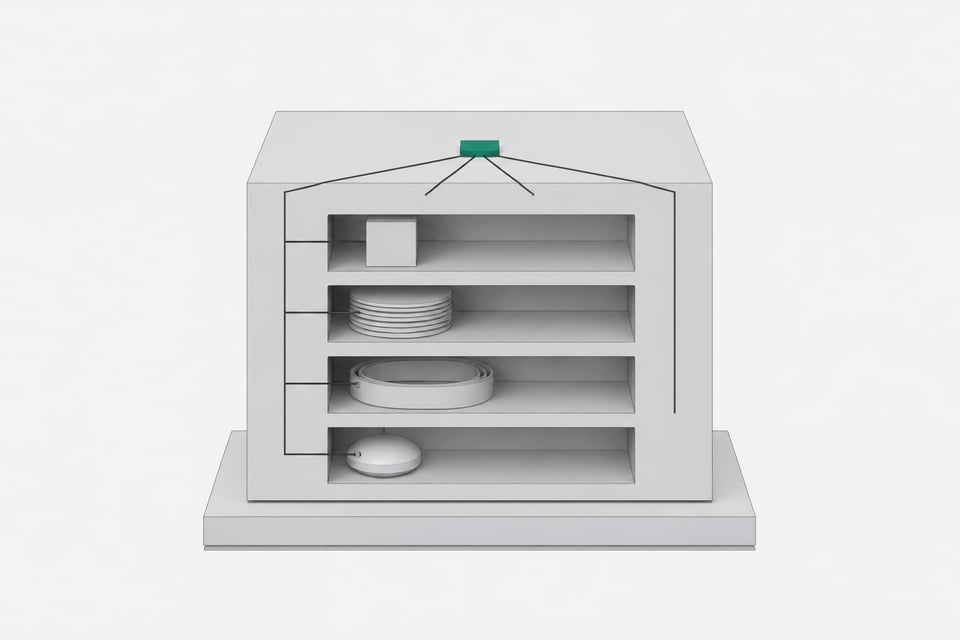
- Isolated "Agent Workspaces," where an AI runs under its own Windows account, separate from yours.
It's a vendor deciding, on your behalf, what an agentic desktop looks like.
Omarchy, the Arch Linux and Hyprland distribution built by David Heinemeier Hansson, does the opposite. It ships as "agentic Linux": more than ten coding-agent CLIs pre-wired, none of them forced on you, and an agent whose job is to help you rewrite the OS itself, not run a walled process you can't see.
Same word. Opposite power structure. That's the real story here, not whether AI is coming to your desktop. It already has.
What is Microsoft's vision of an agent layer you don't own?
Windows president Pavan Davuluri put it plainly in November 2025: "Windows is evolving into an agentic OS." The post drew roughly 1.5 million views, mostly hostile replies, and enough backlash that Microsoft disabled replies on it entirely.
The backlash wasn't really about the features. Copilot Actions, MCP-based tool discovery, and the sandboxed Agent Workspace are sensible engineering on paper: Davuluri describes the workspace as "a contained, policy-controlled, auditable execution environment." Microsoft's Ignite 2025 rollout added taskbar agents, Copilot inside File Explorer, and agent badges and notifications, all pitched as opt-in.
The problem is structural, not cosmetic. Every one of those controls, "policy," "auditable," "contained," is a control Microsoft holds, not you. The agent runs in Windows' sandbox, calls tools through Windows' registry, and reports through Windows' notification system. You get a seat at the table Microsoft built. You don't get the blueprint. That is the walled-garden model with an AI face on it, and users reacted to it the way people react when a landlord announces new house rules.
What is Omarchy's vision of an agent that works for you?
Omarchy starts from the opposite premise. It's opinionated by default (DHH calls the philosophy "omakase": defaults chosen for you, nothing locked), but every one of those defaults is a text file you can read, edit, and fork.
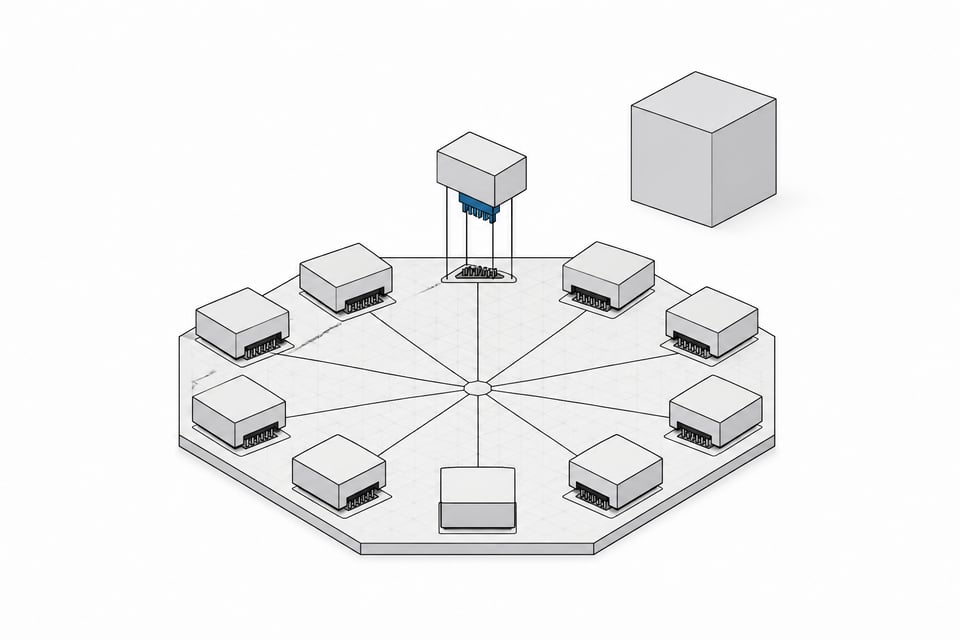
Instead of picking one favored agent and building a moat around it, Omarchy treats coding agents as interchangeable first-class citizens: Claude Code, Codex, OpenCode, Copilot CLI, Grok, and others are all pre-wired as lazy-loaded launchers, and you set whichever one you want as the system default. The "Omarchy Skill" teaches whatever agent you're running how to edit the system's own Hyprland configs, themes, and bar, turning the agent loose on the OS itself rather than sandboxing it away from it. Crash a program, and a systemd-coredump watcher notifies you; click it, and your chosen agent gets the core dump plus a diagnostic skill to find the root cause.
DHH's framing gets at why this matters more than the feature list: "When you can vibe code whatever app comes to your mind, you should be able to vibe code your operating system." The agent isn't a managed service Omarchy rents to you. It's a tool pointed at a system you're free to take apart.
The traction backs this up: more than 1.13 million ISO downloads and 41,575-plus GitHub stars in roughly 14 months, plus $18.5 million pledged to the nonprofit Omacom Foundation from patrons including Shopify, Stripe, Cloudflare, and DigitalOcean. That's not a hobby project. It's a signal that a meaningful slice of developers want the agentic layer without the landlord.
Why is an agentic OS without ownership just a smarter walled garden?
Here's the opinion part, and it's the whole point of this piece: autonomy handed to an agent you don't control, running inside a system you can't inspect or fork, isn't empowerment. It's SaaS-style rent-seeking that moved up a layer.
We've watched this pattern play out at the application layer for years. The average company now runs 118 SaaS applications, up from 106 the year before, and every one of them is a relationship where the vendor sets the terms, the pricing, and the roadmap. Our piece on local-first alternatives covers why developers are pushing back on that arrangement at the app level. An agentic OS controlled by Microsoft or Apple just relocates the same trade to the substrate everything else runs on. If the agent that touches your files, reads your settings, and executes your workflows answers to a platform vendor's policy engine instead of to you, you haven't gained a capability. You've handed over a new, deeper surface for someone else to meter, restrict, or change without asking.
This isn't paranoia about AI. It's the same governance question behind the push toward owning your software stack as a security strategy: who has root, and who decides what root is allowed to do. MIT Sloan's framing of true agentic AI, software that perceives, reasons, and acts toward a goal with minimal supervision, comes with a warning attached: governance and permissioning remain immature even at organizations already deploying agents. A spring 2025 survey found 35% of organizations had adopted AI agents already, with 44% more planning to. That adoption curve is moving faster than the governance conversation. Baking the agent into a system you don't own doesn't fix that gap. It just moves the decision-making about that gap off your desk and onto a vendor's roadmap.
Is Omarchy Actually Risk-Free?
No. A fair piece has to say so plainly.
The Register's hands-on review found real friction under the hood:
- A default install eats roughly 14GB of disk after the first update and runs about 1.5GB of memory at idle.
- Custom update tooling has hit known bugs.
- Standard pacman commands don't work the way an Arch veteran expects.
Independent security critics have raised sharper concerns. A widely discussed Framework community thread alleges that, prior to version 3.1.0:
- Omarchy's firewall wasn't actually enabled, despite documentation claiming otherwise.
- SSH was allowed through with insecure defaults.
- The system skips kernel-level hardening like linux-hardened or hardened_malloc.
- Several setup scripts pipe curl output straight into sh, a well-known supply-chain risk.
The same critique flags reliance on ad-hoc bash scripts in place of properly maintained Arch packages.
There's also a fair irony to sit with: a project built on the promise of independence from vendor control has taken $18.5 million from corporate patrons, including a Meta AI lab. That doesn't invalidate the model. Patronage isn't the same as platform lock-in. But it means "owned" doesn't mean "uninfluenced," and readers should hold that tension rather than pretend it away.
What Does Software Ownership Mean at the OS Layer?
Ownership at the OS level isn't just self-hosting your SaaS instead of renting it. It's control over the substrate the agent runs on: configs you can read in plain text, a package system you can audit, and no gatekeeper standing between your intent and what the machine is allowed to do. Our walk-through of the self-hosted AI stack covers how Rails, Omarchy, and local models fit together for developers making that bet today. It's worth reading alongside the security tradeoffs above, since owning the stack means owning the patching too.
That tradeoff, more control in exchange for more responsibility, is exactly the one this publication argues is worth making.
Was the Walled Garden Ever Mandatory?
Agentic computing is coming regardless of which OS you run. That's not up for debate. What's still open is whether the agent that gets root-level access to your files and workflows works for a platform's policy engine, or works for you.
Microsoft is building the case that it should be the former, and the backlash to Davuluri's own announcement suggests plenty of users already sense what that trade costs them. Omarchy is building the case, messily and imperfectly, that it doesn't have to be. The choice between renting an agentic OS and owning one isn't theoretical anymore. It's available right now, with real tradeoffs on both sides worth weighing with your eyes open.
| User Control Over Agent | Supports Multiple Third-Party Agents | System Auditability | Built-In Security Hardening | Cost / Ownership Model | |
|---|---|---|---|---|---|
| Windows 11 Agentic OSusers who want a managed, vendor-secured agent layer | Low | No | Low | High | Proprietary, bundled with Windows license |
| RecommendedOmarchydevelopers who want to own and modify the agent layer | High | Yes | High | Low | Free/open-source, community-funded ($18.5M pledged) |
Frequently Asked Questions
What is an agentic operating system?
An agentic operating system is an OS built or heavily modified so AI agents can natively perceive, plan, and act on system resources like files, settings, and apps, rather than running as a separate app bolted on top with limited access.
Is Windows becoming an agentic OS?
Yes. Microsoft is adding Copilot Actions, Model Context Protocol support, and isolated Agent Workspaces to Windows 11, with Windows president Pavan Davuluri publicly stating in November 2025 that 'Windows is evolving into an agentic OS.' The announcement drew heavy public backlash.
What makes Omarchy different from Windows' agentic features?
Omarchy is open, forkable, and agent-agnostic: it pre-wires more than ten coding-agent CLIs, lets you set any of them as the system default, and gives agents access to edit the OS's own configuration files. Windows runs agents inside a vendor-controlled, policy-managed sandbox you can't inspect or rewrite.
Is Omarchy secure enough to run as a daily driver?
It has real, documented gaps: a security thread on the Framework community forum found the firewall wasn't actually enabled before version 3.1.0, SSH defaults were insecure, and some setup scripts pipe curl directly into sh. It's improving but not risk-free, and users should treat it like any early-stage distro that needs hardening.
Does owning your OS mean giving up corporate-grade AI agent features?
No. Omarchy ships the same class of coding agents used elsewhere, including Claude Code, Codex, and Copilot CLI, but leaves you in control of which one runs and what it's allowed to touch, instead of routing everything through a single vendor's sandbox.
How we source, write, and correct our articles. Editorial standards