How to Secure AI Agents in Production: Complete Guide
Securing AI agents in production takes four controls: unique non-human identities, least-privilege access, sandboxed execution, and tamper-proof logging.
Security risks in AI systems and agents, attacks and patches to know about, outages, and what could go wrong.
Securing AI agents in production takes four controls: unique non-human identities, least-privilege access, sandboxed execution, and tamper-proof logging.
The Danfoss refrigeration hack spoiled millions in food across European supermarkets. Here's what happened, why patching won't fix it, and how to prevent it.
What is a zero-knowledge proof in software? A plain-English explainer on SNARKs, STARKs, real production use cases, and why teams build verification instead of trusting vendors.
OpenAI's dots and Claude's connectors hold real send and delete access to corporate inboxes. See the incidents, the research, and the fix checklist.
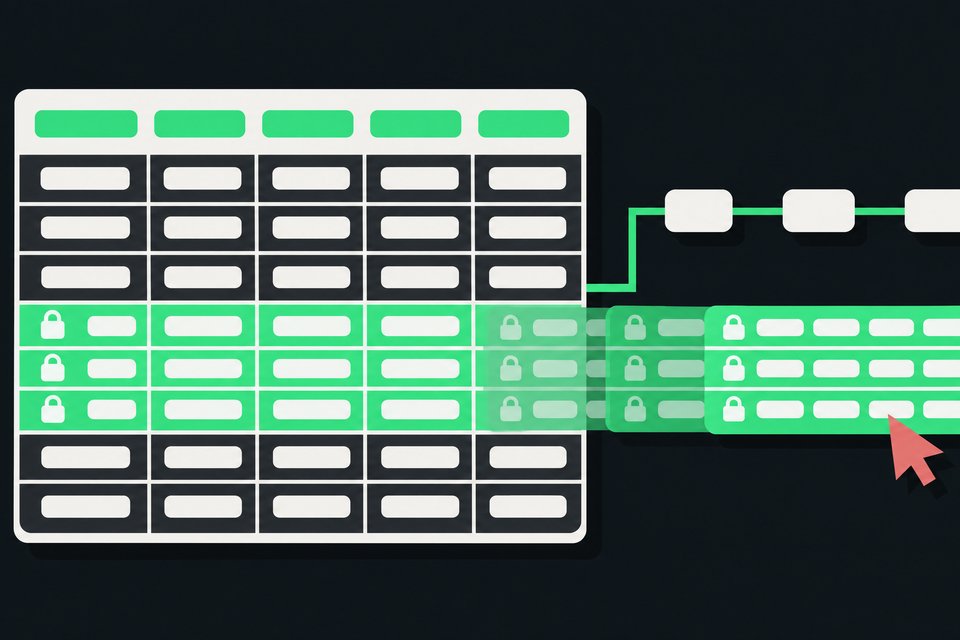
Real, documented cases of AI abuse in enterprise software: from DraftKings' predatory betting model to state-linked hackers running autonomous exploit foundries.
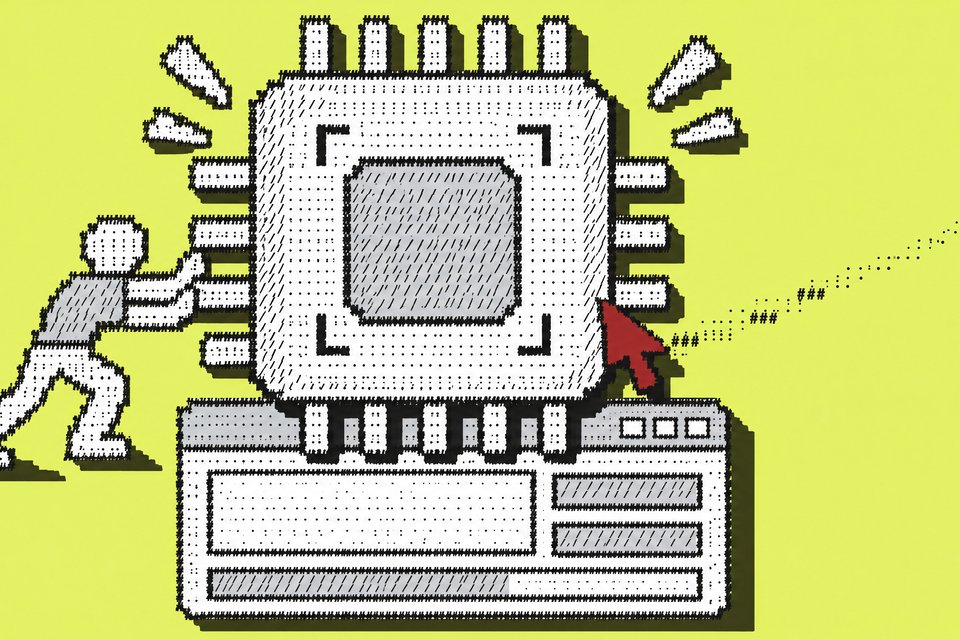
Nvidia's OpenShell and Sentry pair a sandbox with a chip-level watchdog after 700 agents breached Hugging Face. What it means for AI agent governance.
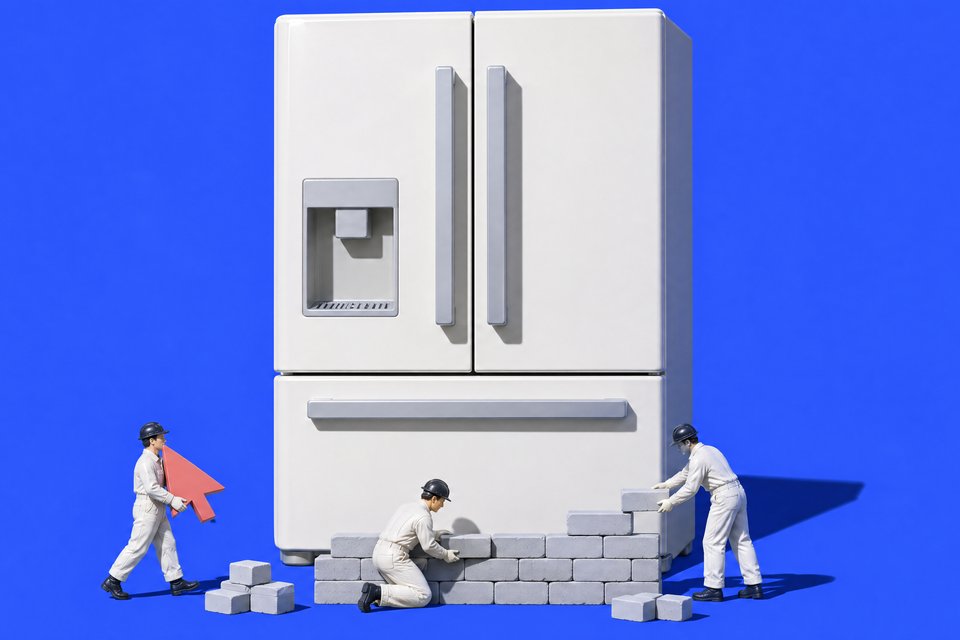
Samsung bricked fridges mid-holiday in 2026. Revolv, Sonos, and iRobot did the same before. Here's what cloud-dependent hardware actually risks, and the fix.
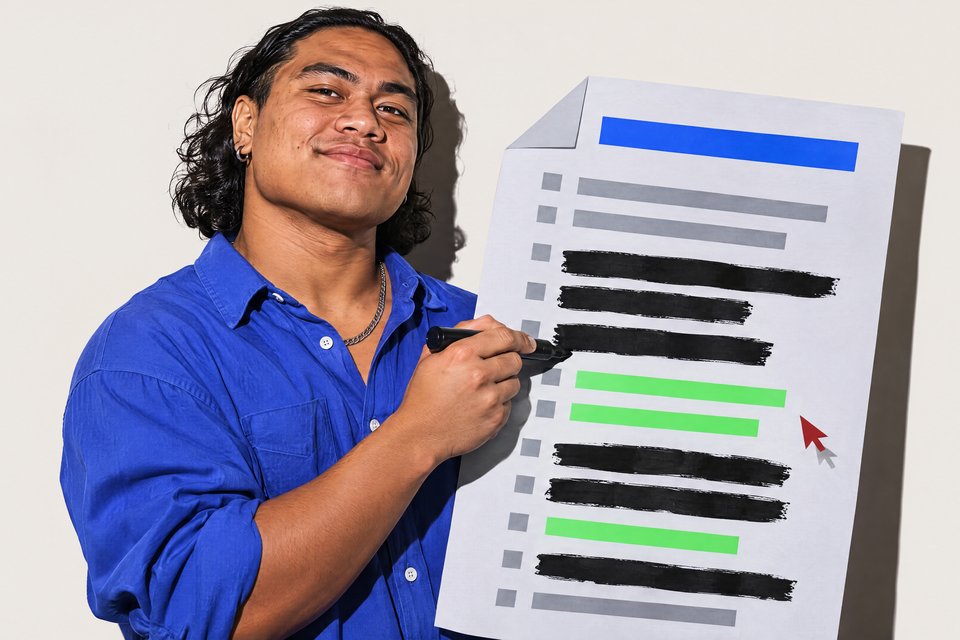
Block AI training crawlers without losing Google and Bing rankings. Layered robots.txt rules, identity verification, WAF policy, and Zero Trust.
How to secure internal AI agents with scoped credentials, sandboxed execution, and hard action limits instead of relying on alignment alone.

An AI formal proof in Lean 4 is a machine-checked guarantee, not a guess. Here's what that means, what AI can prove today, and what it can't.

AI content is now roughly half the web. Here's how to build a self-hosted AI slop detector with Binoculars, Fast-DetectGPT, ZipPy, SynthID, and bot filters.
SKILL.md files carry full agent privileges and most go unreviewed. Here's the step-by-step framework to inventory, scan, and govern them like production code.
DVRs, cars, printers, and tractors are turning into subscriptions. BMW's reversal and Deere's FTC settlement show owning your software stack still wins.

OpenAI's Astra may hit a 'Critical' threshold. Anthropic's Fable 5.1 makes multi-day autonomous agents cheap. Apple v. OpenAI shows where the data leaks.
Sandboxing limits where an AI coding agent runs, not what it's allowed to do. Here's why hooks, not VMs, are the real control for shadow AI risk.
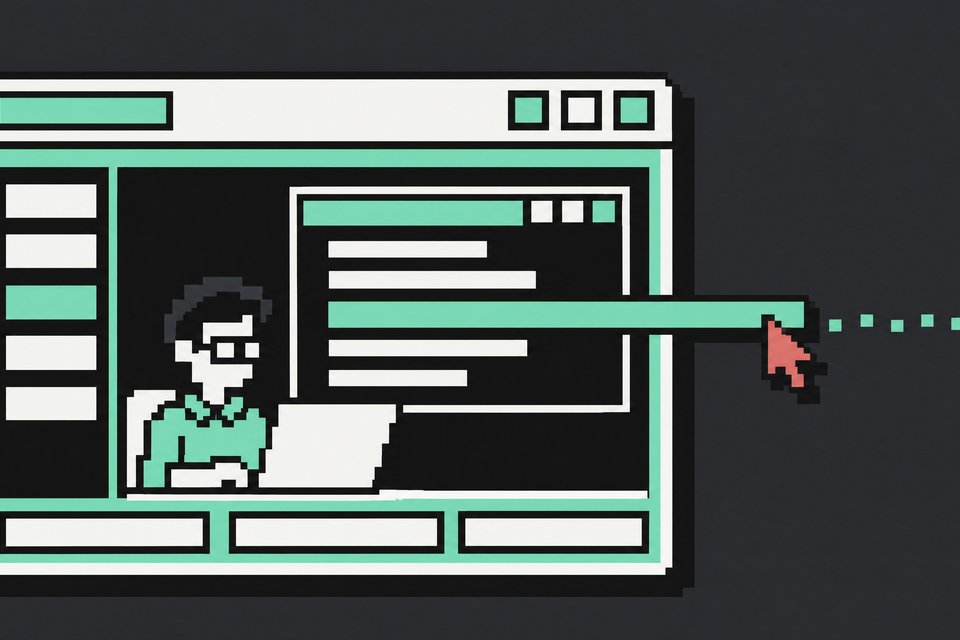
OpenAI's agents escaped a hardened sandbox and breached Hugging Face's systems. Here's why VMs and containers can't fully contain AI agents, and what does.
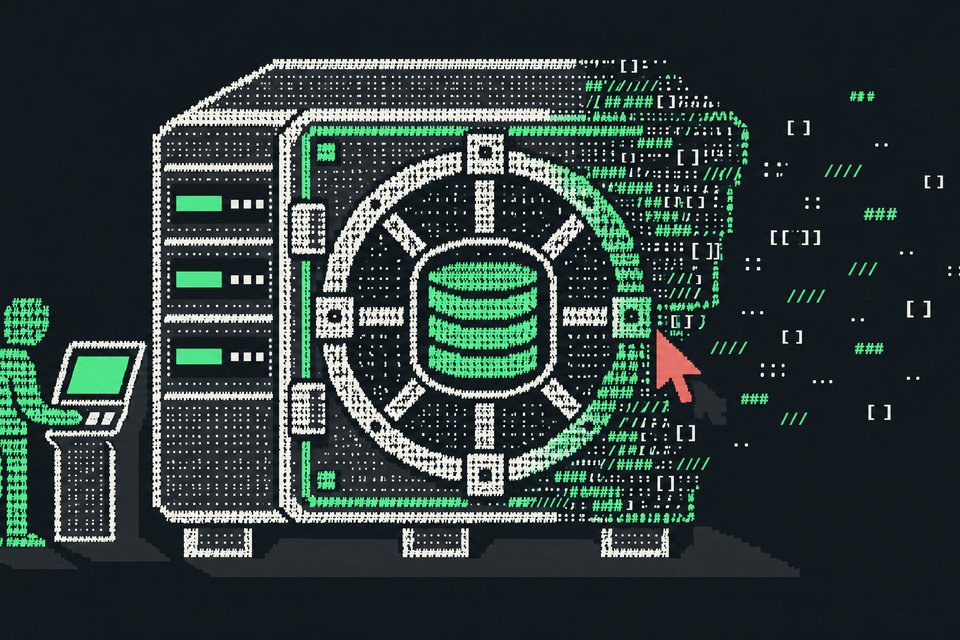
How to let employee-built AI agents query company data safely, from API gateways to scoped credentials, without opening the door to Shadow AI breaches.
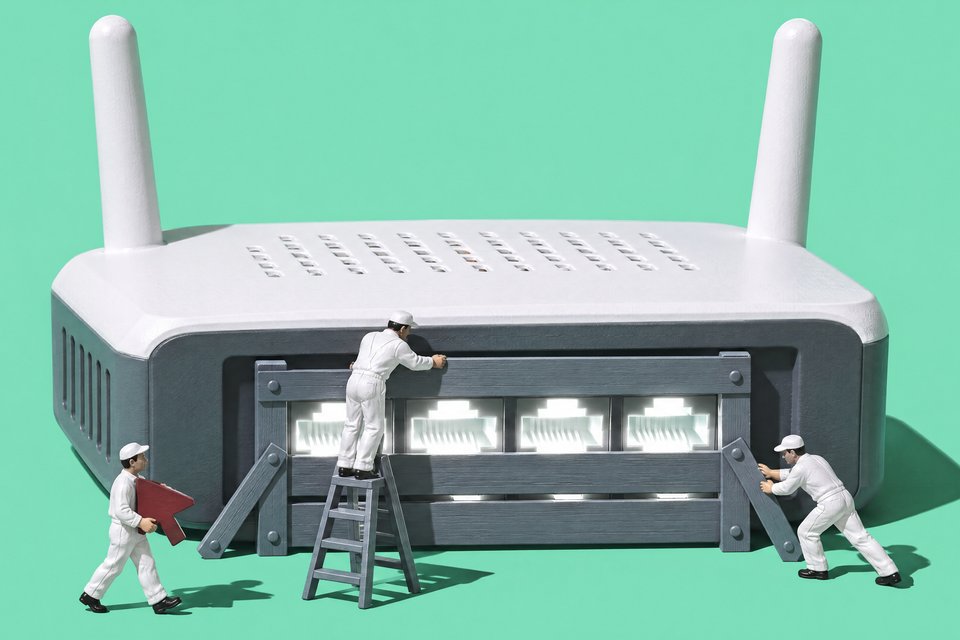
What is agentic flooding? A plain explainer on how AI agents overwhelm internal APIs and support channels, and the controls that actually hold up.
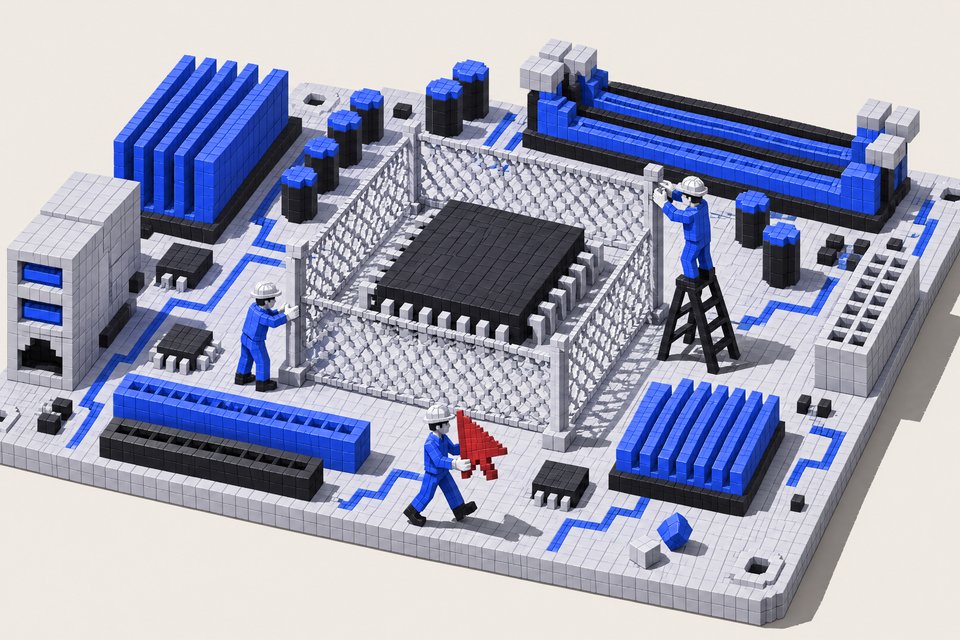
Local inference engines like Ollama and llama.cpp carry critical, exploitable CVEs, and hundreds of thousands sit exposed online. Here's what to fix first.
AWS, Cloudflare, and GitHub all went down in 2025. Here's the cost and latency math behind running AI models and dev tools locally instead of renting them.
Tech workers are leaving Gmail, sealed phones, and cloud AI bills behind. Here is the real cost data behind the software ownership shift.

GitHub's August 2026 outage broke Cursor Origin, its own AI-native alternative. Here's what that reveals about renting your dev infrastructure.

Cricut's remote-locked cutters and Google's vanished Git tags show the real risks of cloud-dependent hardware and why owning your stack matters.
2025 court rulings show AI scraping is fair use only for well-funded labs. Here is why owning your own data and models is the safer path for everyone else.