Will AI Replace Web Developers? What the Data Actually Shows
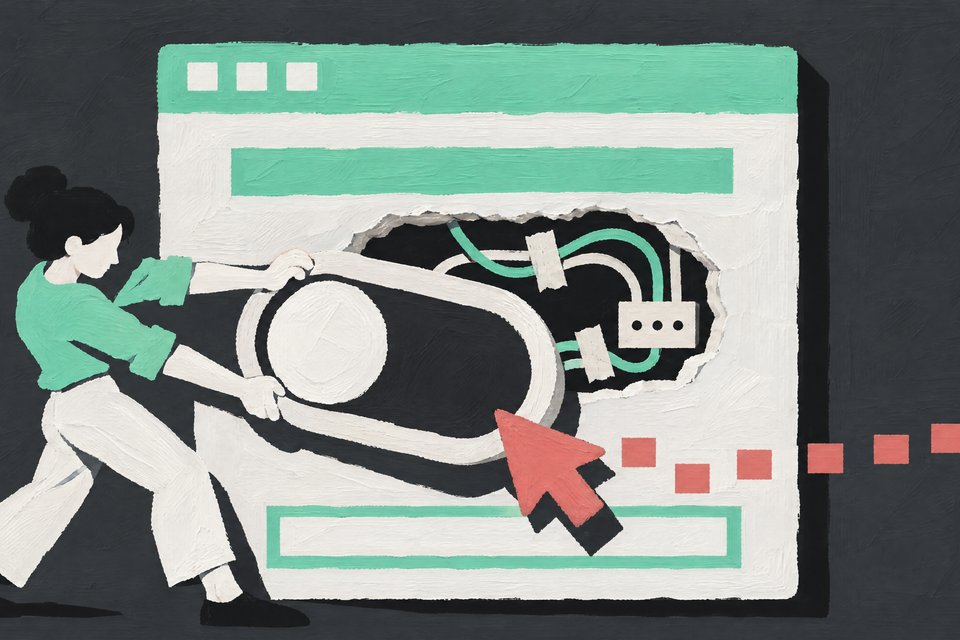
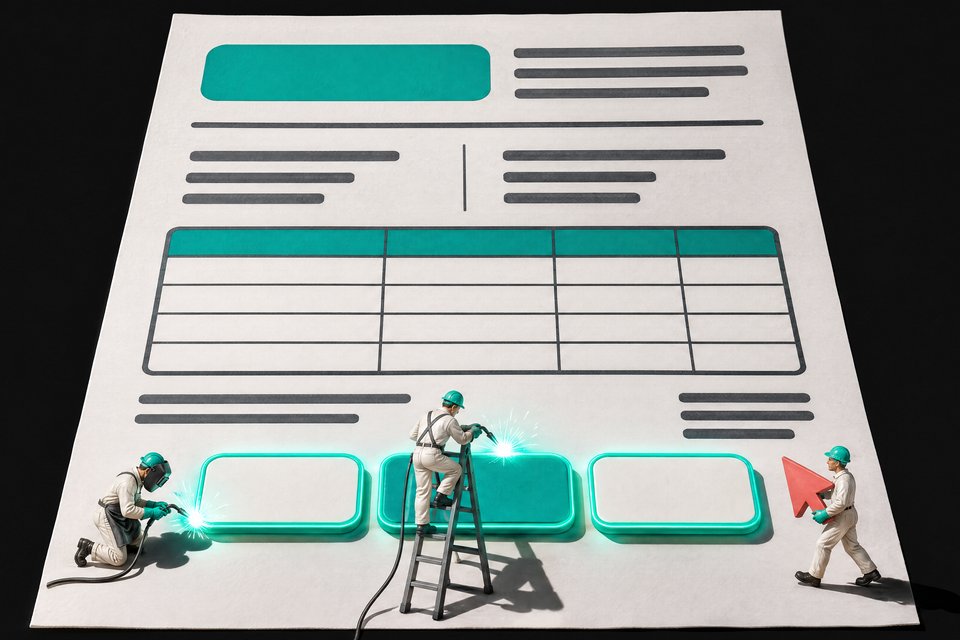
AI isn't replacing web developers. It's automating boilerplate. Here's what BLS, Anthropic, and SignalFire data show about the real job shift.
How companies adopt AI safely: shadow AI, policies, employee-built tools and the rules every team should know.
Most read by people in IT, Executives and Legal & Compliance.

AI isn't replacing web developers. It's automating boilerplate. Here's what BLS, Anthropic, and SignalFire data show about the real job shift.

Employee-built AI agents can lie, blackmail, collude, and commit fraud under pressure. Here are 5 documented shadow AI risks and how to govern them.

AI text detectors don't work, and asking the AI to check itself doesn't either. Here's the actual procedure for verifying AI-generated documents and code.

Employees now give AI agents standing access to email and files, not just chatbots. Here's how to govern shadow agent identities before they cost you.

Bans don't stop shadow AI. Here are 5 open-source tools IT leaders use to inventory, secure, and govern employee-built AI agents instead.

Employee-built AI automations inherit a frozen model worldview. Here are 5 ways training cutoffs and model drift quietly break shadow-built tools.

No-code tools let employees build real agents fast. Here's the identity-based, lifecycle-aware framework for governing shadow AI before it breaches you.

Long-running agents like Astra now work unsupervised for days. Here's why IT governance built for software licenses fails, and the framework that replaces it.

AI writes the code and runs incident response, but no one understands the system that broke. Here's the governance gap turning outages into crises.

Banning shadow AI doesn't work. Here's how to govern employee ChatGPT usage and custom GPTs with a tiered, earned-autonomy trust framework instead.

Chrome killed uBlock Origin's full power for good. Here's why enterprise policy couldn't stop it, and which browsers and tools IT teams can still govern.

Employees built a shadow layer of business logic into ChatGPT's memory and custom instructions. Here's how to govern it before it walks out the door.

Employees are building agent swarms with no registry, identity, or owner. Here's the governance model to manage AI agents in the enterprise without banning them.

Debian, the Linux kernel, and GCC just codified AI code rules. Here's how to turn their disclosure and accountability framework into your company's policy.

A practical workflow for reviewing AI-generated code: acceptance gates, risk-based routing, dependency scanning, and where human review still matters most.

Developers built an open-source AI to replace their CEO as a joke. The real lesson: AI can do PM tasks, but not the judgment behind them.

Employees are disabling intrusive corporate AI and building their own tools instead. Here's what the data says actually works to manage shadow AI.

Employees are running long-lived AI agents from the CLI. Here is what persistent AI compute is and a practical framework IT can use to govern it.

From terminal coding agents to ngrok tunnels, here are the real shadow AI tools employees use to build software outside IT, and what it costs when it breaks.

Shadow AI is employees building software and agents without IT approval. Here's what the data says about how widespread it is and what it costs.

AI copilots let one developer do what used to take a team. Here is what the research actually shows and what it means for build vs buy.

Employees are running local LLMs and AI wearables outside IT's view. Here's what shadow AI actually costs and exposes, with real breach data.

Employees are shipping real apps with AI coding tools, often insecurely. Here's how IT governs shadow AI software without killing the speed.

Employees are bypassing API costs with free Claude proxies and rogue bots. Here's how to govern shadow AI without killing the speed that makes it valuable.