Matrix Game 4.0 vs Nvidia StreamRender H3: How Do They Render Games?
Matrix Game 4.0 hands a video model a low-poly render. Nvidia StreamRender H3 hands it a color-coded map. Here is how the two approaches differ.

How do Matrix Game 4.0 and Nvidia StreamRender H3 differ in rendering AI-generated games?
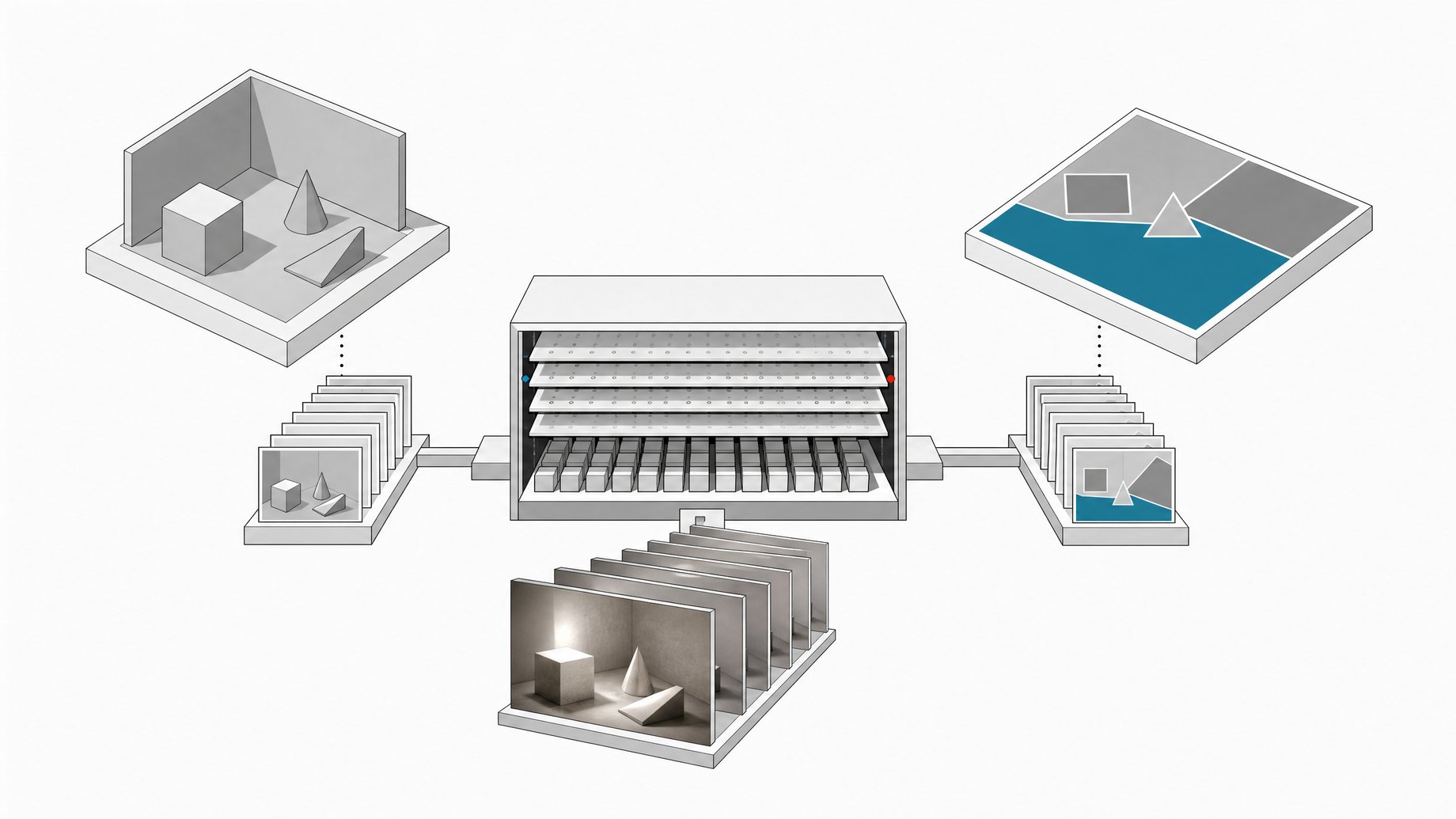
Both systems split the job in two. A conventional game engine runs the world, and a video model paints what the player sees. The difference is what the engine passes to the video model. Skywork's Matrix Game 4.0 sends a cheap, blocky, low-poly 3D render for the model to repaint. Nvidia's StreamRender H3 sends a flat, color-coded semantic map with no lighting or textures, so the video model draws everything itself.
TL;DR
- Both split the work between a deterministic game engine (state, rules, memory) and a video model (appearance), instead of asking one model to do everything.
- Matrix Game 4.0 gives the video model a low-poly render that already has shape, layout, and rough lighting, and the model repaints it.
- StreamRender H3 gives the video model a semantic color map where each flat color means something like road, grass, barrier, or rival car.
- Because Nvidia's map carries no look information, swapping one reference image can restyle the whole game while the drive stays identical.
- Matrix Game 4.0 ships as per-game models (about 5 billion parameters each) at 480 by 864, with weights and inference code under Apache 2.0.
- The material available for this piece did not cover StreamRender H3's hardware, resolution, or training details, so check Nvidia's own documentation before planning around it.
Why split a game between an engine and a video model?
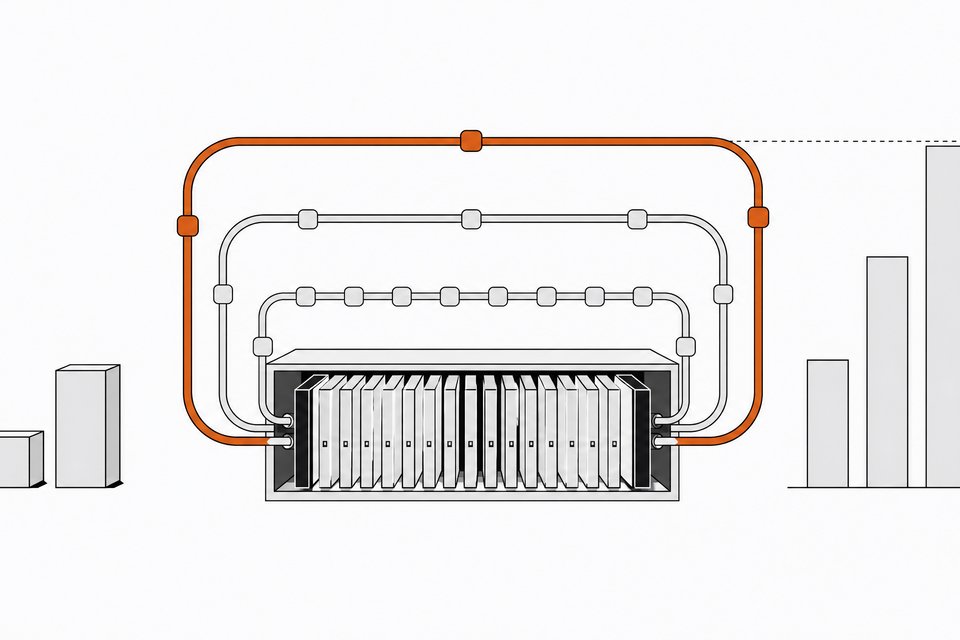
A standard world model does everything at once. It draws the frame, acts as the physics engine, enforces the rules, and serves as memory. The only record of an object that leaves the screen is the pixels the model already drew. That is why things vanish when you look away and look back.
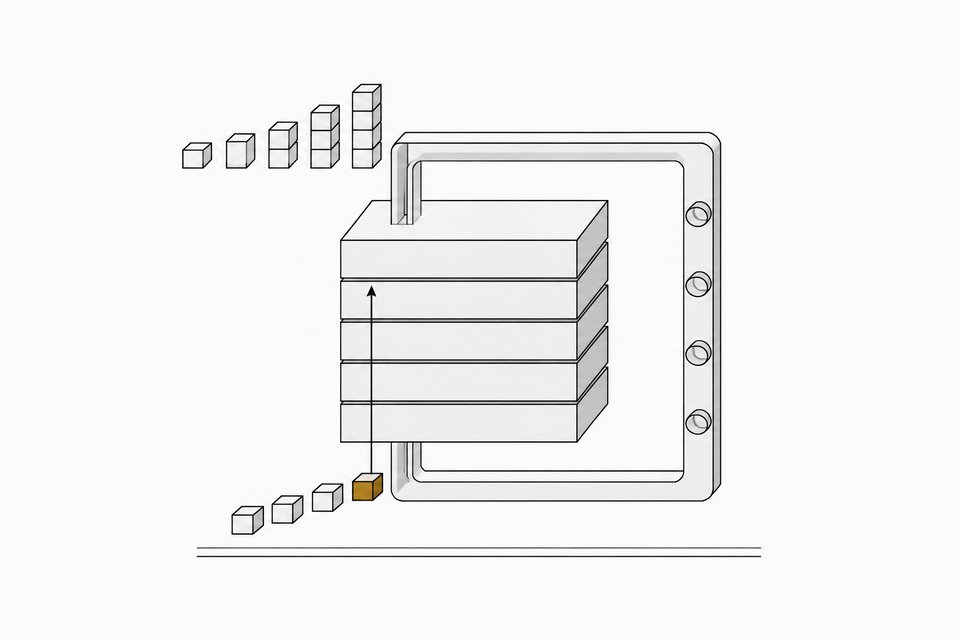
Splitting the job removes the memory burden from the neural network. The engine knows where every enemy is, what happens when you shoot, and what is behind you. A pyramid behind the player stays in the engine's map whether or not the video model is currently drawing it. The video model only needs to make each frame look finished.
Other world model efforts attack the same problem differently. Tencent's World Crafter, for example, keeps a memory that is looked up by camera position and feeds matching past views back to the generator. The engine-plus-painter approach skips that and lets ordinary game code hold the truth.
What does Matrix Game 4.0 hand the video model?
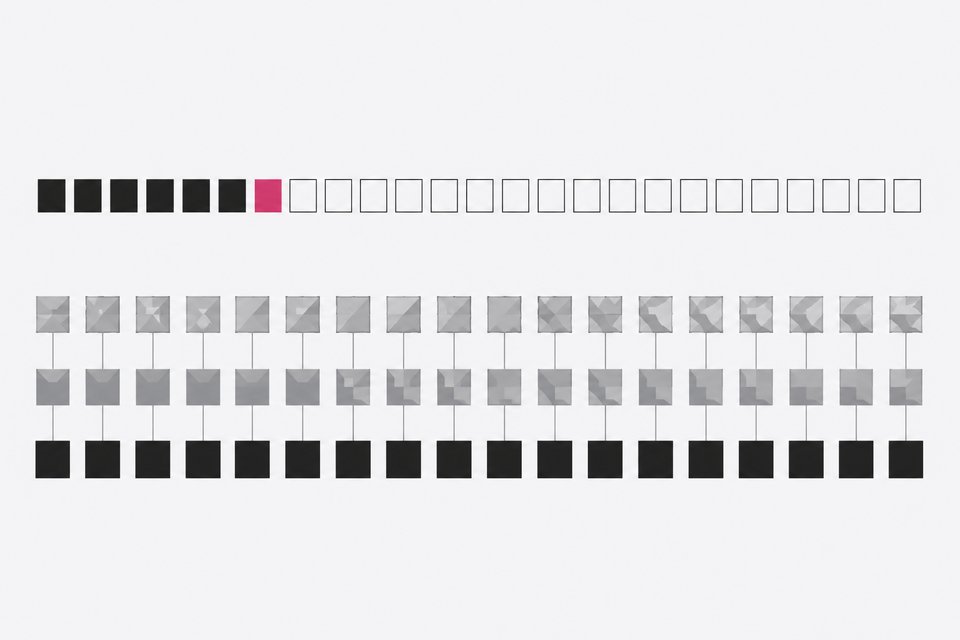
Matrix Game 4.0, from Skywork, has the engine draw a blocky, low-poly version of the scene. The video model then repaints that frame. In demos, the engine's raw view and the finished view show the same frame at the same moment. One shows crude geometry, the other shows a styled image on top of it. A car racing example worked the same way: an early, blocky render with AI graphics laid over it.
There is a second piece. If a player asks for something the game rules do not cover, a coding agent writes new rules into the engine and updates the prompt the video model uses. The world can change mid-game without the video model inventing new physics on the fly.
Demonstrated games include a medieval castle shooter, an ancient Egypt shooter, and a city racing game. Sessions can run about a minute and a half without cuts.
What does Nvidia StreamRender H3 hand the video model?
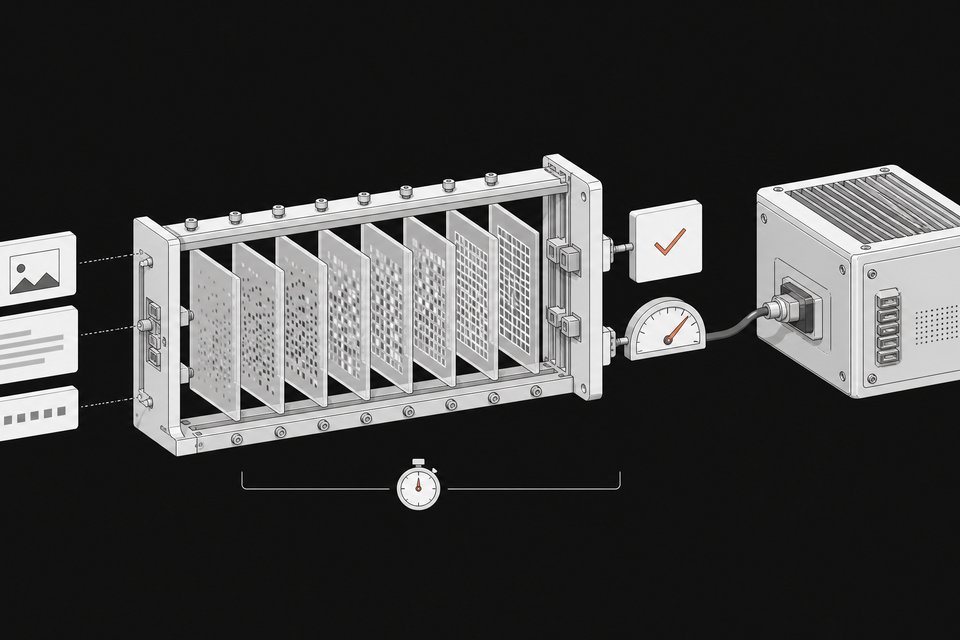
StreamRender H3 uses the same basic split: code runs the world, and a video model draws it in real time. The difference is how little the game hands over. Every pixel in the engine's output is a flat color that stands for a category, such as road, grass, barrier, or rival car. There is no lighting and no textures.
That makes the video model responsible for nearly all visual detail. The engine supplies layout and meaning. The model supplies everything else. A demo showed three views side by side: the engine's own color map, the map as actually sent, and the final frame the player sees.
Since the map has no appearance information, the whole game can be restyled by swapping one reference image. The same drive can look like completely different worlds without touching the game logic.
How do the two approaches compare?
| Matrix Game 4.0 (Skywork) | StreamRender H3 (Nvidia) | |
|---|---|---|
| Engine output | Blocky low-poly 3D render | Flat semantic color map |
| Lighting and textures in input | Rough geometry, repainted | None |
| Video model's job | Repaint a finished-looking scaffold | Draw everything from category labels |
| Restyling | Prompt-driven, per-game model | Swap a single reference image |
| Output resolution | 480 by 864 | Not covered in the available material |
| Training scope | One ~5B parameter model per game | Not covered in the available material |
| Hardware | Project page mentions a single RTX 5090 | Not covered in the available material |
| License | Apache 2.0 weights and inference code | Not covered in the available material |
The tradeoff is control versus freedom. A low-poly render constrains the video model more. It sees shapes, depth cues, and rough form, so there is less to hallucinate. A semantic map is cleaner and easier for a game to produce, and it makes restyling trivial, but the model has to infer shading, material, and detail on its own.
What are the hardware and resolution limits?
For Matrix Game 4.0, the details are specific. Output is 480 by 864, nowhere near HD. Each game gets its own model of about 5 billion parameters, trained for that scene only. It is not a "make me any game" model.
The project page talks about running on a single RTX 5090. The model card is more cautious. It says there is no guaranteed frame rate, no guaranteed fit in consumer GPU memory, and no guaranteed exact scene reconstruction. Fast camera moves and long sessions can still cause drift. Training code is not included.
For StreamRender H3, the source material I had stopped before covering hardware, resolution, per-step latency, or training scope. Figures you may see quoted elsewhere, such as multi-GPU datacenter setups, should be checked against Nvidia's own release rather than assumed. Real-time is the stated goal, but what hardware that takes is the question to verify.
Can you try either one?
Matrix Game 4.0 is the accessible one. The weights and inference code are available under Apache 2.0, which allows commercial use. A Hugging Face space exists with pre-cached examples, so you can see output without running anything locally. The actual training code is not included in the repository.
For StreamRender H3, I could not confirm public availability from the material at hand. Treat it as a published approach to study until you see downloadable code or weights.
Is the engine-plus-reskin approach realistic for AI games?
It looks like a more practical path than asking one model to generate and remember an entire game. Game logic stays deterministic, state persists because ordinary code holds it, and the video model handles only the part it is good at. The fact that two separate teams, one of them Nvidia, landed on the same architecture is a decent signal.
The open problems are visible in Matrix Game 4.0's limits: low resolution, per-game training, drift, and uncertain consumer hardware fit. Moving the burden to the engine fixes memory, but it does not make the video model cheap or sharp.
Frequently Asked Questions
What is Matrix Game 4.0?
It is a Skywork system in which a normal game engine runs the game and draws a low-poly version of the scene. A video model repaints that frame so it looks finished. Each game has its own model of roughly 5 billion parameters.
What is a semantic color map in StreamRender H3?
It is the image the engine sends to the video model. Each pixel is a flat color standing for a category such as road, grass, barrier, or rival car. It carries no lighting or textures, so the video model generates all of the visible detail.
Can Matrix Game 4.0 run on a single RTX 5090?
The project page discusses running on a single RTX 5090. The model card, however, does not guarantee a frame rate or that the model fits in consumer GPU memory. Expect to test it yourself.
Does Matrix Game 4.0 let me build any game?
No. Each demonstrated game, such as the castle shooter, Egypt shooter, or city racer, has its own model trained for that scene. It also outputs at 480 by 864, so it is a research-grade demo rather than a general game generator.
Why does the engine matter for world model memory?
The engine tracks every object, including ones off screen. The video model does not need to remember that a pyramid is behind you, because the engine's map still contains it. This avoids the vanishing-object problem common in pure video world models.
How we source, write, and correct our articles. Editorial standards