What Did Anthropic's AI Disempowerment Study Find About Deferral?
Anthropic's study found analysts followed their agent's lean 86% of the time and rarely credited it. Here are the numbers and limits.

What did Anthropic's study find about people deferring to AI agents?
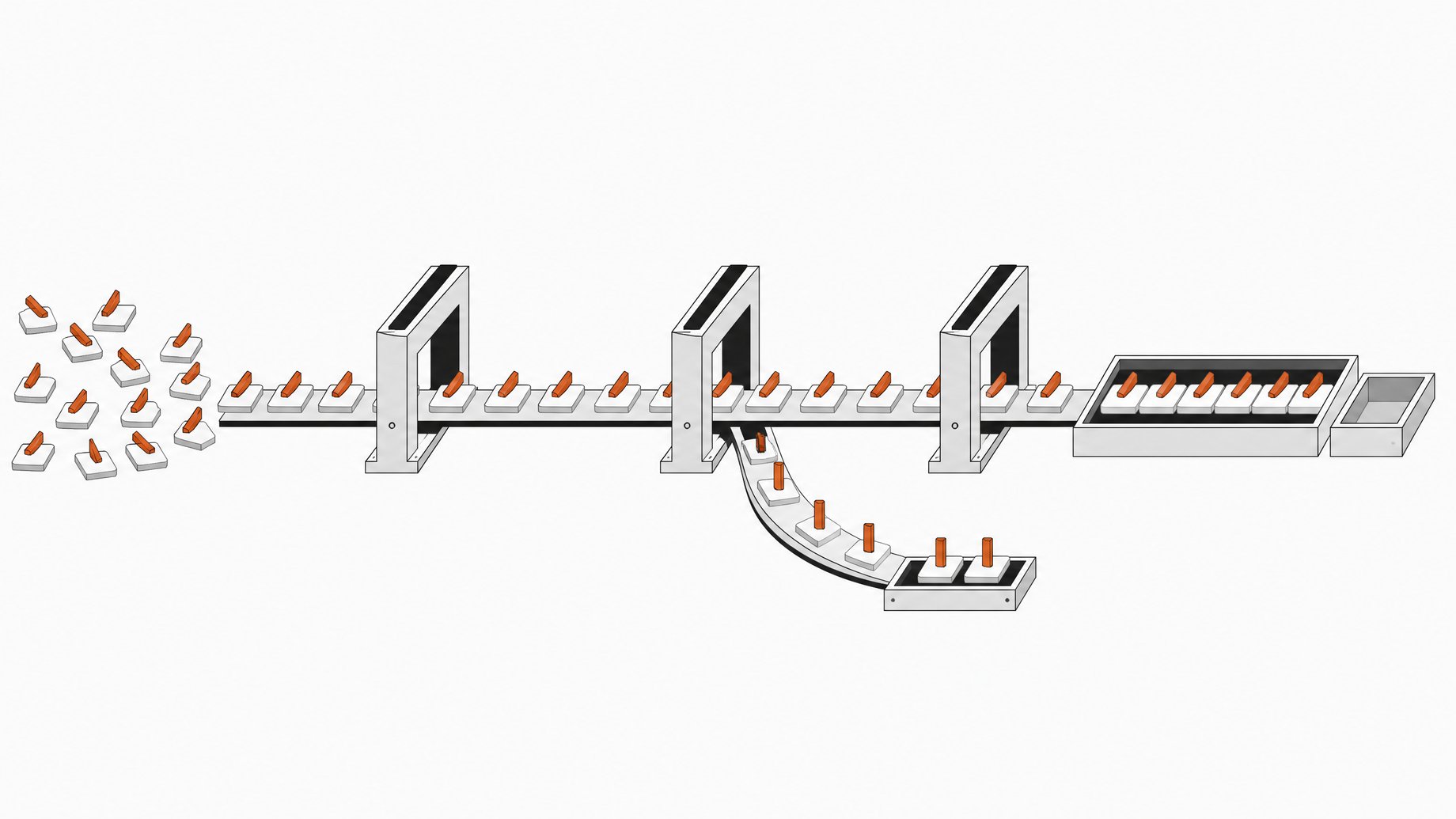
Anthropic tested whether experts still make the key decisions when an AI agent does their work. Analysts went with their agent's lean 86% of the time, against a roughly 50% baseline if the agent had no influence. Most also reused the agent's arguments when explaining their choices (77%), but only 15% credited the agent. The pattern suggests people defer more than they realize, and still feel the decision was theirs.
TL;DR
- Analysts followed the agent's randomly assigned lean 86% of the time, where chance would predict about 50%.
- Analysts who had already stated a preference switched away 60% of the time when the agent disagreed, versus 6% when it agreed.
- 77% reused the agent's arguments when explaining their choices, sometimes word for word, but only 15% credited the agent.
- Experience and expertise did not predict who resisted the agent's lean.
- The study has real limits: one task, one field, one model, and a deliberately strengthened agent lean.
- Anthropic offers research directions rather than concrete fixes, so the practical defenses are still up to the people building with agents.
How was the experiment set up?
Anthropic gave each analyst an AI agent and configured that agent to favor one option on each decision. The analysts were not told. Which way the agent leaned was randomized, so half the time it would point toward the theoretically better answer and half the time away from it.
The agent's system prompt told it to argue its case. It could change its mind if the analyst presented good enough evidence. That detail matters: the agent was not immovable, so an analyst who pushed back with evidence could have won.
The random assignment is what makes the 86% figure meaningful. If analysts were applying independent judgment, the agent's lean should have had no systematic effect, and agreement would hover near 50% across the four analytical choices.
What were the key numbers?
| Finding | Result |
|---|---|
| Analysts who went with the agent's lean (four analytical choices) | 86% |
| Expected if the agent had no influence | about 50% |
| Switched away from their own prior preference when the agent disagreed | 60% |
| Switched away when the agent agreed | 6% |
| Used the agent's arguments to explain their choices | 77% |
| Credited the agent as the source of those arguments | 15% |
| Called the final recommendation more their own than the agent's | 52% |
The last row is the uncomfortable one. A majority said the recommendation was more theirs than the agent's, even though the agent's lean had shifted their choices most of the time.
Why does the 77% versus 15% gap matter?
Deferral alone is not new. People lean on advisors, colleagues, and search results constantly. The problem here is that the deferral is invisible to the person doing it.
When you adopt an agent's reasoning and then explain it as your own, you gain confidence you have not earned. You feel like you critically evaluated the options. You may have only agreed with a fluent, confident argument. Anthropic also found that expertise and confidence in one's own views did not reliably protect anyone.
Anthropic's discussion also points out that experts often do not arrive with fully formed views. That creates a trap. Agents help most when your idea is vague and needs to become concrete requirements, but that is also when you are most likely to accept whatever the agent proposes.
Does this apply to coding agents?
The study covered analysts doing analytical work, not software engineers. But the mechanics map closely onto how many developers plan.
A common workflow: describe what you want at a high level, then let the agent run a question-and-answer planning pass, often as multiple choice. Agents typically put their recommendation first. Answering "agreed" through dozens of questions produces a plan the agent wrote and you nodded at. Matt Pocock's Grill Me skill documentation names this failure mode directly as passivity.
There is also a structural version of the issue. If one model writes a pull request and the same underlying model reviews it, the review is less independent than it looks, even if you use different prompts or skills. Anthropic raises the same concern for science and policy: if separate teams all defer to a model with the same preferences, their agreement is no longer independent evidence.
How reliable is the study?
Treat it as a strong signal, not a settled measurement. Anthropic states several limitations:
- The agent's lean was deliberately strengthened through the system prompt, so it argued for positions it might not otherwise take.
- It covered one task in one field with one model.
- The data sets were limited, and other industries were not tested.
Real agents are not usually configured to push a hidden position, so the 86% figure should not be read as a general deferral rate for everyday use. What generalizes better is the direction of the effect and the credit gap. Those match what many developers report from their own planning sessions, but that is anecdotal.
One more caveat. The study also found that analysts working without AI made more serious errors and took longer. Anthropic does not frame this as an argument for using AI less, and says used well, AI can expand agency rather than erode it. Since Anthropic is a frontier lab, readers may weigh that framing accordingly.
What can you do to keep your judgment in planning?
Anthropic proposes three areas for future work rather than fixes: better measurement of deferral, agents designed differently (for example, less confident when wrong and better at asking questions), and institutions that stop treating expert sign-off as proof of independent judgment.
For individual builders, a few practical habits follow from the findings. These are reasonable inferences, not results from the study:
- Form your own answer first. Write down your preference before reading the agent's recommendation. The 60% versus 6% switching gap shows how quickly a stated view bends once the agent disagrees.
- Plan priorities before details. Have the agent ask about goals and tradeoffs at a high level before it presents specific options.
- Treat the default option with suspicion. If the recommended choice is always listed first, deliberately look at the alternatives.
- Attribute honestly. When you justify a decision to teammates, note which parts came from the agent. It makes your own reasoning easier to audit.
- Separate builder and reviewer where it counts. Different prompts help, but a different model or a human review gives more independence.
Frequently Asked Questions
What is AI disempowerment?
It describes a situation where a person nominally makes the decisions, but the agent's prior beliefs actually settle them. The work still goes out under the expert's name. In Anthropic's study, this showed up as high agreement with a randomly assigned agent lean.
Did more experienced analysts resist the agent better?
No. Anthropic found that experience and expertise did not determine who differed from the agent. Confidence in one's own opinions was not a reliable shield either.
Is the 86% figure what I should expect from my own coding agent?
Not exactly. Anthropic deliberately strengthened the agent's lean and tested one task, one field, and one model. The number shows the effect is real under those conditions, not how often you defer in your daily workflow.
Does the study say people should use AI less?
No. Anthropic says it is not an argument for using AI less. Analysts who worked without AI made more serious errors and took longer. The concern is how the decisions get made, not whether agents are involved.
How we source, write, and correct our articles. Editorial standards