AI Cyberattack Wave: What Security Steps Should You Take?
A creator reported swarms of AI agents, leaked Railway API keys and PHP panic. Here is what is unverified and the security steps worth taking now.

What security steps should you take after reports of AI-driven attacks and leaked API keys?
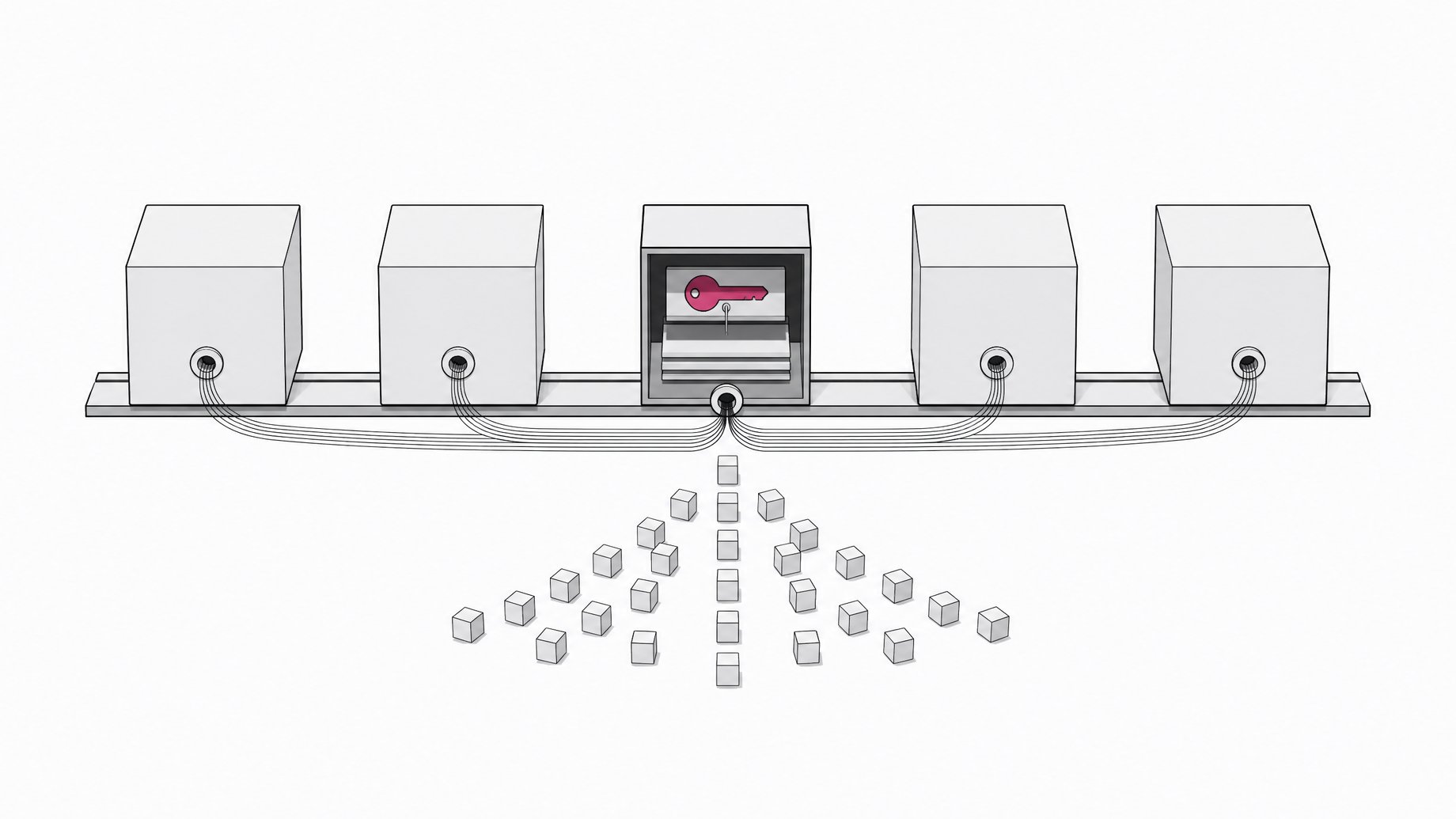
Rotate every API key and credential you own, turn on two-factor authentication (2FA) on every account that supports it, and lock down anything you expose to the public web, including patching PHP and other server software. Those are the steps one creator took after waking up to a stack of alarming reports. The underlying incidents are unverified in the source material, but the defensive steps are cheap and make sense whether or not the claims hold up.
TL;DR
- The reports come from a single creator's video, not from confirmed advisories, so treat each incident as a claim until you see an official source.
- The claims include a PHP vulnerability, leaked Railway API keys, attacks on American banks, and coordinated activity aimed at Siemens PLCs.
- The creator's own response was to rotate virtually all API keys, enable 2FA across devices, and secure public-facing web properties.
- Rotating keys is worth doing even if your provider was not affected, because a leaked key is useful to anyone who finds it.
- If you run PHP sites, check for vendor patches and official guidance rather than relying on social media summaries.
- Panic helps no one. A short checklist, done once, covers most of the realistic risk for an individual builder.
What exactly was claimed?
The source is a single video from a creator who says he woke up to a run of bad news. Everything below is his account, and none of it is independently confirmed in the material provided.
- American banks were said to be facing swarms of agents trying to break in.
- A PHP vulnerability was described as serious enough that the Japanese prime minister reportedly told nearly everyone in Japan with a website to take it down and push a critical update.
- Railway, a hosting platform the creator had used for a couple of apps, was said to have had all API keys leaked.
- Reports of data exposure involving every Californian student since 2023 and over 10 million citizens in Japan were mentioned. A third incident, called "E-Mudra," was named without explanation.
- The NSA cyber account was said to be describing extremely coordinated activity targeting Siemens PLCs, which the creator described as controllers for things like refrigeration units and water treatment.
- He also said North Korean websites had been down for about a day.
The creator also described "obliterated versions" of a model whose name comes through garbled in the transcript, saying they were crawling every port known to man and using their own flexible intelligence to try to hack in from thousands of other angles. That is his interpretation. The source offers no technical evidence for it.
Should you believe these claims?
Not without checking. The video is a first-person reaction recorded shortly after waking up. It cites no advisories, CVE numbers, vendor statements, or links. Some details are vague or unexplained, and the tone is openly alarmed.
That does not mean the events are false. It means you should verify before acting on specifics. Good places to check:
- Your hosting provider's status page and security announcements.
- Your national CERT or cybersecurity agency.
- The PHP project's release notes and your framework or CMS vendor's advisories.
- Official accounts of the agencies named, such as the NSA's cybersecurity channels.
If you cannot find confirmation, the practical advice below still stands. None of it depends on the story being accurate.
How do you respond to a possible API key leak?
Assume any key that touched a possibly affected platform is compromised, then replace it. The creator said he revisited every API key he had and rotated virtually everything. A sensible order:
- List your keys. Check cloud providers, AI model APIs, payment processors, email services, databases, and CI/CD tokens.
- Prioritize by damage. Keys that can spend money or reach customer data go first.
- Generate new keys and update your deployments. Do this before revoking the old ones if you need to avoid downtime, then revoke promptly.
- Check usage logs for the old keys. Unfamiliar requests, odd regions, or sudden volume spikes suggest abuse.
- Set spending limits and alerts where the provider supports them, so a stolen key cannot run up a large bill.
- Move secrets out of code. Use environment variables or a secrets manager, and scan your repositories for committed keys.
Rotation matters more than it sounds. A leaked key keeps working until someone revokes it, and attackers can sit on one for weeks.
Why does 2FA matter here?
If credentials leak, a second factor stops a stolen password from being enough on its own. The creator enabled 2FA across virtually all devices and accounts.
Practical guidance, based on general security practice rather than the source:
- Prefer hardware security keys or passkeys where offered. They resist phishing better than SMS codes.
- Use an authenticator app if keys are not available. Use SMS only as a last resort.
- Protect the accounts that control everything else first: your email, your cloud and hosting dashboards, your domain registrar, and your code host.
- Store backup codes somewhere offline.
- Use a password manager so every account has a unique password.
How do you secure public-facing web properties?
The creator said he secured his public-facing web properties as best he could. For most builders, that comes down to reducing what is exposed and keeping what remains patched.
| Area | What to check |
|---|---|
| Software updates | Apply current patches to PHP, your CMS, plugins, and frameworks. |
| Unused sites | Take down old projects, staging servers, and abandoned apps. |
| Admin panels | Restrict by IP or VPN, and require 2FA. |
| File uploads | Disable or tightly validate uploads, since web shells often arrive this way. |
| Open ports | Close anything you do not actively need. |
| Logs | Look for unfamiliar files, new admin users, and odd outbound traffic. |
| Backups | Keep an offline or immutable copy you have tested restoring. |
If you run a PHP site and the Japanese advisory claim is accurate, the relevant action is simple: find the official fix for your version and apply it. If you cannot patch quickly, take the site offline until you can.
Does this mean the open internet is over?
The creator argues that the free, open internet as we know it may not survive, and that attribution gets harder when attacks come from disconnected, coordinated botnets built on compromised consumer devices. That is opinion and forecasting, not established fact.
What is well established is narrower. Automated scanning has been constant for years, and unpatched internet-facing software and exposed credentials are among the most common ways attackers get in. AI tooling can plausibly make reconnaissance and exploitation cheaper, which raises the value of basic hygiene. It does not change what basic hygiene looks like.
What about the creator's other preparations?
He also said he bought a large quantity of non-perishable food and water, and mentioned a flight that might be disrupted. Those are personal choices based on his reading of the situation. Nothing in the source verifies that shortages or outages are imminent. Reasonable emergency preparedness is fine, but it is separate from the security work above.
Frequently Asked Questions
Were the attacks described in the video confirmed?
Not in the source material. They are one creator's account, given shortly after he woke up, with no cited advisories or documents. Check official channels from your provider, national cybersecurity agency, or software vendor before treating any specific incident as fact.
Do I need to rotate API keys if my provider says it was not breached?
It is not strictly required, but it is low-cost insurance, especially for keys that are old, shared, or stored in code. Prioritize keys that can spend money or access sensitive data, and rotate on a schedule going forward.
Is SMS-based 2FA good enough?
It is better than nothing, but it is the weakest common option because phone numbers can be hijacked. Use a hardware key, passkey, or authenticator app where possible, particularly for email, hosting, and domain accounts.
What should PHP site owners do right now?
Check the official PHP release notes and your CMS or framework vendor for security updates, then apply them. Remove sites you no longer use, review your server for unfamiliar files or accounts, and take the site offline if you cannot patch promptly.
How we source, write, and correct our articles. Editorial standards