AI Coding Tools ·
Herdr vs Panda Code: Which Should You Use for Coding Agents?
Herdr is a terminal runtime for coding agents; Panda Code is a desktop app with diffs and teams. Compare remote work, status, persistence and updates.
How engineers use AI, how to do it well, and what it means for your job. Written for people who ship and run the software, not people who build models.
Herdr is a terminal runtime for coding agents; Panda Code is a desktop app with diffs and teams. Compare remote work, status, persistence and updates.
Six habits that stretch your Claude Code plan: handoff files, trimmed context, steady model and effort settings, /usage checks, and sub-agent cache TTL.
Inkling 2 Small is available only through the Thinking Machines console with paid API credits. Here is what access looks like and what the $426 run shows.
MiniCPM-OCR leads four of six benchmarks against 15 open OCR models and runs fast, but charts, reading order and footers still trip it up.

How to run OpenBMB's MiniCPM-OCR 1.0 locally with vLLM, what VRAM it needs, and how it handled formulas, charts, newsprint, invoices and Chinese contracts.
Herdr 0.9.5 adds multi-machine SSH, the --machine flag, per-client UI, safer updates, session persistence and agent self-reporting. Here is what to know.
How a coding agent like Codex or Claude Code can drive an Olares One: what the setup involves, example prompts for STL files and ComfyUI, and what to verify.
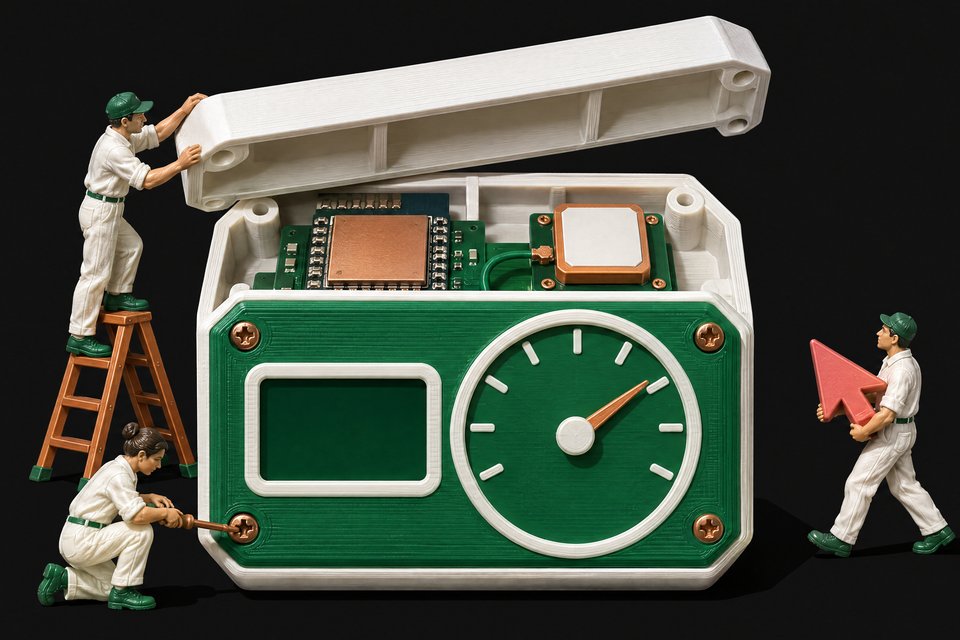
A 4-bit Qwen 3.8 27B on a 24GB Olares One drove OpenCode to design firmware and OpenSCAD enclosures for an ESP32 GPS speedometer. Here is what held up.
Inkling 2 Small is a 594B-parameter, 17B-active multimodal MoE. Hands-on tests in HTML, multilingual output, circuits and vision, plus benchmark standing.
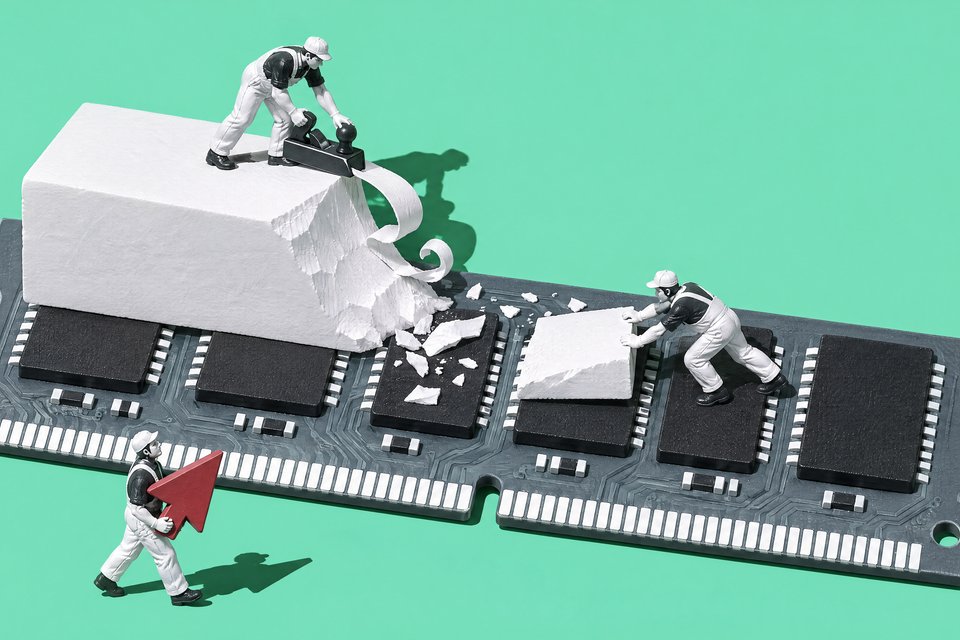
Run local AI on a weak Linux machine with 4GB RAM and no GPU: the RAM budget, model sizes that fit, Ollama setup, and realistic CPU-only speeds.
Run StarCoder2 15B locally with Ollama or llama.cpp. Install commands, approximate quantized sizes, and the VRAM or unified memory each setup needs.
Set up Tencent's DSpine draft model with Qwen3.8-27B on SGLang: install steps, serve flags, block size 16, H100 memory use and the A100 problem.

DSpine vs DFlash2 on Qwen3.8-27B: acceptance length, agent throughput, and a hands-on H100 test that hit about 156 tokens/s versus 33.
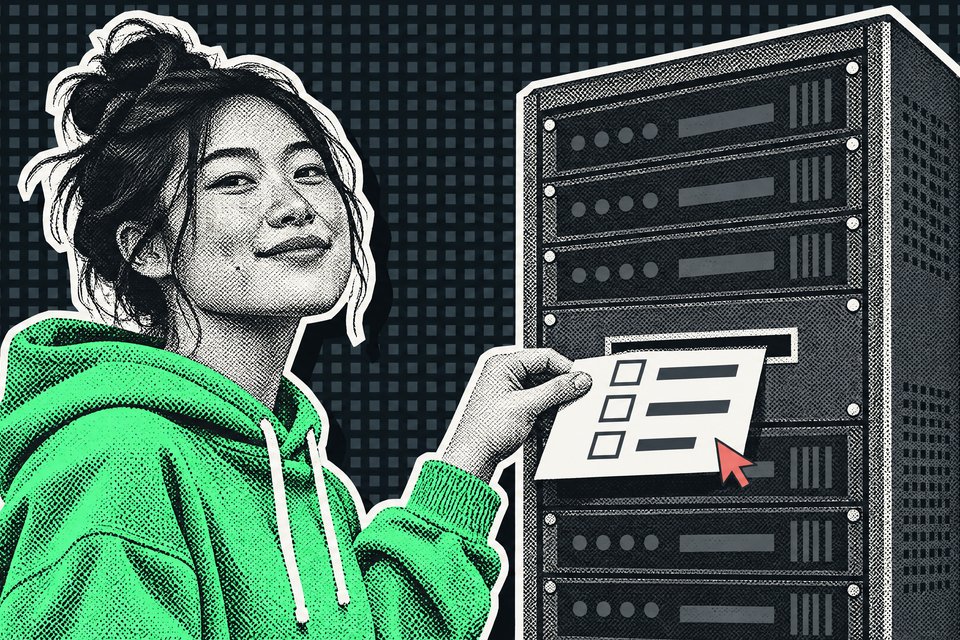
Local votes blocked data centers while AI use climbs. Here is how that hits neo clouds, big tech, offshore siting, overbuild risk and orbital compute.
DSpine is Tencent's roughly 2B draft model for Qwen3.8-27B. See how it speeds up speculative decoding and how it differs from DFlash2 and Eagle 3.
Realbotix Echo robots start just under $12,000 for a tabletop unit and run about $60,000 full size, plus $20 a month. Only 250 ship in 2H 2027.
Gemini Omni 1.2 Flash costs about 7 cents per second at 720p. See what a 3 to 15 second clip costs and how draft-then-upscale to 1080p or 4K works.
Billion Context cut costs 58% on Context Bench and survived a 1.48M-token test, but needle recall fell from 69% to 27%. Here is what the numbers mean.
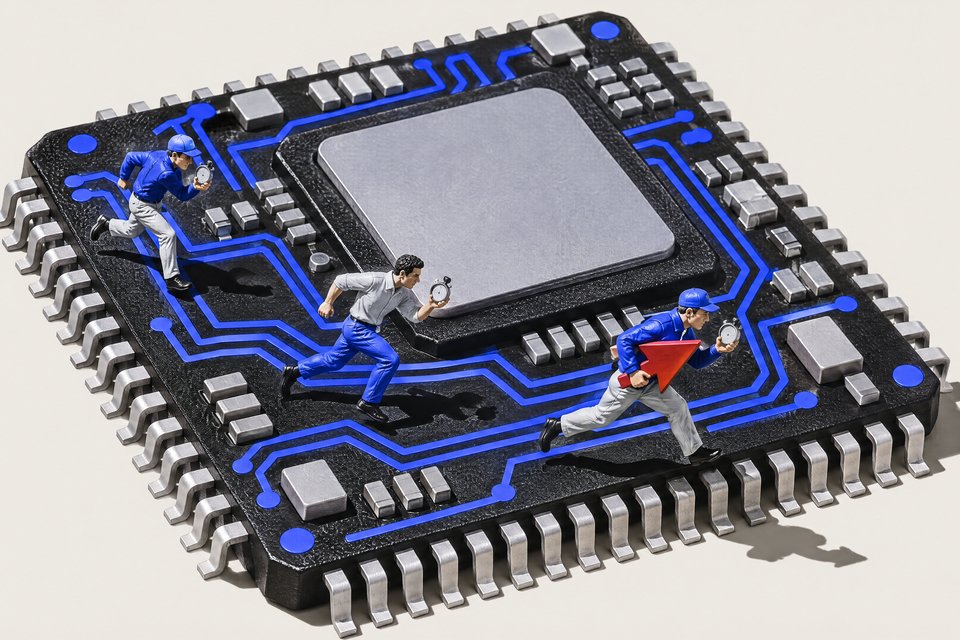
Clover from Diffuse Space AI is a 35B diffusion language model with 3B active parameters. See how it works and how it fared against Qwen 3.6 Flash.

GPT-6.1 Terra pricing is unconfirmed in public sources we can verify. Here is how to compare it with GPT-6 Astra using cost per task, not per-token price.
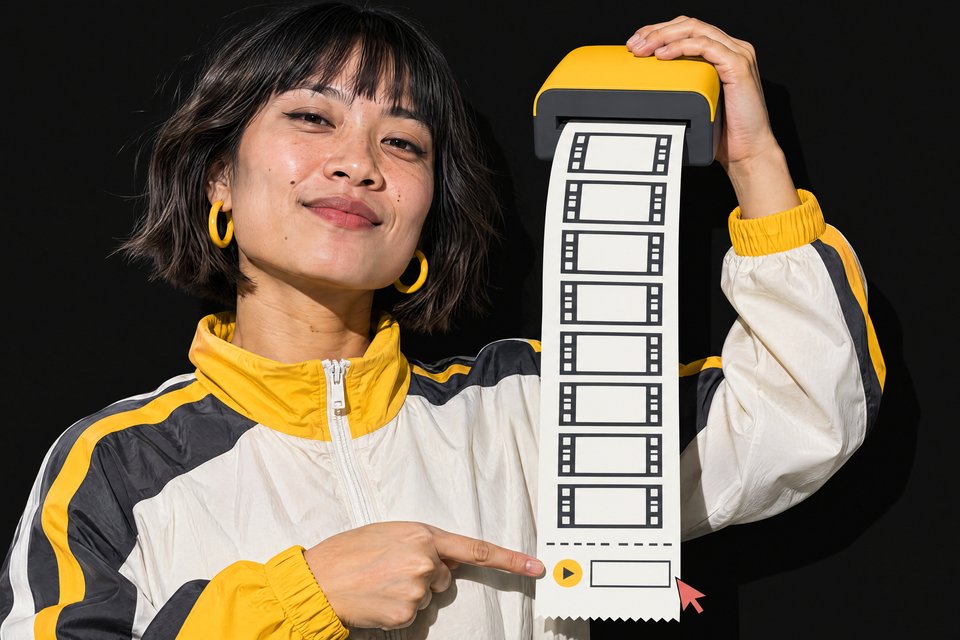
Pika H3 Flex, an open-weight video model built on MiniMax H3, starts at $0.01 per second, renders 15-second clips in about 7 seconds and exports 4K.
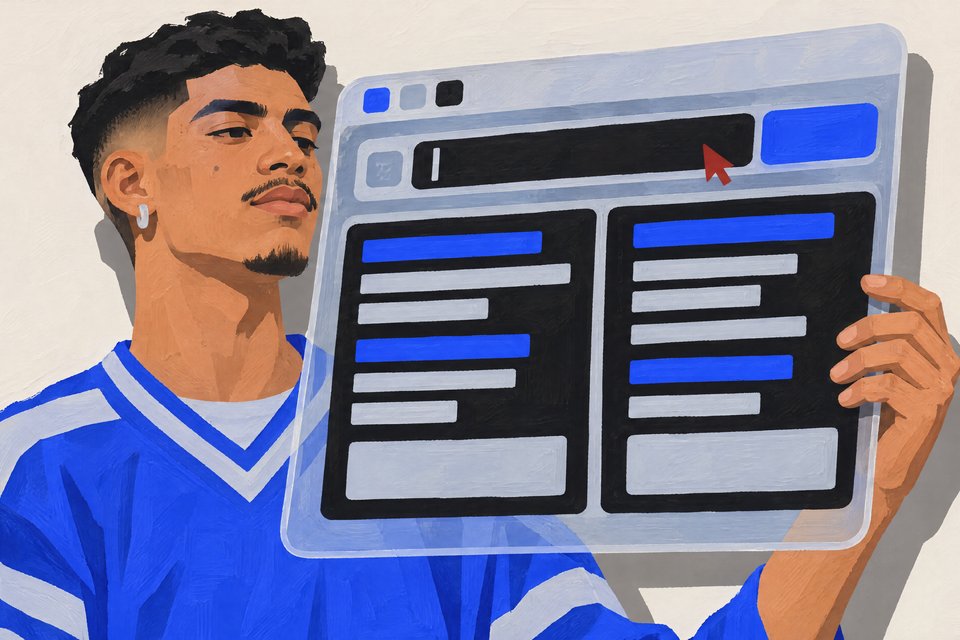
Serve Hugging Face's rebuilt weight-edited Qwen3.5 0.8B beside the original in vLLM and compare looping on a 2^100 mod 7 prompt and MATH-500 problems.
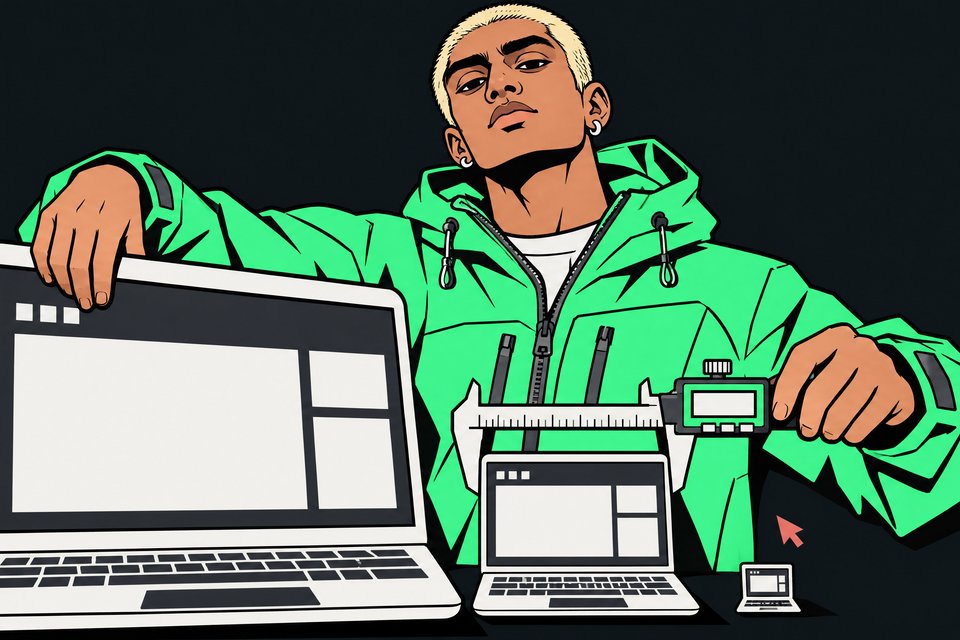
Northka is an open-weight computer-use model family (397B Pro, 35B Mini, 9B Nano) scoring 78.9 to 88 on OSWorld Verified. Sizes, scores and harness explained.
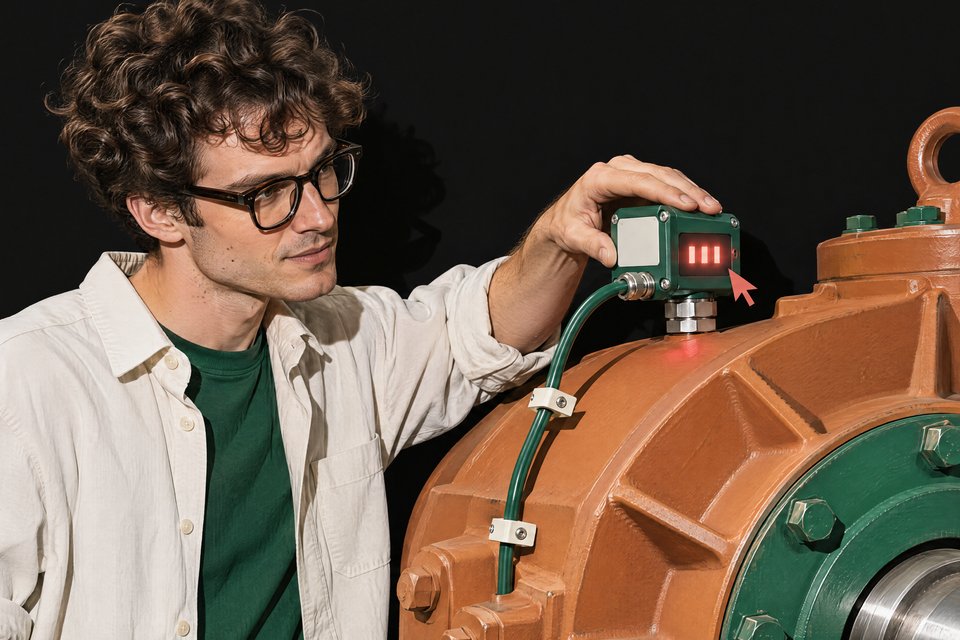
Traction raised a Series D at a $1.4B valuation with over $100M ARR. Here is how its sensors and AI predict failures in industrial machines.