What Is Claude Duet? Anthropic's Proactive Agent Explained
Claude Duet is Anthropic's proactive agent on Opus 5.5. It runs in a cloud computer, sends morning briefs, and asks approval before emails or payments.

What is Claude Duet?
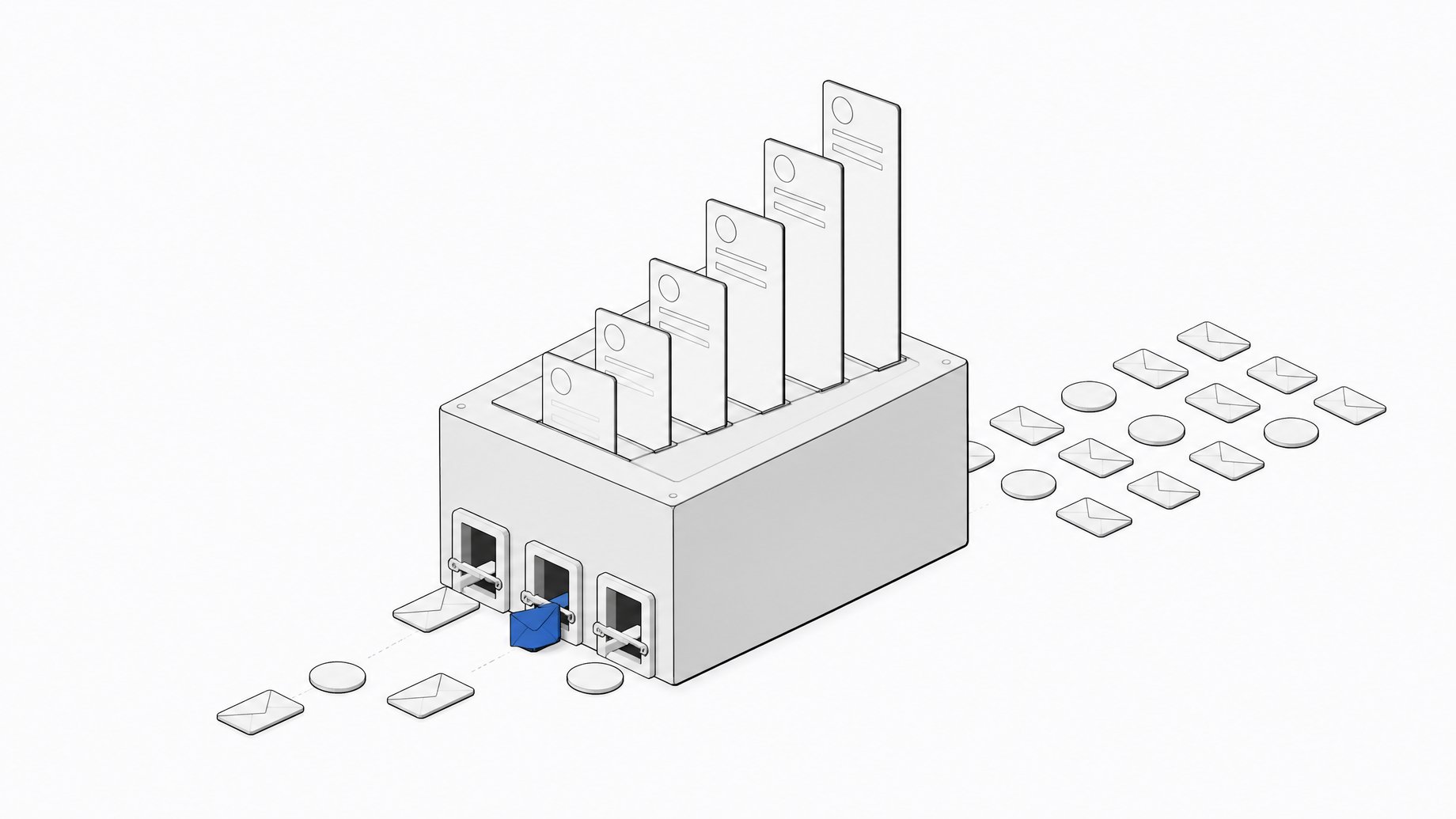
Claude Duet is an app from Anthropic where Claude acts as a proactive agent instead of waiting for your prompt. It is powered by Claude Opus 5.5 and runs on its own computer in the cloud. It sends you a brief every morning, then messages you during the day only when something needs your attention. Before it sends an email or makes a payment, it waits for your approval. It is currently a research preview.
TL;DR
- Claude Duet flips the usual chat model: the agent comes to you first, rather than you opening a window and typing.
- It runs on Claude Opus 5.5 inside its own cloud computer, so work can continue when you are not in the app.
- You get a brief every morning, and interruptions during the day are meant to be rare.
- Emails and payments need your approval before they go out, which keeps a human on the irreversible actions.
- Anthropic says the core value is judgment about what needs you and what can wait, and that is the part still to be proven in daily use.
- It shares your plan's usage limits, and even background check-ins count, so you may hit limits sooner than with chat alone.
- Access is a research preview for Pro and Max subscribers in the US, through a waitlist.
How is Claude Duet different from a normal chat assistant?
A standard chat assistant is reactive. You open it, ask something, and it answers. When you close the tab, nothing happens until you come back.
Duet inverts that. The agent has its own cloud computer, so it can keep working and checking on things without your device being involved. It starts the conversation with a morning brief. After that, it stays quiet unless something warrants your time.
That changes what you are actually using. In chat, the quality of the output depends on your prompt. In Duet, the quality depends on whether the agent picks the right things to surface. You spend less effort asking and more effort reviewing and approving.
How does Claude Duet work?
Based on what Anthropic has described, four pieces fit together.
- A model. Claude Opus 5.5 does the reasoning.
- A computer. The agent runs on its own machine in the cloud rather than inside a single chat session.
- A rhythm. One brief every morning, then check-ins through the day.
- A gate. Outbound actions with real consequences, like sending an email or making a payment, pause for your sign-off.
The announcement does not say which accounts or data sources Duet can connect to, how you configure what it watches, or how long tasks can run. Treat those as open questions until you can read the documentation or try it yourself.
How does Claude Duet decide what needs your attention?
Anthropic frames this as the point of the product: judgment about what needs you and what can wait. The public description stops there. It does not explain the mechanism, such as whether you set priorities, whether it learns from your responses, or how it handles uncertainty.
So the honest answer is that the filter is the model's own judgment, and that judgment is the thing under test. Two failure modes matter:
- Too noisy. If it messages you for minor items, it becomes another inbox to manage.
- Too quiet. If it holds back something urgent, you lose trust quickly, and the morning brief stops being useful.
A proactive agent is only worth having if its false positives and false negatives are both low. That is hard to judge from an announcement. It will show up over a few weeks of real use.
What does the approval gate cover?
Duet waits for your approval before it sends an email or makes a payment. These are the two cases where a mistake is hard to undo. A wrong draft costs you nothing. A wrong sent message or a wrong charge does.
This is a sensible default for any agent that runs while you are away. It means the agent can read, plan, and draft without supervision, while the actions that reach other people or spend money stay with you.
The sources do not list every action that triggers a gate. Other steps, such as editing files or changing settings, may or may not need approval. If you try it, check which actions go through without asking.
Does Claude Duet count against your usage limits?
Yes, and this is the main catch. Duet shares your plan's usage limits, and its background check-ins count toward them. An agent that checks in all day consumes capacity even when you never open the app.
For heavy Claude users, that matters. If you already come close to your limits with chat or coding tools, adding an always-on agent could push you over sooner. Anthropic has not said, in the material available, how much a typical day of check-ins costs. Watch your usage closely in the first week.
Who can use Claude Duet right now?
Duet is a research preview. It is open to Pro and Max subscribers in the US, and access goes through a waitlist. The research preview is described as being for Pro and Max subscribers in the US, so free users and people outside the US are not included. Research previews also tend to change quickly, so expect behavior and limits to shift.
How does Claude Duet compare with Meta's Muse and OpenAI's launches?
The timing is notable. Meta's Muse and OpenAI have both launched products since early September, and Duet arrives into that crowd. The details of those products are not covered in the available source, so a feature-by-feature comparison would be guesswork here.
What can be said is directional. The big labs are all moving from chat boxes toward agents that act on your behalf. Differentiation is shifting away from raw model quality and toward product design questions:
| Question | Why it matters |
|---|---|
| Does the agent run without you present? | Determines whether it can really work in the background |
| How often does it interrupt you? | Decides whether it saves attention or eats it |
| Which actions need approval? | Sets the safety and trust level |
| What does it cost in usage? | Decides whether always-on is practical |
Duet's answers, as announced, are: yes, rarely by design, emails and payments, and it draws on your existing plan limits. Whether that beats the competition depends on testing all of them side by side, which no one has done publicly yet.
Is Claude Duet worth trying?
If you have access, it is worth a short trial, with some caveats. The idea is appealing for anyone whose day is mostly triage: email, scheduling, follow-ups, small payments. A good morning brief and a quiet agent could save real time.
Go in with clear tests:
- Does the morning brief contain things you would have wanted to know?
- How many mid-day messages were actually necessary?
- Did anything important get missed?
- How much of your usage allowance did it consume?
If you are not in the US or not on Pro or Max, there is nothing to do yet except wait for broader availability.
Frequently Asked Questions
What model does Claude Duet use?
Claude Duet is powered by Claude Opus 5.5. It runs that model on its own computer in the cloud, not inside a standard chat session.
Will Claude Duet send emails or pay for things without asking?
No. According to Anthropic, it waits for your approval before sending an email or making a payment. The announcement does not list every action that needs approval, so check the behavior for other tasks.
Does Claude Duet cost extra?
The announcement says Duet shares your plan's usage limits rather than describing a separate price. Background check-ins count toward those limits, so it can use up your allowance faster than chat alone.
Who can get access to Claude Duet?
It is a research preview for Pro and Max subscribers in the US. Access is through a waitlist, so not everyone with an eligible plan will get in immediately.
How often will Claude Duet message me?
You get a brief each morning. After that, it should message you only when something needs your attention. How well it holds to that is the open question, since it depends on the agent's judgment.
How we source, write, and correct our articles. Editorial standards