How Does Claude's Plaid Bank Account Connection Work?
Claude's reported Plaid bank link covers Pro, Max and Ultra plans with read-only access. Here is how it works, what it can see, and what to check first.

For Finance and Engineering
How does Claude's bank account connection work?
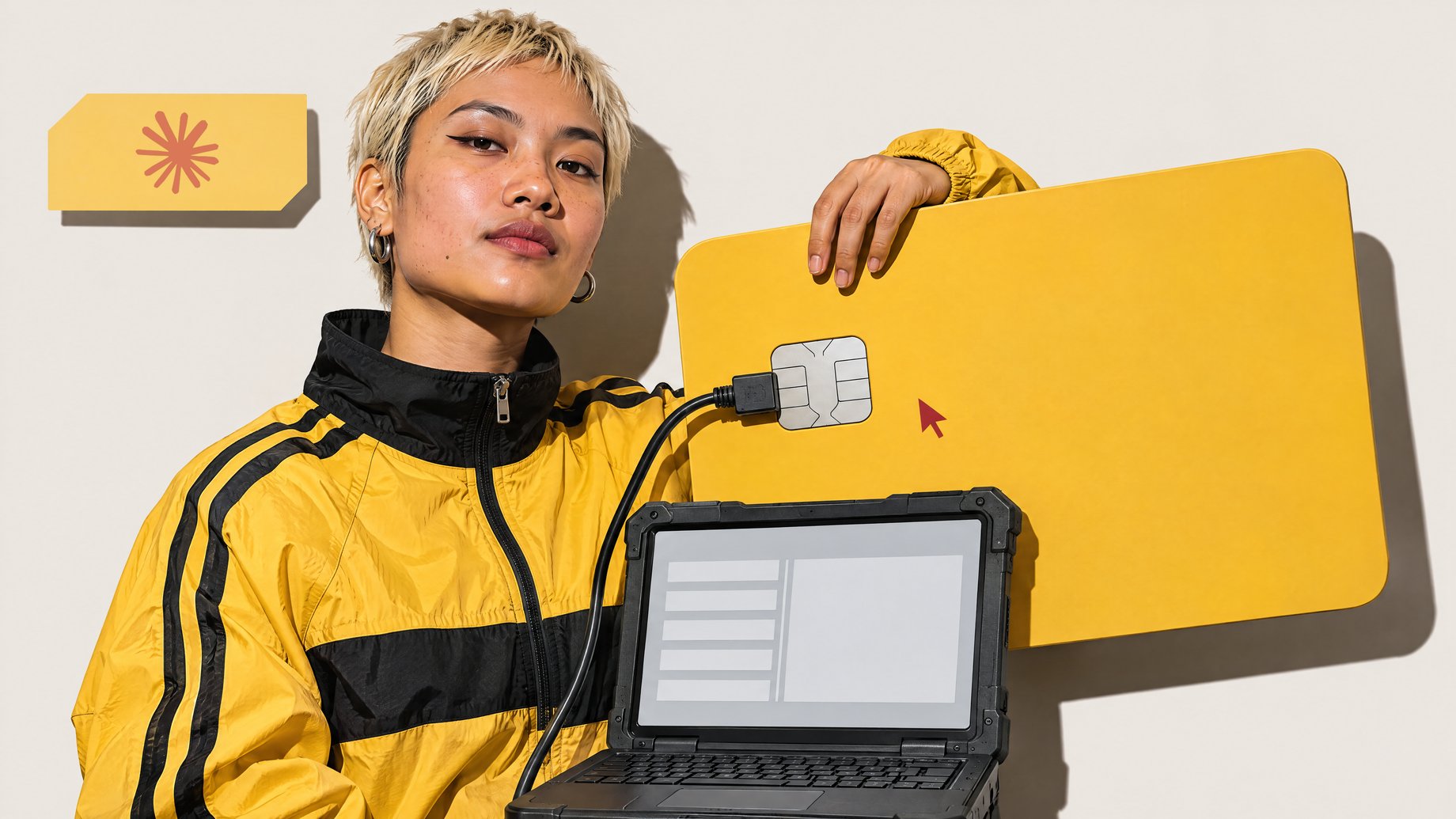
Claude's bank connection uses Plaid, a third-party service that links apps to bank accounts. You sign in to your bank through Plaid's login flow, approve what Claude can see, and Claude can then answer questions about your balances and spending. As reported, access is read-only, Claude sees only the last four digits of account numbers, and Anthropic says financial data is not used for training. Confirm the current terms in Anthropic's own documentation.
A note on sourcing: the material behind this article did not include Anthropic's announcement or help-center text. The Claude-specific terms below come from the reported summary of the feature, not from a primary document. The Plaid explanation relies on how Plaid works in general.
TL;DR
- The feature is reported to be available to Pro, Max and Ultra subscribers, so free-tier users likely do not get it.
- Claude connects through Plaid, so you authenticate with your bank and not with Claude directly.
- Access is described as read-only, which means Claude can look at data but not move money.
- Claude reportedly sees only the last four digits of an account number.
- Anthropic's stated promise is that financial data is not used to train models.
- Read-only does not mean risk-free, so check permissions and revoke access when you stop using the connection.
What is Plaid and why does Claude use it?
Plaid is a financial data network. Thousands of apps use it to connect to banks, including budgeting tools and payment apps. Instead of handing an app your bank username and password, you sign in inside a Plaid-hosted window. Your bank confirms who you are, and Plaid passes the app a token that grants limited access.
For an AI assistant, this saves a lot of engineering. Anthropic does not need to build and maintain links to every bank. Plaid handles the bank-side integrations, and Claude receives structured data such as balances and transactions.
The tradeoff is one more company in the chain. Your data passes through Plaid, which has its own privacy policy and its own dashboard where you can see and remove connections.
Which Claude plans get the bank connection?
The reported rollout covers paid individual tiers only.
| Plan | Bank connection (as reported) |
|---|---|
| Free | Not included |
| Pro | Included |
| Max | Included |
| Ultra | Included |
Plan names and tiers change often, and features sometimes roll out in stages by region or platform. If you do not see the option in your settings, that may be a rollout delay and not a plan problem. Check Anthropic's pricing and help pages for the current list.
What can Claude see in your accounts?
Plaid products are split by data type. A read-only connection of this kind typically exposes:
- Account names and types (checking, savings, credit card)
- Current balances
- Transaction history, including merchant names, amounts and dates
The reported privacy detail is that Claude gets only the last four digits of an account number. That matters because full account and routing numbers are what someone needs to set up payments or attempt fraud. Masked numbers are enough to tell your accounts apart in a conversation.
Read-only access also means Claude cannot initiate transfers, pay bills or change anything at your bank. It reads data and reasons about it.
What can you ask Claude once a bank is linked?
The value is in questions that normally require exporting a CSV and wrestling with a spreadsheet. Examples of the kind of prompt this enables:
- "How much did I spend on dining out in the last three months, and how does that compare to groceries?"
- "List every recurring subscription charge I have and flag any that went up."
- "Which month this year had the highest spending, and what drove it?"
- "I want to save a set amount by December. Based on my recent transactions, where could I realistically cut?"
- "Summarize my spending by category so I can build a budget."
Treat the answers as analysis, not financial advice. Models can miscategorize merchants, misread refunds as income, or miss pending transactions. Spot-check any number you plan to act on against your bank statement.
Is it safe to connect your bank account to Claude?
It depends on what you are guarding against. The reported design choices are sensible: read-only scope, masked account numbers, and a no-training commitment for financial data. Those reduce the worst outcomes, such as unauthorized transfers or exposure of full account numbers.
Some risks remain with any connection of this kind:
- Transaction data is revealing. Even without account numbers, your purchases show where you shop, what you pay for medical care, and your habits.
- Conversation retention. Data pulled into a chat may be stored as part of your conversation history under Anthropic's normal retention rules. Read those rules separately from the training promise.
- Account security. If someone takes over your Claude account, a linked bank becomes part of what they can read. Use a strong password and two-factor authentication where offered.
- A second company. Plaid holds the connection token, so its security practices matter too.
A reasonable approach is to link only the accounts you need analyzed, skip joint or business accounts at first, and test with a few questions before relying on it.
How do you disconnect or limit access?
You can usually remove a connection in two places: the app's own settings (here, Claude) and Plaid's consumer portal, which lists every app you have linked through Plaid. Removing it at both ends is the cleanest option. Your bank may also show third-party connections in its security settings.
Also consider deleting conversations that contain sensitive financial detail if you do not need them, since deleting the connection does not necessarily erase earlier chat content.
How does this compare with other AI finance features?
AI assistants are moving toward connected data, such as email, calendars and files, so they can answer questions about your life instead of generic ones. One assistant demoed in a recent weekly AI roundup described itself as able to handle Gmail and calendar once connected. Bank data is a more sensitive version of the same pattern. The convenience is real, and so is the consequence of getting permissions wrong. Expect competing assistants to offer similar links, and compare their scope, retention and training policies and not just features.
Frequently Asked Questions
Does Claude's bank connection let it move money?
No, based on the reported terms. The connection is described as read-only, so Claude can view balances and transactions but not initiate transfers or payments. Confirm this in Anthropic's documentation before linking.
Will Anthropic train its models on my bank data?
Anthropic's reported promise is that financial data from this connection is not used for training. Check the current privacy policy and your account's data settings, since they govern how conversations are retained and used more broadly.
Can free users connect a bank account to Claude?
Reports say the feature is for Pro, Max and Ultra subscribers. Free accounts are not listed. Availability can vary during a staged rollout, so the option may appear at different times for different users.
Does Claude see my full account number?
Reportedly not. Claude sees only the last four digits, which is enough to distinguish accounts without exposing the full number.
How do I revoke Claude's access to my bank?
Remove the connection in Claude's settings and then in Plaid's user portal, which lists every app linked through Plaid. Your bank's security settings may also show the connection.
Useful for
How we source, write, and correct our articles. Editorial standards
Related articles

How Much Does Gemini 4 Carbon Cost and Who Can Use It?
Muse Ember API Pricing, Context Window and Cost Per Task

Does Starting a New Session Save Money With Coding Agents?