An AI agent that builds, ships, and runs products.
Remy takes your idea from conversation to production, then keeps working on it with you. Roadmap, marketing, analytics, support, documentation. Everything it takes to bring a product to market.
Don’t take our word for it —
Remy product tour by co-founder Sean Thielen.
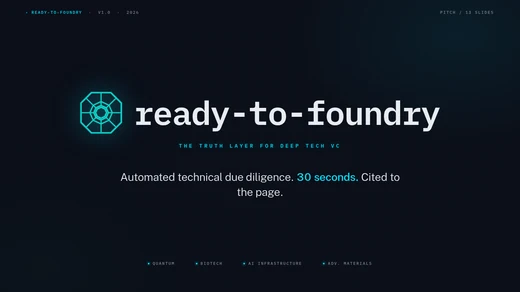
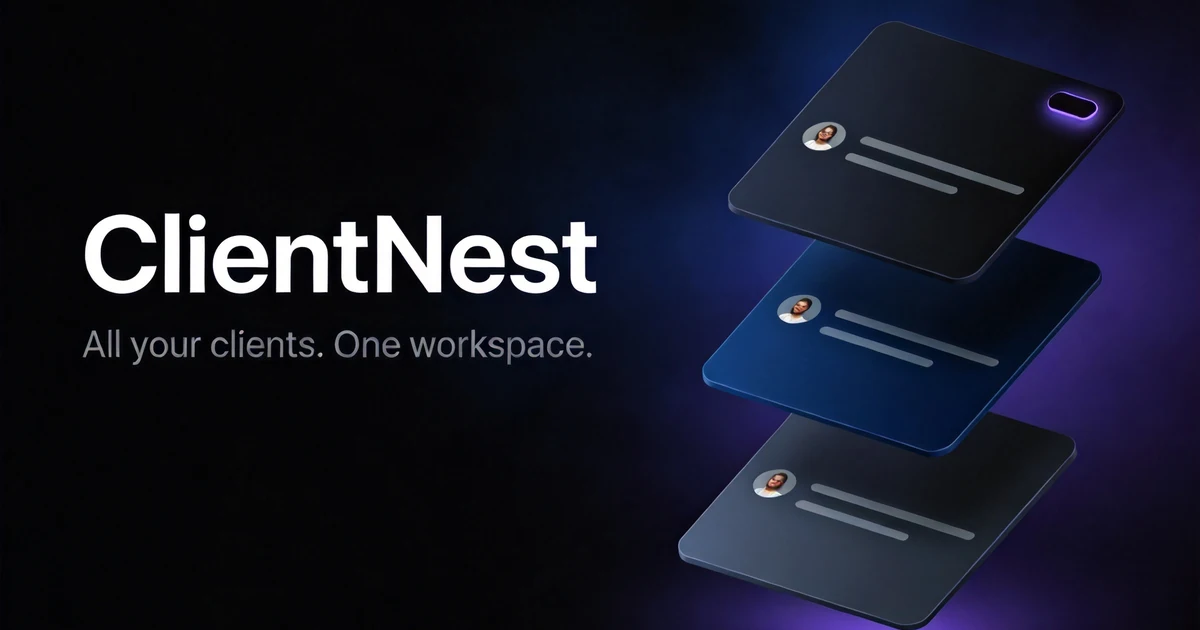
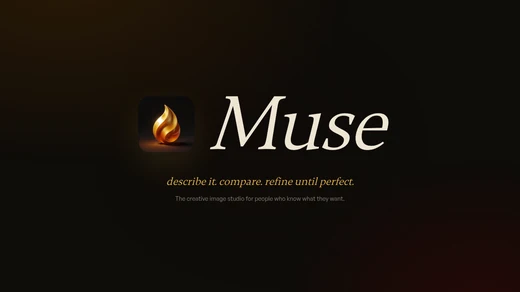
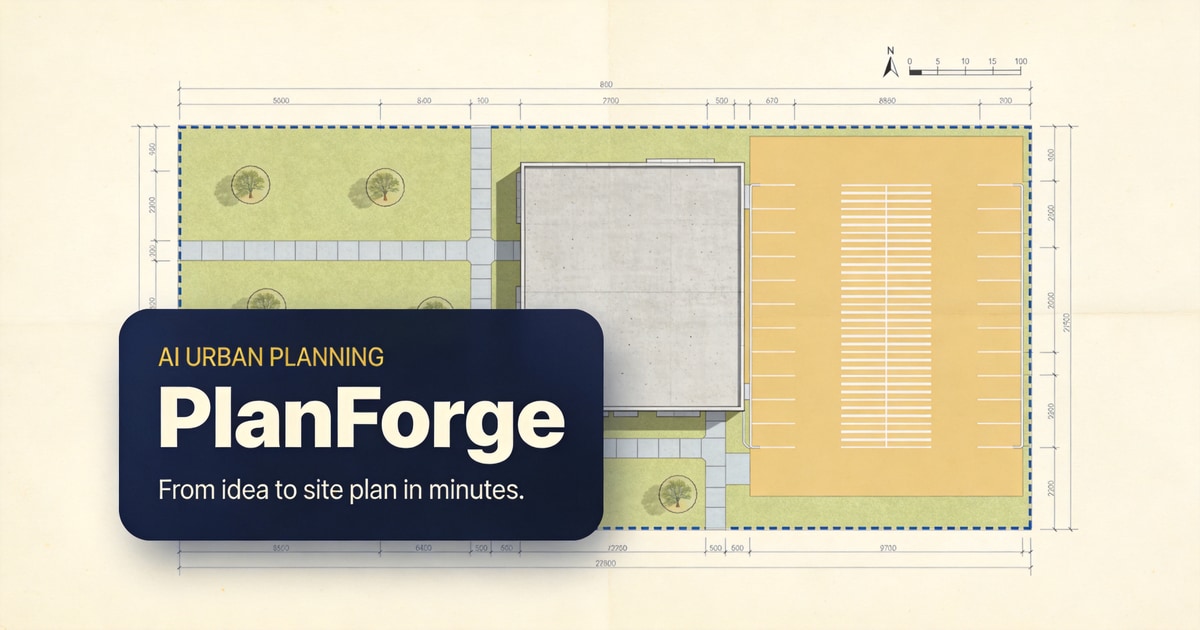
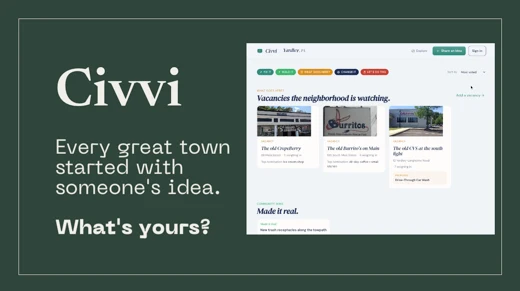
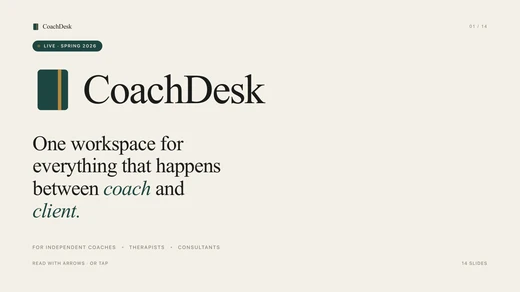
Debut is Product Hunt for Remy apps. A live gallery of real products built by real people in the alpha.
See what people are building →


























































Start with a conversation.
Remy is a product agent. Coding agents write code from prompts. Remy works with you at the level of ideas. You describe what you're trying to make, what you care about, what excites you. Remy listens, asks questions, pushes back, proposes directions, and works the idea into something buildable.
You bring the vision. Remy helps you figure out how to build it.
Think of it like this. A coding agent is like hiring a construction worker. You can direct them: frame this wall, run wire through that conduit, drywall this corner. They're skilled, and they'll do what you ask. But they're working at the level of the wall, not the house. Someone still has to design the house, pick the materials, hire the rest of the crew, coordinate the work, and show up when something goes wrong.
Remy is the general contractor. You describe what you want and Remy figures out the rest, bringing in specialists where they're needed and making the calls that hold the whole project together.
My instinct going in was to manage the build — review designs before committing, break the scope down, stay close to what was being built. Classic PM behavior. And Remy pushed back on all of it. When I stopped trying to be the builder and leaned into being the visionary, the tool clicked.
— Merziyah Poonawala
Remy builds your MVP.
When Remy gets to work on your project, it isn't one agent doing six jobs. It's six specialists, each one tightly tuned to its domain, built from the same first principles a great human team would be assembled with. You're getting depth in every direction at once.

Coding Agent
Built on the same frontier coding models that power Claude Code, Codex, and Antigravity, with patterns from production codebases informing every decision.

Design Agent
Trained on a curated library of contemporary reference and a complete system for thinking about design from first principles. Knows why so much AI-generated design looks generic, and how to avoid it.

Roadmap Agent
Owns the roadmap and the pitch deck. Holds the product vision, pushes you to think bigger, and keeps the scope sharp as the product grows.

QA Agent
Directly interacts with a real browser. Clicks through flows the way a user would, writes structured bug reports, captures video walkthroughs, and conducts analysis on whatever needs to be verified.

Architecture Agent
A staff-level engineer that the rest of the team consults on every meaningful architectural decision, and that keeps an eye on the structural choices that read as small now and become expensive later.

Research Agent
Gathers references, studies competitors, pulls in the context the rest of the team needs, and reads screenshots from the QA agent and the rest of the team.
The team leverages state-of-the-art frontier models from Anthropic, OpenAI, and Google. You can configure which model each agent uses, and you pay provider API prices directly. As the team works, the artifacts come together. The application, the roadmap, the deck, the design system. Everything is built to stay in sync as your product evolves.
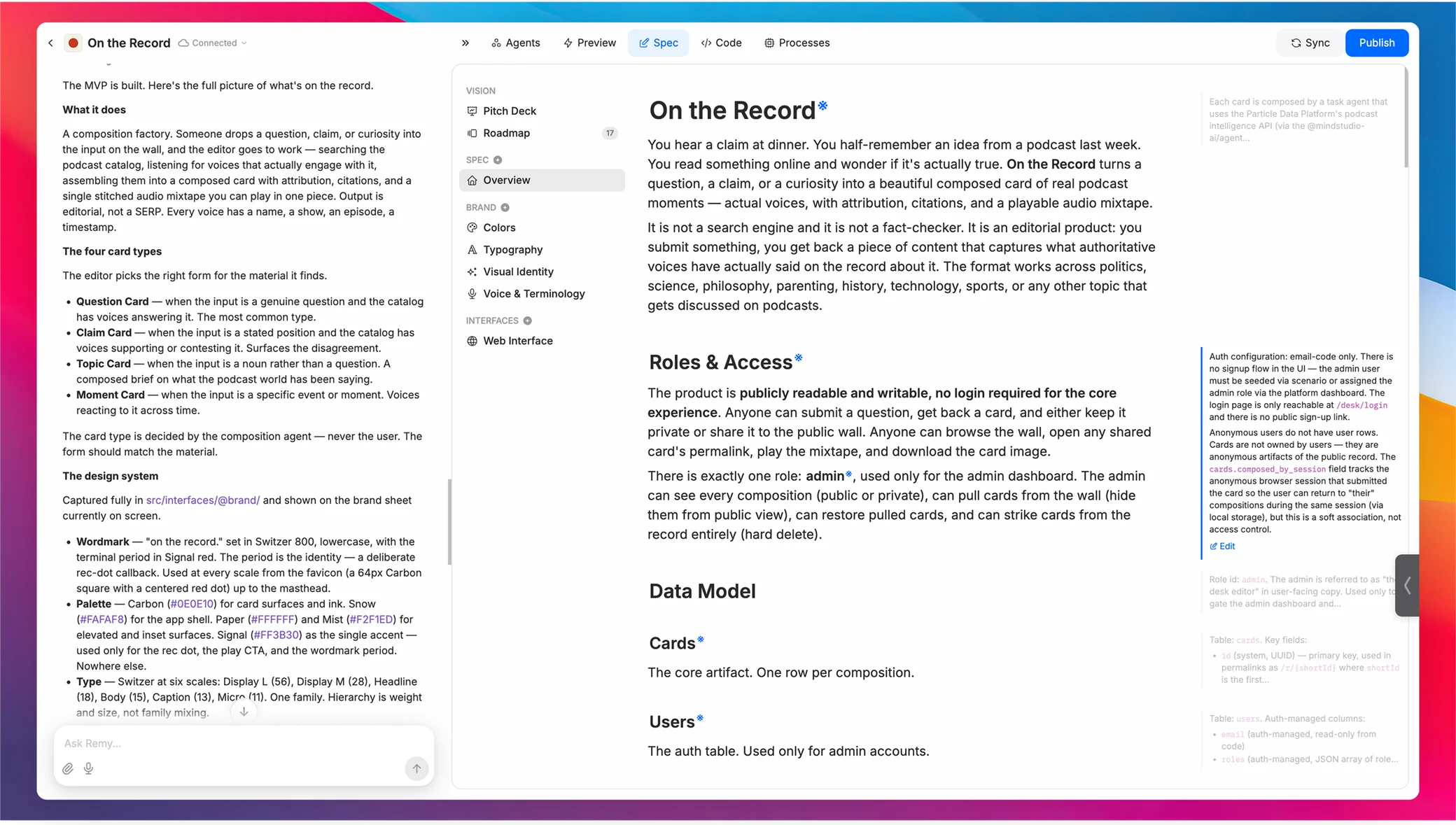
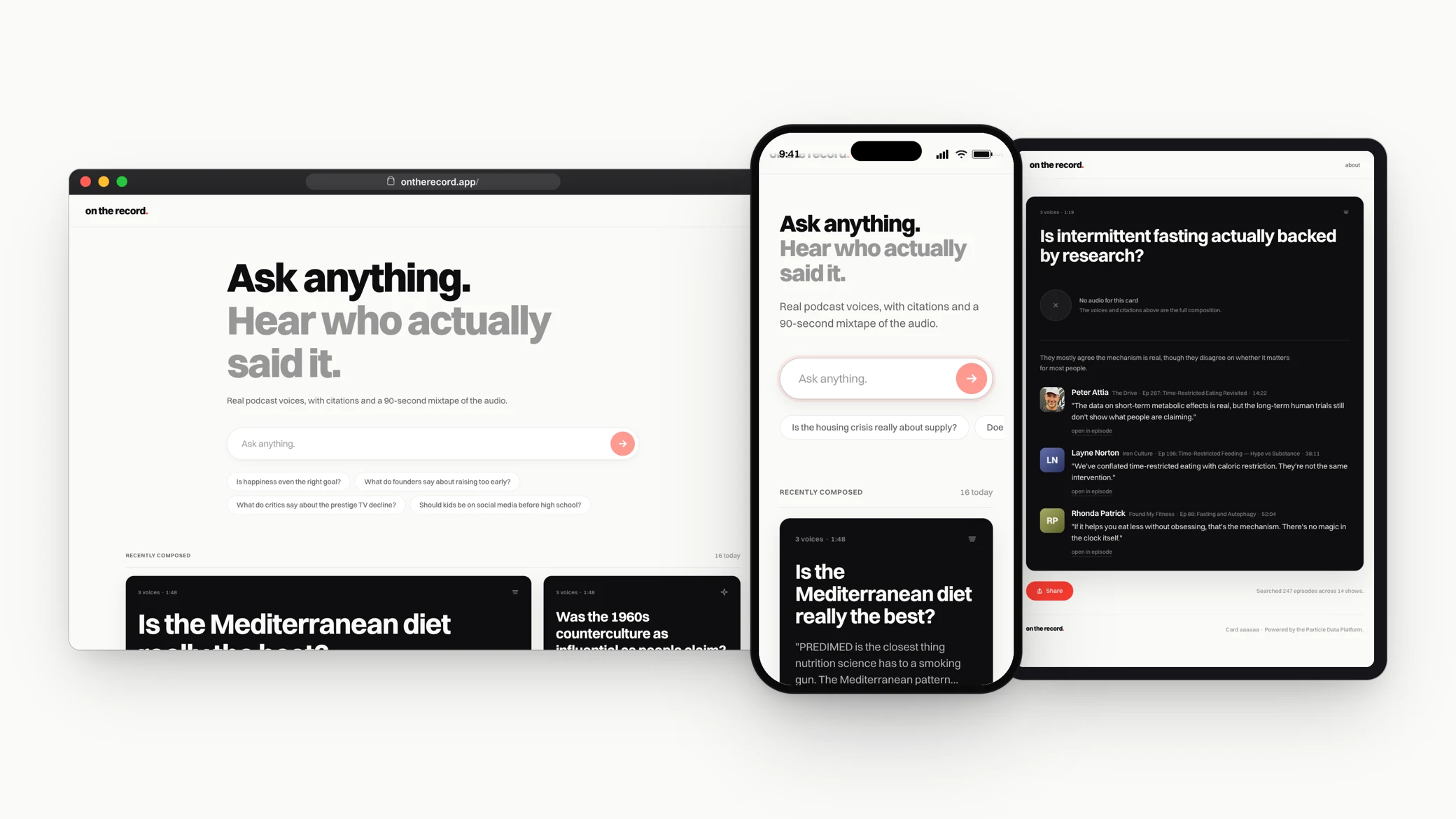
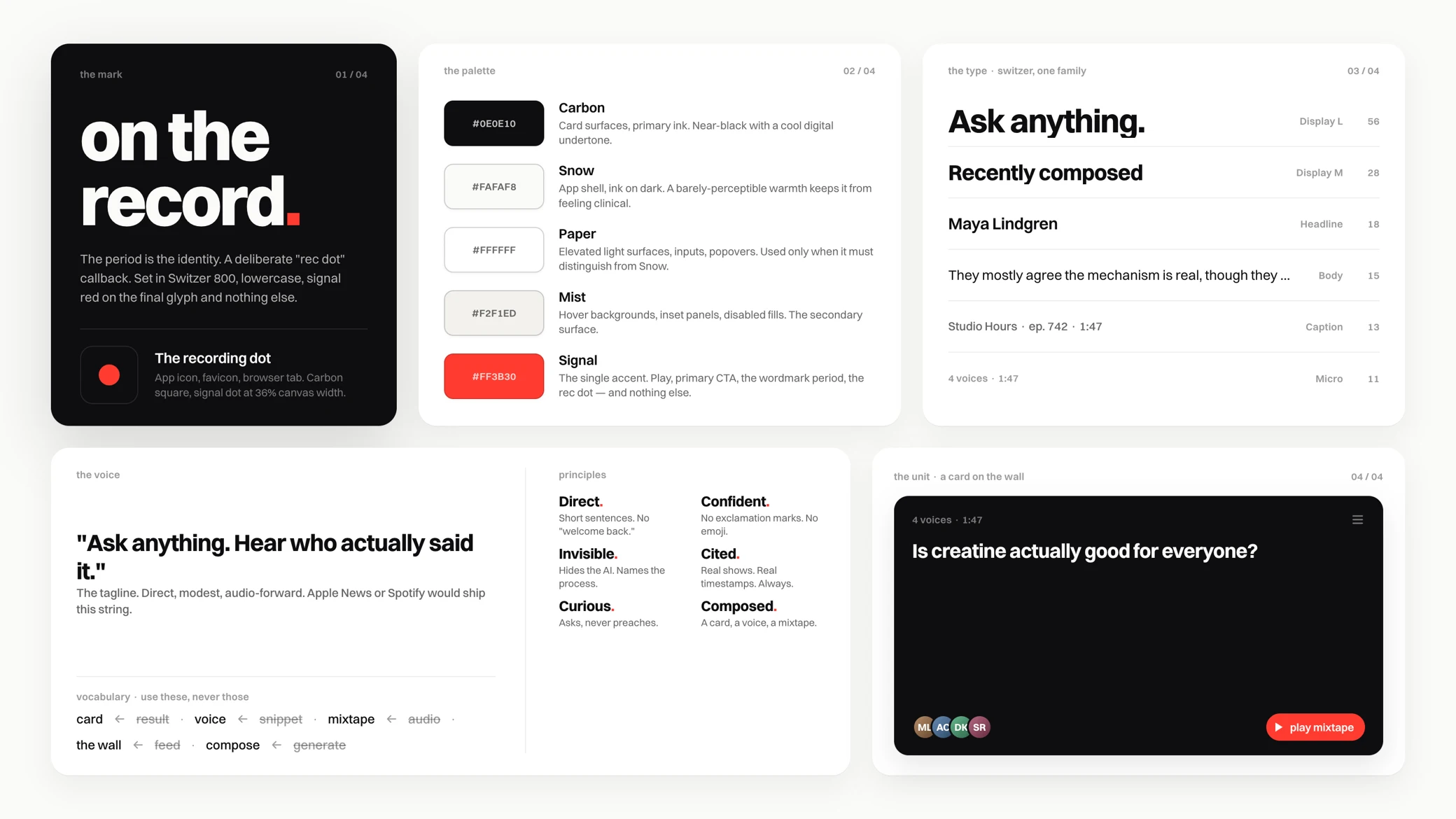
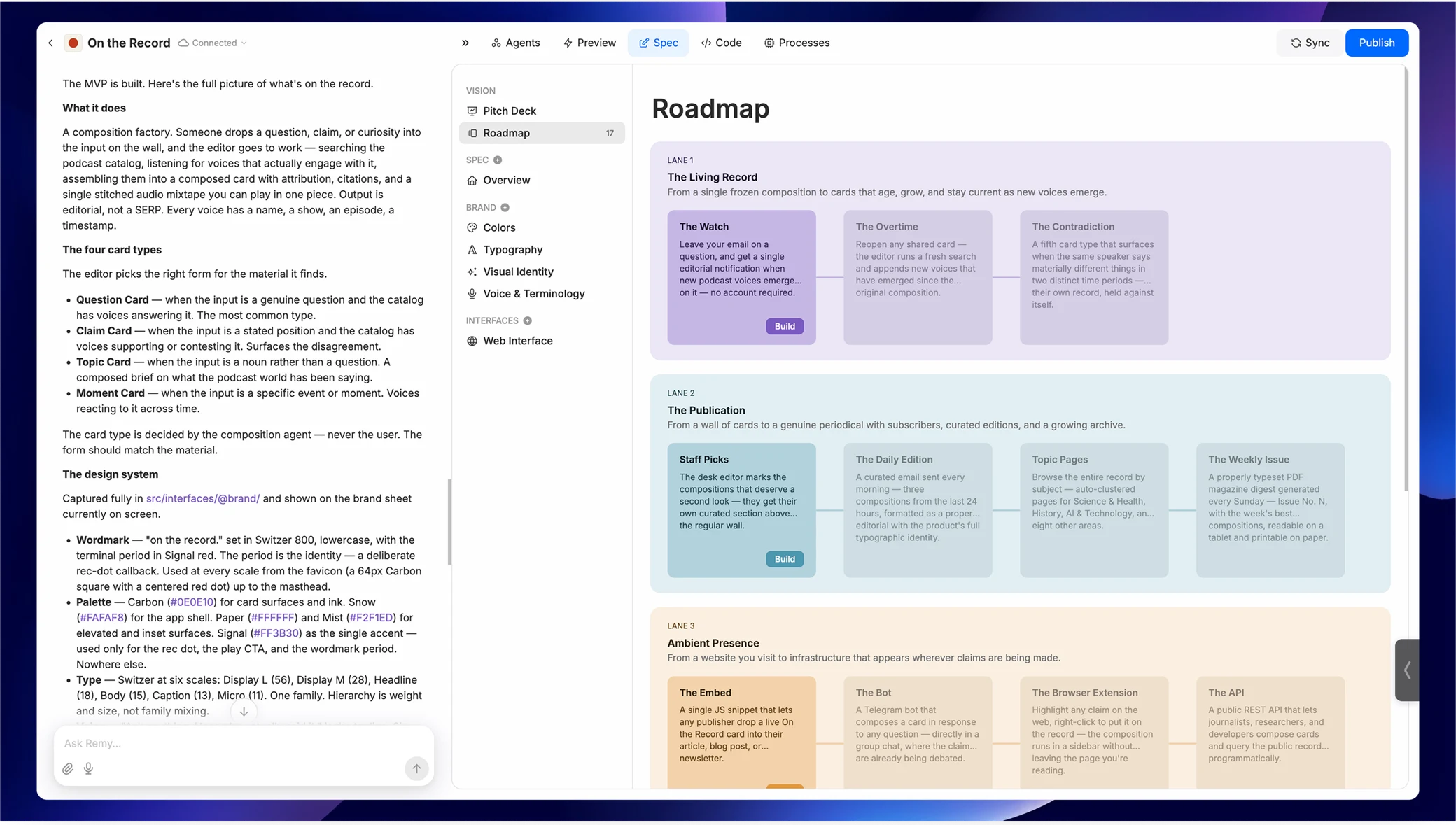
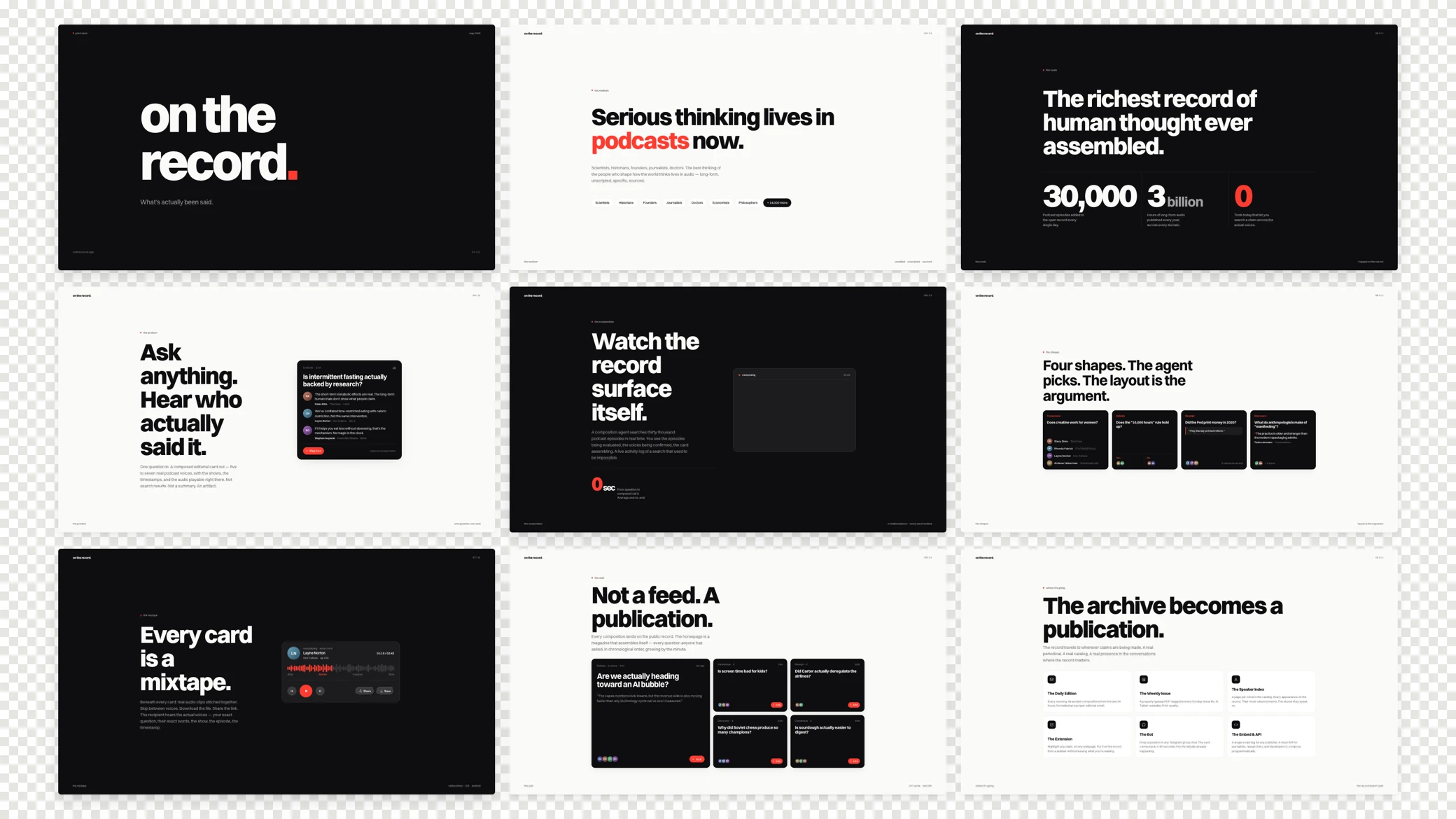
The work happens in front of you, and you can jump in anytime. The agents tab shows who's working on what, thinking, calling tools, returning results. The QA agent's cursor moves through your app in a small browser preview, testing flows you didn't have to write tests for. You can sit and watch (it's strangely satisfying) or close the tab and come back when it's done. A typical initial build takes about an hour.
There's a longer argument behind Remy about why software needs a different foundation when an agent can build anything, and what that foundation looks like.
Read the whitepaper →Production-ready from day one.
Whatever you're building, Remy's infrastructure is ready for it. Consumer-scale traffic, internal tools for serious teams, regulated workloads with real compliance demands. The infrastructure adapts to what your project actually needs.
- TypeScript
- Git repository
- Full Node.js runtime
- Source code is yours
- Serverless SQL
- Typed schemas
- Automatic migrations
- Encrypted backups
- Auto-scaling runtime
- Background jobs
- Cron schedules
- Sandboxed execution
- Email & SMS auth
- SSO & SAML
- Role-based access
- Rate limiting
- Global CDN
- Custom domains
- Git-native deploys
- One-click rollback
- Product analytics
- Error tracking
- Live logs
- Performance metrics
- SOC 2 Type 1 & 2
- GDPR
- Audit logs
- Data residency
- 200+ AI models
- Text, image, video
- Voice & vision
- Autonomous agents
- 1,000+ services
- No-config setup
- Pre-authenticated
- Billing pass-through
The work doesn't stop when the app ships.
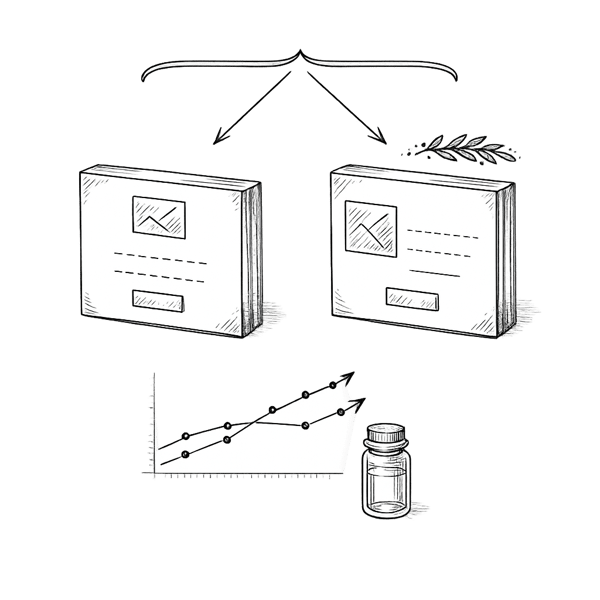
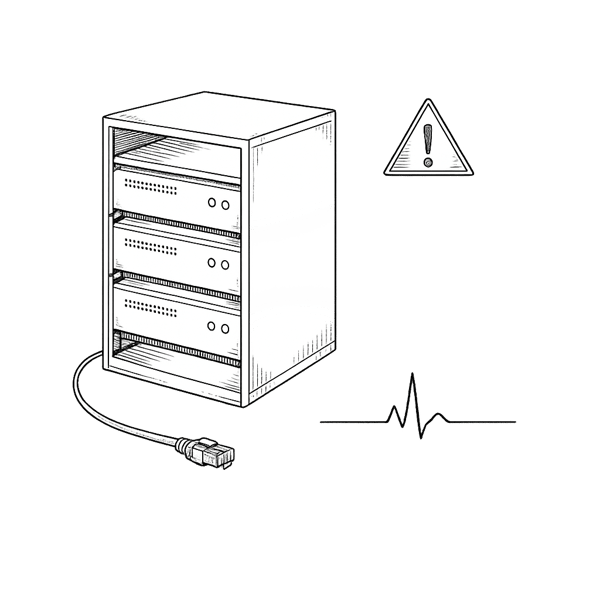
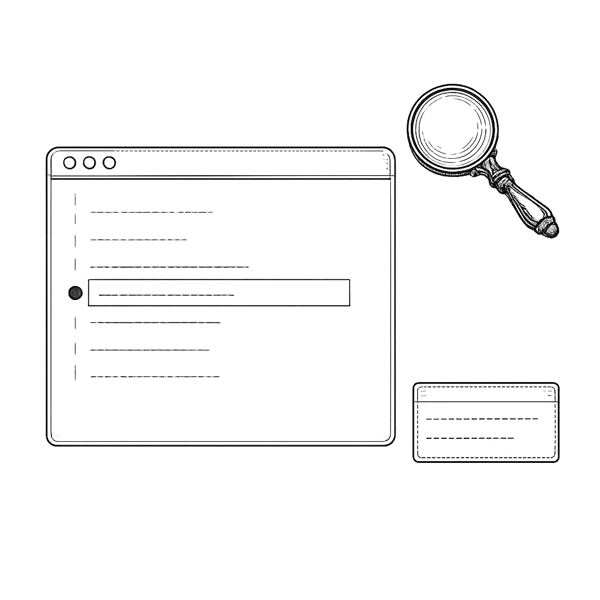
Shipping the application is just the beginning. The product is deployed now, and there's a whole horizon of work ahead. Marketing to write. Analytics to read. Bugs to fix. New features to ship. The next version to make.
Other AI tools stop at the build. Remy is just getting started.





Honestly, it's the whole package that gets me. The roadmap view, the spec view, the fact that you can just click on a thing in the roadmap and it starts building... chef's kiss. If only it were like that in real life. But now it is like that in real life.
— Francis Interlandi · Product, Toast
Remy is built for organizations with serious security, compliance, and procurement requirements. SOC 2 Type 2, GDPR, SSO and SAML, audit logs, on-premise deployments.
Visit the Trust Center →Try Remy.
Remy is in open alpha. People are shipping real products with it right now. Come build something.